Embarking on a holiday to a new country is an exhilarating experience, promising novel sights, sounds, and flavors. However, a truly enriching travel experience goes beyond simply booking a cheap flight ticket or finding a flight and hotel package that suits your budget. It delves into understanding the heartbeat of a destination, its people, and their customs. South Korea, a land of ancient traditions beautifully intertwined with cutting-edge modernity, presents a unique cultural tapestry that can be both fascinating and, at times, perplexing for the uninitiated. Many travelers, eager to explore its vibrant cities and serene landscapes, often overlook the crucial step of familiarizing themselves with local etiquette. This oversight can inadvertently lead to misunderstandings or, worse, unintended offense, hindering what could otherwise be a profoundly rewarding journey. This article aims to be your comprehensive guide to navigating South Korea’s rich cultural landscape, ensuring your visit is not only enjoyable but also respectful and deeply immersive, from understanding social hierarchies to dining etiquette and public transportation norms, making your decision to buy online flight ticket to this amazing country even more worthwhile.
The Significance of Hierarchy: Respect and Language in South Korea
Understanding hierarchy is paramount in South Korean society, profoundly influencing social interactions and communication. This concept, deeply rooted in Confucianism, dictates how individuals interact based on age, social status, and professional position. For travelers, recognizing and respecting these distinctions can significantly enhance their holiday experience. For instance, addressing elders with appropriate honorifics and showing deference in conversations is crucial. You’ll notice this in everyday interactions, from purchasing items at a local market to checking into your flight and hotel package accommodations. While foreigners are generally granted some leeway, making an effort demonstrates genuine respect. Language reflects this hierarchy through various speech levels. Although mastering Korean honorifics might be challenging for a short trip, being aware that they exist and observing how Koreans interact with each other can provide valuable insights. Learning a few basic polite phrases, such as “Annyeonghaseyo” (hello) and “Kamsahamnida” (thank you), and using them with a slight bow, can go a long way in showing courtesy and appreciation for the local culture during your holiday.
Furthermore, this hierarchical structure extends beyond verbal communication into non-verbal cues and social customs. For example, when offering or receiving something, especially from an elder or someone of higher status, it is customary to use both hands as a sign of respect. This seemingly small gesture carries significant weight in Korean culture. Shaking hands is common, but often, the junior person will await the senior person’s initiative. When dining, waiting for the eldest person at the table to begin eating before you do is a classic display of respect. These customs, while perhaps subtle to the untrained eye, are deeply ingrained and demonstrate an understanding of the societal framework that underpins daily life in South Korea. Recognizing these nuances not only prevents potential faux pas but also opens doors to more authentic and meaningful interactions with locals during your travels. Whether you’re navigating a bustling market or enjoying a traditional meal, an awareness of these hierarchical traditions will certainly enrich your holiday experience. It underscores the importance of observation and sensitivity in absorbing the cultural tapestry of South Korea, making your buy online flight ticket journey a true cultural immersion.
Dining Etiquette: A Taste of Tradition on Your Holiday
Dining in South Korea is a communal and ritualistic experience, far more complex than simply enjoying delicious food. For those planning a holiday, understanding the intricacies of Korean dining etiquette is crucial to fully appreciate the culture and avoid unintentional offense. One of the most fundamental rules is to wait for the eldest person at the table to pick up their spoon or chopsticks before you begin eating. This act signifies respect for elders, a cornerstone of Korean society. Once dining commences, never stick your chopsticks upright in your rice bowl, as this resembles incense offered at memorial ceremonies and is considered highly unlucky. Similarly, avoid blowing your nose at the table; if absolutely necessary, discreetly excuse yourself. Furthermore, it is common to share communal dishes, but always use a serving spoon or specific utensils provided rather than your personal chopsticks to take food from the shared platters. Offering to pour drinks for others, especially for elders, and accepting a pour in return with both hands, are also common gestures of politeness and camaraderie, enhancing the communal aspect of your holiday meal.
Moreover, while audible slurping might be acceptable with noodles in some cultures, it’s generally not considered polite in a formal Korean dining setting, though less strict in casual eateries. Drinking alcohol is often a social event, particularly important in business or friendly gatherings. When drinking with elders or superiors, it is polite to turn your head slightly away when taking a sip. This gesture shows deference and respect. It’s also customary to offer to refill the glasses of those around you before attending to your own, especially an elder’s. If someone offers to refill your glass, it’s polite to accept. If you’ve had enough, you can gently cover your glass with your hand or discreetly say “괜찮습니다” (Gwaenchanseumnida), meaning “I’m okay” or “no thank you.” Eating slowly and savoring your meal, rather than rushing through it, is also appreciated, allowing for conversation and companionship. Finally, when the meal concludes, it’s polite to offer to pay, though often the eldest or most senior person at the table will insist on covering the bill. Gently protesting once or twice before accepting their generosity is also part of the etiquette. Mastering these dining nuances will undoubtedly enrich your holiday experience in South Korea, turning a simple meal into a memorable cultural exchange. Remember, observing locals and following their lead is always a good strategy during your buy online flight ticket adventure.
Public Transportation and Street Etiquette for Your Holiday
Navigating South Korea’s highly efficient public transportation system and bustling streets requires an understanding of local etiquette to ensure a smooth and respectful holiday experience. When using subways or buses, it’s generally expected that commuters maintain a relatively quiet demeanor. Loud conversations on mobile phones are frowned upon, and most people choose to text or use their devices silently. Prioritize reserving seats for the elderly, pregnant women, or those with disabilities, as these designated seats are always observed. Even if the designated seats are empty, it’s often considered polite to leave them available if there are other seats. When boarding or alighting, allow passengers to exit before attempting to enter. Forming orderly queues, especially for buses, is also a common practice. Personal space, while valued, can be limited during peak hours, so be prepared for crowds and try to minimize the volume of your belongings if possible. Always ensure your T-Money card (a rechargeable public transport card) has sufficient balance, saving both you and fellow passengers time at the turnstiles.
On the streets, spitting or littering is highly discouraged and can even incur fines, reflecting the nation’s strong emphasis on cleanliness and public order. It’s also considered impolite to eat while walking, especially strong-smelling foods, though exceptions might be made for quick snacks in very casual settings. When walking in crowded areas, stick to the right side of the pavement, similar to driving rules, to maintain a flow of human traffic. Jaywalking, while sometimes observed, is generally not encouraged and can be dangerous given the fast-paced nature of Korean traffic. If you need to stop to check maps or take photos, try to move to the side to avoid obstructing pedestrian flow. Public displays of affection are generally more subdued compared to Western cultures; while holding hands is common, excessive kissing or fondling is usually reserved for private settings. If you need to ask for directions, approach someone politely and use simple English if you’re not confident in Korean, but be mindful that not everyone may speak English. A respectful bow and a “Kamsahamnida” (thank you) after assistance will always be appreciated. Adhering to these unwritten rules on your holiday ensures a more harmonious interaction with the local environment and its inhabitants, making your overall travel experience more pleasant, especially after you’ve secured your cheap flight ticket to arrive.
Visiting Temples and Sacred Sites on Your Holiday
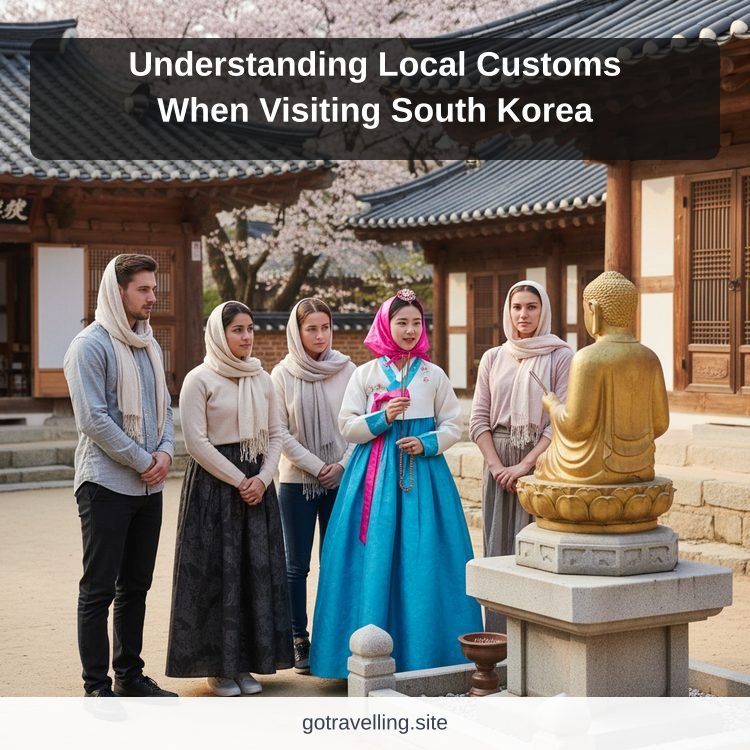
South Korea boasts a rich spiritual heritage, with numerous Buddhist temples and other sacred sites scattered across its stunning landscapes. A visit to these tranquil havens can be a deeply enriching aspect of your holiday, offering a glimpse into the country’s ancient traditions and spiritual practices. However, it’s crucial to approach these sites with reverence and respect for their sanctity. The most fundamental rule is to dress modestly. This typically means covering your shoulders and knees. Avoid revealing clothing such as tank tops, short shorts, or mini-skirts. While many temples might not strictly enforce a dress code for tourists, dressing appropriately demonstrates respect for the culture and the religious significance of the place. Before entering any temple building, especially the main worship halls, always remove your shoes. There will usually be a designated area for shoes near the entrance. Walk quietly and speak in hushed tones inside the halls to maintain the peaceful atmosphere. Photography is often permitted, but always be respectful of worshippers and do not interrupt their prayers; avoid using flash photography. In some areas, photography might be explicitly forbidden, so always look for signs.
Furthermore, when inside a temple, observe the behavior of locals and try to emulate it. If someone is bowing or kneeling, it’s not necessary for you to do so unless you wish to participate, but maintaining a respectful posture is appreciated. Avoid pointing your feet directly at Buddha statues or altars. When exiting any main hall, it’s customary to step over the threshold rather than on it. Donations, while not mandatory, are a thoughtful gesture to support the temple’s maintenance and activities; look for donation boxes if you wish to contribute. Some temples offer “Templestay” programs, allowing visitors to experience monastic life, partake in meditation, and learn about Buddhist culture. This can be an incredibly immersive and educational experience for those looking to deepen their understanding, and it’s a fantastic way to enhance your holiday. Before embarking on such an experience, it’s wise to research the specific temple’s guidelines. By observing these simple yet significant protocols, you ensure your visit to South Korea’s sacred sites is not only memorable but also conducted with the utmost respect, truly enriching your holiday experience after you buy online flight ticket to this amazing destination.
Practical Tips for a Respectful and Enjoyable Holiday
To ensure your holiday in South Korea is not only enjoyable but also culturally respectful, here are several practical tips that integrate smoothly with your travel plans, from booking a cheap flight ticket to exploring local markets. Firstly, always carry a small gift when invited to someone’s home. It’s a thoughtful gesture commonly practiced in Korea, often reciprocated. Small items from your home country, especially local delicacies or crafts, are highly appreciated. Present and receive gifts with both hands as a sign of respect. Secondly, tipping is generally not customary in South Korea. Service charges are usually included in restaurant bills, and tipping taxi drivers or hotel staff is not expected. Attempting to tip might even be seen as rude in some instances, so it’s best to avoid it unless in very specific, high-end service scenarios where it’s clearly indicated. This is a common misconception for many travelers, so being aware can save you potential awkwardness. Thirdly, be mindful of your voice level in public. Koreans generally speak at a moderate volume, and loud conversations can be perceived as disruptive or impolite, especially in quieter settings like cafes or public transport.
Fourthly, physical contact in public is generally reserved for close friends and family. While a handshake is a common greeting, avoid overly familiar gestures like back-patting or prolonged hugs with strangers. Maintain a respectful distance when conversing with people you’ve just met. Fifthly, when paying for items, especially in older establishments or traditional markets, it’s polite to hand money and receive change with both hands. This reinforces the concept of respect and sincere exchange. Sixthly, download useful apps. A good language translation app, navigation apps (like KakaoMap or Naver Map, as Google Maps can be limited), and even a public transport app will immensely help you navigate the language barrier and urban sprawl. Finally, and perhaps most importantly, always lead with a positive and open attitude. Cultural differences can sometimes be challenging, but approaching them with curiosity and a willingness to learn will transform potential hurdles into enriching experiences. Remember, a little effort to understand and adhere to local customs significantly enhances your holiday, fostering warmer interactions and creating more profound memories, whether you’re exploring ancient palaces or the vibrant streets of Seoul after securing your flight and hotel package.
Kesimpulan
Understanding and respecting local customs in South Korea is not merely about avoiding offense; it’s about opening doors to a richer, more authentic holiday experience that transcends the superficial. From the delicate dance of social hierarchy and the communal rituals of dining to the unspoken rules of public spaces and the serenity of sacred sites, each cultural nuance offers a deeper connection to this remarkable country. By making an effort to learn and adapt, even in small ways, travelers can transform their journey from a simple visit into a profound cultural immersion. This detailed guide has equipped you with the essential knowledge to navigate South Korea with grace and confidence. We encourage you to buy online flight ticket today and embark on this incredible adventure. So, as you plan your next holiday, consider South Korea, and remember that the most memorable trips are those where you truly engage with the heart and soul of the destination. Book your cheap flight ticket and flight and hotel package now, and prepare for an unforgettable experience where respect and understanding pave the way for genuine connection.