Embarking on a captivating journey to a land steeped in millennia of history and breathtaking wonders is a dream for many. If you’re planning a holiday that promises to transport you back in time, few destinations can rival the allure of Egypt. This ancient land, cradle of civilization, offers an unparalleled wealth of museums and historical sites that narrate tales of pharaohs, gods, and groundbreaking achievements. However, navigating the sheer volume of attractions and planning your itinerary can be overwhelming. From deciphering the best times to visit to discovering hidden gems beyond the well-trodden paths, the task of organizing such a significant trip requires careful consideration. This article serves as your comprehensive guide, unraveling the mysteries of Egypt’s most iconic and fascinating museums and historical venues. We’ll delve into where to find truly cheap flight tickets, how to bundle a flight and hotel package efficiently, and ultimately, ensure your adventure into Egypt’s past is as seamless and enriching as possible. Prepare to be enchanted as we explore the essential pillars of Egyptian heritage, making your holiday planning less of a chore and more of an exciting prelude to discovery.
The Grand Egyptian Museum (GEM): A Modern Marvel for Ancient Treasures
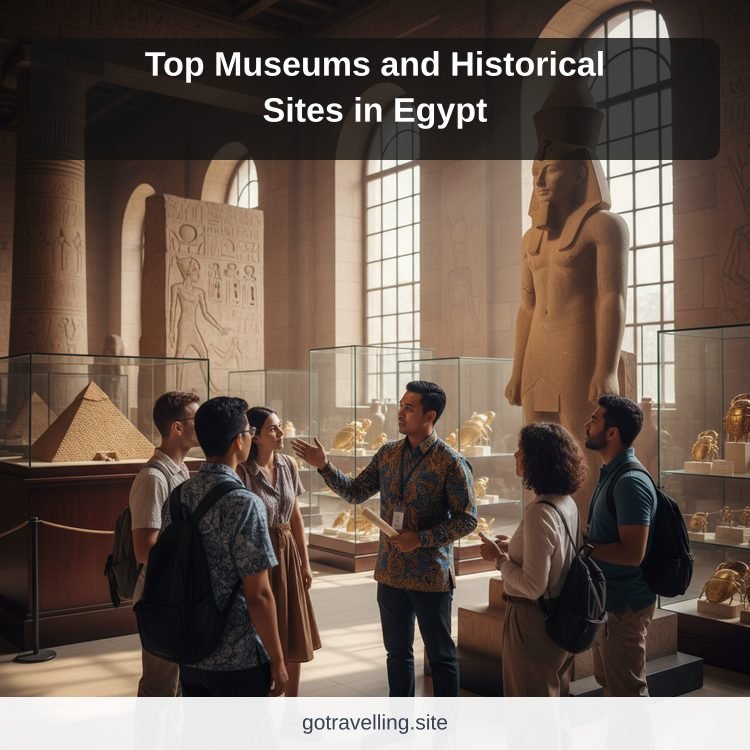
The Grand Egyptian Museum (GEM), often referred to as the Giza Museum, stands as a monumental testament to Egypt’s enduring legacy and its commitment to preserving and showcasing its unparalleled historical artifacts. Situated just two kilometers from the Giza Pyramids, this colossal institution, once fully opened, will be the largest archaeological museum in the world, dedicated exclusively to a single civilization. Its opening marks a new era in Egyptology, offering visitors an immersive and technologically advanced experience. The sheer scale of the GEM is impressive, with over 100,000 artifacts in its collection, including the complete Tutankhamun collection, which will be displayed in its entirety for the very first time. Imagine strolling through vast halls, encountering the golden mask of Tutankhamun, his gilded sarcophagi, and countless other treasures that once adorned his tomb, all presented with cutting-edge exhibition techniques. The museum’s design itself is a marvel, a transluscent alabaster façade that changes appearance with the light, mirroring the timeless beauty of the artifacts within. For travelers looking to buy online flight tickets to Cairo, planning your visit around the GEM’s full opening is highly recommended to secure your chance to witness history in the making. This museum isn’t just a building; it’s a gateway to understanding the profound impact of ancient Egypt on human civilization, offering a depth of insight into their daily lives, beliefs, and artistic prowess that is simply unparalleled. It’s an essential stop for any holidaymaker passionate about history.
The Egyptian Museum in Tahrir Square: A Legacy of Discovery
Before the grand unveiling of the GEM, the Egyptian Museum in Tahrir Square held the undisputed title as the primary repository of ancient Egyptian artifacts. Although many of its star attractions, particularly those related to Tutankhamun, are destined for the GEM, the Tahrir Museum remains an absolutely essential destination for anyone seeking a deep dive into Egypt’s antiquity. Its vast collection, housed in a magnificent pink neo-classical building, includes over 120,000 items, offering a captivating journey through thousands of years of history. Visitors can still marvel at the stunning statuary, intricate jewelry, everyday objects, and an unparalleled array of mummies, including those of powerful pharaohs like Ramses II. The museum’s charm lies not just in its exhibits but also in its historical ambiance; walking through its halls feels like stepping back in time, evoking the spirit of early archaeological discoveries. For those who manage to secure a cheap flight ticket to Cairo, dedicating a full day, or even two, to exploring this venerable institution is a must. One particularly striking exhibit is the Yuya and Thuya collection, the grandparents of Akhenaten, whose mummies and burial goods offer an incredibly well-preserved glimpse into the lives of Egyptian nobility well before Tutankhamun. The Tahrir Museum also houses fascinating papyri, sarcophagi, and relief carvings that communicate the rich tapestry of ancient Egyptian religion and governance. A visit here is not merely sightseeing; it’s an immersive educational experience that enriches any holiday itinerary significantly.
The Pyramids of Giza and the Sphinx: Icons of Eternity
No discussion of Egypt’s historical sites is complete without reverent mention of the Pyramids of Giza and the enigmatic Sphinx. These monumental structures, enduring symbols of ancient Egyptian ingenuity and power, have captivated humanity for millennia. Standing proudly on the Giza Plateau, the Great Pyramid of Khufu, the Pyramid of Khafre, and the Pyramid of Menkaure, along with their smaller satellite pyramids, form a breathtaking ensemble that is one of the last remaining wonders of the ancient world. The sheer scale and precision of their construction continue to baffle and inspire, defying modern understanding of how such feats were achieved without contemporary technology. While contemplating these colossal tombs, one can’t help but feel a profound connection to the pharaohs who commissioned them and the thousands of laborers who brought them to life. The Sphinx, a mythical creature with the body of a lion and the head of a human, guards the Giza plateau with an eternal gaze, adding to the site’s mystique. For travelers seeking a holiday imbued with awe-inspiring sights, a trip to Giza is non-negotiable. Many tour operators offer flight and hotel package deals that include excursions to the pyramids, making it easier to plan this once-in-a-lifetime experience. Consider arranging for a sunrise or sunset visit to witness these structures bathed in golden light, an unforgettable spectacle that underscores their timeless majesty. Understanding the historical context, the astronomical alignments, and the societal beliefs that drove their construction deepens the appreciation of these incredible feats of architecture.
Karnak Temple Complex: A City of Gods
Venturing further south to Luxor, one encounters another architectural marvel of unparalleled grandeur: the Karnak Temple Complex. This sprawling complex, not merely a single temple but a vast open-air museum and the second-largest ancient religious site in the world after Angkor Wat, is a testament to the might and devotion of ancient Egyptian pharaohs. Built over 2,000 years, with contributions from numerous pharaohs, Karnak served as the principal place of worship for the Theban Triad (Amun, Mut, and Khonsu). The sheer scale of its hypostyle hall, with its 134 massive columns, each intricately carved with hieroglyphs and scenes depicting pharaohs and gods, is an utterly overwhelming experience. Imagine walking through this forest of stone, feeling dwarfed by columns that stand taller than many modern buildings, each telling a story of ancient rituals and power. The complex also features obelisks, sanctuaries, and statues that chronicle the shifting political and religious landscape of ancient Egypt. For those who buy online flight tickets to Luxor, Karnak is an absolute must-see; its magnitude requires several hours, if not a full day, to properly explore. Hiring a knowledgeable guide significantly enhances the visit, as they can illuminate the stories etched into the stones and bring the ancient past to life. Visiting Karnak offers a profound insight into the spiritual heart of ancient Egypt, demonstrating the incredible resources and artistic skill dedicated to honoring their deities during a holiday of cultural immersion.
The Valley of the Kings: Resting Place of Pharaohs
Across the Nile from Luxor, nestled within the barren hills of the Theban Necropolis, lies the Valley of the Kings, the royal burial ground for pharaohs and powerful nobles of the New Kingdom. This UNESCO World Heritage site is where some of Egypt’s most famous rulers, including Tutankhamun, Seti I, and Ramses II, were laid to rest in elaborate subterranean tombs, designed to protect their treasures and their journey into the afterlife. The discovery of Tutankhamun’s nearly intact tomb in 1922 captivated the world, revealing an unimaginable wealth of artifacts and providing invaluable insights into ancient Egyptian burial practices and beliefs. While many of the exquisite treasures found here are now housed in museums like the GEM, the tombs themselves remain open for exploration. Descending into these meticulously decorated chambers, adorned with vibrant hieroglyphs, intricate paintings, and mythological scenes, is an extraordinary experience. Each tomb tells a unique story of the deceased pharaoh’s life, death, and aspirations for eternity. For travellers planning a holiday to Egypt, ensuring your flight and hotel package includes an excursion to the West Bank of Luxor is crucial. The limited number of tombs open at any given time, rotated to aid preservation, means each visit offers a fresh perspective. Witnessing the artistry and devotion poured into these sacred resting places offers a deeply moving and educational insight into the profound faith and artistic brilliance of ancient Egyptian civilization.
Abu Simbel Temples: A Journey to the South
Further south, near the border with Sudan, lies the awe-inspiring Abu Simbel temple complex, a pair of massive rock-cut temples built by Pharaoh Ramses II in the 13th century BC. These colossal structures, dedicated to Ramses II himself and his beloved queen Nefertari, represent the pinnacle of ancient Egyptian rock-cut architecture. The larger temple, with its four colossal seated statues of Ramses II guarding the entrance, is truly breathtaking in its scale and intricacy. Its interior chambers are adorned with detailed reliefs depicting Ramses’ military victories, including the famous Battle of Kadesh. What makes Abu Simbel even more remarkable is its incredible story of salvation. In the 1960s, threatened by the rising waters of Lake Nasser due to the construction of the Aswan High Dam, the entire complex was meticulously dismantled and relocated to higher ground, a colossal engineering feat that preserved these invaluable historical treasures for future generations. This monumental relocation project, undertaken by an international team with UNESCO’s support, stands as an inspiring example of global cooperation in cultural preservation. Visiting Abu Simbel often requires a separate excursion, typically a day trip from Aswan by bus or a short flight. For those truly passionate about experiencing the majestic grandeur of ancient Egypt on their holiday, the journey is undeniably worth it. Exploring these temples, especially during the biannual sun alignment when the sanctuary is illuminated, offers an unforgettable perspective on the power and religious fervor of the New Kingdom pharaohs. Securing your cheap flight ticket to Aswan and arranging this trip in advance is highly advisable.
Philae Temple: The Jewel of the Nile
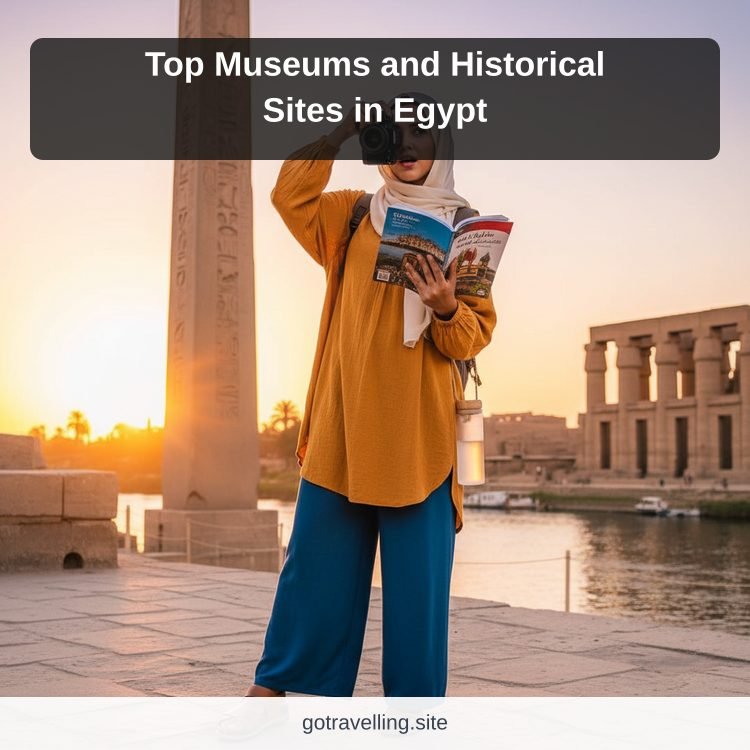
Situated on Agilkia Island near Aswan, the Philae Temple Complex, dedicated to the goddess Isis, is often referred to as the “Pearl of Egypt.” Its captivating beauty and serene island setting make it one of the most picturesque and well-preserved Ptolemaic temples. Like Abu Simbel, Philae Temple faced submersion due to dam construction, first with the Aswan Low Dam and then the High Dam. Between 1972 and 1980, the entire complex was carefully relocated stone by stone from its original position on Philae Island to the higher Agilkia Island, meticulously preserving its stunning architecture and intricate carvings. This incredible rescue operation ensures that today’s visitors can continue to admire its intricate reliefs, vibrant frescoes, and grand colonnades. Reaching Philae Temple involves a short boat ride across the tranquil waters of Lake Nasser, adding to the charm and mystique of the experience. The temple’s elegant design, with its magnificent pylons, courtyards, and sanctuaries, reflects a blend of Egyptian and Greco-Roman artistic styles. It’s particularly enchanting during the evening sound and light show, where the temple is beautifully illuminated, and its history is narrated under the starry desert sky. A visit to Philae is an essential component of any holiday itinerary focusing on Egypt’s southern gems, perfectly complementing a trip to Aswan. This allows for a deeper appreciation of the religious syncretism that characterized later ancient Egyptian periods and the enduring power of its deities. For those looking to buy online flight ticket and a comprehensive flight and hotel package that includes a Nile cruise, Philae is commonly a highlight.
Edfu Temple: The Best-Preserved Temple in Egypt
Continuing your journey along the Nile, usually accessible during a cruise, you’ll encounter the magnificent Temple of Horus at Edfu. This Ptolemaic temple is renowned for being the best-preserved ancient sanctuary in Egypt, offering an almost complete architectural picture of what an ancient Egyptian temple looked like. Dedicated to the falcon-headed god Horus, son of Isis and Osiris, the construction of Edfu Temple began in 237 BC under Ptolemy III and took nearly two centuries to complete. Its remarkable state of preservation is largely due to the fact that it was buried under sand for centuries, protecting it from the destructive forces of time and human interference. As you approach, the massive pylons, adorned with intricate reliefs depicting Ptolemy XII Neos Dionysos smiting his enemies before Horus and Hathor, immediately command attention. Inside, the temple features a grand courtyard, two hypostyle halls, an offering room, a sanctuary with a replica of the sacred barque of Horus, and various smaller chambers. The detailed hieroglyphs and scenes cover virtually every surface, providing a wealth of information about ancient Egyptian mythology, religious rituals, and the lives of the gods. Exploring Edfu Temple offers a truly immersive experience, transporting you directly into the religious practices of ancient Egypt. For those on a Nile river cruise, typically included in many flight and hotel package options, Edfu is a key stop and a jewel in the crown of any holiday focused on historical discovery. The roof of the temple also offers panoramic views of the surrounding area and the Nile, providing a wonderful photo opportunity.
Kom Ombo Temple: A Unique Dual Temple
Another unique and captivating stop on a Nile cruise is the Kom Ombo Temple, distinctive for its rare double design. Unlike most Egyptian temples dedicated to a single deity, Kom Ombo is symmetrical and dedicated to two separate gods: Sobek, the crocodile god of fertility and creation, and Horus the Elder (Haroeris), the falcon-headed god of the sky and the good doctor. This dual dedication is reflected in the temple’s layout, with two parallel entrances, courts, and sanctuaries, one for each deity. Built during the Ptolemaic dynasty, this temple too is beautifully preserved and offers fascinating insights into ancient Egyptian polytheism. Visitors can explore the well-preserved reliefs and inscriptions depicting medical instruments, calendar systems, and detailed mythological narratives. A particularly intriguing feature is the nilometer, used to measure the water levels of the Nile and predict agricultural yields. There’s also a small but fascinating Crocodile Museum nearby, housing mummified crocodiles that were worshipped in ancient times, underscoring Sobek’s importance. The temple’s location, perched picturesquely on a high dune overlooking the Nile, makes it especially enchanting at sunset when its golden stones reflect the dying light. For those seeking a cheap flight ticket to Egypt and an immersive holiday experience along the Nile, Kom Ombo provides a unique perspective on ancient Egyptian religious practices and their deep connection to the natural world. Its intricate carvings offer endless opportunities for discovery and contemplation.
Conclusion
Egypt’s museums and historical sites are not merely collections of old stones and dusty artifacts; they are vibrant portals to a civilization that continues to inspire awe and curiosity. From the colossal scale of the Giza Pyramids and the impending grandeur of the Grand Egyptian Museum to the intricate beauty of the temples along the Nile, each destination offers a unique piece of an extraordinary puzzle. Planning your holiday to this wondrous land requires careful consideration, but the rewards are immeasurable. Whether you decide to buy online flight tickets for a whirlwind city break to Cairo, a luxurious flight and hotel package for a comprehensive Nile cruise, or a bespoke adventure through Luxor and Aswan, Egypt promises an unforgettable journey. Immerse yourself in the timeless stories etched into stone, walk in the footsteps of pharaohs, and marvel at the ingenuity of a people who shaped humanity’s understanding of art, architecture, and spirituality. Don’t just dream about it; make your Egyptian holiday a reality. Start your planning today by exploring flight and hotel package options, and prepare to be utterly captivated by the magic of ancient Egypt.