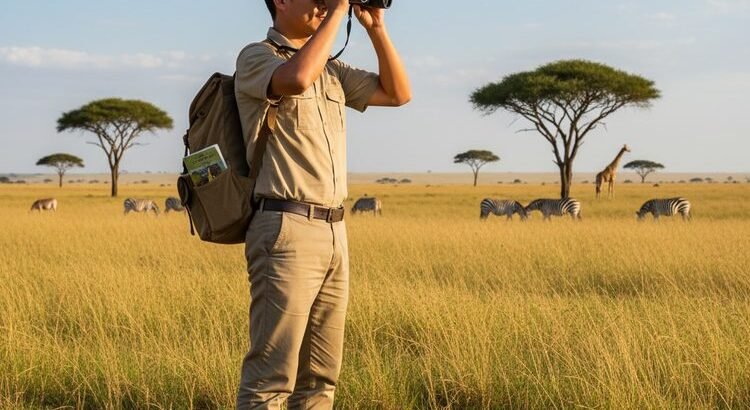
Dreaming of an unforgettable safari adventure, where the wild heart of Africa beats strong and untamed? Kenya, with its vast savannas, magnificent wildlife, and vibrant cultures, stands as an unrivaled destination for such an experience. However, the success of your wildlife watching holiday hinges significantly on timing. Imagine planning your once-in-a-lifetime trip, eagerly anticipating sights of migrating herds or elusive predators, only to find the landscape parched, the animals dispersed, or the rains relentless. This crucial consideration often leads travelers to ponder: when is the absolute best time to visit Kenya for wildlife watching? The answer isn’t always straightforward, as different seasons offer unique spectacles and challenges. This article delves deep into Kenya’s climatic patterns, seasonal wildlife behaviors, and provides comprehensive insights to help you perfectly time your safari, ensuring you witness Mother Nature’s grandest performances. Whether you’re looking to buy online flight ticket for a spontaneous trip or meticulously planning a future adventure, understanding these seasonal nuances is key to optimizing your journey. For those seeking a truly immersive experience that combines thrilling wildlife encounters with comfortable stays, exploring a flight and hotel package tailored around these peak seasons could be your ideal solution.
Understanding Kenya’s Climate and Wildlife Migration Patterns
Kenya experiences a bimodal rainfall pattern, meaning it has two distinct rainy seasons, which profoundly influence its ecosystems and, consequently, wildlife distribution and behavior. The long rains typically occur from March to May, bringing lush greenery but also making some roads impassable and visibility challenging. The short rains generally fall from October to December, characterized by shorter, more sporadic downpours, leading to a revitalization of the landscape. Between these rainy periods are the dry seasons: January to February and July to September. These dry months are often considered prime time for safaris due to several critical factors. As water sources diminish, animals congregate around remaining rivers and waterholes, making them easier to spot. The vegetation is also sparser, offering clearer lines of sight for wildlife viewing. Furthermore, these dry periods coincide with one of the most spectacular natural phenomena on Earth: the Great Migration. From July to October, millions of wildebeest, zebras, and gazelles traverse the Serengeti and cross into Kenya’s Maasai Mara National Reserve in search of greener pastures. This epic journey is fraught with danger, particularly at river crossings where predators lie in wait, providing unparalleled drama and photographic opportunities. Understanding these climatic shifts and their impact on animal movements is fundamental to planning a successful wildlife watching holiday.
The Dry Season: July to October – The Great Migration’s Apex
Without a doubt, the period from July to October is widely considered the peak season for a wildlife watching holiday in Kenya, primarily due to the awe-inspiring Great Migration. This is when millions of wildebeest, zebras, and Thomson’s gazelles make their perilous journey from the Serengeti in Tanzania into Kenya’s Maasai Mara National Reserve. The dramatic river crossings, particularly at the Mara River, are legendary, offering heart-stopping moments as crocodiles ambush the struggling herds. While the migration is the undeniable star, this dry season also boasts excellent general game viewing across all of Kenya’s national parks and reserves. The reduced availability of water means animals gather around permanent water sources, making them easier to locate. The vegetation is sparser, leading to better visibility for spotting even the most elusive creatures like leopards and cheetahs. Iconic parks such as Amboseli National Park, with its stunning views of Mount Kilimanjaro and large elephant herds, Tsavo East and West National Parks, and Samburu National Reserve, all offer exceptional wildlife encounters during this time. The weather is generally sunny and dry, with cooler mornings and evenings, making for comfortable game drives. However, this popularity comes with a price: higher tourist numbers, increased accommodation costs, and a need to book well in advance, sometimes even a year ahead, especially if you’re looking for a specific flight and hotel package or want to buy online flight ticket for a particular date. Despite the crowds, the sheer scale of the migration and the abundance of wildlife make this period an unforgettable and highly recommended time for a Kenyan safari.
The Short Dry Season: January to February – Post-Rains Abundance
Following the short rains of October to December, Kenya enters another short dry season from January to February. This period, while less famous than the Great Migration season, offers equally compelling reasons for a wildlife watching holiday. The landscape is still relatively green and vibrant from the recent rains, providing a beautiful backdrop for photography. Crucially, January and February mark the birthing season for many herbivores, especially in the central and southern plains of the Maasai Mara and Amboseli. This brings an abundance of vulnerable young animals, which in turn attracts predators such as lions, cheetahs, and leopards, leading to heightened wildlife action and thrilling predator-prey interactions. It’s a fantastic time to witness the circle of life in full swing. Because it’s not the peak migration period, you’ll generally find fewer tourists compared to July-October, resulting in a more intimate and less crowded safari experience. Accommodation prices might also be slightly lower, offering better value for a luxury or mid-range flight and hotel package. The weather is generally dry and sunny, with comfortably warm temperatures, ideal for spending long hours on game drives. While the Great Migration isn’t in Kenya during this time (it will be further south in the Serengeti), the resident game in parks like Amboseli, Tsavo, and Samburu is plentiful and active. For those who prefer a quieter safari experience with excellent wildlife photographic opportunities, particularly of young animals and predator action, and potentially a more affordable trip, the short dry season is an exceptional choice. It’s an often-overlooked gem in Kenya’s safari calendar, proving that a cheap flight ticket can still lead to an extraordinary adventure.

The Wet Seasons: March to May (Long Rains) & October to December (Short Rains) – Verdant Landscapes and Birding Paradise
While often eschewed by mainstream safari-goers, Kenya’s wet seasons, particularly the long rains from March to May and the short rains from October to December, offer unique and rewarding experiences for a wildlife watching holiday, especially for specific interests. For birdwatchers, these periods are unparalleled. Migratory birds from Europe and Asia flock to Kenya, joining the resident species to create an astonishing diversity of avian life. The landscapes transform into lush, vibrant green tapestries, offering stunning photographic opportunities that differ dramatically from the parched dryness of the peak season. While game viewing can be more challenging due to thicker vegetation and animals being more dispersed with abundant water sources, patient observers can still find incredible sightings. The presence of young animals, particularly during the onset of the short rains, is also a highlight. Predators are often more active during these times as prey becomes more available. Crucially, the wet seasons offer a significant advantage for budget-conscious travelers: lower prices. Lodges and camps typically drop their rates, and it’s easier to find a cheap flight ticket and an attractive all-inclusive flight and hotel package. This allows for a more extended stay or the opportunity to upgrade your accommodation for the same budget. While some remote roads might become difficult to navigate, most safari operators utilize 4×4 vehicles capable of handling the conditions. For those who prioritize lush scenery, exceptional birding, fewer crowds, and a more affordable safari, embracing Kenya’s wet seasons can lead to a profoundly enriching and authentic experience, proving that a bit of rain only adds to the adventure.
Strategic Planning by Regions: North, South, and Coast
Kenya’s diverse geography means that optimal wildlife watching seasons can vary slightly depending on the region you plan to visit. While the July to October period is generally excellent nationwide, understanding regional nuances can further refine your holiday planning. For instance, in the northern conservancies like Samburu and Buffalo Springs, the dry season (June to October and December to February) is particularly crucial. Water is scarcer, drawing unique northern species like oryx, gerenuk, and Grevy’s zebra to the Ewaso Nyiro River, making sightings more concentrated and reliable. The southern parks, including Amboseli and Tsavo, are fantastic during the dry months when large elephant herds gather around the dwindling water sources, providing iconic photo opportunities against the backdrop of Kilimanjaro. Even during the short dry season (January-February), these parks remain excellent for resident game and predator action due to the abundance of young animals. The Maasai Mara, of course, is dominated by the Great Migration from July to October, but its resident wildlife provides superb year-round viewing, making the January-February birthing season another compelling reason to visit. Coastal areas, while not primarily wildlife viewing destinations, often serve as gateways or extensions to safaris. Their weather patterns are also influenced by the rains, with the hot, humid rainy season from April to June typically best avoided for beach activities. When planning your multi-faceted trip, perhaps combining a safari with a coastal retreat, remember to buy online flight ticket with your regional itinerary in mind. Consider a flight and hotel package that accounts for the best times in each area, ensuring a seamless and enjoyable holiday.
Maximizing Your Safari Experience: Practical Tips for Every Season
Regardless of when you choose to embark on your wildlife watching holiday in Kenya, a few practical tips can significantly enhance your experience. Firstly, always pack appropriate clothing. Even during the dry season, mornings and evenings can be surprisingly cool, so layers are essential. Think neutral colors to blend into the environment and sturdy, comfortable shoes. Sun protection, including hats, sunglasses, and high-SPF sunscreen, is crucial year-round due to Kenya’s equatorial sun. Binoculars are an absolute must-have; they will bring distant wildlife into sharp focus and allow you to appreciate intricate details you’d otherwise miss. A good camera with a zoom lens will ensure you capture those incredible moments. Hydration is key, so carry a reusable water bottle. Secondly, choose a reputable safari operator. Their local knowledge is invaluable, especially during shoulder or wet seasons when road conditions or animal movements might be less predictable. They can also advise on the best parks and conservancies for your specific travel dates and interests, helping you navigate the complexities of booking a reliable flight and hotel package. Consider opting for a private vehicle if your budget allows; it offers flexibility in terms of game drive timings and allows you to spend more time at sightings. Thirdly, plan your bookings well in advance, particularly if traveling during peak migration season (July-October) or if you’re looking for a specific type of accommodation or a cheap flight ticket. Popular lodges and camps fill up quickly. Finally, be patient and embrace the unexpected. Wildlife viewing isn’t a zoo; there are no guarantees, but the thrill of the chase and the unforgettable moments that do arise are what make a Kenyan safari so uniquely magical. Being open to the beauty of every season will ensure a memorable and enriching holiday.
Kesimpulan
Choosing the best season for your wildlife watching holiday in Kenya is a critical decision that profoundly impacts the quality and type of experience you will have. While the dry season from July to October, coinciding with the magnificent Great Migration, stands out as a prime period for spectacular predator-prey interactions and concentrated game viewing, it is by no means the only excellent option. The short dry season in January and February offers its own unique charm with abundant newborns and active predators, providing a more intimate safari experience with fewer crowds. Even the wet seasons, though often overlooked, present a verdant landscape, a birder’s paradise, and the advantage of lower prices, making a luxurious flight and hotel package more accessible. Each season in Kenya paints a different picture of its wild heart, offering distinct advantages for various preferences and budgets. As you plan your extraordinary adventure, meticulously research your options, buy online flight ticket well in advance, and consider combining regions or seasons for a comprehensive exploration. Remember, Kenya’s wildlife is a year-round spectacle; the “best” time truly depends on what incredible natural drama you wish to witness. No matter when you decide to go, Kenya promises an unparalleled journey into the wild, a holiday that will forever resonate in your memories.