Embarking on a journey to a new country is always an exhilarating experience, filled with the promise of discovery and adventure. However, to truly immerse oneself in a destination and avoid inadvertently causing offense, understanding local customs and etiquette is paramount. Thailand, often dubbed the “Land of Smiles,” offers a vibrant tapestry of culture, ancient traditions, and breathtaking landscapes that attract millions of tourists each year. Yet, beneath its welcoming façade lies a nuanced social code that, if overlooked, can lead to uncomfortable situations for both visitors and locals. This article aims to equip you with the essential cultural etiquette every traveler should know before visiting Thailand, ensuring your trip is not only memorable but also respectful. From understanding how to greet locals to appropriate temple behavior, we’ll delve into the intricacies that will make your holiday truly special, helping you to effortlessly buy online flight ticket and plan your perfect escape. Mastering these cultural nuances will enrich your experience and foster genuine connections, making your cheap flight ticket an investment in a truly authentic travel adventure. So, before you book that flight and hotel package, let’s explore the key cultural insights that will transform your Thai holiday.
Respecting the Monarchy and Religion: The Cornerstones of Thai Culture
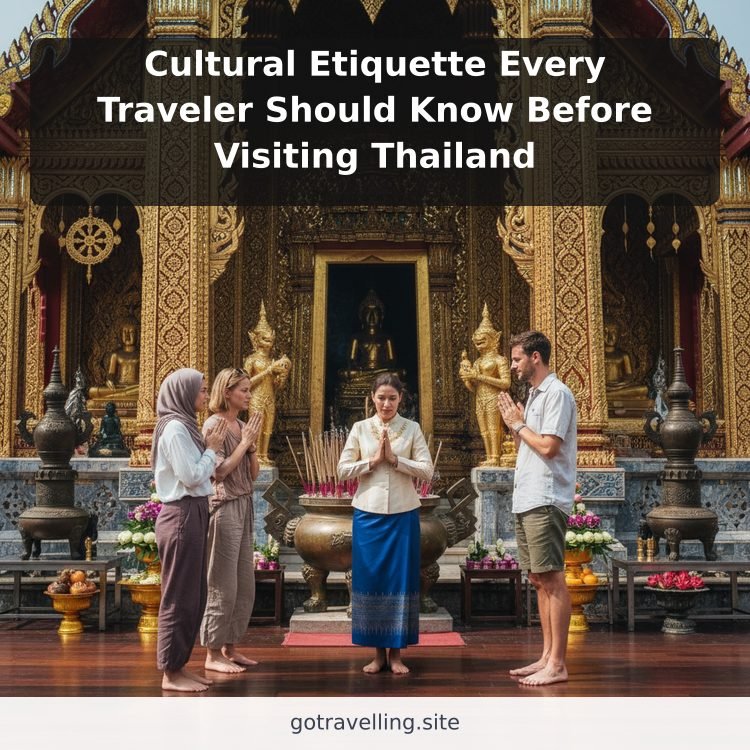
In Thailand, the monarchy and Buddhism are not just institutions; they are deeply ingrained pillars of society, revered with immense respect and devotion by the Thai people. Understanding and honoring these two aspects is fundamental to navigating Thai culture respectfully. The King of Thailand is held in the highest regard, embodying national identity and unity. Any form of disrespect towards the monarchy, whether through speech, actions, or even representations like currency and portraits, is considered a serious offense with severe legal consequences under lèse-majesté laws. Tourists are expected to stand up during the playing of the Royal Anthem, which often precedes movies in cinemas and before some public events. Similarly, Buddhism, with its over 90% adherence rate, permeates every facet of daily life. Sacred objects, temples (wats), and monks are treated with profound reverence. When visiting temples, dress modestly, covering shoulders and knees, and remove your shoes before entering the main prayer halls. Never point your feet at a Buddha image or a monk, as feet are considered the lowest and dirtiest part of the body. Women should never touch a monk, and physical contact should be avoided. These practices are not mere formalities; they reflect centuries of tradition and deep spiritual belief, offering a glimpse into the Thai soul and making your holiday more meaningful.
The Wai: Mastering the Traditional Thai Greeting
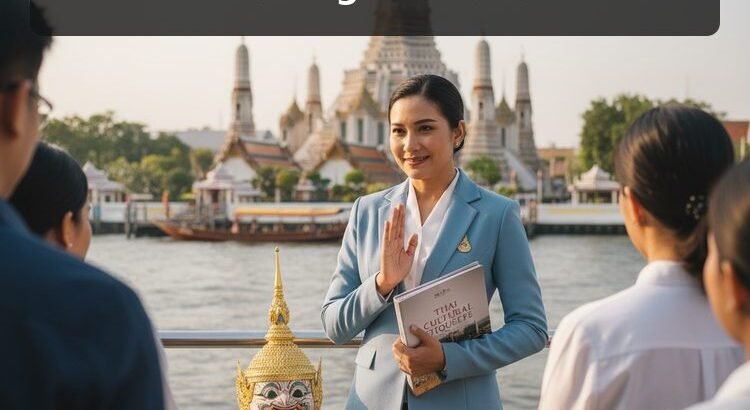
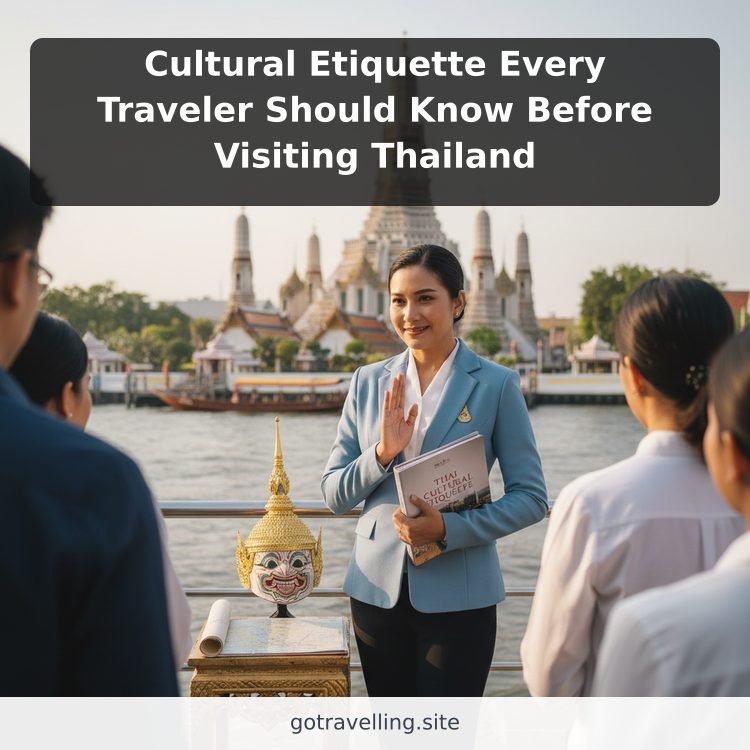
The “Wai” (pronounced “wai”) is the traditional Thai greeting and a gesture of respect that you will encounter countless times during your visit. It involves pressing your palms together in a prayer-like position at chest level, with fingertips touching the nose, and bowing slightly. The height at which the hands are held and the depth of the bow convey varying degrees of respect, depending on the status of the person being greeted. Generally, the younger or lower-status person initiates the Wai, and the elder or higher-status person returns it. When greeting monks, elders, or revered individuals, the hands should be placed higher, sometimes even touching the forehead. However, as a foreigner, you are generally not expected to initiate the Wai with everyone, especially not with street vendors or children. A simple smile and a nod are often sufficient. If someone offers you a Wai, it is polite to return it, even if imperfectly. The Wai is more than just a greeting; it’s a subtle dance of social hierarchy and mutual respect that underpins many interactions in Thai society. Understanding its nuances demonstrates your appreciation for Thai culture and helps foster positive relationships with locals, enriching your travel or holiday experience.
Head and Feet Etiquette: Understanding the Body’s Sacred and Profane
In Thai culture, the head and feet hold significant symbolic meaning, guiding many interactions and dictating certain behaviors. The head is considered the most sacred part of the body, the seat of the soul and intelligence. Therefore, it is considered highly impolite to touch someone’s head, even playfully, including children. A simple pat on the head, which might be a gesture of affection in Western cultures, can be deeply offensive in Thailand. Conversely, the feet are regarded as the lowest and dirtiest part of the body. This belief dictates several important etiquette rules. Never point your feet at anyone, especially not at a Buddha image, a monk, or an elder. When sitting, tuck your feet beneath you or to the side to avoid pointing them at others. Stepping over someone’s legs or food is also considered rude. Furthermore, do not use your feet to point at objects or to move things. When entering a Thai home, a temple, or even some shops, it is customary to remove your shoes at the entrance. Observing these seemingly small details demonstrates profound respect for Thai customs and helps you avoid unintentional offense, ensuring a smooth and enjoyable holiday. Remembering these distinctions is crucial for anyone who wants to fully appreciate their travel while showing proper deference.
Public Displays of Affection and Personal Space
While Thailand is generally a liberal and welcoming country, public displays of affection (PDA) are viewed differently than in many Western societies. Traditional Thai culture values modesty and restraint, especially in public spaces. While holding hands is generally acceptable for couples, passionate kissing or overly intimate gestures are frowned upon and can be seen as inappropriate or even scandalous. This applies to both heterosexual and homosexual couples, as the cultural norms prioritize discretion. Respecting personal space is also important. In crowded areas, accidental brushing or bumping is understood, but deliberate physical contact, especially with strangers, should be avoided. Thais tend to be more reserved in their interactions with people they don’t know well. Giving someone adequate space demonstrates respect. For example, when queuing or standing in a public area, avoid standing too close to the person in front of you. When interacting with someone, it’s considered polite to maintain a slight distance, allowing for personal boundaries. While a warm smile and friendly demeanor are always appreciated, remembering these cultural nuances regarding public affection and personal space will help you navigate social situations more gracefully and make your holiday much more enjoyable, showing respect for local sensibilities while you travel.
Bargaining and Shopping Etiquette: Navigating Thai Markets
Stepping into a bustling Thai market is an experience for the senses, filled with vibrant colors, exotic aromas, and lively chatter. Bargaining, or “tor-long,” is an integral part of the shopping experience in many markets, especially those catering to tourists. However, there’s an art to it that involves politeness, a good sense of humor, and a respectful approach. Do not expect to haggle over prices in department stores, shopping malls, or convenience stores like 7-Eleven, where prices are usually fixed. In street markets and smaller stalls, a friendly negotiation can often lead to a better price. Always start by offering about 50-60% of the initial asking price and be prepared to meet somewhere in the middle. The goal is to reach a mutually agreeable price, not to exploit the vendor. Do not bargain aggressively or become confrontational; this is considered rude and ineffective. A smile, a light-hearted approach, and a willingness to walk away if the price isn’t right are key. Some vendors may prefer if you offer a “bulk” price if buying multiple items. Remember that for many vendors, this is their livelihood, so keep your offers fair. Engaging in polite bargaining can be a fun and authentic part of your travel experience, helping you secure unique souvenirs without overpaying, making your hunt for a cheap flight ticket even more rewarding when you save on local goods. Enjoy your holiday and the thrill of the deal!
Eating and Dining Etiquette: A Culinary Journey with Respect
Thai cuisine is globally celebrated, offering a dazzling array of flavors and textures. Enjoying a meal in Thailand is not just about eating; it’s a social experience steeped in tradition. When dining, you’ll notice Thais typically use a spoon and fork, with the spoon serving as the primary utensil for bringing food to the mouth. The fork is used to push food onto the spoon. Chopsticks are generally reserved for noodle dishes. It’s polite to use communal serving spoons when taking food from shared dishes at the table. Avoid sticking your chopsticks upright in a bowl of rice, as this resembles incense burned for the dead and is considered bad luck. Slurping your noodles loudly is generally acceptable, as it shows enjoyment of the food. In traditional settings, it’s customary to wait for the oldest person at the table to start eating before you begin. Never take the last portion of food from a communal dish without offering it to others, especially if there are elders present. Tipping is not mandatory but appreciated in restaurants, especially in tourist areas; a small amount (around 10%) is usually sufficient. Remember that food is often shared, and it’s considered rude to be overly possessive of your dish. Embracing these dining customs will not only enhance your culinary journey but also demonstrate appreciation for Thai hospitality during your holiday.
Transportation Etiquette: Navigating Thai Roads and Public Transport
Getting around Thailand, whether by tuk-tuk, taxi, bus, or train, can be an adventure in itself. Understanding a few basic etiquette rules can make your journey smoother and more respectful. When taking a taxi or tuk-tuk, it’s always advisable to agree on the fare beforehand or insist on using the meter (for taxis), especially if you want to avoid inflated tourist prices. If a taxi driver refuses to use the meter, it’s best to find another. When riding public transport like buses or the BTS Skytrain/MRT, offer your seat to monks, the elderly, pregnant women, or those with young children. This is considered a common courtesy and a sign of respect. Avoid pointing your feet at others on public transport, especially if seated. Keep your voice low when talking on your phone or with companions to avoid disturbing other passengers. Also, understand that traffic in major cities like Bangkok can be intense, so be prepared for delays and practice patience. Honking is more common and often used as a warning signal rather than an aggressive gesture. When catching a ride, it’s polite to stand slightly away from the curb until your chosen vehicle arrives. These small gestures reflect politeness and awareness, making your travel experience less stressful and more culturally integrated during your holiday.
Visiting Local Homes: Guest Protocols and Gift Giving
If you’re fortunate enough to be invited into a Thai home, it’s a wonderful opportunity to experience genuine Thai hospitality. However, there are specific protocols to observe to show your appreciation and respect. Always remove your shoes before entering, leaving them neatly by the door. This custom is universal and important. It is customary to bring a small gift for the host, such as fresh fruit, sweets, or a small souvenir from your home country. Avoid bringing alcohol unless you are certain the hosts drink it. When presenting the gift, offer it with both hands as a sign of respect. Upon entering, avoid stepping on the threshold, as it is believed to house guardian spirits. When offered refreshments or food, it’s polite to accept. Even if you’re not hungry, take a small portion to show your appreciation. It’s considered impolite to refuse outright. When sitting, be mindful of your feet; try not to point them at anyone or at a Buddha image, which may be present in the home. Keep your voice modulated and avoid loud conversations. A sincere “khop khun krap” (for males) or “khop khun ka” (for females) – thank you – will go a long way. These gestures demonstrate that you value their generosity and respect their traditions, enhancing your holiday experience beyond mere sightseeing.
Bathing Suits and Beach Attire: Dressing Appropriately
While Thailand boasts stunning beaches and tropical paradise islands, understanding appropriate swimwear and beach attire is important, especially when transitioning from the beach to public areas. On the beach itself, standard swimwear (swimsuits, bikinis, swim trunks) is perfectly acceptable. However, away from the immediate beach area, particularly in towns, villages, or when entering shops and restaurants, it’s considered disrespectful to walk around in only swimwear. Always carry a cover-up, a sarong, or a T-shirt and shorts to change into when leaving the sand. Women should avoid walking around shirtless or in very revealing outfits in local communities. While some tourist-heavy areas might be more lenient, adhering to a modest dress code shows respect for local customs and avoids drawing unwanted attention. Thailand, outside of its designated beach resorts, is a relatively conservative country, and dressing modestly reflects an understanding of their cultural sensibilities. This doesn’t mean you need to be fully covered at all times, but a little discretion goes a long way. Being mindful of your attire ensures that your holiday experience remains smooth and respectful, allowing you to enjoy both the sun-drenched beaches and the local communities without cultural missteps. Plan ahead when you buy online flight ticket and choose suitable attire for your travel.
Environmental Awareness and Responsible Tourism
Beyond cultural etiquette, embracing responsible tourism is crucial for preserving Thailand’s natural beauty and supporting its communities. The country’s stunning beaches, lush jungles, and rich marine life are a major draw for visitors, and it’s our collective responsibility to protect them. Always dispose of your trash properly and avoid littering, especially in national parks and marine protected areas. Plastic waste is a significant problem globally, and Thailand is no exception; try to minimize your plastic consumption by carrying a reusable water bottle and shopping bag. When participating in activities involving animals, choose ethical operators that prioritize animal welfare over entertainment. For example, avoid elephant riding and instead opt for sanctuaries that focus on rescue and rehabilitation. Support local businesses and artisans by purchasing locally made products and dining at family-run establishments; this injects money directly into the local economy. Be mindful of water and energy consumption during your stay. Educate yourself about local conservation efforts and consider how your actions impact the environment and local communities. Responsible tourism ensures that future generations can also enjoy the wonders of Thailand, making your holiday not just enjoyable for you, but sustainable for all. This thoughtful approach enhances the overall travel experience, adding another layer of depth to your adventure after you’ve secured your cheap flight ticket.
Navigating Healthcare and Safety: Practical Considerations for Your Trip
While not strictly cultural etiquette, understanding the practical aspects of healthcare and safety is essential for any traveler to Thailand, ensuring a worry-free holiday. Before your trip, consult your doctor about recommended vaccinations and any necessary precautions. It’s highly advisable to purchase comprehensive travel insurance that covers medical emergencies, trip cancellations, and lost luggage. While Thailand has excellent private hospitals, particularly in major cities, medical costs can be high for foreigners without insurance. Be mindful of food and water safety; drink bottled water, avoid ice from questionable sources, and opt for cooked food, especially from street vendors with high turnover. Heatstroke and dehydration are common, so stay hydrated and avoid prolonged exposure to the midday sun. Be aware of common scams, especially in tourist-heavy areas, such as inflated taxi fares or gem scams. Always keep an eye on your belongings, especially in crowded markets or on public transport. Be respectful of local laws and customs, and remember that drug offenses carry extremely severe penalties. Having a basic understanding of Thai phrases for emergencies (like “hospital,” “police,” “help”) can be incredibly useful. Prioritizing your health and safety will allow you to fully enjoy your holiday and create lasting positive memories, ensuring your journey from booking a cheap flight ticket to exploring the country is smooth and secure.
Kesimpulan
Thailand is a land of unparalleled beauty, warm smiles, and a rich cultural heritage that promises an unforgettable holiday experience. By taking the time to understand and respect its unique customs and etiquette, you not only enhance your own journey but also show genuine appreciation for the Thai people and their way of life. From mastering the subtle art of the Wai to observing appropriate temple behavior and understanding the significance of heads and feet, these insights will allow you to navigate the country with grace and confidence. Remember that a friendly smile and a polite demeanor can bridge many cultural gaps. Embrace these traditions, treat the local culture with reverence, and you will find your adventures in Thailand to be far more enriching and meaningful. So, as you plan to buy online flight ticket and look for that perfect flight and hotel package, remember that preparing yourself culturally is as important as packing your bags. Your journey will be smoother, your interactions more genuine, and your memories more profound. Make your next travel an experience of true immersion and respect.