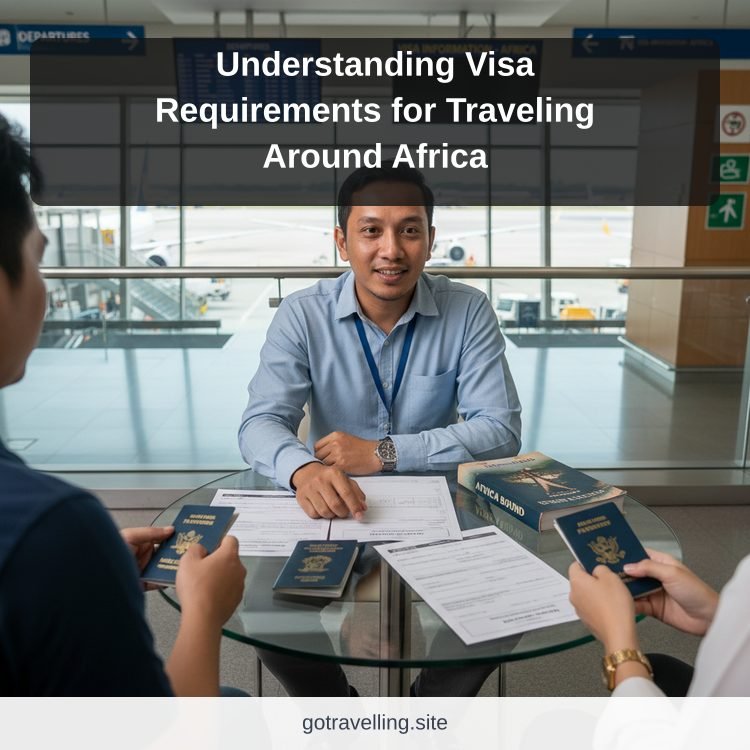
Embarking on a journey across the diverse and enchanting continent of Africa promises an unforgettable adventure, filled with breathtaking landscapes, rich cultures, and unparalleled wildlife encounters. However, before you even begin to dream about booking that affordable flight and hotel package or searching for a killer deal to buy online flight tickets, a critical step often overlooked by eager travelers is understanding the intricate web of visa requirements. Many dream of spontaneous holiday trips, but the reality of international travel, especially across multiple African nations, necessitates careful planning and adherence to specific entry regulations. Navigating these requirements can seem daunting at first glance, leading to potential delays, unexpected costs, or even outright refusal of entry if not handled properly. This article aims to demystify the visa process for travelers wishing to explore Africa, offering comprehensive insights and practical advice to ensure your African escapade is as smooth and stress-free as possible. From understanding different visa types to pinpointing which countries offer visa-free entry or readily available visas on arrival, we’ll equip you with the knowledge needed to confidently plan your pan-African adventure, making your dream holiday a reality without bureaucratic hurdles.
The Basics of African Visa Requirements: A General Overview
Understanding the fundamental principles governing visa requirements for African nations is the first step towards a successful trip. Unlike more standardized regions, Africa presents a varied landscape of entry policies, largely influenced by bilateral agreements, regional blocs, and individual national security concerns. Generally, almost all non-African passport holders will require some form of authorization to enter most African countries. However, the exact nature of this authorization can differ significantly. Some nations offer visa-free entry for specific nationalities, particularly to encourage tourism from key markets or within regional economic communities. Others provide visas on arrival, a convenient option that eliminates the need for pre-trip applications. Then there are countries that mandate a traditional visa application process, requiring travelers to apply at an embassy or consulate in advance, often submitting an array of documents and undergoing an interview. Furthermore, the advent of electronic visas (e-Visas) has streamlined the process for many destinations, allowing applicants to complete the entire procedure online. For instance, countries like Kenya and Rwanda have successfully implemented e-Visa systems, making it significantly easier for tourists to plan their visits. Always remember that visa policies are subject to change without prior notice, making it imperative to consult the official government websites or embassy pages of your destination countries for the most up-to-date information before you even consider searching for a cheap flight ticket.
Visa-Free Travel and Visa on Arrival: Easing Your African Journey
For many travelers, the allure of visa-free travel or the convenience of a visa on arrival can significantly influence their itinerary when planning a holiday. Several African nations actively promote tourism by simplifying entry procedures for a wide range of nationalities. For example, East African Community (EAC) member states like Rwanda, Kenya, and Uganda have made strides in easing travel within the bloc and for international visitors. Rwanda, in particular, offers visa on arrival to citizens of all countries, a progressive policy aimed at boosting its tourism sector. Similarly, Kenya offers e-Visas for most nationalities, which are typically processed quickly and efficiently online. West Africa also presents some straightforward options; many ECOWAS (Economic Community of West African States) citizens enjoy visa-free movement within the region, and some nations extend this courtesy to a limited number of non-African passports. For instance, Seychelles and Mauritius are renowned for their almost universal visa-free policies, making them exceptionally attractive for a hassle-free beach holiday. When planning a multi-country tour, consolidating destinations that share similar, or ideally, more relaxed, visa policies can save considerable time, effort, and expense. Always verify the latest requirements for your specific nationality. While a visa on arrival sounds simple, some countries might still require specific documentation, such as confirmed onward travel, proof of accommodation, or sufficient funds, so it’s never a bad idea to prepare as much as possible, even for seemingly straightforward entry processes. This forethought will give you more peace of mind when you finally locate that perfect cheap flight ticket.
Navigating Traditional Visa Applications: Preparation and Patience
While visa-free travel and visas on arrival offer convenience, many popular African destinations, particularly in North and Southern Africa, still require travelers to obtain a traditional visa in advance. This process typically involves submitting an application at the respective embassy or consulate in your home country or country of residence. Countries like South Africa, Egypt, and Algeria often fall into this category for many nationalities. The application for a traditional visa can be quite comprehensive, demanding a significant amount of preparation and patience. You will usually need to provide your passport (with sufficient validity, often six months beyond your intended departure date, and several blank pages), recent passport-sized photographs, a completed application form, and detailed travel itineraries (including confirmed flight reservations – this is where your efforts to buy online flight ticket come in handy – and hotel bookings). Furthermore, proof of sufficient funds to cover your stay, travel insurance, and an invitation letter (if visiting friends or family) are common requirements. Some consulates may also request bank statements, employment letters, or even a police clearance certificate. The processing times for traditional visas vary wildly, ranging from a few days to several weeks or even months. Therefore, it is absolutely crucial to begin your visa application process well in advance of your planned departure date. Delaying this can cause significant stress, force you to postpone your trip, or even lose out on non-refundable bookings for your dream African holiday. Always consult the official embassy website for the most accurate and up-to-date checklist of required documents and processing times.
The Rise of E-Visas: Streamlining Your Entry to Africa
The digital age has brought significant advancements to international travel, and the electronic visa, or e-Visa, stands out as a game-changer for many aspiring African explorers. An e-Visa essentially allows you to apply for and receive your visa entirely online, eliminating the need to visit an embassy or physically mail your passport. This innovative system greatly simplifies the application process, making it faster, more convenient, and often less bureaucratic than traditional methods. Countries such as Kenya, Uganda, Benin, and Ethiopia have successfully implemented e-Visa systems, making them increasingly popular choices for travelers looking for a hassle-free entry. To apply for an e-Visa, you typically visit the official immigration website of the destination country, fill out an online form, upload required documents (scans of your passport, photos, sometimes flight itineraries or hotel bookings), and pay the fee electronically. Once approved, the e-Visa is usually sent to your email address, which you then print out and present upon arrival. While incredibly convenient, it is paramount to use only the official government websites for e-Visa applications. Numerous third-party websites exist that mimic official sites but charge exorbitant fees or, worse, are fraudulent. Always double-check the URL to ensure you are on the legitimate government portal. The e-Visa system has significantly reduced lead times for visa applications, often processing them within a few days, which provides much-needed flexibility for those last-minute cheap flight ticket deals or spontaneous holiday plans, offering peace of mind to travelers.
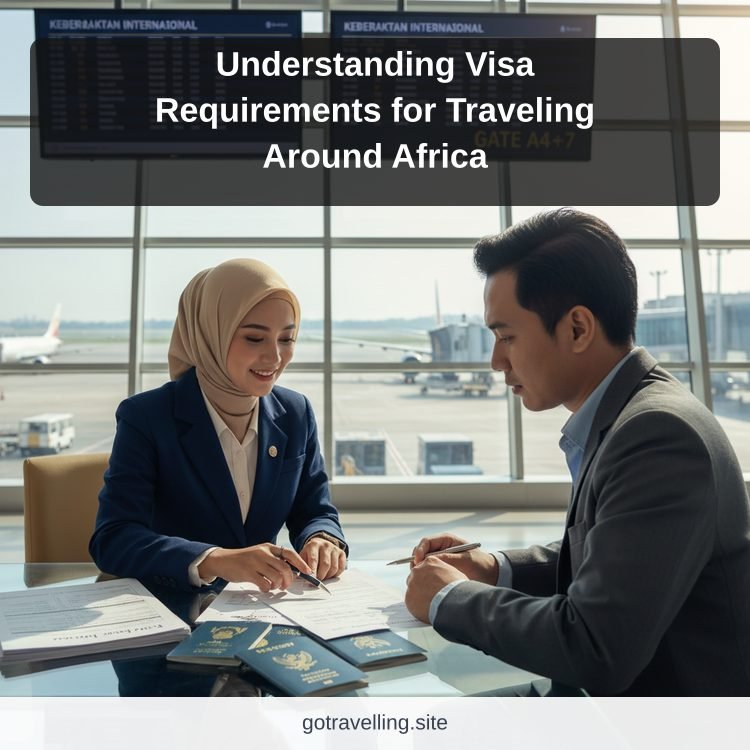
Regional Blocks and Their Impact on African Travel: Case Studies
Understanding the impact of regional economic communities and their associated protocols is key to mastering visa requirements for an African holiday. These blocs often facilitate easier movement for citizens of member states and, in some cases, simplify entry for international visitors through unified visa schemes or relaxed regulations. One prominent example is the East African Community (EAC), comprising Kenya, Uganda, Rwanda, Burundi, South Sudan, and Tanzania. The EAC introduced the East African Tourist Visa, which allows travelers to visit Kenya, Uganda, and Rwanda on a single visa for a duration of up to 90 days. This is a fantastic option for those planning a safari circuit or exploring the stunning landscapes across these three nations. While it doesn’t cover all EAC members, it significantly unifies the visa process for a popular tourist route. Similarly, the Southern African Development Community (SADC) has initiatives to ease travel, though a full common visa like the Schengen for Europe is not yet in place. However, countries like Zambia and Zimbabwe offer a KAZA Uni-Visa for visitors to the Kavango Zambezi Transfrontier Conservation Area, allowing entry into both countries and even covering day trips to Botswana via Kazungula borders. This is a game-changer for exploring Victoria Falls from both sides. West Africa, through ECOWAS, has a protocol for free movement of persons for member states, but this rarely extends to non-African passport holders beyond individual bilateral agreements. When you buy online flight tickets to one of these regions, researching these specific regional visas can save you time and money, making your journey more efficient and enjoyable for your well-deserved holiday.
Beyond the Visa: Health Requirements and Travel Insurance
While securing the correct visa is paramount, a truly comprehensive approach to planning your African trip extends beyond mere entry stamps and electronic approvals. Health requirements, particularly vaccinations, and robust travel insurance are equally crucial for a safe and worry-free holiday. Many African countries, especially those in sub-Saharan Africa, require proof of Yellow Fever vaccination for entry, sometimes only if you are arriving from a country with risk of Yellow Fever transmission. This is typically documented via an International Certificate of Vaccination or Prophylaxis (ICVP), often referred to as a ‘Yellow Card.’ Without it, you could be denied entry or even vaccinated at the border, incurring additional costs and inconvenience. Beyond Yellow Fever, it is highly advisable to consult with a travel health professional well in advance of your trip to discuss other recommended vaccinations (such as Hepatitis A & B, Typhoid, Tetanus, Diphtheria, Measles, Mumps, Rubella) and malaria prophylaxis, depending on your itinerary. Malaria is prevalent in many regions, and preventive medication is often recommended. Furthermore, comprehensive travel insurance is non-negotiable. Africa, while enchanting, can present unforeseen challenges, from medical emergencies and flight cancellations to lost luggage and changes in itinerary. A good policy will cover emergency medical treatment, evacuation, trip interruption, and baggage loss, providing a vital safety net. Before you even search for a cheap flight ticket, ensure you have allocated budget and time for these essential health and safety preparations. A healthy and insured traveler is a happy traveler, ready to fully immerse themselves in the African experience without a shadow of doubt.
Tips for a Smooth Visa Application Process
To ensure your visa application process for an African holiday is as smooth as possible, adherence to several key tips can make a significant difference. Firstly, and perhaps most importantly, start early. Visa processing times can be unpredictable, ranging from a few days for e-Visas to several weeks for traditional applications. Aim to begin your application at least 2-3 months before your intended departure, especially if you require multiple visas or anticipate any complexities. Secondly, organize all your documents meticulously. Create a checklist based on the official embassy or consulate website and gather everything well in advance. This includes your passport, photographs, flight itineraries (confirmations from your efforts to buy online flight ticket), hotel bookings (essential for proving accommodation as part of your flight and hotel package), proof of funds, and any invitation letters. Incomplete applications are a primary cause of delays and rejections. Thirdly, be truthful and consistent with all information provided. Discrepancies can lead to suspicion and complicate your application. Fourthly, double-check all details on your application form for accuracy before submission; a simple typo can cause headaches. Fifthly, be prepared for an interview if required, and understand the purpose of your visit. Lastly, make copies of all submitted documents and keep them safe, both digitally and physically. Staying informed about any changes in visa policy by regularly checking official government websites is also crucial. These proactive steps will not only simplify the process but also alleviate stress, allowing you to focus on the exciting aspects of planning your unforgettable African adventure, confident that your visa requirements are fully met before you take the plunge and buy online flight tickets.
Kesimpulan
Navigating the complex landscape of visa requirements for an African holiday, while initially daunting, becomes manageable with careful planning and an informed approach. We’ve explored the diverse entry policies, from the convenience of visa-free travel and visas on arrival to the thorough preparation needed for traditional applications and the streamlined efficiency of e-Visas. Understanding the nuances of regional blocs, prioritizing health requirements like vaccinations, and securing comprehensive travel insurance are all integral components of a successful trip. The key takeaway is clear: procrastination is the enemy of a smooth African journey. Start your visa research early, gather your documents meticulously, and always consult official government sources for the most accurate and up-to-date information. Whether you’re dreaming of a safari in Kenya or relaxing on the beaches of Zanzibar, proactively tackling these administrative steps will free you to fully immerse yourself in the wonders that await. So, don’t let bureaucratic hurdles deter you from experiencing the magic of Africa. Begin your research today, plan your itinerary with confidence, and soon you’ll be ready to responsibly buy online flight tickets and embark on an unforgettable adventure, having efficiently secured every necessary authorization for your incredible journey. The unparalleled beauty and vibrant cultures of Africa are calling – answer them prepared and ready for a truly exceptional experience.