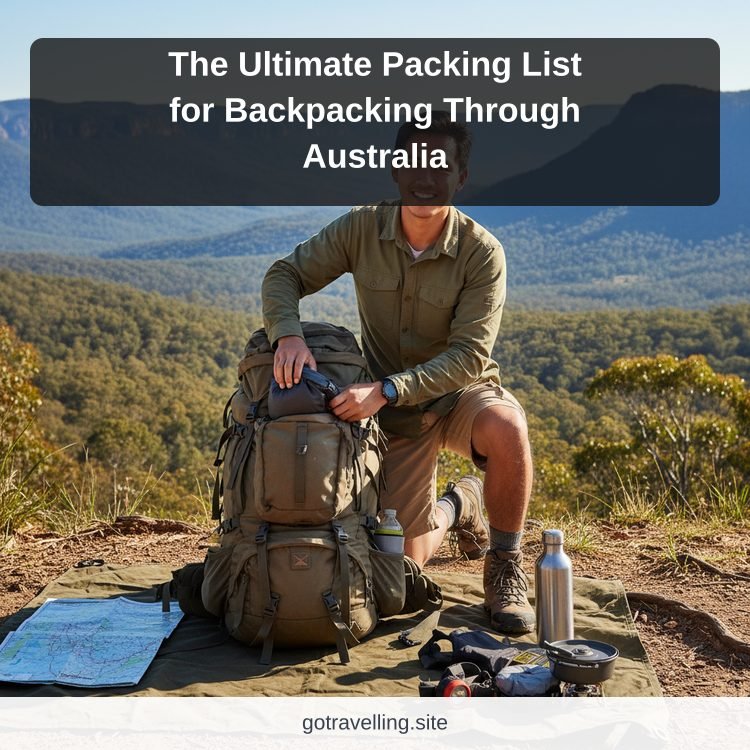
Planning an epic backpacking adventure through Australia is an exciting prospect, filled with visions of sun-kissed beaches, vibrant cities, and untamed wilderness. However, the sheer size and diverse climates of this incredible continent can make packing a daunting task. Many travelers find themselves lugging unnecessary items or, worse yet, realizing they’ve forgotten essentials halfway across the Outback. This comprehensive guide is designed to eliminate that stress, providing you with The Ultimate Packing List for Backpacking Through Australia. Whether you’re planning to buy online flight ticket for a domestic hop, snag a cheap flight ticket to a remote region, or book a convenient flight and hotel package for a city escape, your holiday experience will be significantly enhanced by smart packing. We’ll cover everything from clothing and toiletries to essential documents and tech gadgets, ensuring you’re perfectly prepared for every adventure Australia throws your way, making your travel seamless and enjoyable from start to finish.
Essential Clothing for Every Australian Climate
Australia’s climate varies dramatically across its vast landscape, from scorching deserts to temperate rainforests and even snowy mountains in winter. Therefore, a versatile wardrobe is key. Start with lightweight, breathable fabrics like merino wool or synthetic blends that are quick-drying and odor-resistant, ideal for day-to-day wear and active excursions. Pack a mix of short-sleeved tops, a long-sleeved shirt for sun protection and cooler evenings, and a pair of comfortable shorts. For colder regions or southern states like Tasmania during winter, include a warm fleece or jumper and a waterproof, windproof jacket – crucial for unpredictable weather. A pair of long trousers or convertible pants is also essential; they offer protection from sun, insects, and cooler temperatures. Don’t forget swimwear, regardless of your destination, as Australia is famous for its beaches and water activities. Always consider layering, as this allows you to adapt to fluctuating temperatures throughout the day. Remember, you’ll be on the move, so durable and functional clothing that can withstand various activities, from hiking to city exploration, is paramount.
Footwear and Personal Care: Comfort and Hygiene on the Go
Your feet will be your primary mode of transport through Australia’s diverse landscapes, so comfortable and appropriate footwear is non-negotiable. Begin with a sturdy pair of walking shoes or hiking boots, especially if you plan on exploring national parks or challenging trails. Ensure they are well broken-in before your trip to prevent blisters. Complement these with a pair of comfortable sandals or flip-flops (known as “thongs” in Australia) for beach days, hostel showers, and casual wear. For personal care, pare down your usual routine to essentials. Opt for travel-sized toiletries or decant your favorites into reusable containers to save space and weight. Include reef-safe sunscreen with a high SPF, insect repellent (especially important in tropical areas and during dusk), a small first-aid kit with pain relievers, antiseptic wipes, band-aids, and any personal medications. A quick-drying travel towel is also a game-changer, as it’s lightweight and won’t develop a damp smell. Don’t forget a toothbrush, toothpaste, deodorant, and any specific skincare items you absolutely need. Staying hygienic on the road is crucial for comfort and health, so prioritize these items.
Documents, Money, and Security: Staying Safe Down Under
Before you even think about your holiday adventures, ensuring you have all your vital documents in order is paramount. This includes your passport (with at least six months validity), visa, driver’s license (if you plan to rent a car), and copies of your travel insurance policy. Keep digital copies of everything on a cloud service and on your phone, and consider leaving a physical copy with a trusted person back home. For money, carrying a mix of cash (for small purchases in remote areas) and credit/debit cards is advisable. Inform your bank of your travel plans to avoid card freezing. Consider a travel money card that allows you to load AUD, protecting your main accounts. Security is also key: invest in a good quality backpack with lockable zippers, and consider a small daypack that can be securely worn on your front in crowded areas. A travel-sized padlock is handy for hostel lockers. It’s also wise to have an emergency contact list, both digitally and physically, in case your phone battery dies. Being prepared with these essentials will allow you to relax and enjoy your journey without unnecessary stress, whether you’re navigating bustling city markets or serene coastal towns.
Tech and Entertainment: Staying Connected and Keeping Busy
In today’s interconnected world, staying powered up and having entertainment options can significantly enhance your backpacking experience. First and foremost, a universal travel adapter is crucial, as Australia uses Type I power outlets. Bring a portable power bank to charge your devices on the go, especially when you’re in remote areas or don’t have immediate access to power points. Your smartphone will likely be your primary tool for navigation, communication, and photography, so protect it with a sturdy case. Consider downloading offline maps and essential travel apps (like currency converters, translation tools, and public transport guides) before you leave. A compact digital camera if you’re keen on photography, or a GoPro for action shots, can capture amazing memories beyond your phone’s capabilities. Don’t forget chargers for all your devices, and consider bringing a multi-port USB charger to minimize the number of plugs. For entertainment during long journeys or quiet evenings, a good book (or e-reader), headphones, and offline content like movies or podcasts can be lifesavers. A small headlamp or flashlight is also invaluable for navigating hostels at night or exploring caves. While it’s tempting to bring all your gadgets, remember that minimalism is often best for backpacking; prioritize functionality and practicality over excess to minimise weight.
Miscellaneous Essentials and Smart Packing Tips
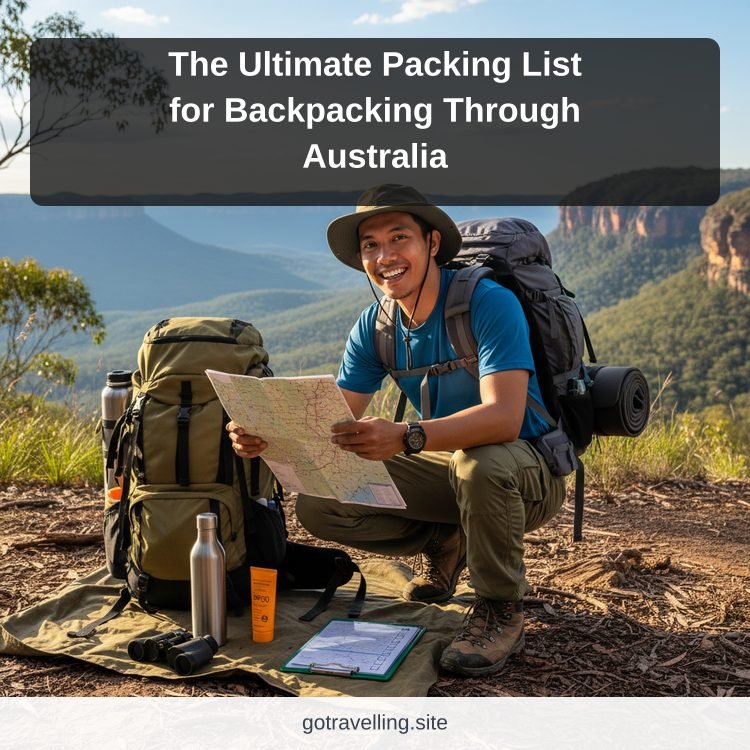
Beyond the core categories, a few miscellaneous items and smart packing strategies can make a big difference to your backpacking holiday. A reusable water bottle is an absolute must-have; staying hydrated is vital, and you’ll save money and reduce plastic waste. A small, quick-drying microfiber towel, mentioned earlier, is excellent for quick dips in the ocean or hostel showers. Don’t underestimate the utility of zip-lock bags and packing cubes; they help organize your backpack, compress clothing, and keep wet items separate from dry ones. A comfortable neck pillow and eye mask can be a blessing on long bus or plane journeys, especially if you snagged a cheap flight ticket with basic amenities. Consider a small, lightweight daypack for daily excursions, leaving your main backpack secure at your accommodation. For those planning to cook, a spork or reusable cutlery set can come in handy. Always pack a small sewing kit for minor repairs. When packing, roll your clothes tightly—it saves space and minimizes wrinkles. Position heavier items at the bottom of your backpack, close to your back, to maintain balance and reduce strain. Leave some space for souvenirs! Before you finalize your packing, check the baggage allowance for any domestic flights or tours, especially if you plan to buy online flight ticket for internal travel. Being prepared with these small but significant additions and employing smart packing techniques will make your Australian adventure much smoother and more enjoyable, allowing you to focus on the incredible experiences rather than logistics.
Addressing Specific Australian Adventures: Beyond the Basics
Australia offers an incredible array of specific adventures, each requiring a slightly tailored packing approach. If your holiday involves extensive hiking in national parks like the Blue Mountains or Tasmania’s Overland Track, consider bringing a proper hiking backpack (if your general backpack isn’t suitable), trekking poles, and reliable waterproof gaiters. You might also need a camelbak or larger water bladder for carrying ample hydration. For those venturing into the Outback or remote areas, a wide-brimmed hat, sturdy insect-proof clothing, and a detailed physical map (as phone reception can be non-existent) become paramount. A personal locator beacon (PLB) is a wise, potentially life-saving investment for truly isolated treks. If you’re planning a surf trip or spending significant time on the beach, a rashvest for sun protection and a quick-drying beach towel are essential. For diving or snorkeling, while gear can often be rented, some prefer their own mask and snorkel for comfort. Visiting tropical regions like North Queensland means preparing for humidity and potential heavy rain; lightweight rain gear and fast-drying clothes are key. Conversely, if you plan to hit the ski slopes in the Australian Alps (yes, Australia has snow!), you’ll need appropriate winter clothing, including thermal layers, gloves, and a warm hat. Even if you’ve booked a flight and hotel package that suggests a relaxed itinerary, it’s always worth checking for specific activity requirements. Always research the specific conditions and requirements for your planned activities and locations, as a little foresight can save a lot of discomfort or costly last-minute purchases on your travels.
Sustainability and Mindful Travel: Packing with Purpose
Embracing sustainability in your packing choices not only benefits the environment but often makes your travel experience more efficient and conscious. Start by opting for reusable items wherever possible. A reusable water bottle and coffee cup drastically reduce plastic waste, which is particularly important in Australia’s pristine natural environments. Carry a reusable shopping bag to avoid single-use plastic bags when buying groceries or souvenirs. When selecting toiletries, look for solid bars (shampoo, soap, conditioner) to minimize liquid waste and reduce the risk of leaks in your backpack. Choose reef-safe sunscreen and insect repellent to protect Australia’s delicate marine ecosystems, especially if you plan to swim in the Great Barrier Reef. Consider clothing made from sustainable materials like organic cotton, hemp, or recycled synthetics. Packing light is inherently sustainable, as it reduces your carbon footprint for transportation, especially if you’re frequently taking a cheap flight ticket between destinations. Rather than buying new gear for every trip, invest in durable, high-quality items that will last for many adventures. Support local businesses by buying local products and souvenirs made ethically. A mindful approach to your holiday packing extends beyond what you bring; it influences how you interact with the destination and its resources. By making conscious choices, you contribute to preserving Australia’s natural beauty for future generations of travelers, ensuring your impact is as positive as your experience.
Health and Safety Beyond the First-Aid Kit: Proactive Preparation
While a basic first-aid kit is crucial, comprehensive health and safety preparation for your Australian holiday extends much further. Before you embark on your journey, especially if you’ve secured a flight and hotel package or a cheap flight ticket for international travel, consult your doctor about recommended vaccinations and any necessary preventative medications, such as anti-malarials if you’re venturing into specific remote tropical areas (though malaria risk in main tourist areas of Australia is very low). Ensure you have adequate travel insurance that covers medical emergencies, evacuations, and potentially lost belongings. This is an absolute non-negotiable for any international travel. If you have pre-existing medical conditions, carry a doctor’s letter detailing your condition and prescribed medications, along with enough supply for your entire trip plus a few extra days. Be aware of Australia’s intense sun; in addition to sunscreen, pack a wide-brimmed hat and sunglasses with good UV protection. Familiarize yourself with common Australian wildlife, such as snakes, spiders, and jellyfish, and know basic safety precautions. Always swim between the flags at patrolled beaches. Learn about heatstroke symptoms and prevention, especially if you’re travelling to warmer regions or during summer. Have emergency contact numbers saved in your phone and written down elsewhere. Being proactive about your health and safety allows you to enjoy Australia’s wonders with peace of mind, knowing you’ve taken steps to mitigate potential risks and ensure a smoother vacation.
Kesimpulan
Embarking on a backpacking holiday through Australia is an extraordinary journey that promises unforgettable memories. By meticulously planning your packing, you can significantly enhance your experience, ensuring comfort, safety, and readiness for every adventure that comes your way. This ultimate packing list addresses the diverse needs of travellers, from essential clothing for varied climates to crucial documents, personal care items, and tech gear, all designed to make your journey smoother. Remember, while a cheap flight ticket or a well-researched flight and hotel package gets you there, smart packing empowers you to truly immerse yourself in the destination without unnecessary burdens. By prioritizing versatile, durable, and practical items, alongside a mindful approach to sustainability, you’ll be perfectly prepared for the vast landscapes and vibrant culture of Australia. So, pack smart, travel light, and get ready for the holiday of a lifetime. Your meticulously prepared backpack is your ticket to seamless exploration, allowing you to focus purely on the incredible experiences awaiting you across this magnificent continent. Begin your adventure right, by getting your packing list perfected today!