Planning a much-anticipated holiday often involves dreaming of breathtaking landscapes, unique cultural experiences, and unforgettable adventures. However, the excitement can quickly turn into apprehension if you’re not adequately prepared, especially when journeying to a destination as extraordinary and distinct as Iceland. Known for its dramatic volcanic scenery, geysers, hot springs, and the Northern Lights, the ‘Land of Fire and Ice’ promises an unparalleled travel experience. But before you get swept away by visions of glaciers and black sand beaches, understanding the practicalities and nuances of Icelandic travel is crucial. From navigating the unpredictable weather to budgeting for what can be an expensive trip, thorough preparation is key to ensuring your Icelandic holiday is as smooth and enjoyable as possible. This article aims to equip you with essential knowledge, helping you buy online flight ticket with confidence and plan the perfect adventure to this Nordic wonderland, ensuring your cheap flight ticket doesn’t lead to unexpected costs once you arrive.
Planning Your Flight and Hotel Package: Maximizing Your Budget and Experience
Venturing to Iceland requires more than just spontaneity; it demands strategic planning, especially when it comes to securing your travel arrangements. One of the most significant initial steps is to research and book your flights and accommodation well in advance. For many travelers, opting for a comprehensive flight and hotel package can be a game-changer. These packages often bundle airfare with hotel stays, sometimes including car rentals or tours, providing a more streamlined and potentially cost-effective solution compared to booking each component separately. Websites like Expedia, Booking.com, and specific airline vacation portals (e.g., Icelandair Holidays) specialize in offering such bundles. For instance, a quick search on a reputable travel aggregator might reveal a package deal for a week-long stay in Reykjavik, including round-trip airfare from a major European or North American city, and accommodation at a mid-range hotel, all for a price significantly lower than if booked individually. Always compare multiple platforms before committing, and pay close attention to what exactly is included in the package. Some may offer flexible cancellation policies, which can be invaluable given unforeseen circumstances. Additionally, consider the time of year you plan to visit. Peak seasons, like summer (June-August) when the Midnight Sun dominates, or late autumn/early spring for optimal Northern Lights viewing, will naturally have higher prices. Traveling during the shoulder seasons (May, September, October) can often provide a better balance between cost and weather, making your holiday more affordable without sacrificing too much on the experience.
Understanding Iceland’s Ever-Changing Climate and Packing Essentials
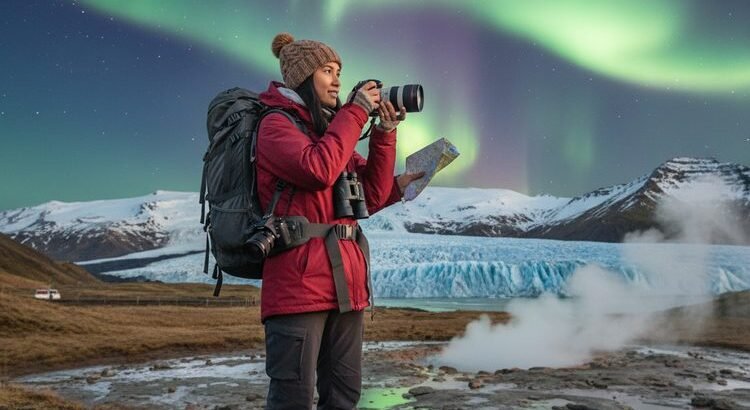
Iceland’s weather is notoriously fickle and can shift dramatically within a single day, or even within hours, often described with the saying: “If you don’t like the weather, just wait five minutes.” This unpredictability is a crucial factor to consider when preparing for your trip. Even in summer, you can experience all four seasons in one day – sunshine, rain, strong winds, and even a touch of hail are not uncommon. Therefore, the key to comfortable travel in Iceland is layering. Forget about stylish light jackets; think practical, waterproof, and windproof outer layers. For example, a typical packing list should include multiple thermal base layers (merino wool is excellent), a fleece or down mid-layer for insulation, and a robust waterproof and windproof jacket and trousers. Good quality hiking boots that are waterproof and offer ankle support are absolutely essential, as you’ll likely be walking on uneven terrain, near waterfalls, and across potentially muddy or icy paths. Don’t forget warm headwear, gloves, and thick socks. Sunscreen and sunglasses are also important, even on cloudy days, as the UV index can still be high, especially near snow and ice, and glare can be intense. For those planning a winter visit in pursuit of the Northern Lights, extreme cold weather gear is paramount, including insulated jackets, hats that cover the ears, and specialised gloves. Regardless of the season, packing smart means being prepared for anything Mother Nature throws your way, ensuring your holiday is enjoyable and comfortable, no matter the conditions.
Navigating Transportation: Rental Cars, Buses, and Domestic Flights
Exploring Iceland effectively necessitates a good understanding of its transportation options. While Reykjavik is walkable and has a decent public bus system, venturing beyond the capital requires more planning. For many, a rental car is the preferred mode of transport, offering unparalleled freedom and flexibility to explore the Ring Road and other scenic routes at your own pace. However, it’s not as simple as booking any car. Consider the time of year and your intended itinerary. If you plan to drive into the Highlands (F-roads), a 4×4 vehicle is legally required and highly recommended for safety due to rough gravel roads and river crossings. Even for the Ring Road, gravel sections are common, so robust tires are a plus. Be aware of additional insurance options recommended for Iceland, such as gravel protection and sand and ash protection, which cover damages specific to the Icelandic environment. For example, a common mishap is a stone kicking up from another car and cracking your windshield, or volcanic ash causing paint damage. Fuel costs are high, and gas stations can be sparse, especially outside major towns, so plan your routes accordingly. Alternatively, for those who prefer not to drive, an extensive network of tour buses operates from Reykjavik, covering all major attractions like the Golden Circle, the South Coast, and the Snaefellsnes Peninsula. These are often included in a flight and hotel package or can be booked separately. For longer distances or time constraints, domestic flights, operated mainly by Icelandair and Eagle Air, connect Reykjavik to towns like Akureyri in the North and Egilsstaðir in the East. While quick, they tend to be more expensive than driving or taking a bus, but can save significant travel time, especially for a shorter holiday.
Budgeting for Iceland: Understanding High Costs and Saving Strategies
Iceland has a reputation for being an expensive travel destination, and this is largely accurate. Understanding where your money will go and implementing saving strategies is crucial for an enjoyable trip without financial stress. Accommodation, food, and activities are typically the biggest expenses. For example, a basic meal in a restaurant can easily cost upwards of 25-30 EUR per person, and even a cup of coffee might set you back 5-6 EUR. Hotel rooms in Reykjavik can start from 150-200 EUR per night for a mid-range option, escalating significantly for more luxurious stays. To mitigate these costs, consider self-catering options. Grocery stores like Bónus and Krónan offer more affordable prices for food, allowing you to prepare breakfasts and some dinners, especially if your accommodation has kitchen facilities. For example, buying ingredients for sandwiches for lunch on the go rather than eating out every day can save hundreds of euros over a week. For tours and activities, research and book in advance. Many popular attractions, like the Blue Lagoon, require pre-booking and can be cheaper if secured well in advance. Look for combination tours that offer discounts for multiple activities. For transportation, car rental can be costly, but splitting the cost among travel companions makes it more economical. Public geothermal pools, like those found in local towns, are a fraction of the price of the more famous Blue Lagoon and offer a similar authentic experience. Alcohol is heavily taxed and very expensive due to state monopoly, so if you drink, buying it at duty-free upon arrival at Keflavík Airport is a common strategy. Remember, while Iceland is pricey, careful planning and smart choices can significantly reduce your overall expenditure, allowing you to focus on the unique experiences of your holiday.
Essential Icelandic Etiquette, Safety Tips, and Responsible Tourism
To truly appreciate Iceland and ensure a respectful and safe journey, understanding local customs, safety protocols, and the principles of responsible tourism is paramount. Icelanders are generally reserved but friendly and appreciate visitors who respect their land and culture. Always obey signs, especially those regarding environmental protection or restricted areas. For instance, walking off marked paths in sensitive areas like moss fields or around hot springs can cause irreparable damage to the fragile ecosystem; a single footprint on moss can take decades to disappear. When driving, adhere strictly to speed limits and be mindful of road conditions, especially wind gusts which can be strong enough to damage car doors if opened carelessly. Never stop on the side of the road for photos unless there is a designated pull-off, as this is incredibly dangerous on busy routes like the Ring Road. Regarding safety, the unpredictable weather means checking the weather forecast daily, particularly if you are hiking or driving long distances. The website en.vedur.is is an excellent resource for real-time weather and road conditions. Always inform someone of your hiking plans and estimated return time, and do not underestimate the power of the ocean – the infamous Reynisfjara black sand beach, for example, has powerful sneaker waves that can sweep people out to sea. In terms of responsible tourism, “Leave No Trace” principles are vital: pack out everything you pack in, dispose of waste properly, and avoid disturbing wildlife. Supporting local businesses and buying local products also contributes positively to the Icelandic economy. By being a mindful and prepared traveler, you not only ensure your own safety and enjoyment but also help preserve Iceland’s unique beauty for future generations to experience on their own incredible holiday.
Beyond the Essentials: Unique Experiences and Local Insights
While the major attractions like the Golden Circle, the South Coast, and the Blue Lagoon are undoubtedly spectacular, Iceland offers a wealth of unique experiences that delve deeper into its culture and natural wonders. Don’t be afraid to venture off the beaten path – responsibly, of course. For example, consider exploring the Westfjords, a remote and rugged region known for its dramatic fjords, towering bird cliffs like Látrabjarg, and quaint fishing villages. Or head to the Eastfjords, a quieter area with stunning coastal drives and a chance to spot wild reindeer. Taking a dip in lesser-known hot springs, often found in picturesque, secluded locations, can offer a more authentic and tranquil experience than the more commercialized options. For culinary adventurers, trying traditional Icelandic dishes is a must. Beyond the famous hot dogs (pylsur), sample fermented shark (hákarl) – brace yourself!, delicious lamb soup (kjötsúpa), or fresh seafood stews. Visiting a local swimming pool is also a fantastic way to experience Icelandic daily life; these pools are not just for swimming but are important social hubs. If you’re passionate about geology, consider a lava tunnel tour to walk through underground formations created by ancient volcanic eruptions. For literature buffs, Iceland has a rich saga tradition; visiting museums and historical sites related to the sagas provides fascinating insight into the country’s heroic past. Engaging with locals, perhaps by staying at a guesthouse or small family-run hotel, can also lead to invaluable insider tips and a deeper connection to the culture. Remember, while your flight and hotel package might cover the basics, these unique diversions are what transform a good trip into an unforgettable holiday, creating stories and memories that will last a lifetime.
Kesimpulan
Embarking on a holiday to Iceland is an extraordinary journey that promises awe-inspiring landscapes and unparalleled experiences. From the moment you decide to buy online flight ticket until your return, thoughtful preparation is your best companion. We’ve covered everything from optimizing your budget with a cheap flight ticket or a comprehensive flight and hotel package, understanding the unpredictable weather, navigating transportation, managing costs, to embracing responsible tourism. Iceland’s unique charm lies in its raw, untamed nature and rich cultural heritage, which demands respect and readiness from its visitors. By taking the time to plan your itinerary, pack appropriately, anticipate expenses, and engage respectfully with the environment and local customs, you set yourself up for a truly unforgettable adventure. Don’t let the practicalities overshadow the excitement; instead, let them empower you to explore this ‘Land of Fire and Ice’ with confidence and wonder. So, what are you waiting for? Start planning your dream Icelandic holiday today and prepare to be mesmerized by its unparalleled beauty and magic. Your incredible journey awaits!