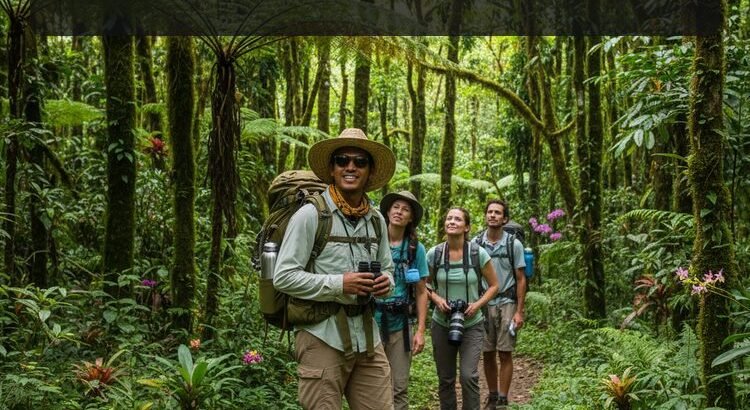
Thinking about your next holiday destination and dreaming of pristine beaches, lush rainforests, and vibrant wildlife? Costa Rica undoubtedly comes to mind. This Central American gem has long been lauded for its breathtaking natural beauty and its pioneering approach to conservation. However, as tourism continues to grow, so does the imperative to travel sustainably and responsibly. Many travelers want to experience these wonders without leaving a negative footprint, and rightly so. The challenge lies in understanding how to make conscious choices, from the moment you decide to buy online flight ticket to your everyday activities on the ground. This article will guide you through practical steps and insightful tips on how to ensure your Costa Rican holiday contributes positively to its environment and local communities, helping you find a cheap flight ticket and an incredible trip while being a responsible global citizen. We’ll explore everything from eco-friendly accommodations to ethical wildlife encounters, paving the way for a truly impactful and memorable journey.
Understanding Costa Rica’s Commitment to Conservation
Costa Rica is a global leader in environmental conservation, with over 25% of its land protected in national parks and reserves. This commitment isn’t merely a political statement; it’s deeply ingrained in the nation’s identity, embodied by the philosophy of “Pura Vida.” This ethos extends to its tourism sector, which actively promotes eco-tourism and sustainable practices. The country has ambitious goals, aiming for decarbonization and operating on nearly 100% renewable energy. Tourists have a significant role to play in supporting these efforts. For instance, choosing accommodations that are certified by the Certification for Sustainable Tourism (CST) program directly contributes to businesses that meet stringent environmental, social, and economic standards. These certifications aren’t just labels; they represent tangible actions, such as water conservation, waste management, and fair labor practices. When you plan your travel, whether you’re looking for a good package deal for a flight and hotel package or simply a cheap flight ticket, understanding and prioritizing these local efforts can make a world of difference. It’s about more than just enjoying the scenery; it’s about participating in its preservation.
Choosing Eco-Friendly Accommodation and Services
One of the most impactful decisions you can make for a sustainable holiday in Costa Rica is your choice of accommodation and supporting services. Look for hotels, lodges, and tour operators that proudly display certifications like the Certification for Sustainable Tourism (CST) mentioned earlier. The CST program evaluates businesses based on their management policies, environmental impact, client relations, and socioeconomic benefits to local communities. For example, a CST-certified hotel might use solar panels for water heating, recycle all waste diligently, source food from local farms, and employ staff from nearby villages, ensuring that economic benefits remain within the community. When you book a flight and hotel package, make an effort to verify if the included accommodations adhere to these principles. Many eco-lodges in Costa Rica, such as Pacuare River Lodge, operate entirely off-grid, using renewable energy and composting systems, while offering luxurious yet sustainable experiences. Other examples include places like Hotel Punta Islita, Autograph Collection, which integrates art and environmental initiatives into its guest experience, providing jobs and creative outlets for local residents. Don’t be afraid to ask potential accommodations about their sustainability practices before you finalize your booking, as this transparency helps drive positive change throughout the industry, encouraging more businesses to adopt responsible practices. Opting for locally-owned businesses, even if not formally certified, also helps ensure that your tourism dollars directly benefit the Costa Rican economy, rather than multinational corporations.
Ethical Wildlife Encounters and Respect for Nature
Costa Rica’s incredible biodiversity is undoubtedly a major draw for any holiday, making ethical wildlife encounters a cornerstone of responsible tourism. The key is to observe animals in their natural habitats without disturbing them. Avoid attractions that promote handling wild animals, or those where animals are kept in unnatural or cramped conditions purely for human entertainment. For instance, reputable tour operators will emphasize viewing sloths, monkeys, and birds from a respectful distance, using binoculars or telephoto lenses. They will also educate you about animal behavior and the importance of not feeding wild animals, as this can alter their natural foraging habits and lead to dependence on humans, making them vulnerable. National parks and biological reserves, such as Manuel Antonio National Park or Corcovado National Park, offer guided tours with naturalists who are trained to spot wildlife without causing disruption, providing invaluable insights into the ecosystem. Always choose tours that explicitly state their commitment to ethical practices and small group sizes to minimize impact. Be wary of any tour that guarantees close contact or allows petting. For marine life, such as whale and dolphin watching, select operators who adhere to strict guidelines regarding boat speed, distance from animals, and duration of observation, ensuring the animals’ well-being is prioritized. If you’re looking to buy online flight ticket for a nature-focused holiday, research these tours ahead of time to ensure they align with your ethical values. Supporting accredited scientific research projects or genuine wildlife rescue centers, where rehabilitation and release are the primary goals, is another excellent way to contribute positively to animal welfare in Costa Rica.
Reducing Your Environmental Footprint
Minimizing your environmental footprint during your Costa Rican holiday goes beyond just choosing eco-friendly hotels; it encompasses your daily choices and consumption patterns. A fundamental step is to reduce waste, especially plastic. Costa Rica is making strides towards becoming plastic-free, and you can support this by carrying a reusable water bottle and refilling it whenever possible. Many hotels and restaurants offer filtered water stations. Decline plastic straws, bags, and single-use containers. When you buy online flight ticket, consider offsetting your carbon emissions – some airlines offer this option directly. Once in Costa Rica, prioritize public transportation, such as buses, or carpool with other travelers. If renting a car, opt for smaller, more fuel-efficient models. Conserve water and electricity in your accommodation; simple actions like turning off lights and air conditioning when you leave a room, and taking shorter showers, can significantly reduce resource consumption. Be mindful of what you flush down toilets, especially in rural areas where septic systems may be less robust. Use reef-safe sunscreen if you plan on swimming or snorkeling, as conventional sunscreens contain chemicals harmful to coral reefs and marine life. For instance, when visiting the vibrant coral reefs off the Caribbean coast, using mineral-based sunscreens (zinc oxide or titanium dioxide) helps protect these fragile ecosystems. Choosing a flight and hotel package that promotes sustainable travel means also adopting sustainable practices during your entire stay, from packing light to minimize fuel consumption on flights to carefully managing your waste. Remember, every individual choice, no small matter how inconsequential it seems, collectively helps preserve Costa Rica’s natural wonders for future generations to enjoy.

Supporting Local Communities and Economies
A truly responsible holiday in Costa Rica also means ensuring that your economic contributions directly benefit local communities. This approach helps to foster sustainable development and provides economic incentives for conservation. One effective way to do this is by patronizing locally-owned businesses – from small guesthouses and restaurants to artisan shops and tour guides. For example, instead of eating only at your hotel’s restaurant, venture out to a “soda,” a traditional Costa Rican eatery, where you can enjoy authentic cuisine at affordable prices and support local families directly. Purchase souvenirs from local artisans rather than mass-produced items, ensuring that traditional craftsmanship thrives. When booking tours, opt for local guides who possess invaluable knowledge of the area’s ecology and culture, and whose livelihoods depend on tourism. Many communities, such as those around La Fortuna or Monteverde, have developed community-based tourism initiatives where locals manage and operate various services, ensuring that the profits stay within the community. Don’t be afraid to engage with locals; learn a few basic Spanish phrases, ask questions about their culture, and show genuine interest. For instance, taking a cooking class with a local family or participating in a coffee plantation tour run by small-scale farmers provides a deeper cultural immersion while directly supporting their economic well-being. Even if you’ve found a cheap flight ticket and are traveling on a budget, consciously allocating your spending to local enterprises can significantly amplify your positive impact. By investing in the people and their businesses, you help create a more equitable and sustainable tourism model that benefits everyone involved, fostering a deeper connection between visitors and the host country. Remember that ethical consumerism is a potent force for positive change.
Engaging in Responsible Cultural Practices
Beyond ecological considerations, responsible travel in Costa Rica also involves respecting and engaging with its rich culture. Understanding and appreciating local customs, traditions, and social norms can greatly enhance your holiday experience while demonstrating your respect for your host country. Learn some basic Spanish phrases; a simple “Hola” or “Gracias” goes a long way in building rapport with locals. Be mindful of dress codes, especially when visiting religious sites or conservative rural areas; modest attire is generally appreciated. Research local etiquette regarding photography – always ask for permission before taking pictures of people, particularly children. Embrace “Pura Vida,” the ubiquitous Costa Rican philosophy that embodies a relaxed, optimistic, and appreciative approach to life. This isn’t just a saying; it’s a way of living that prioritizes well-being, community, and connection with nature. For example, when you engage in conversations, try to adopt a more laid-back attitude, avoid rushing, and appreciate the moment, as locals do. Be open to trying traditional food and participating in local festivities if the opportunity arises. Remember that your interactions with locals can significantly shape their perception of tourists; being polite, respectful, and genuinely interested in their way of life leaves a positive impression. Avoid making assumptions or comparing Costa Rican customs unfavorably to your own. Support cultural preservation efforts by visiting museums, historical sites, and cultural centers. By actively participating in and respecting the local culture, you move beyond being a mere spectator and become a temporary, responsible member of the community, enriching both your holiday and the local experience. This cultural humility is just as crucial as environmental stewardship for a truly sustainable and responsible journey.
Navigating Transportation Sustainably in Costa Rica
Choosing sustainable transportation options is another vital aspect of minimizing your environmental footprint during your Costa Rican holiday. While renting a car offers flexibility, it’s often not the most eco-friendly choice. Costa Rica has a relatively extensive and affordable public bus system that connects most major towns and tourist destinations. For instance, buses are a popular and economical way to travel between San José and coastal towns like Jacó, Quepos, or Liberia. Embracing this mode of transport not only reduces carbon emissions per passenger but also provides a more authentic local experience, allowing you to interact with Costa Ricans and immerse yourself in daily life. For longer distances or when traveling with a group, consider shared shuttle services. Companies like Interbus or Caribe Shuttle offer comfortable and reliable door-to-door services between popular tourist spots, which are more environmentally friendly than individual taxis and more convenient than multiple bus transfers. If your itinerary involves shorter distances or exploring within towns, walking or cycling are excellent, zero-emission choices and provide an opportunity to experience your surroundings more intimately. Many eco-lodges and tourist areas offer bicycle rentals. When booking a flight and hotel package, inquire about airport transfers and whether shared options are available. If you absolutely need a car for specific remote adventures, opt for the smallest, most fuel-efficient vehicle that meets your needs, and consider carpooling with fellow travelers to reduce the number of vehicles on the road. In certain areas, boat travel (e.g., to Tortuguero or for whale watching tours) is essential, and here it’s crucial to select operators who prioritize fuel efficiency and minimize wake, ensuring minimal disturbance to aquatic ecosystems. Every choice, from a cheap flight ticket to your daily commute, impacts the planet.
Preparing for Your Sustainable Journey
Proactive preparation is key to ensuring a sustainable and responsible holiday in Costa Rica. Before you even buy online flight ticket, take time to research the regions you plan to visit. Understand their unique ecosystems, cultural sensitivities, and any specific conservation initiatives in place. Educate yourself on responsible tourism guidelines specific to Costa Rica. Packing smartly is also crucial: bring reusable items like a water bottle, shopping bag, and coffee cup to avoid single-use plastics. Choose quick-drying, lightweight clothing to reduce laundry needs. Pack reef-safe sunscreen and environmentally friendly toiletries (biodegradable soap, shampoo, etc.) to minimize water pollution. Consider investing in a water filter bottle to ensure safe drinking water everywhere without buying bottled plastic. When planning your itinerary, allocate sufficient time in each location to reduce the need for frequent, high-impact travel, allowing you to delve deeper into local experiences. Look for flight and hotel package deals that highlight eco-certification or sustainability. If you tend to find a cheap flight ticket, remember to balance cost with the airline’s environmental policies if possible. Prepare to adopt a slower pace, embracing the “Pura Vida” lifestyle. This includes being patient with service, understanding that things might operate on “Tico time,” and enjoying the present moment without feeling rushed. Inform yourself about local waste disposal practices and aim to “pack it in, pack it out” for remote areas. Your preparation isn’t just about making your trip smoother; it’s about equipping yourself with the knowledge and tools to be a conscientious traveler from the moment you embark on your journey. Being well-prepared demonstrates respect for your destination and empowers you to make thoughtful decisions throughout your entire holiday.
Conclusion
Embarking on a holiday to Costa Rica offers an unparalleled opportunity to connect with nature and experience a vibrant culture. By choosing to travel sustainably and responsibly, from the moment you decide to buy online flight ticket to your daily adventures, you not only enhance your own experience but also contribute directly to the preservation of this incredible country’s biodiversity and the well-being of its communities. Remember to prioritize eco-certified accommodations and tours, engage in ethical wildlife viewing, minimize your environmental footprint by reducing waste and conserving resources, and actively support local businesses and cultural practices. Every conscious decision you make, whether it’s opting for a shared shuttle over a private taxi or purchasing an artisan craft from a local market, weaves your individual journey into the larger tapestry of sustainable tourism. Let the spirit of Pura Vida guide your choices, fostering a deeper respect and connection with this remarkable nation. Your responsible travel choices ensure that the lush rainforests, pristine beaches, and abundant wildlife of Costa Rica remain vibrant and breathtaking for generations to come, allowing future travelers to also find an amazing flight and hotel package for their own sustainable adventure. Make your next holiday not just a getaway, but a meaningful contribution to a brighter, greener future.