Are you dreaming of an exotic holiday filled with ancient wonders, vibrant cultures, and unparalleled hospitality? The Middle East, a crossroads of civilizations for millennia, offers an unparalleled travel experience that can be both exhilarating and profoundly enriching. However, for first-time visitors, navigating this diverse and often misunderstood region can seem daunting. Questions about local customs, safety, and the practicalities of travel often arise. This comprehensive guide aims to demystify the Middle East, preparing you for an unforgettable journey. We’ll explore everything from cultural nuances and historical marvels to practical considerations like finding cheap flight tickets, understanding local cuisine, and ensuring a smooth, respectful visit. Whether you’re planning to buy online flight ticket to explore the bustling souks of Marrakech, the towering skyscrapers of Dubai, or the historical depths of Petra, understanding what to expect is key to a truly rewarding adventure. Get ready to embark on a journey that will challenge your perceptions and leave you with lasting memories.
Navigating Cultural Sensitivities and Local Etiquette
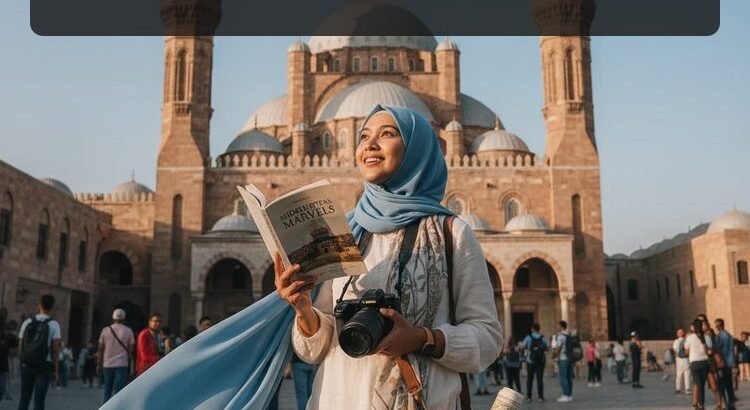
One of the most crucial aspects of traveling through the Middle East is understanding and respecting its deep-rooted cultural sensitivities and local etiquette. This region is predominantly Muslim, and Islamic traditions heavily influence daily life. Modesty in dress is generally expected, especially when visiting religious sites. For women, this typically means covering shoulders and knees, and often a headscarf is necessary in mosques. Men should also dress respectfully, avoiding shorts in formal or religious settings. Public displays of affection are generally frowned upon, and it’s advisable to greet locals with a handshake (if appropriate) and a friendly “Salam Alaikum.” During the holy month of Ramadan, visitors should be particularly mindful, as eating, drinking, and smoking in public during daylight hours are prohibited for Muslims. Being aware of these customs not only shows respect but also enhances your travel experience, fostering positive interactions with locals. For example, in Jordan, accepting a cup of tea when offered is a gesture of goodwill and hospitality, even if you only take a small sip. Understanding these nuances will enrich your holiday.
The Diverse Tapestry of Landscapes and Experiences
The Middle East is far from a monolithic entity; it is a region of breathtaking geographical and experiential diversity. From the shimmering desert dunes of Saudi Arabia and the ancient rock-carved city of Petra in Jordan, to the verdant mountains of Oman and the modern, futuristic skylines of Dubai and Abu Dhabi, the landscapes are incredibly varied. Each country offers unique attractions and adventures. Imagine a holiday spent exploring the historical wonders of Egypt, where you can marvel at the pyramids and cruise the Nile, or perhaps a more adrenaline-pumping trip in the UAE, known for its luxury shopping, magnificent architecture, and desert safaris. For those seeking cultural immersion, the souks of Marrakech in Morocco offer an intoxicating blend of sights, sounds, and smells. The region also boasts beautiful coastlines, such as along the Mediterranean in Lebanon or the Red Sea in Egypt, perfect for diving and relaxation. The sheer variety ensures that there’s a distinct type of adventure for every traveler, whether you’re interested in history, nature, urban exploration, or simply a relaxing escape. Think about combining a cultural tour with some adventurous excursions; many tour operators offer comprehensive flight and hotel package deals that cater to such diverse interests.
Culinary Journey: A Feast for the Senses
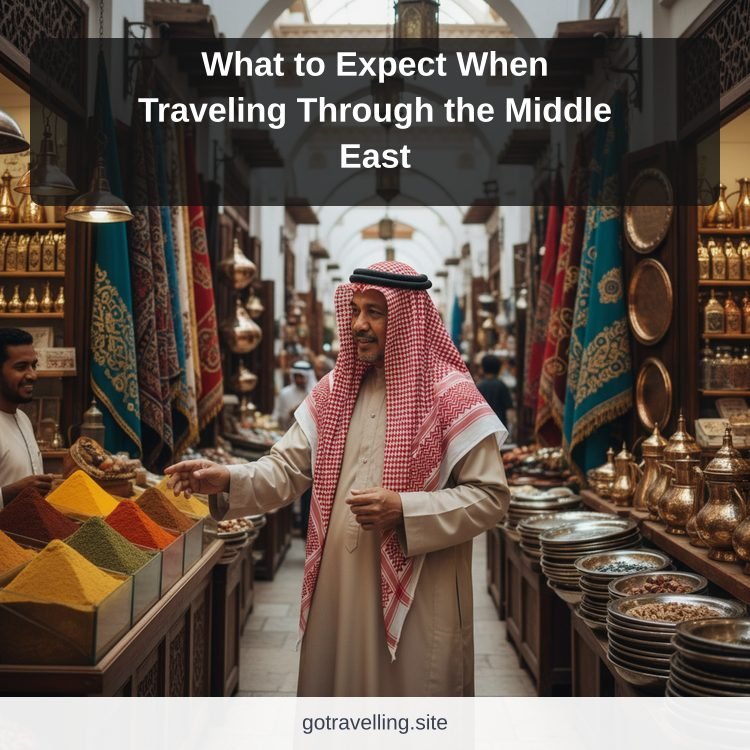
The Middle East offers an unparalleled culinary journey, a true feast for the senses that goes far beyond what many might imagine. Food is an integral part of the culture, reflecting centuries of trade, tradition, and hospitality. Expect to encounter aromatic spices, fresh herbs, and an abundance of fresh produce, often prepared with olive oil, legumes, and lean meats like lamb and chicken. Staple dishes vary by region but often include hummus, falafel, baba ghanoush, shish kebab, and various types of bread. In countries like Lebanon, mezze platters – a selection of small dishes – are a staple, allowing you to sample a wide array of flavors. Don’t miss out on trying local sweets like baklava or kunafa, often enjoyed with strong Arabic coffee or mint tea. Dining is often a communal affair, emphasizing sharing and conversation. For instance, in Morocco, tagine and couscous are national dishes, slow-cooked to perfection and incredibly flavorful. Exploring local markets (souks) is a fantastic way to discover unique ingredients and sample street food. Be adventurous in your food choices, but always ensure the food stalls maintain good hygiene. Many airlines offer special meal options, so remember to specify your preferences when you buy online flight ticket.
Practicalities of Travel: Logistics and Getting Around
Navigating the practicalities of travel in the Middle East requires some planning and awareness, but it’s generally straightforward once you understand the local systems. Transportation infrastructure varies significantly by country. Major cities like Dubai, Doha, and Istanbul boast excellent public transport systems, including metros, buses, and modern taxi services, making it easy to get around. In more historical or less developed areas, taxis or ride-sharing apps like Uber and Careem are prevalent. For inter-city travel, domestic flights are a common and often efficient option, especially for covering long distances. Rail networks are expanding but are not as extensive as in Europe. When planning your trip, consider purchasing a flight and hotel package, as these often simplify logistics and can offer cost savings. It’s always wise to pre-book airport transfers, especially if arriving at night. Additionally, be aware of local driving styles if you plan to rent a car; traffic can be chaotic in some urban centers. Always carry a local SIM card for navigation and communication. Being prepared for these logistical aspects ensures a smoother and more enjoyable holiday experience, allowing you to focus on the wonders around you rather than worrying about the transportation.
Safety and Security: A Balanced Perspective
Safety and security are paramount concerns for any traveler, and when considering a holiday to the Middle East, these topics often come to the forefront. It’s crucial to approach this with a balanced perspective, separating perceptions from reality. While certain parts of the region have experienced political instability or conflict, many countries are incredibly safe for tourists and actively invested in ensuring visitor well-being. Popular destinations like the UAE, Qatar, Oman, Jordan, and parts of Egypt and Morocco have very low crime rates, often lower than major Western cities. General precautions, such as being aware of your surroundings, safeguarding your valuables, and avoiding unlit or unfamiliar areas at night, are universally applicable. It’s also wise to stay informed about current events in your chosen destination through reputable news sources and your government’s travel advisories. Some countries have specific laws unique to their culture, such as strict penalties for drug offenses, so familiarize yourself with these before you travel. Trustworthy local guides and reputable tour operators can further enhance your safety and provide valuable insights. By exercising common sense and doing your homework, you can confidently explore the beauty and hospitality of the Middle East. Many travelers find that the genuine warmth and welcoming nature of the local people are often a highlight, contributing significantly to a feeling of safety and comfort. Always ensure you have comprehensive travel insurance for any unforeseen circumstances, adding an extra layer of peace of mind to your adventure. When you buy online flight ticket, consider adding travel insurance as an option.
Embracing Hospitality: The Heart of the Middle East
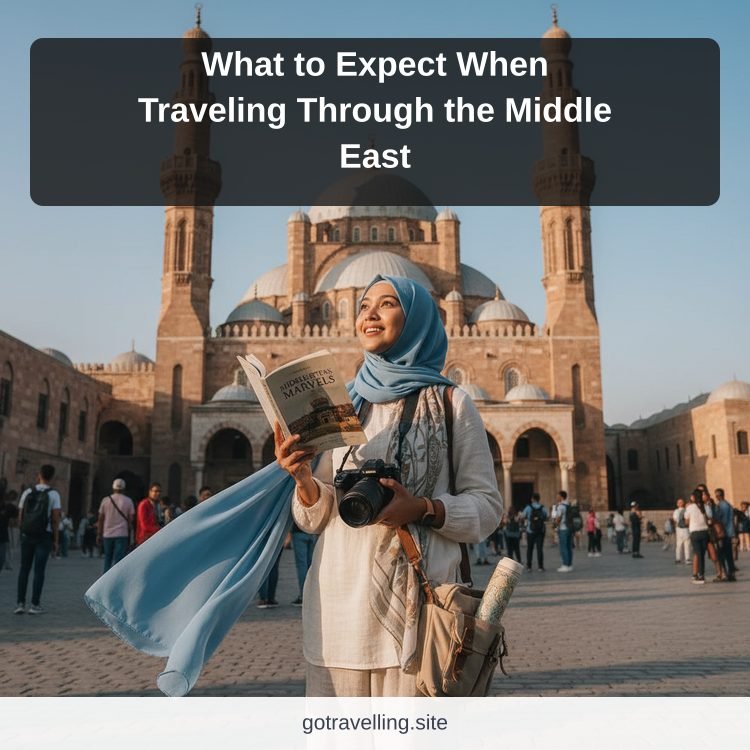
The concept of hospitality, or “karam,” is deeply ingrained in Middle Eastern culture and is perhaps one of the most heartwarming aspects of traveling through the region. Visitors are often treated not just as tourists, but as honored guests, a tradition that reflects ancient nomadic customs. This means you might find yourself invited for a cup of tea by a shopkeeper, offered dates by a stranger, or engaged in friendly conversation with locals eager to share their culture. These interactions are often genuine expressions of welcome and should be reciprocated with respect and courtesy. While gifts are not expected, a small token of appreciation or a heartfelt “shukran” (thank you) goes a long way. This pervasive hospitality extends to accommodation as well, from luxurious hotels with impeccable service to charming guesthouses where owners go out of their way to make you feel at home. Embrace these opportunities for connection; they often lead to the most memorable and authentic experiences of your holiday. Imagine being invited into a Bedouin tent in Jordan for coffee and stories under the stars — these are the moments that truly define a Middle Eastern adventure. It’s a fundamental part of the experience that sets this region apart from many other global destinations. Don’t be surprised or suspicious; simply accept the kindness and enjoy the genuine warmth you receive.
Language and Communication: Bridging the Gap
While Arabic is the official language across most of the Middle East, the linguistic landscape is quite diverse, and communication is rarely a significant barrier for travelers. In major tourist areas, hotels, and businesses, English is widely spoken, especially by younger generations and those working in the tourism sector. However, learning a few basic Arabic phrases like “hello” (marhaba), “thank you” (shukran), “yes” (na’am), and “no” (la) can significantly enhance your interactions and show respect for the local culture. Locals often appreciate the effort, even if your pronunciation isn’t perfect. In some countries, other languages are also prevalent; for instance, French is common in Morocco and Lebanon, and Persian (Farsi) in Iran. Using translation apps on your smartphone can be incredibly helpful for nuanced conversations or when navigating local markets where English might be less common. Don’t shy away from engaging with locals if there’s a language barrier; gestures and a friendly demeanor can often bridge the gap effectively. Most people are patient and keen to help. Ensuring clear communication, especially when negotiating prices in souks or asking for directions, can prevent misunderstandings and enrich your overall travel experience. Remember, a smile is a universal language.
Weather and Best Time to Visit
Understanding the weather patterns is crucial for planning your Middle Eastern holiday, as the region experiences significant temperature variations throughout the year. Generally, the best time to visit most countries in the Middle East is during the cooler months, from October to April. During this period, temperatures are pleasantly warm and comfortable, ideal for sightseeing, desert excursions, and exploring ancient sites without the intense heat of summer. For example, countries like the UAE, Oman, and Jordan are particularly enjoyable from November to March. The summer months, from May to September, can be extremely hot, with temperatures often exceeding 40°C (104°F), making outdoor activities challenging, especially in desert areas. However, if you plan a holiday focused on indoor attractions, luxury resorts with air-conditioning, or simply want to find cheap flight ticket and avoid crowds, summer can be a more budget-friendly option. Coastal areas, like those along the Mediterranean or the Red Sea, offer a slightly milder climate, making them more appealing for beach holidays even in shoulder seasons. Always check the specific climate for your chosen destination as regional variations exist. For instance, the mountainous regions of Oman may be cooler. Proper hydration and sun protection are essential regardless of the season. Planning your trip around the most favorable weather will undoubtedly enhance your overall enjoyment and comfort. Look for flight and hotel package deals during these periods.
Shopping and Souvenir Hunting
Shopping in the Middle East is an experience in itself, a delightful journey through bustling souks and modern mega-malls, offering everything from ancient crafts to cutting-edge luxury items. Haggling is often expected, especially in traditional markets, and can be a fun cultural interaction if approached with a good-natured attitude. Don’t be afraid to politely negotiate prices; it’s part of the game and often leads to a better deal. Popular souvenirs include intricate carpets, spices, argan oil, handcrafted jewelry (especially silver), traditional ceramics, leather goods, oud (Arabic perfume), and various textiles. Each country boasts its unique specialties; for example, Morocco is famous for its leather and pottery, while Dubai offers an abundance of gold and high-end fashion. When exploring markets, it’s wise to have some local currency on hand, though many vendors accept credit cards, especially in larger establishments. While shopping, be mindful of authenticity and quality, particularly for valuable items. Buying from reputable stores or asking for recommendations can help ensure you’re getting genuine products. Remember to leave space in your luggage for all your treasures! This adds an enjoyable dimension to your holiday and provides tangible memories of your travels. You might even find some unique gifts for friends and family back home. Keep an eye out for duty-free shopping opportunities when you buy online flight ticket.
Connectivity and Practical Considerations
Staying connected and managing practical considerations seamlessly during your Middle Eastern holiday is easier than ever before. Wi-Fi is widely available in hotels, cafes, and many public spaces, with excellent internet speeds in most urban centers. For continuous connectivity, purchasing a local SIM card upon arrival is a highly recommended and cost-effective option, providing access to mobile data and local calls. This is invaluable for navigation, using ride-sharing apps, and staying in touch. Electricity standards are typically 220-240V and use European two-pin plugs (Type C, E, or F), so remember to bring a universal adapter. Cash is still king in many smaller establishments and local markets, though credit and debit cards are widely accepted in larger stores, restaurants, and hotels. Always inform your bank of your travel plans to avoid card issues. Hydration is crucial, especially during hotter months, so carry a reusable water bottle. Public restrooms are generally available but may vary in cleanliness outside of major tourist hubs. Being aware of these practical details will ensure a more comfortable and hassle-free trip, allowing you to fully immerse yourself in the wonders of the region without worrying about minor inconveniences. A little preparation goes a long way in making your travel truly enjoyable. Make sure to check these details when planning your flight and hotel package.
Conclusion
Traveling through the Middle East promises an extraordinary and deeply rewarding holiday experience, a journey that seamlessly blends ancient traditions with modern marvels. From the stunning architectural feats of Dubai and the timeless allure of Petra to the vibrant markets of Marrakech and the historical riches of Cairo, the diversity and depth of this region are simply unparalleled. By embracing cultural sensitivities, appreciating the varied landscapes, savoring the incredible cuisine, and understanding practical logistics, you can navigate this captivating part of the world with confidence and respect. The warm hospitality, safe environments in tourist areas, and rich tapestry of experiences await every curious traveler. Don’t let misconceptions deter you; instead, prepare to be amazed by the genuine warmth, fascinating history, and vibrant contemporary life that define the Middle East. Start planning your adventure today by finding that cheap flight ticket and booking a comprehensive flight and hotel package. Your unforgettable Middle Eastern holiday is just a buy online flight ticket away!