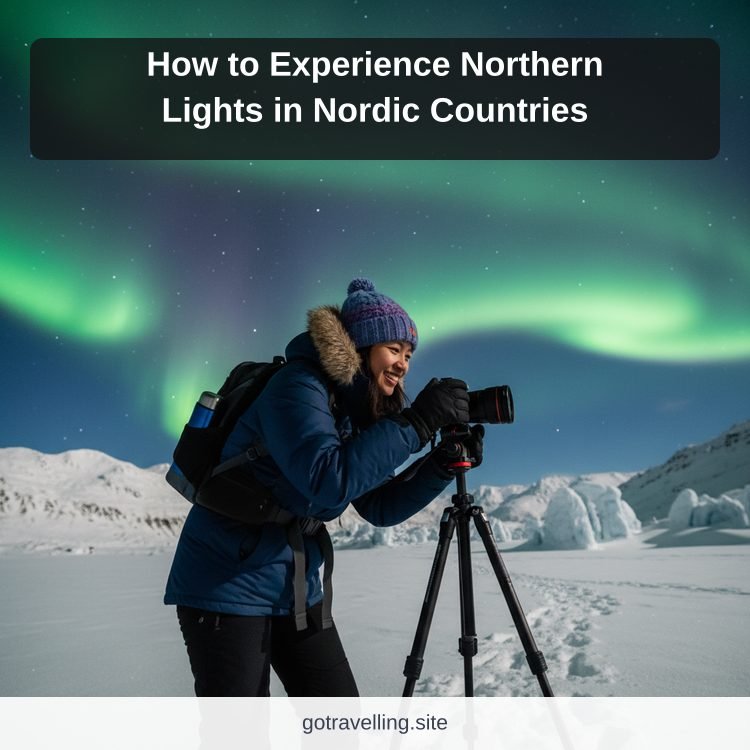
Imagine gazing up at a celestial dance, a shimmering tapestry of green, purple, and pink lights swirling across the inky black sky. This breathtaking spectacle, the Aurora Borealis or Northern Lights, is a bucket-list dream for countless travellers. Many aspire to witness this natural wonder, but the prospect of planning such a trip, particularly to the often-perceived remote and expensive Nordic countries, can be daunting. From understanding the best time to visit and where to go, to navigating the logistics like how to buy online flight ticket and finding affordable accommodation, numerous questions arise. This comprehensive guide will illuminate the path to experiencing the Northern Lights in Nordic countries, offering practical advice and insider tips to transform your dream into a radiant reality. We’ll delve into the prime viewing locations, optimal timing, essential gear, and smart budgeting strategies to ensure your holiday is truly unforgettable, promising memories that will last a lifetime.
Understanding the Science and Art of the Aurora Borealis
Before embarking on your journey, a basic understanding of the Northern Lights enhances the appreciation of this cosmic phenomenon. The Aurora Borealis occurs when charged particles from the sun, ejected during solar flares and coronal mass ejections, collide with gases in the Earth’s atmosphere. These particles are guided by Earth’s magnetic field towards the poles, exciting atmospheric gases like oxygen and nitrogen. The resulting energy release manifests as light, forming the mesmerising colours we witness. Green is the most common colour, produced by oxygen molecules at lower altitudes (around 100-300 km), while red hues come from oxygen at higher altitudes (above 300 km). Nitrogen produces blue and purple lights. The intensity and activity of the Northern Lights are directly linked to solar activity. A stronger solar storm promises a more vibrant and widespread display. Understanding these scientific principles allows you to better interpret aurora forecasts and choose the opportune moments for viewing. For instance, solar cycles, which typically last around 11 years, influence the frequency and intensity of auroral displays, with solar maximum periods offering the best chances for spectacular shows. This knowledge is crucial when planning your holiday to maximise your chances of witnessing this natural marvel.
Choosing Your Nordic Destination for an Unforgettable Holiday
The Nordic countries offer a plethora of stunning locations to witness the Northern Lights, each with its unique charm and accessibility. Norway, particularly Tromsø and the Lofoten Islands, is often hailed as one of the best destinations. Tromsø, a vibrant Arctic city, provides excellent infrastructure, including numerous aurora tours and easily accessible view points. The Lofoten Islands, with their dramatic fjords and charming fishing villages, offer breathtaking photographic opportunities with the Aurora dancing over the landscape. Finland’s Lapland region, home to Rovaniemi (the official home of Santa Claus), provides a magical setting for aurora hunting, often combined with husky sledding or reindeer sleigh rides. The glass igloos in Lapland offer a unique way to experience the lights from the comfort of your bed. Sweden’s Abisko National Park, situated in a “blue hole” microclimate, boasts an exceptionally high number of clear nights, making it a prime location. The Aurora Sky Station there provides a fantastic vantage point. Iceland, with its rugged volcanic landscapes and geysers, offers a unique backdrop for the Northern Lights, though its coastal weather can be more unpredictable. When planning your holiday, consider factors like accessibility, accommodation options, and other activities you wish to combine with your aurora chase. For example, if you’re looking for a combination of city life and aurora hunting, Tromsø might be ideal, while Abisko is perfect for dedicated aurora enthusiasts. Considering a flight and hotel package can often streamline your planning and lead to better deals.
Timing Your Trip: The Best Season to Buy Online Flight Ticket
Successfully witnessing the Northern Lights is heavily dependent on timing. The aurora season in the Nordic countries generally runs from late September to late March, when the nights are long and dark. During the summer months, the continuous daylight (midnight sun) makes it impossible to see the aurora. Within this season, the peak months tend to be October to November and February to March. These periods often offer a balance of sufficiently dark skies and less extreme cold compared to mid-winter. However, aurora activity is ultimately unpredictable and can occur on any given dark night within the season. For the best chance, aim for at least a week-long trip, as this increases your odds of experiencing clear skies and high aurora activity. It’s crucial to check aurora forecasts regularly before and during your trip. Websites and apps dedicated to aurora forecasting predict the Kp-index, a measure of geomagnetic activity, which indicates the strength of the aurora. A Kp-index of 3 or higher is generally considered good for visible aurora. When you buy online flight ticket, consider flexibility in your travel dates if maximum aurora viewing is your priority. Sometimes, a cheap flight ticket can be found during shoulder seasons within the aurora period, offering a good balance of cost and viewing potential. Planning your holiday around these peak periods significantly increases your chances of a successful viewing.
Essential Gear and Smart Preparations for Your Aurora Holiday
Preparing for a trip to the Arctic for aurora hunting requires careful thought, especially regarding clothing and equipment. Temperatures can plummet well below freezing, so layering is paramount. Start with a moisture-wicking base layer, followed by an insulating mid-layer (fleece or down), and a waterproof, windproof outer shell. Thermal socks, waterproof insulated boots, a warm hat covering your ears, mittens (they are warmer than gloves), and a neck gaiter or scarf are absolute necessities. Hand warmers and toe warmers can also be a lifesaver. For photography enthusiasts, a sturdy tripod is non-negotiable for long-exposure shots of the aurora. A wide-angle lens with a fast aperture (f/2.8 or wider) and a camera capable of high ISO settings will yield the best results. Don’t forget extra batteries, as cold temperatures drain them quickly. A headlamp with a red light setting is useful for navigating in the dark without disturbing your night vision or other aurora hunters. Moreover, download aurora forecasting apps and offline maps to your phone. Consider travel insurance that covers cold-weather activities and potential trip cancellations. Booking accommodations and tours in advance, especially during peak season, is highly recommended to secure your preferred options. Looking for a flight and hotel package can simplify these bookings. A well-prepared holiday ensures comfort and allows you to fully immerse yourself in the aurora experience, rather than battling the elements.
Maximising Your Aurora Viewing Chances and Experience
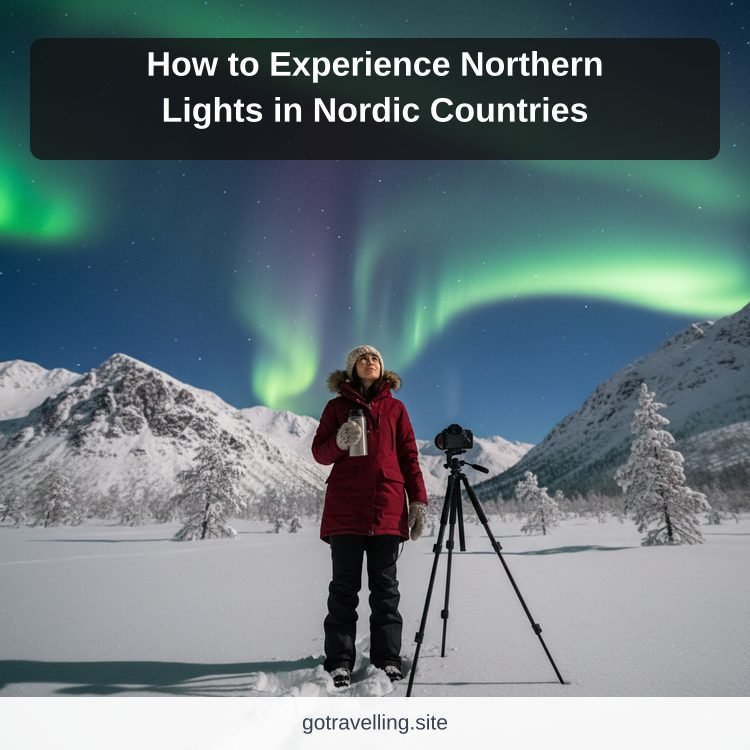
To truly maximise your chances of witnessing the Northern Lights and making your holiday unforgettable, several strategies are key. Firstly, get away from light pollution. City lights obscure fainter auroral displays, so venturing into the darker countryside is essential. Many tour operators specialise in aurora chases, taking you to optimal viewing spots based on real-time weather and aurora forecasts. These tours often provide warm clothing and hot drinks, enhancing the experience. Secondly, be patient. The aurora is a natural phenomenon; it doesn’t operate on a schedule. You might need to wait for hours in the cold, so bring snacks, hot beverages in a thermos, and be prepared for the wait. Third, look for clear skies. Even with strong aurora activity, clouds will block your view. Regularly check local weather forecasts. Fourth, understand that bright moonlight can diminish the visibility of fainter auroras. If possible, plan your trip around the new moon phase for the darkest skies. Lastly, consider combining your aurora chase with other unique Arctic activities. Dog sledding, snowmobiling, ice fishing, or visiting an ice hotel can make your holiday even more memorable, providing enjoyable experiences even if the aurora doesn’t make a spectacular appearance every night. Remember, a cheap flight ticket might be available for mid-week travel, which can help fund these extra activities. Staying flexible and optimistic will significantly enhance your overall aurora holiday.
Planning Your Trip: Logistics and Budget for an Affordable Holiday
Planning the logistics and managing your budget effectively are crucial for an enjoyable and affordable Northern Lights holiday. When it comes to transportation, compare different airlines and consider flying into smaller regional airports if they offer a cheap flight ticket to your chosen destination. Always aim to buy online flight ticket well in advance, as prices tend to increase closer to the departure date. For internal travel within Nordic countries, consider trains or buses which can be more economical than domestic flights, especially if you’re not in a rush. Car rental offers flexibility for aurora chasing, but be aware of winter driving conditions and potential extra costs for snow tyres or 4×4 vehicles. Accommodation can be a significant expense. Look for guesthouses, cabins, or even campsites (during early or late aurora season) as more budget-friendly alternatives to hotels. Hostels also offer a cheaper option and a chance to meet fellow travellers. Don’t underestimate daily expenses like food. Eating out regularly in Nordic countries can be expensive. Consider self-catering apartments or packing some non-perishable food items to cook your own meals. Taking advantage of flight and hotel package deals can often lead to substantial savings. Additionally, many attractions in the Nordic countries offer student or senior discounts, so always inquire. By meticulously planning these aspects, you can enjoy a fantastic holiday without breaking the bank, even in a region often perceived as costly.
Beyond the Lights: Cultural Immersion and Activities During Your Holiday
While the Northern Lights are undoubtedly the main attraction, the Nordic countries offer a wealth of cultural experiences and activities that can enrich your holiday, even if the aurora isn’t dancing every night. Embrace the local culture by visiting historical sites, museums, and art galleries. In Norway, explore Viking history or learn about Sami culture, the indigenous people of the Arctic. Finland offers unique experiences like traditional saunas and ice swimming. Sweden boasts stunning architecture and design, while Iceland’s unique geological features, such as geysers, hot springs, and volcanic landscapes, provide a dramatic backdrop for exploration. Engage in winter sports like downhill skiing, cross-country skiing, or ice skating. Many destinations offer husky sledding or reindeer sleigh rides, providing a quintessential Arctic experience. Culinary adventures are also a must; sample local delicacies, including fresh seafood, reindeer meat, and traditional pastries. Attending local festivals or events can offer a deeper insight into the Nordic way of life. These supplementary activities ensure that your holiday is packed with memorable moments, creating a wholesome travel experience that goes beyond merely chasing the aurora. Remember, a comprehensive flight and hotel package might include some of these activities, so it’s always worth checking the inclusions. A well-rounded holiday ensures satisfaction regardless of the aurora’s temperamental nature.
Photography Tips for Capturing the Aurora and Your Nordic Holiday
Capturing the ephemeral beauty of the Northern Lights requires specific photography techniques to achieve stunning results and preserve your holiday memories. As mentioned, a sturdy tripod is essential to keep your camera perfectly still during long exposures. Use a wide-angle lens (14mm-24mm) with a fast aperture (f/2.8 or wider) to capture as much of the sky as possible and allow maximum light into the sensor. Set your camera to manual mode. Start with an ISO between 800-3200 (adjust based on aurora intensity and personal preference), a shutter speed of 5-20 seconds (faster for very active aurora, slower for fainter displays), and focus manually to infinity. If your lens has image stabilisation, turn it off. Take test shots and adjust your settings as needed. Composition is key; include foreground elements like trees, mountains, or a cabin to give scale and interest to your aurora shots. Don’t forget to protect your camera gear from the cold; use hand warmers around camera batteries to extend their life, and keep your camera in a sealed bag when coming indoors to prevent condensation. Beyond the aurora, capture the serene winter landscapes, the charming local towns, and the unique activities you undertake. These photos will serve as vivid reminders of your incredible holiday. Learning a few basic post-processing techniques can further enhance your aurora images, bringing out their true colours and vibrancy. Practice before your trip to get comfortable with your gear and settings. This attention to detail will ensure your cheap flight ticket leads to priceless photographic memories.
Safety and Responsible Travel in the Arctic Region
Ensuring your safety and practicing responsible travel are paramount when visiting the Arctic regions for your Northern Lights holiday. The extreme cold can be dangerous if not properly prepared for. Always dress in layers and ensure exposed skin is covered. Inform someone of your plans if venturing out alone, especially into remote areas. Stick to marked trails and follow local guidelines, particularly in national parks or protected areas. When driving, be extremely cautious of icy roads and wildlife. Familiarise yourself with emergency procedures and local emergency numbers. Respect the natural environment. Do not leave any litter behind, and avoid disturbing wildlife. If you participate in tours, choose reputable operators who prioritise safety and ethical practices, such as those that use sustainable methods for dog sledding or reindeer experiences. Be mindful of local customs and traditions, particularly regarding Sami culture in certain regions. Support local businesses to ensure your travel contributes positively to the economy of your host community. Consider the environmental impact of your travel, perhaps by offsetting your carbon footprint. By being a responsible and prepared traveller, you not only ensure your own safety and enjoyment but also help preserve the pristine beauty and unique cultures of the Nordic countries for future generations. This mindful approach makes your holiday truly meaningful, from the moment you buy online flight ticket to your return home.
Kesimpulan
Experiencing the Northern Lights in the Nordic countries is a profound and awe-inspiring travel journey that promises memories to last a lifetime. From understanding the celestial mechanics of the Aurora Borealis to strategically choosing your destination like Tromsø or Abisko, timing your visit during the dark winter months, and meticulously preparing your essential gear, each step contributes to the success of your holiday. By leveraging tips on how to buy online flight ticket, finding a cheap flight ticket, or opting for a comprehensive flight and hotel package, you can make this dream a budget-friendly reality. Remember to embrace patience, escape light pollution, and combine your aurora hunt with rich cultural experiences and thrilling Arctic activities. With careful planning, a sense of adventure, and adherence to safety and responsible travel practices, you are well-equipped to witness nature’s most spectacular light show. Don’t let the thought of complexity deter you; embark on this extraordinary holiday and discover the magical allure of the Arctic. Begin planning your journey today and prepare to be mesmerized by the dancing colours of the Northern Lights.