Traveling to a new country often involves more than just scenic vistas and historical landmarks; it’s about immersing oneself in the local culture, and few places offer a more vibrant, authentic experience than a bustling street market. For those planning their next great holiday, especially one involving a trip to Turkey, understanding how to navigate these sensory overload zones is key to an unforgettable adventure. Imagine stepping into a kaleidoscope of colors, sounds, and aromas, where centuries-old traditions meet modern haggling. The problem for many first-time visitors is knowing where to start, how to get the best deals, and how to truly soak in the atmosphere without feeling overwhelmed. This article aims to be your ultimate guide, offering insider tips and practical advice for exploring street markets in Turkey, ensuring your journey is as enriching as it is exhilarating. Before you even think about how to buy online flight ticket or secure a cheap flight ticket, understanding the heart of Turkish culture through its markets will elevate your entire trip, making your holiday a truly unique exploration.
Unearthing the Treasures: What to Expect in Turkish Street Markets
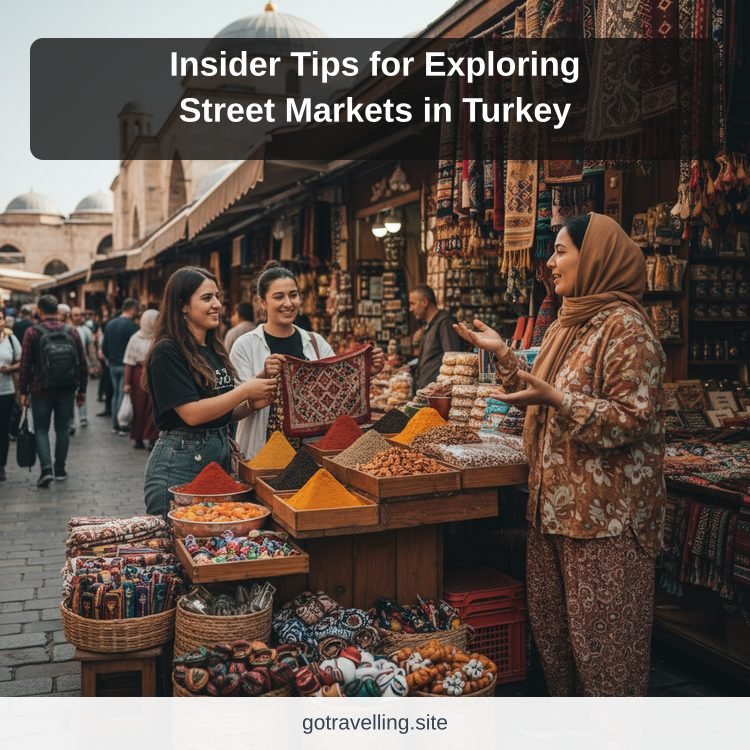
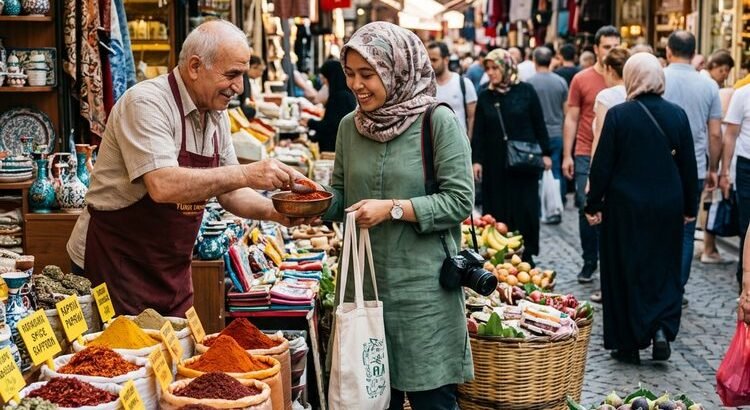
Turkish street markets, known locally as “pazars,” are far more than just places to shop; they are vibrant social hubs, economic engines, and living museums of culture. When you step into a pazar, prepare for a sensory explosion. You’ll encounter an incredible array of goods, from mountains of fresh, seasonal produce—think ruby-red pomegranates, plump figs, and fragrant herbs—to intricately woven textiles, hand-painted ceramics, sparkling jewelry, and a seemingly endless variety of spices. Beyond the tangible goods, the atmosphere itself is a treasure: the rhythmic calls of vendors, the lively chatter of shoppers, the rich scent of spices mingling with freshly baked bread and strong Turkish coffee. Each pazar has its own unique character; for instance, the Grand Bazaar in Istanbul is famous for its labyrinthine alleys and high-end goods like gold and carpets, while a local neighborhood pazar might specialize in organic produce and homemade crafts. Understanding this diversity is crucial for any traveler seeking an authentic experience. Many consider these markets to be the soul of Turkey, offering a glimpse into daily life that organized tours often miss. To truly appreciate this, one must be ready to engage, observe, and, of course, bargain.
Mastering the Art of Bargaining: A Turkish Market Essential
Bargaining, or “pazarlık,” is not just an option in Turkish street markets; it’s an ingrained cultural practice and an expected part of the shopping experience, particularly for items like textiles, souvenirs, jewelry, and carpets. It’s less common for fresh produce or pre-packaged food items, where prices are usually fixed or clearly displayed. The key to successful bargaining is to approach it with a sense of humor, respect, and patience. Start by offering about half of the initial asking price and work your way up, or vice versa, depending on your strategy. A good rule of thumb is to aim for a final price that is roughly 20-30% lower than the initial quote. Remember, the goal isn’t to rip off the vendor, but to engage in a friendly negotiation that results in a fair price for both parties. Vendors often enjoy the back-and-forth, and a genuine smile and a few Turkish phrases like “Çok güzel” (very beautiful) or “Ne kadar?” (How much?) can go a long way. Consider the vendor’s time and effort, and don’t feel pressured to buy if you’re not satisfied with the price. Walking away and perhaps returning later can also be a negotiation tactic. This dance of negotiation contributes significantly to the unique charm of a Turkish holiday.
Navigating the Crowds: Tips for a Seamless Market Experience
Turkish street markets, especially the larger ones in cities like Istanbul, Izmir, or Antalya, can be incredibly crowded, particularly on weekends or during peak tourist seasons. Navigating these bustling spaces requires a bit of strategy to make your holiday shopping experience seamless and enjoyable. Firstly, consider visiting early in the morning shortly after the market opens. This allows you to avoid the largest crowds, enjoy cooler temperatures, and often find vendors more willing to engage in conversation before the rush. Wear comfortable shoes, as you’ll be doing a lot of walking, and dress in layers if visiting during spring or autumn. Keep your belongings secure; a cross-body bag or a small backpack worn on your front is ideal to deter pickpockets. Stay hydrated, especially in warmer months, and don’t hesitate to take breaks at one of the many tea or coffee stalls that dot the markets. If you’re with a group, establish a meeting point in case you get separated. Embrace the chaos rather than fighting it; the energy and vibrancy are part of the authentic market experience. For instance, in Istanbul’s Grand Bazaar, which sees hundreds of thousands of visitors daily, having a clear idea of what sections you want to explore can save you time and prevent you from feeling overwhelmed. A well-planned approach to your market visit can significantly enhance your travel and holiday enjoyment.
Feasting Your Senses: Culinary Delights Beyond Shopping
Turkish street markets are not solely for souvenir hunting; they are a gastronomic paradise, offering an unparalleled opportunity to savor authentic local flavors. From fresh produce to ready-to-eat delicacies, the culinary landscape of a pazar is as diverse as it is delicious. Don’t leave without trying some of the street food staples. Pide (Turkish pizza), gözleme (savory stuffed flatbread), simit (sesame-crusted bread rings), and döner kebap are ubiquitous and incredibly flavorful. Look for vendors selling lokum (Turkish delight) with exotic flavors like rosewater or pistachio, or baklava, a sweet pastry made with layers of phyllo dough, nuts, and syrup. Many markets also feature stalls selling fresh fruit juices, especially pomegranate (nar suyu), which is squeezed on the spot and intensely refreshing. Engaging with food vendors offers another layer of cultural immersion; don’t be shy to ask for recommendations or try samples if offered. For example, in a market like Kadıköy’s Salı Pazarı on the Asian side of Istanbul, you can find a vast array of artisanal cheeses, olives, and preserves directly from local producers, offering a taste of regional specialties. Exploring these edible treasures is an essential part of any Turkish holiday, offering a deep dive into the country’s rich culinary heritage. Remember to keep an eye out for seasonal specialties, ensuring you experience the freshest and most authentic flavors during your visit.
Practical Considerations: Money, Language, and Etiquette for Your Trip
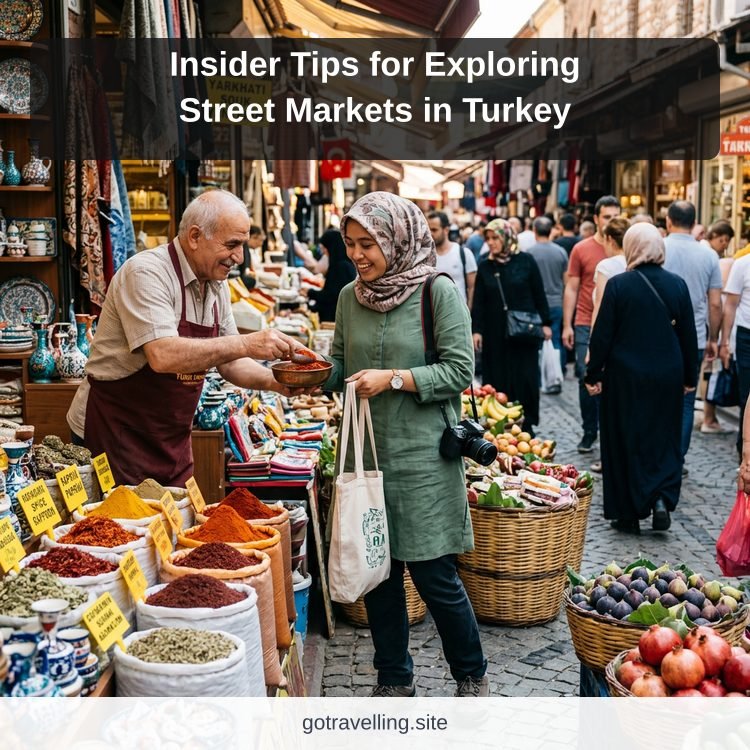
Embarking on a holiday to Turkey requires a keen eye on practicalities, especially when traversing its dynamic street markets. Regarding currency, the Turkish Lira (TL) is the official tender. While some larger vendors in tourist-heavy markets might accept euros or US dollars, it’s always best to pay in Lira to avoid unfavorable exchange rates. ATMs are widely available, but be mindful of transaction fees. Carrying small denominations of Lira is advisable for easier transactions and bargaining. When it comes to language, while many vendors in tourist areas speak some English, knowing a few basic Turkish phrases will significantly enhance your experience. Simple greetings like “Merhaba” (hello), “Teşekkür ederim” (thank you), and “Güle güle” (goodbye/go cheerfully) are always appreciated. For numbers, having them saved on your phone or practicing beforehand can be helpful during price negotiations. As for etiquette, always be respectful and polite. Ask permission before taking close-up photos of people, especially women. Dress modestly, particularly if visiting markets near mosques or more traditional neighborhoods, to show respect for local customs. Avoid pointing with your finger; instead, use your whole hand. These small gestures of cultural awareness pave the way for smoother interactions and a more enjoyable immersion into Turkish life during your holiday. Understanding these nuances can significantly enrich your experience, allowing you to connect more genuinely with the local people and culture, rather than just being a transient tourist. It’s these thoughtful preparations that transform a simple visit into a truly memorable travel experience, whether you’re looking for unique souvenirs or simply want to soak in the local atmosphere. Planning for these details is just as important as deciding to buy online flight ticket or securing a cheap flight ticket, as they directly impact the quality of your in-country experience.
Beyond the Bazaar: Integrating Market Finds into Your Holiday
The treasures you uncover in Turkish street markets don’t just add to your luggage; they can profoundly enhance your holiday experience and serve as lasting reminders once you return home. Imagine preparing a Turkish-inspired meal in your holiday rental kitchen using the fresh spices, dried fruits, and local olive oil you sourced directly from a pazar. This transforms a simple dinner into a culinary adventure, deeply connecting you to the flavors you discovered. Or consider the vibrant hand-woven rugs or intricate ceramic pieces that can add a touch of authentic Turkish artistry to your home decor, sparking memories of your journey every time you see them. These market finds aren’t just souvenirs; they are tangible pieces of the culture you explored. For example, purchasing a set of traditional Turkish tea glasses and a packet of local tea leaves allows you to recreate the ritual of Turkish tea at home, sharing a piece of your holiday with friends and family. Incorporating these items into your daily life extends the lifespan of your trip, making the memories more vivid and enduring. Furthermore, these unique purchases, often handcrafted, support local artisans and small businesses, making your holiday spending more meaningful and impactful. This mindful approach to shopping ensures that your experience goes far beyond the transaction, embedding itself into your wider travel narrative and giving your trip a deeper purpose. Finding specific items that speak to you – whether it’s an antique piece of jewelry or a beautifully embroidered textile – provides a powerful connection to the craftsmanship and history of Turkey. This integration ensures that the essence of your journey continues to inspire long after you’ve returned from your travels.
Responsible Tourism and Ethical Shopping in Turkish Markets
As you delve into the vibrant world of Turkish street markets, practicing responsible tourism and ethical shopping is paramount. This means being mindful of your environmental impact and ensuring your purchases support fair practices. When buying traditional crafts like carpets, ceramics, or jewelry, inquire about their origin and, if possible, seek out artisans directly. This not only guarantees authenticity but also ensures that your money directly benefits the creators and their communities. Be wary of mass-produced items masquerading as local crafts, which often dilute the market for genuine artisans. For example, if you’re looking for a genuine Turkish carpet, research reputable shops or co-operatives known for their ethical sourcing and fair labor practices, rather than simply settling for the cheapest option at the first stall you see. Consider the environmental footprint of your purchases; opt for reusable shopping bags instead of plastic, and avoid contributing to unnecessary waste. When buying food, focus on fresh, seasonal produce from local farmers, which minimizes transport emissions and supports the local agricultural economy. Engage respectfully with vendors; avoid overly aggressive bargaining that disrespects their craft or livelihood. A polite “no, thank you” is always better than a dismissive gesture. Your choices as a consumer have a direct impact on the local economy and environment, and by shopping thoughtfully, you contribute positively to the preservation of Turkish culture and traditions. This conscious approach enriches your own holiday experience while fostering a sustainable future for the places you visit. It’s an essential aspect of modern travel, moving beyond mere sightseeing to a more engaged and beneficial form of exploration. Such considerations become even more critical when planning a large-scale trip, perhaps as part of a flight and hotel package, ensuring every aspect of your holiday contributes to a positive global footprint. Prioritizing ethical buying is a key part of ensuring that your Turkish holiday is not only memorable for you but also beneficial for the local community and environment.
Embracing the Unplanned: Serendipity in the Bazaar
While preparation is key to a successful holiday, particularly when planning to buy online flight tickets or securing a cheap flight ticket, embracing serendipity is equally important for a truly enriching experience within Turkish street markets. Sometimes, the most memorable moments are those that are entirely unplanned. Don’t be afraid to wander off the beaten path, turn down an intriguing alleyway, or stop at a stall that catches your eye, even if it’s not on your checklist. These spontaneous detours often lead to hidden gems, unique encounters, and unexpected discoveries. You might stumble upon a tiny tea house tucked away in a corner, offering the perfect respite from the bustling crowds, or find an artisan crafting a piece unlike anything you’ve seen before. Engage in casual conversations with vendors or fellow shoppers; these interactions can provide invaluable insights into local life, culture, and perhaps even lead to recommendations for places to visit or foods to try that aren’t in any guidebook. For instance, a chance encounter with a spice merchant might reveal secrets about ancient remedies or culinary traditions. Allow yourself the luxury of time to simply observe the daily rhythm of the market – the playful banter between vendors, the intricate stacking of produce, or the artistry involved in preparing street food. These moments of quiet observation can be just as rewarding as any purchase. Embracing the unplanned allows for genuine immersion, making your holiday more dynamic and personal. It transitions your vacation from a series of planned activities into a living, breathing experience, filled with delightful surprises and authentic connections. This willingness to let improvisation guide you is what often turns a good trip into an extraordinary holiday, fostering memories that resonate for years to come. It’s about being present, open, and ready to receive whatever wonderful experiences the market decides to offer you, making your exploration truly unique and unforgettable, far beyond what any pre-arranged flight and hotel package could promise.
Kesimpulan
Venturing into the vibrant street markets of Turkey is undoubtedly one of the most enriching experiences a traveler can have. Far from being just places of commerce, these pazars are the pulsating heart of Turkish culture, offering a profound glimpse into daily life, traditions, and an unparalleled sensory feast. By understanding the art of bargaining, navigating the crowds effectively, indulging in culinary delights responsibly, and embracing the unexpected, you can transform a simple shopping trip into an unforgettable journey. Remember, thoughtful preparation, from knowing local etiquette to carrying the right currency, coupled with an open mind, will significantly enhance your holiday. These insider tips are designed to empower you to explore with confidence and curiosity, ensuring that every interaction and discovery adds depth to your travel narrative. So, as you plan your next adventure, perhaps searching for that perfect flight and hotel package, remember that the true magic often lies in the bustling alleys and friendly faces of Turkey’s incredible street markets. Make sure to buy online flight ticket for a budget-friendly and smooth travel, and immerse yourself fully to create lasting memories. A truly great holiday awaits!