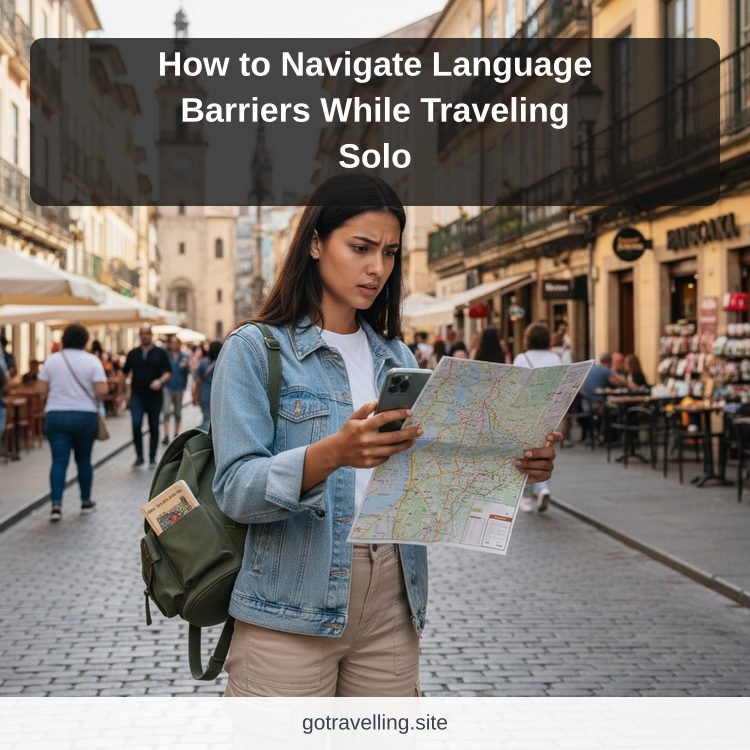
Embarking on a solo adventure, especially when you buy online flight ticket to a new country, is an incredibly enriching experience. You get to explore at your own pace, discover hidden gems, and truly immerse yourself in a different culture. However, a significant hurdle that often dampens the excitement for many solo travelers is the dreaded language barrier. Imagine ordering food, asking for directions, or even just attempting friendly conversation, only to be met with blank stares or a frustrating game of charades. This common challenge can transform what should be a liberating holiday into a source of anxiety, making even simple tasks feel overwhelming. But fear not! This comprehensive guide will equip you with practical strategies and clever tools to navigate linguistic differences with confidence, ensuring your solo travels are filled with connection, understanding, and unforgettable memories, whether you’re looking for a cheap flight ticket or a luxurious flight and hotel package. We’ll delve into preparation techniques, in-the-moment communication tactics, and even cultural nuances to make your journey smoother.
Pre-Trip Linguistic Preparation for Your Holiday
Before you even begin to buy online flight ticket for your next solo adventure, proactive linguistic preparation is paramount. While you don’t need to be fluent, learning a few key phrases in the local language can significantly enhance your experience and smooth over many potential obstacles. Start with essential greetings like “hello” (hola/bonjour/konnichiwa), “thank you” (gracias/merci/arigato), “please” (por favor/s’il vous plaît/onegaishimasu), “excuse me” (disculpe/pardon/sumimasen), and “sorry” (lo siento/désolé/gomen nasai). Beyond politeness, knowing phrases for “where is the bathroom?” (dónde está el baño?), “how much does it cost?” (cuánto cuesta?), and “I don’t understand” (no entiendo) can be invaluable. Utilize language learning apps like Duolingo, Babbel, or Memrise for daily practice; even 10-15 minutes a day in the months leading up to your trip can make a huge difference. These apps often incorporate gamification, making the learning process engaging and less daunting. Consider carrying a small phrasebook or downloading offline language apps that can be accessed without an internet connection, especially if you’re venturing off the beaten path where Wi-Fi might be scarce. This foundational knowledge will not only help you navigate basic interactions but also show respect for the local culture, often leading to more positive and helpful responses from locals during your holiday.
Leveraging Technology to Overcome Language Hurdles
In our increasingly connected world, technology offers an incredible array of tools to bridge language gaps, making your solo holiday much more accessible. Google Translate is arguably the most powerful and widely used application. Its text translation feature allows you to type or paste text and get an instant translation, which is perfect for understanding menus, street signs, or information boards. Even more revolutionary is its spoken translation feature; simply speak into your phone, and it will translate your words into the desired language, and vice-versa, facilitating real-time conversations. The camera translation function is particularly useful for signs, allowing you to instantly translate text by pointing your phone’s camera at it – a life-saver in unfamiliar environments. Other highly-rated translation apps include iTranslate and Microsoft Translator, both offering similar functionalities, some with offline modes. Don’t forget that many hotels and tour operators, especially in tourist-heavy regions, have staff who speak multiple languages. Furthermore, consider apps like “TripAdvisor” or “Yelp” which often include reviews and information in various languages, or even “WhatsApp” for communicating with local contacts who might be able to assist with quick translations. Always ensure your phone is charged and consider carrying a portable power bank, as heavy use of these apps can drain your battery quickly. Relying on these technological aids can significantly reduce stress and enhance communication flow during your travels, whether you snagged a great cheap flight ticket or booked a full flight and hotel package.
Non-Verbal Communication: The Universal Language of Travel
While words can divide, non-verbal cues often unite. When faced with a language barrier, mastering the art of non-verbal communication becomes an indispensable skill for any solo traveler. A genuine smile is perhaps the most potent tool in your arsenal. It conveys friendliness, openness, and approachability, often disarming initial apprehension and encouraging others to engage with you. Hand gestures are also incredibly effective. Pointing clearly to what you want on a menu, mimicking actions (like pretending to eat or sleep to indicate hunger or needing accommodation), or using universally understood signs like a thumbs-up for approval can convey a wealth of information. Body language plays a crucial role too; maintaining open posture, making eye contact (where culturally appropriate), and being patient can communicate respect and willingness to understand. However, it’s vital to be mindful of cultural differences in non-verbal communication. What might be polite in one country could be offensive in another. For instance, in some Asian cultures, direct eye contact can be seen as disrespectful, while a thumbs-up might mean something entirely different. A quick online search of common gestures and body language norms for your destination country before your holiday can prevent awkward misunderstandings. Remember, even without shared words, kindness, patience, and a willingness to try can bridge the widest linguistic divides and often lead to more memorable and authentic interactions on your solo journey, regardless of whether you’re traveling on a cheap flight ticket or a premium flight and hotel package you secured with a savvy buy online flight ticket purchase.
Navigating Practical Scenarios: From Dining to Directions
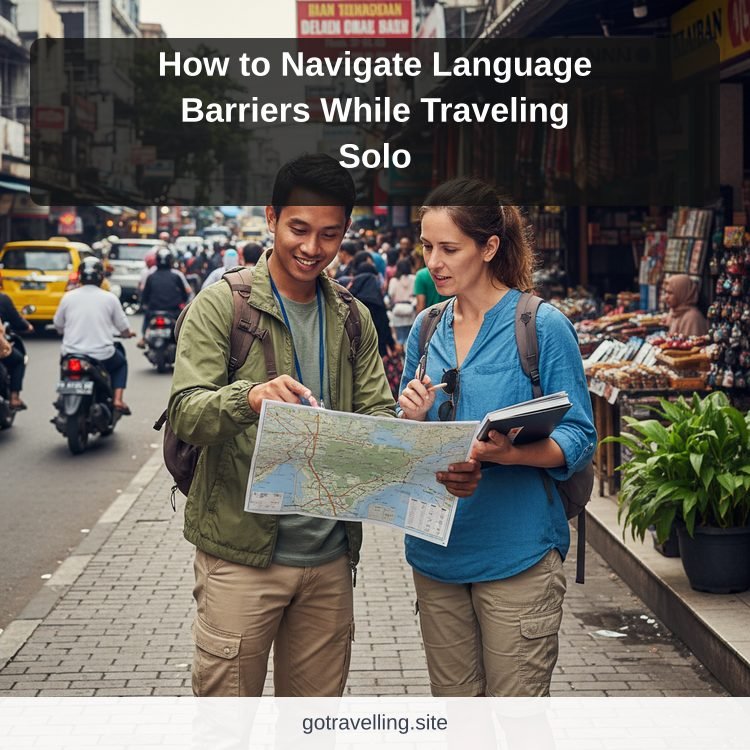
Practical scenarios are where language barriers can be most challenging, yet with a few strategies, you can navigate them gracefully during your solo holiday. When dining, if a menu isn’t available in English, don’t despair. Use your phone’s camera translation app to scan the menu. Alternatively, you can point to dishes at other tables that look appetizing, or use a phrasebook to ask for recommendations (“Do you have any local specialties?”). If all else fails, a simple “surprise me!” can lead to a delightful culinary adventure. For directions, always carry a physical map or ensure your digital maps (like Google Maps) are downloaded for offline use. Pointing to your destination on the map is often clearer than trying to pronounce a difficult street name. If you need to ask a local, start with “Excuse me, do you speak English?” in their language. If they don’t, show them your map or the written address. Be prepared for charades – mimic walking, turning, or pointing to landmarks. Don’t be shy about showing a photo of your hotel or destination on your phone. For shopping, keep a small note pad and pen to write down numbers for prices or quantities. When using public transport, try to understand basic signage and route numbers beforehand. If you need to buy online flight ticket for an internal flight or a train ticket, consider using a translation app or asking for assistance at an information desk. Always remember to maintain a polite and patient demeanor; locals are often keen to help but might also be struggling to understand you. These small preparations and tactics ensure that even the most mundane tasks become manageable learning experiences during your solo travels, enhancing your overall experience, especially when you’re relying on a good deal like a cheap flight ticket or a thoughtfully chosen flight and hotel package.
Building Connections Beyond Words: Cultural Immersion
While overcoming language barriers is crucial for practical navigation, the ultimate goal of solo travel for many is deeper cultural immersion and building genuine connections during their holiday. Don’t let a lack of shared language deter you from engaging with locals. Participating in cultural activities is an excellent way to connect on a non-verbal level. Take a cooking class where actions speak louder than words, join a local craft workshop, or attend a traditional dance performance. These shared experiences foster a sense of community and understanding without needing extensive dialogue. Volunteering for a day or two in a local project can also provide meaningful interactions, as common goals often transcend linguistic differences. Additionally, observe and mimic local customs. If everyone is bowing before entering a temple, do the same. If people greet each other with a kiss on the cheek, try to follow suit (if you feel comfortable and it’s appropriate). These small gestures demonstrate respect and a willingness to integrate, often opening doors to warm hospitality. Learning about local etiquette regarding greetings, dining, and personal space before you travel can prevent accidental offense and encourage positive interactions. Offering a small token of appreciation, such as a traditional gift from your home country, to someone who has helped you can be a powerful gesture of gratitude that doesn’t require words. Remember, laughter is universal; a shared moment of humor can break down barriers instantaneously. Embracing these opportunities for connection will transform your solo journey from a mere sightseeing trip into a deeply enriching and memorable exploration of human connection, regardless of whether you’re traveling on a budget cheap flight ticket or a meticulously planned flight and hotel package, secured after you buy online flight ticket.
Handling Emergencies and Unexpected Situations
Even the most meticulously planned solo trip can encounter unforeseen emergencies, and a language barrier can heighten stress in such situations. Preparation is key to managing these scenarios effectively. Before you depart, save emergency contact numbers (local police, ambulance, fire services) in your phone, along with the contact information for your country’s embassy or consulate in the destination country. It’s also wise to have a physical card with your name, blood type, any significant allergies or medical conditions, and emergency contact details clearly printed in both English and the local language. Carry a small first-aid kit with basic medicines and any prescription drugs, along with their generic names, which can be easier to translate. If you find yourself in a medical situation, try to use a translation app to explain your symptoms concisely. Many hospitals in popular tourist destinations will have some English-speaking staff, but it’s not guaranteed. In case of legal trouble or theft, immediately contact your embassy or consulate; they can provide assistance and connect you with local resources. Having travel insurance is non-negotiable for solo travelers, as it can cover medical emergencies, lost belongings, and other unexpected events. Before your holiday, thoroughly review your insurance policy and know how to contact them from abroad. In any emergency, try to remain calm. Clearly articulate your need using simple words, gestures, and translation apps. Tourist information centers or larger hotels often have staff who can assist with translations or provide local support. Knowing you have these safeguards in place can provide immense peace of mind, allowing you to enjoy your solo adventure without constant worry, whether you pieced it together with a savvy cheap flight ticket and separate accommodation or opted for a convenient flight and hotel package after you buy online flight ticket.
Building Confidence Through Small Victories
Overcoming language barriers isn’t about becoming perfectly fluent overnight; it’s about building confidence through small, incremental victories. Each successful interaction, no matter how minor, will empower you to tackle the next. Start with basic greetings and pleasantries. Successfully ordering a cup of coffee or asking for the time can feel like a monumental achievement when you’re navigating a new language. Don’t be afraid to make mistakes; locals generally appreciate the effort, even if your pronunciation is far from perfect. In fact, a humorous mispronunciation can often lead to laughter and a warmer interaction. Actively listen to how locals speak, even if you don’t understand the words. Pay attention to intonation, rhythm, and common phrases. This passive learning can help you pick up clues and patterns over time. Engage in conversations, even simple ones. Ask about local customs, recommend a dish, or inquire about typical activities. The more you practice, the more comfortable you will become. Remember that many people around the world are used to interacting with tourists and are often very patient and willing to help. Embrace the challenge as part of the adventure. Every time you successfully communicate despite the language gap, you’re not just getting your message across; you’re also developing resilience, adaptability, and a deeper appreciation for diverse cultures. These small victories collectively contribute to a much richer and more fulfilling solo holiday experience, making every cheap flight ticket purchase or flight and hotel package booking an opportunity for profound personal growth and expanded horizons. The sense of accomplishment derived from navigating a foreign land on your own, especially after you buy online flight ticket and face down the language challenge, is truly unparalleled.
Conclusion
Embarking on a solo holiday journey is an incredible opportunity for self-discovery and cultural immersion, and while the thought of navigating language barriers might initially seem daunting, it is a challenge that can be overcome with preparation, the right tools, and a positive mindset. From pre-trip linguistic efforts and leveraging powerful translation apps to mastering non-verbal cues and embracing cultural immersion, every strategy contributes to a smoother and more rewarding experience. Remember, the goal isn’t necessarily fluency, but effective communication and connection. By equipping yourself with a few key phrases, utilizing technology wisely, and being open to the universal language of kindness, you can confidently explore any destination. So, don’t let linguistic differences deter you from that dream trip. Go ahead, take the plunge to buy online flight ticket to your next adventure, whether you’re seeking a budget-friendly cheap flight ticket or a luxurious flight and hotel package. The world awaits, full of incredible experiences ready to be discovered, and with these tips, you’ll be well-prepared to engage, understand, and create unforgettable memories, regardless of the words spoken.