
Embarking on an international holiday often conjures images of pristine beaches, bustling cityscapes, and exotic cuisines. However, for many intrepid travelers, the allure of exploring a new destination at their own pace, with the freedom to diverge from well-trodden tourist paths, means considering driving abroad. The convenience of a rental car, the ability to escape to remote villages, or the sheer joy of a scenic road trip can transform a good trip into an unforgettable adventure. Yet, before you automatically add a rental car to your buy online flight ticket or look for a cheap flight ticket, it’s imperative to understand the multifaceted nuances of driving in a foreign country. Without proper preparation, what promises to be an exciting experience can quickly devolve into a stressful and costly ordeal. From navigating unfamiliar road signs to understanding local traffic laws, and from insurance complexities to the simple act of finding parking, there’s a significant amount of information to assimilate. This comprehensive guide aims to equip you with the essential knowledge and practical tips to ensure your driving adventure abroad is as smooth and enjoyable as possible, seamlessly integrating with your carefully planned flight and hotel package for the ultimate holiday.
Understanding International Driving Permits (IDPs) and Other Documentation
One of the most crucial elements to address before even considering getting behind the wheel abroad is proper documentation. Many countries, particularly those that are signatories to the 1949 Geneva Convention on Road Traffic or the 1968 Vienna Convention on Road Traffic, require an International Driving Permit (IDP) in conjunction with your valid domestic driver’s license. An IDP is essentially a multi-language translation of your driver’s license, designed to be understood by local authorities. It is not a standalone document and must always be presented alongside your original license. For instance, if you are an American planning a driving holiday in Italy or France, an IDP issued by the American Automobile Association (AAA) or the American International Automobile Association (AIAA) is mandatory. Without it, you could face hefty fines, have your rental car confiscated, or even be denied a rental car in the first place, despite having an otherwise valid US license. The validity period of an IDP is typically one year, though it can vary by issuing agency and country. It’s also vital to check the specific requirements of each country you plan to drive in, as some nations, even if not strict IDP adherents, may still strongly recommend it for ease of communication during traffic stops or accidents. Furthermore, always carry your passport, vehicle registration (if you own the car or have proper rental documentation), and proof of insurance at all times while driving. Failing to produce these documents upon request can lead to significant inconvenience and legal complications abroad.
Navigating Different Driving Laws and Road Customs
Beyond the paperwork, understanding and adapting to local driving laws and customs is paramount for a safe and stress-free experience. This goes far beyond simply knowing which side of the road to drive on. For example, in many European countries like Germany, the Autobahn has sections with no speed limit, but strict rules regarding passing lanes and maintaining safe distances apply. Conversely, in Japan, while driving is on the left, their complex intersection rules and pedestrian priorities can be quite different from Western norms. Roundabouts, for instance, are common in the UK and Ireland, and understanding the yield rules is critical to avoid collisions. Some countries, such as Australia, have very stringent laws regarding drunk driving, with zero-tolerance policies in many areas, often enforced with random breath tests. In other places, like parts of Southeast Asia, horn usage is not necessarily a sign of aggression but often serves as a warning or to acknowledge other drivers. Parking regulations can also vary wildly; in Paris, for instance, parallel parking in tight spaces is an art form, and understanding the pay-and-display systems or resident-only zones is crucial to avoid tickets or towing. Researching these specific laws before your holiday is highly recommended. Websites of national tourism boards, automobile associations, and even online travel forums can provide invaluable insights into local driving peculiarities. Familiarity with common road signs, which often adhere to international standards but can have subtle local variations, is also a significant advantage.
Car Rental Logistics and Insurance abroad for your holiday
Booking a rental car can seem straightforward, especially when bundled with a flight and hotel package, but there are several critical considerations when driving abroad. Firstly, age restrictions are common; many rental companies require drivers to be at least 21, and some even charge a young driver’s surcharge for those under 25. Conversely, some countries have an upper age limit, so always check if you’re an older driver. When you buy online flight ticket, you might get an option to book a car as well, but always scrutinize the terms and conditions. The type of vehicle is also important – a small car might be ideal for navigating narrow European streets, while a 4×4 could be necessary for rugged terrain in other regions. Manual vs. automatic transmission is another key decision; if you’re uncomfortable with a stick shift, ensure your booking explicitly states an automatic, as manuals are far more prevalent in many parts of the world. Insurance is perhaps the most complex and vital aspect. Your personal car insurance policy or credit card might offer some coverage, but it’s rarely comprehensive enough for international driving. Most rental companies will offer collision damage waiver (CDW) or loss damage waiver (LDW), which reduce your financial liability for damage or theft. However, these often come with a high deductible or “excess fee.” Supplemental liability insurance (SLI) is also crucial, covering damages to third parties. Before you arrive, understand what your existing policies cover and what additional coverage you’ll need. Websites like RentalCover.com or Allianz Travel can offer third-party insurance options that are often more affordable and comprehensive than those offered at the rental counter. Always inspect the vehicle thoroughly for existing damage before driving off and document it with photos or video to avoid being charged for pre-existing issues upon return. Ensure the rental agreement fully details what is included in the price and any additional charges, such as fuel policies, GPS rental, or one-way fees, to avoid surprises during your holiday.
Roadside Assistance and Emergency Protocols in a Foreign Country
Even the most meticulously planned road trip can encounter unexpected challenges, making a clear understanding of roadside assistance and emergency protocols essential. Breaking down in an unfamiliar country, especially if there’s a language barrier, can be incredibly stressful. Before you embark on your journey, ensure your rental car comes with a reliable roadside assistance program. Many major international rental companies, like Hertz, Avis, or Enterprise, offer 24/7 emergency support, but it’s crucial to confirm this during the booking process. Make sure you have the direct contact number for their roadside assistance, not just the general booking line, and understand their process for handling breakdowns, flat tires, or mechanical issues. In the event of an accident, the first priority is always safety. Move your vehicle to a safe location if possible, activate your hazard lights, and set up a warning triangle (often legally required in many European countries and provided with rental cars). Immediately contact local emergency services; familiarize yourself with the universal emergency number 112, which works across the European Union and many other countries, or research the specific local emergency numbers. Then, inform your rental company and your travel insurance provider. Document everything: take extensive photos of the accident scene, vehicle damage, and any relevant road signs. Collect contact information from all parties involved, including names, addresses, phone numbers, and insurance details. If local police are involved, ask for a copy of the accident report. Having comprehensive travel insurance that includes emergency medical evacuation and car rental excess coverage can provide a vital safety net. Understanding these protocols pre-emptively can turn a potentially disastrous situation into a manageable inconvenience, allowing you to salvage the rest of your holiday plan.
Practical Tips for a Smooth Driving Experience Abroad
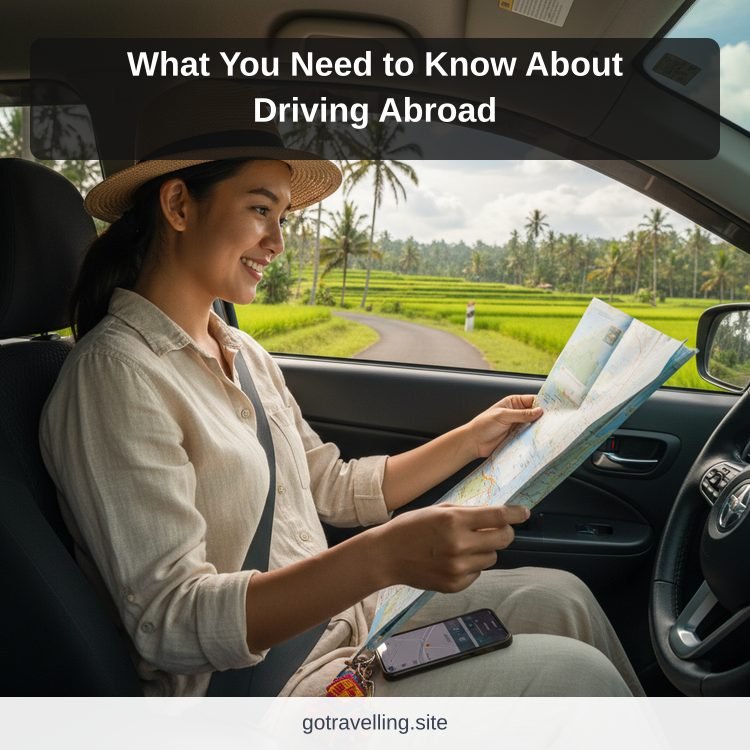
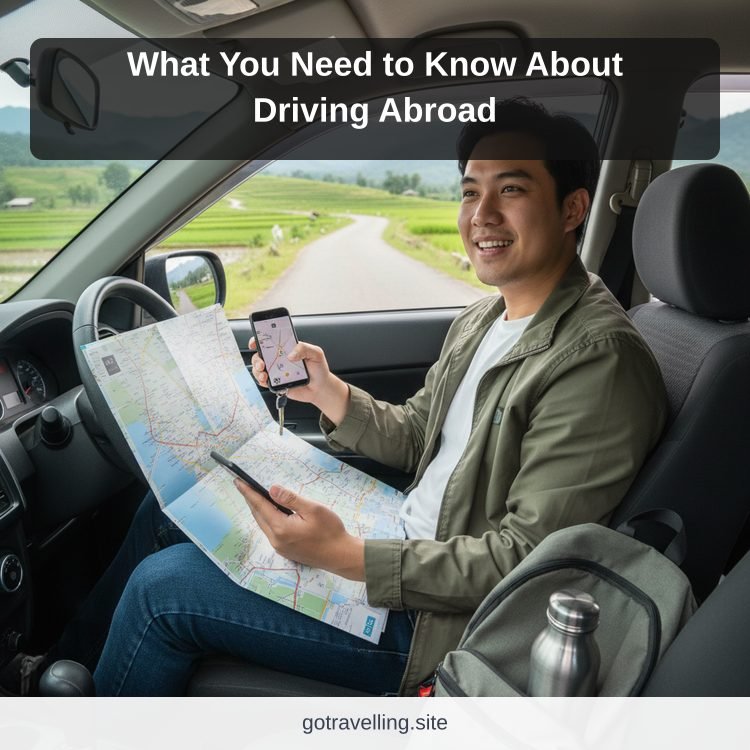
Beyond the legalities and logistics, several practical tips can significantly enhance your driving holiday abroad. Firstly, investing in a reliable GPS or using navigation apps like Google Maps or Waze is invaluable. Download offline maps before you travel, as Wi-Fi or data might be spotty or expensive in rural areas. Having a portable phone charger or car adapter is also crucial to keep your navigation device powered. Understand the local fuel types and pump operations; diesel (Gazole/Gasóleo) and unleaded petrol (Sans Plomb/Benzina) are common, but the names can vary. Some countries, particularly in Europe, have self-service pumps that require pre-payment or payment at a kiosk after fueling. Always check if you need to use a specific type of fuel and avoid putting the wrong fuel in the tank, which can cause significant engine damage and render your rental car useless. Parking can be a major headache in densely populated cities. Research parking options in advance, including public garages, street parking rules, and potential costs. Many European cities have restricted driving zones (ZTL in Italy, for example) that are monitored by cameras, and unauthorized entry can result in hefty fines. Public transport might be a better option for exploring city centers. Be aware of varying traffic laws regarding horns, headlamps, and indicators; in some countries, using your horn unnecessarily is frowned upon, while in others, it’s an expected communication tool. When you buy online flight ticket there may be options to add extra drivers, if required for your holiday, always ensure all potential drivers are listed on the rental agreement and meet the necessary age and license requirements. This ensures they are covered by insurance. Stay alert and adapt to local driving styles, which can range from aggressive to overly cautious. Finally, pack an international adaptor for charging your devices, and consider a small first-aid kit for minor emergencies. These small preparations can make a world of difference for your holiday.
Considering Tolls, Vignettes, and Environmental Zones
Driving abroad often involves more than just the cost of fuel and rental; tolls, vignettes, and increasingly, environmental zones, are additional factors to budget for and understand. Toll roads are prevalent in many countries, especially across Europe and parts of Asia. These can range from small fees collected at manual or electronic booths to complex electronic systems. For instance, in France, Italy, and Spain, many motorways are toll roads, and payment can be made with cash, credit card, or via an electronic transponder system (like a Telepass in Italy). Some rental cars might come equipped with these transponders, simplifying the process and potentially offering discounts, but this should be confirmed with the rental company. In countries like Switzerland, Austria, and the Czech Republic, you’ll need to purchase a “vignette” – a sticker affixed to your windshield – to use their motorways. Driving on these roads without a valid vignette can result in substantial fines. These are typically available at border crossings, petrol stations, or post offices, and can be purchased for varying durations (e.g., 10 days, 1 month, 1 year). Failure to display a valid vignette is equivalent to driving without paying the toll. Beyond traditional tolls and vignettes, many cities are introducing Low Emission Zones (LEZ) or Ultra Low Emission Zones (ULEZ) to combat air pollution. Major cities like London, Paris, Berlin, and Rome have implemented these zones, which restrict access for vehicles that don’t meet specific emission standards or require the purchase of a special permit (e.g., a Crit’Air sticker in France). If your rental car doesn’t meet the requirements or you fail to acquire the necessary permit, you could face automatic fines captured by ANPR cameras. Researching the specific requirements for each city you plan to visit is crucial, as these regulations are dynamic and non-compliance can be costly. When you book your flight and hotel package, consider whether these fees significantly impact the overall cost of your trip compared to public transport, especially if you’re only planning short excursions outside of major cities. Being proactive about understanding these charges will prevent unwelcome surprises and ensure a smoother, cheaper flight ticket worthy travelling experience.
Securing Your Vehicle and Belongings
When you’re enjoying your holiday, the last thing you want to worry about is the security of your rental car and your belongings. Different parts of the world present varying levels of risk for vehicle theft or break-ins, so it’s wise to adopt sensible precautions. Always park in well-lit, secure areas, preferably in attended car parks or garages. Avoid leaving valuable items, such as your passport, wallet, camera, or laptop, visible in the car. Even if you’re just stopping for a quick coffee, it’s best to take highly valuable items with you or lock them in the trunk out of sight. Remember that some car boots or trunks might not be accessible from the passenger compartment, making it harder to retrieve items if you forget them. If you have luggage you can’t take with you, ensure it’s securely stowed in the trunk or covered from view. Never leave copies of important documents inside the car, even if hidden, as these could aid identity theft if thieves gain access. When leaving the vehicle, always double-check that all windows are fully closed and all doors are locked. Don’t leave spare keys hidden under the car or in easily discoverable places. In some regions, additional anti-theft devices, such as steering wheel locks or immobilizers, might be recommended; inquire with your rental company if these are available. If you’re renting in a country with a higher incidence of car theft, consider adding theft protection to your rental car insurance, if it’s not already included in your flight and hotel package deal. This extra layer of protection can offer peace of mind, knowing that if the unthinkable happens, you won’t be left with a huge financial burden. Being vigilant about vehicle security allows you to fully immerse yourself in your holiday experience without unnecessary anxiety about crime.
Fueling Up: Understanding Local Practices and Avoiding Pitfalls
Fueling your rental car in a foreign country can present its own set of minor challenges and potential pitfalls that are worth understanding before your road trip begins. The most common mistake is putting the wrong type of fuel into the tank. Petrol (gasoline) and diesel are the two main types, but their local names can vary significantly. For example, petrol might be called ‘essence’ in France, ‘benzina’ in Italy, or ‘gasolina’ in Spain, while diesel could be ‘gazole,’ ‘gasolio,’ or ‘gasóleo.’ Always double-check the fuel cap or the rental car’s documentation to confirm the correct fuel type, and pay close attention to the pump nozzles, which often have different colors or sizes to prevent errors. Modern cars have safety features, but it’s still possible to make a mistake. If you do accidentally put the wrong fuel in, DO NOT start the engine. Contact your rental company or roadside assistance immediately, as starting the car can cause severe and expensive engine damage. Payment methods at petrol stations also vary. In many parts of Europe, particularly late at night, you might encounter unattended self-service pumps that only accept credit/debit cards. Ensure your card is compatible with international systems and that you know your PIN. Some older pumps might require you to pre-pay inside the kiosk before pumping, while others allow you to pump first and then pay. Understanding these local practices can save you time and frustration. Fuel prices also fluctuate greatly from country to country, and even region to region within a country. Major motorways often have higher fuel prices than local stations, so planning your refueling stops can help you save money. Apps like ‘GasBuddy’ (for North America) or local equivalents can help you find the cheapest fuel nearby. Finally, be aware of octane ratings; while most rental cars will run fine on standard unleaded, some performance vehicles might require premium. Always adhere to the manufacturer’s recommendations for your holiday.
Technology and Connectivity on the Road
In today’s interconnected world, technology plays a pivotal role in making international driving holidays smoother and safer. Integrating digital tools into your travel plan is highly recommended. A reliable smartphone is your best friend when driving abroad, acting as a GPS, a communication device, and a source of crucial information. As mentioned, navigation apps like Google Maps, Waze, or Apple Maps are essential. Download offline maps of your route and destination areas before you leave your Wi-Fi zone to ensure continuous navigation even without an internet connection. This is particularly useful in remote areas or where data roaming charges are prohibitively expensive. Consider purchasing a local SIM card upon arrival, or an eSIM plan that covers multiple countries, for affordable data access. This allows you to make calls, send messages, and access online information without worrying about high roaming fees. Many rental cars now come with built-in GPS systems, but these can sometimes be outdated or user-unfriendly; relying on your phone is often a better option. Hands-free kits or Bluetooth connectivity are crucial for making calls safely while driving, as using a handheld phone is illegal in most countries. A portable power bank or a car charger (USB adapter for the cigarette lighter socket) is indispensable to keep your devices charged, especially during long drives. Beyond navigation, apps for currency conversion, language translation (like Google Translate), and local public transport information can greatly enhance your travel experience. Online flight ticket and flight and hotel package booking apps can also be useful for last-minute changes or confirmations. For cheap flight ticket alerts during your holiday, having access to the internet on the go can be quite beneficial. Even something as simple as a music streaming service can make those long stretches on the road more enjoyable. Embrace technology to stay informed, connected, and entertained, ensuring your driving holiday remains a seamless and pleasant adventure. Always remember to prioritize road safety and use these tools responsibly, avoiding distractions while driving.
Kesimpulan
Driving abroad offers an unparalleled sense of freedom and adventure, allowing you to craft a truly personalized holiday experience, far beyond what a standard flight and hotel package might offer. However, as this comprehensive guide illustrates, it’s an undertaking that demands thorough preparation and an understanding of nuanced international regulations. From securing the correct International Driving Permit and scrutinizing your car rental insurance options to mastering local traffic laws and navigating unfamiliar road customs, each step is vital. Being prepared for potential roadside emergencies, understanding toll systems, and prioritizing vehicle security will all contribute significantly to a stress-free journey. By proactively addressing these considerations, you not only minimize potential hassles and unexpected costs but also enhance your ability to fully immerse yourself in the culture and landscapes of your chosen destination. Don’t let the allure of a cheap flight ticket overshadow the importance of sound preparation for your road trip. Take the time to research, plan, and equip yourself with the knowledge needed to drive confidently and safely. Your next international driving holiday can be an incredibly rewarding experience, offering memories that last a lifetime, provided you set the stage for success. So, pack your bags, confirm your documents and your buy online flight ticket, and get ready for an unforgettable adventure on the open road with GoTravelling.
{“@context”:”https://schema.org”,”@type”:”Article”,”headline”:”What You Need to Know About Driving Abroad”,”description”:”buy online flight ticket — Embarking on an international holiday often conjures images of pristine beaches, bustling cityscapes, and exotic cuisines. However,”,”datePublished”:”2026-06-06T01:24:49.384Z”,”dateModified”:”2026-06-06T01:24:49.384Z”,”author”:{“@type”:”Organization”,”name”:”gotravelling.site”,”url”:”https://gotravelling.site”},”publisher”:{“@type”:”Organization”,”name”:”gotravelling.site”,”url”:”https://gotravelling.site”},”image”:[“http://gotravelling.site/wp-content/uploads/2026/06/autoartikel-1780709080.jpg”]}