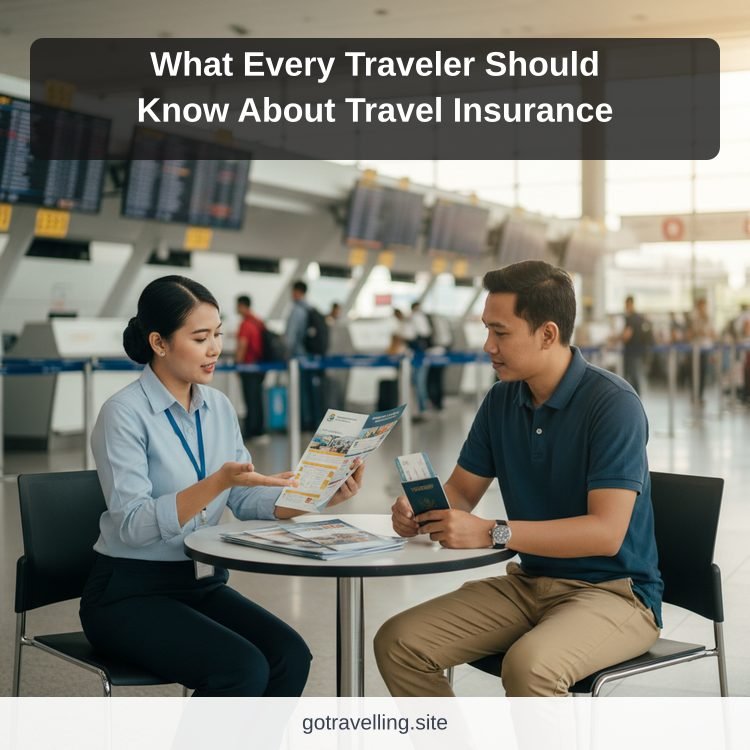
Planning your next getaway, perhaps searching to buy online flight ticket to an exotic destination, or maybe you’re dreaming of an incredible holiday filled with exploration? While the excitement of booking a cheap flight ticket and finding the perfect flight and hotel package can be exhilarating, there’s one crucial aspect of travel planning that often gets overlooked: travel insurance. Many travelers view it as an unnecessary expense, a ‘what if’ scenario that rarely materializes, but this couldn’t be further from the truth. In an unpredictable world, where flight delays, lost luggage, medical emergencies, or even trip cancellations can turn a dream vacation into a nightmare, understanding the intricacies of travel insurance is paramount. This comprehensive guide will illuminate why travel insurance isn’t just an option, but a vital component for any smart traveler, ensuring peace of mind and financial protection no matter where your adventures take you.
The Core Purpose of Travel Insurance and Its Benefits for Your Holiday
At its heart, travel insurance serves as a financial safety net, designed to protect you from various risks and financial losses that can occur before or during your trip. It’s essentially a contract where, for a premium, the insurer agrees to cover specified losses. Think about the countless hours spent comparing destinations, researching to buy online flight ticket options, and meticulously crafting your itinerary. All that effort and financial outlay could be jeopardized by unforeseen circumstances. For instance, what if you suddenly fall ill a week before your departure and can no longer travel? Without travel insurance, you stand to lose the significant investment made in your cheap flight ticket and flight and hotel package. Travel insurance encompasses a wide array of coverages, from medical emergencies and trip cancellations to lost baggage and travel delays. It provides not just financial reimbursement but also invaluable assistance services, such as connecting you with medical facilities abroad or helping replace lost travel documents. The peace of mind knowing you’re protected allows you to fully immerse yourself in the joy of your holiday, rather than constantly worrying about potential mishaps.
Understanding Different Types of Travel Insurance for Informed Decisions
Navigating the various types of travel insurance can seem daunting, but understanding the differences is key to choosing the right coverage for your specific holiday needs. The most common varieties include single-trip, multi-trip (annual), and specialized policies. A single-trip policy covers one specific journey, from the moment you depart to your return date. This is ideal for those who travel infrequently or whose trips vary significantly in destination and duration. For example, if you just bought a cheap flight ticket for a two-week European adventure, a single-trip policy tailored to that specific holiday would be appropriate. Multi-trip or annual policies, on the other hand, are designed for frequent flyers, covering all trips taken within a 12-month period, often with a maximum duration per trip. If you regularly buy online flight ticket deals for weekend getaways or several longer vacations throughout the year, an annual policy can be more cost-effective and convenient than purchasing individual policies each time. Then there are specialized policies, which cater to unique travel requirements, such as adventure travel insurance for activities like skiing or scuba diving, cruise insurance, or even policies with enhanced medical coverage for pre-existing conditions. For instance, if your holiday involves a challenging trek in the Himalayas, a standard policy might not cover emergency helicopter evacuation, making specialized adventure travel insurance essential. Carefully assessing your travel habits and the nature of your upcoming trip is crucial before deciding which type of policy is best suited for your next exciting journey.
Key Coverage Areas: What Does Travel Insurance Actually Protect?
When you invest in travel insurance for your holiday, you’re essentially buying protection across several critical areas. Understanding these will help you appreciate the value it brings. The most significant component for many travelers is Medical Emergency Coverage. This covers expenses for unexpected illnesses or injuries that occur abroad, including doctor’s visits, hospital stays, surgery, and even emergency medical evacuations back to your home country. Imagine you’re on a remote island, enjoying your cheap flight ticket, and suddenly fall ill, requiring hospitalization; the costs without insurance could be astronomical. Another vital aspect is Trip Cancellation and Interruption Coverage. This reimburses non-refundable expenses (like your flight and hotel package) if you have to cancel your trip due to unforeseen circumstances such as illness, a family emergency, or natural disasters at your destination. If, for instance, you’ve decided to buy online flight ticket months in advance for a special holiday, but a significant life event prevents you from traveling, this coverage safeguards your financial investment. Baggage Loss, Delay, and Damage Coverage provides compensation if your luggage is lost, stolen, damaged, or delayed during transit, allowing you to purchase essential items. Lastly, Travel Delay Coverage offers reimbursement for expenses incurred due to unexpected delays, such as meals or accommodation, often triggered by events like severe weather or airline mechanical issues. These intertwined coverages form a robust safety net, ensuring that your next holiday is protected against a wide range of potential problems.
Exclusions and Limitations: Reading the Fine Print Before Your Holiday
While travel insurance offers comprehensive protection, it’s imperative to understand that policies come with specific exclusions and limitations. Failing to examine the fine print can lead to unpleasant surprises when you need to make a claim during your holiday. Common exclusions include pre-existing medical conditions not declared or specifically covered, acts of war, pandemics (though some policies now offer limited COVID-19 coverage), self-inflicted injuries, and elective procedures. For instance, if you have a chronic heart condition and your policy explicitly excludes pre-existing conditions, any medical expenses related to that condition while on your trip will not be covered. Additionally, be aware of activities not covered; adventurous pursuits like skydiving, bungee jumping, or heli-skiing often require additional, specialized coverage. If you’re planning such an activity during your holiday after securing your cheap flight ticket and flight and hotel package, ensure your policy explicitly covers it. There are also usually limits on coverage amounts, such as a maximum reimbursement for lost luggage or emergency medical care, and deductibles that you must pay out-of-pocket before the insurance kicks in. Understanding these limitations is not about deterring you from buying travel insurance, but empowering you to choose a policy that truly aligns with your travel plans and potential risks. Always take the time to read the full policy document, or ask your insurer directly, especially when looking to buy online flight ticket for an extraordinary adventure.
Choosing the Right Policy: Factors to Consider for a Stress-Free Holiday
Selecting the ideal travel insurance policy involves a thoughtful evaluation of several key factors relevant to your upcoming holiday. First, consider your destination and duration. A short domestic trip will likely require less coverage than a month-long international adventure, especially if you’re traveling to a country with high medical costs or political instability. If you’re purchasing a cheap flight ticket for a remote destination, ensure your policy covers medical evacuation to a facility that can provide appropriate care. Second, assess the cost of your trip. This includes your flight and hotel package, any non-refundable tours, and other pre-paid expenses. The higher the financial investment, the greater the need for robust trip cancellation coverage. Third, evaluate your health and age. Older travelers or those with pre-existing medical conditions may need policies with higher medical limits and specific clauses for their health status. Make sure to declare any pre-existing conditions truthfully to avoid voiding your policy. Fourth, consider the activities you plan to undertake. As mentioned before, many adventure sports are often excluded from standard policies and require add-ons. Finally, compare different providers and their offerings. Don’t just look at the premium price; examine the coverage limits, deductibles, customer service reputation, and ease of making a claim. Reading reviews and getting quotes from multiple companies allows you to find the best value and most suitable protection for your peace of mind before you buy online flight ticket and embark on your well-deserved holiday.
Practical Tips for Purchasing and Using Your Travel Insurance
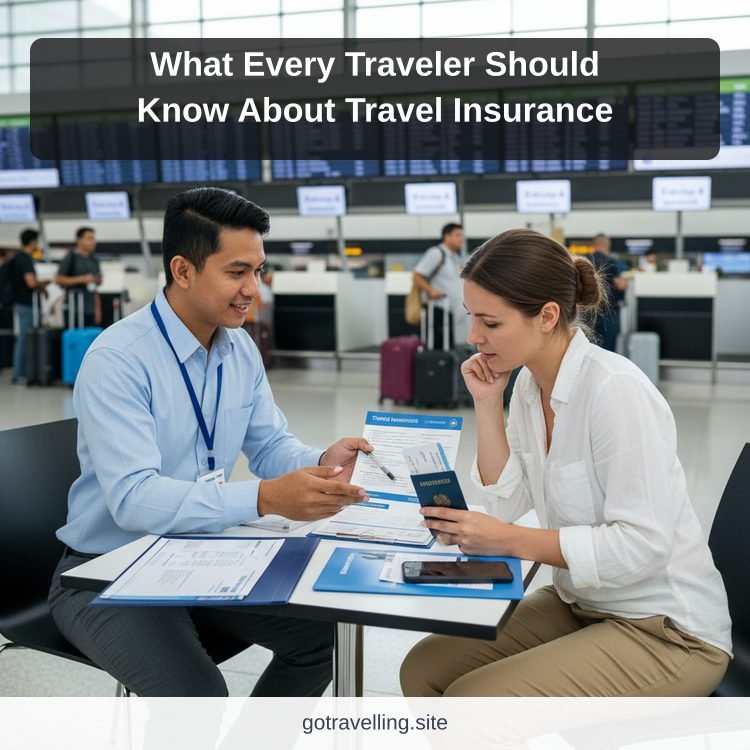
Once you’ve decided to protect your holiday with travel insurance, there are several practical steps to ensure you purchase the right policy and know how to use it effectively. First, purchase your policy early. Ideally, buy it shortly after you make your first trip payment, such as when you secure your cheap flight ticket or book your flight and hotel package. This ensures you’re covered for trip cancellation benefits from the earliest possible date. Some benefits, like “cancel for any reason” (CFAR) coverage, often require purchase within a certain timeframe (e.g., 10-21 days) of your initial trip deposit. Second, always read the entire policy document thoroughly. This cannot be stressed enough. It outlines exactly what is covered, what is excluded, the limits of coverage, and the claims process. If anything is unclear, contact the insurance provider for clarification. Third, keep all your travel documents and receipts organized. If you need to make a claim, you’ll likely need proof of your expenses, such as your flight and hotel package receipts, medical bills, and police reports for theft. Take photos of damaged luggage. Fourth, know how to contact your insurer while traveling. Save their emergency contact numbers (including international numbers) and policy details on your phone and in a physical copy. In an emergency, knowing who to call and having your policy number readily available can significantly expedite assistance. Finally, act promptly if an incident occurs. Report any incidents, such as lost luggage or medical emergencies, to the relevant authorities and your insurance provider as soon as possible. Delaying notification could jeopardize your claim. By following these tips, you can maximize the benefits of your travel insurance and ensure a smoother, safer holiday, especially after all the effort you put into finding that perfect to buy online flight ticket deal.
Common Misconceptions About Travel Insurance Debunked
Many travelers harbor misconceptions about travel insurance that can lead to being underprepared or even entirely unprotected during their holiday. Let’s debunk a few. A common myth is, “My credit card already covers everything.” While some premium credit cards offer limited travel benefits, such as basic car rental insurance or minimal trip delay coverage, they rarely provide comprehensive medical emergency, trip cancellation, or extensive baggage protection. Relying solely on your credit card for a significant trip, especially if you’ve booked an affordable flight and hotel package, is a risky gamble. Another misconception is, “I’m always healthy, so I don’t need medical coverage.” Accidents and unexpected illnesses can strike anyone, anywhere, regardless of their usual health. A simple fall could result in a broken bone, and international medical bills can quickly escalate into tens of thousands of dollars, easily outweighing the cost of a cheap flight ticket. Some believe, “Travel insurance only covers extreme events.” While it does cover major disruptions, it also covers more common nuisances like delayed luggage, minor medical issues, or needing to cancel due to a common cold that genuinely prevents travel. Finally, the idea that “Travel insurance is too expensive” deters many. When compared to the potential financial losses of an uninsured trip cancellation or medical emergency, the cost of a policy is typically a small percentage of your overall holiday budget, providing immense value for peace of mind. For those looking to buy online flight ticket and planning a great adventure, these clarifications highlight why a dedicated travel insurance policy is an indispensable part of smart travel planning.
Ensuring a Claim-Free Holiday and What to Do If You Need to Claim
While the primary goal is always to have a smooth, claim-free holiday, understanding how to navigate the claims process is critical in the event that things go awry. Proactive steps can minimize the chances of needing to claim. Planning meticulously, researching your destination thoroughly, purchasing a comprehensive flight and hotel package from reputable providers, and being generally cautious can reduce many risks. However, if an unforeseen event occurs, immediate and organized action is key. First, as soon as an incident happens (e.g., luggage lost, flight canceled, medical emergency), contact your insurance provider’s emergency assistance line. They can offer guidance, help with medical arrangements, or advise on necessary documentation. Second, gather all relevant documentation. This is crucial for a successful claim. For medical claims, retain all hospital bills, doctor’s notes, and prescription receipts. For lost or damaged baggage, you’ll need the Property Irregularity Report (PIR) from the airline, receipts for essential items purchased, and perhaps photos of damaged items. For trip cancellation/interruption, you’ll need proof of the reason for cancellation (e.g., doctor’s note, death certificate) and documentation of all pre-paid, non-refundable expenses (your original cheap flight ticket, hotel bookings, tour receipts). Third, be truthful and thorough when filling out claim forms. Provide accurate details and attach all supporting evidence. Misrepresentation can lead to a denial of your claim. Fourth, keep copies of everything you submit to the insurance company. This provides a record for your reference. While making a claim can seem daunting, a well-prepared traveler who has meticulously researched and understood their insurance policy, perhaps after spending hours to buy online flight ticket for their dream trip, will find the process significantly less stressful and more likely to result in a positive outcome, ensuring that their holiday financial investment is protected.
Future of Travel Insurance: Innovations and Adaptations for Modern Travelers
The travel insurance industry is continuously evolving, adapting to the changing landscape of global travel and the needs of modern travelers, especially those who frequently look to buy online flight ticket for their adventures. One significant area of innovation is the increasing adoption of telemedicine services. Many policies now integrate virtual doctor consultations, allowing travelers to receive medical advice and even prescriptions from a qualified professional via video call, no matter where in the world they are. This is particularly beneficial for minor ailments, reducing the need to find local clinics or hospitals in an unfamiliar country and saving precious holiday time. Another trend is the development of more personalized and flexible policies. Instead of one-size-fits-all options, travelers can now often customize their coverage with specific add-ons for high-value items, adventure sports, or even specific travel styles. For instance, digital nomads or long-term backpackers might find specialized long-term travel insurance more suitable than a standard annual multi-trip policy. The rise of “Cancel For Any Reason” (CFAR) coverage, although more expensive, offers unparalleled flexibility and assurance, allowing travelers to cancel their cheap flight ticket and flight and hotel package for virtually any reason and receive a significant portion of their non-refundable costs back, something increasingly valued in an unpredictable world. Furthermore, the integration of technology, such as mobile apps for claims submission and immediate policy access, is streamlining the user experience. As more people seek transparent, reliable, and convenient solutions for their holiday travel, the travel insurance sector remains dynamic, striving to meet the demands of an ever-connected world, ensuring that when you decide to buy online flight ticket, you can also secure innovative protection.
Conclusion
Embarking on any journey, whether it’s a quick weekend escape or an extensive holiday overseas, is an investment – an investment of time, money, and dreams. While securing that cheap flight ticket or finding the perfect flight and hotel package, the temptation to overlook travel insurance is understandable amidst the excitement. However, as we’ve explored, travel insurance is far more than just an optional extra; it’s an indispensable component of responsible travel planning. It acts as your financial guardian, shielding you from unforeseen medical emergencies, trip cancellations, lost luggage, and countless other disruptions that could turn your meticulously planned adventure into a costly ordeal. Understanding the different types of policies, their coverages, and importantly, their limitations, empowers you to choose protection that truly fits your unique travel profile. Don’t let a potential mishap derail your dreams. Before you next buy online flight ticket or finalize your travel arrangements, make the informed decision to secure comprehensive travel insurance. It ensures not just financial security, but the invaluable peace of mind that allows you to fully savor every moment of your well-deserved holiday, confident that you’re prepared for whatever the world may bring.