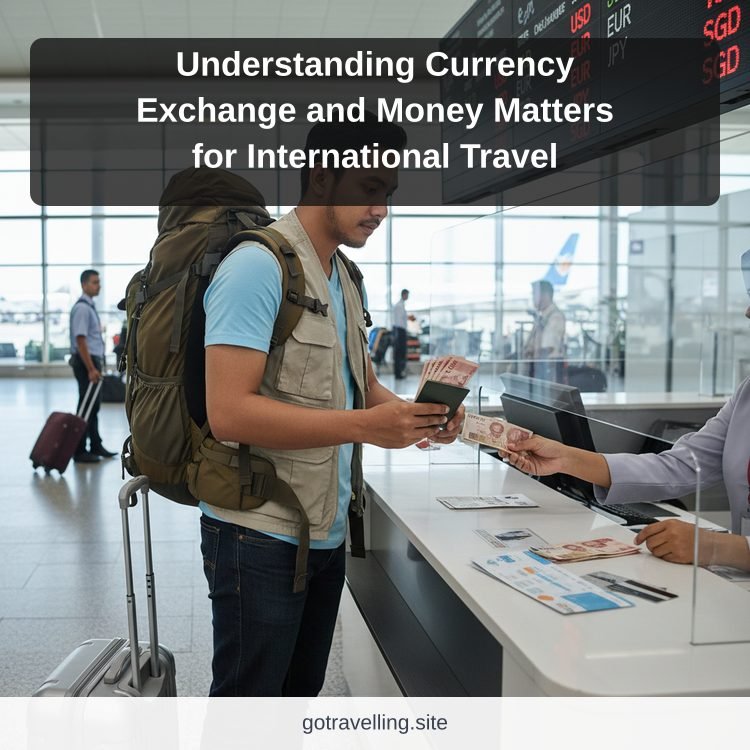
Embarking on an international adventure promises exhilaration, new cultural experiences, and unforgettable memories. However, the excitement can quickly be overshadowed by financial anxieties if you’re not adequately prepared. Navigating the complex world of currency exchange and managing your money effectively is paramount to a stress-free trip. Many travelers, especially those planning to buy online flight tickets for their dream destinations or searching for cheap flight tickets, often overlook the crucial aspects of financial planning until it’s too late. From understanding exchange rates to choosing the right payment methods and avoiding hidden fees, mastering your money matters abroad is as important as finding the perfect flight and hotel package. This comprehensive guide aims to demystify currency exchange and provide you with actionable strategies to ensure your holiday budget goes further, allowing you to focus on enjoying your journey rather than worrying about your finances.
The Fundamentals of Currency Exchange: Understanding Rates and Fees
Understanding how currency exchange works is the bedrock of smart international travel. When you exchange your home currency for a foreign one, you’re essentially trading one commodity for another, and the price of that trade is determined by the exchange rate. This rate fluctuates constantly due to various economic and geopolitical factors. For instance, if you’re planning a holiday from the US to Europe, the USD-EUR exchange rate will dictate how much euro you receive for each US dollar. It’s crucial to distinguish between the interbank rate (the rate banks use to trade with each other) and the retail rate, which is what consumers typically get. Retail rates almost always include a margin or fee charged by the exchange provider, whether it’s a bank, a currency exchange office, or an ATM. For example, if the interbank rate is 1 USD = 0.90 EUR, a retail exchange might offer 1 USD = 0.88 EUR, with the difference being their profit. These seemingly small differences can add up significantly over the course of your travel, especially if you’re making multiple exchanges or dealing with large sums. Always compare rates from different providers before committing, and be wary of “zero commission” claims, as the fee is often embedded in a less favorable exchange rate.
Beyond the rate itself, explicit fees can also impact your total cost. Some currency exchange services charge a flat transaction fee, regardless of the amount you exchange, while others might impose a percentage-based fee. For travelers looking to buy online flight tickets or secure a flight and hotel package, these fees might seem negligible compared to the larger travel expenses, but they represent avoidable costs that could be better spent on experiences. When researching where to exchange money, consider online currency exchange platforms in your home country before you depart, as they often offer more competitive rates and lower fees than airport kiosks or tourist traps abroad. For example, exchanging $1000 at a 2% fee means you pay $20, but if the exchange rate is also worse by 2%, your effective cost is much higher. Knowledge is power here; a little research into the prevailing exchange rates and common fees in your destination country can save you a substantial amount of money.
Choosing the Right Payment Methods for Your Holiday
Deciding which payment methods to use while traveling internationally is a critical step in managing your holiday finances. While cash traditionally reigned supreme, a combination of options usually offers the best balance of convenience, security, and cost-effectiveness. Credit cards are widely accepted in many parts of the world, especially for larger transactions like hotel stays, car rentals, and upscale dining. They offer the advantage of fraud protection and often come with travel rewards, such as mileage points or cashback. However, be mindful of foreign transaction fees, which typically range from 1% to 3% of each purchase. Some premium travel credit cards waive these fees, making them an excellent choice for international travel. For instance, if you buy online flight tickets with a card that waives foreign transaction fees, you’re already saving money even before you leave.
Debit cards are convenient for withdrawing local currency from ATMs, offering a direct link to your bank account. However, they also come with potential fees: ATM usage fees charged by the local bank, and foreign transaction fees (or currency conversion fees) charged by your own bank. These fees can quickly accumulate, especially with frequent, small withdrawals. Prepaid travel cards are another option, allowing you to load money in advance and lock in an exchange rate. This can be beneficial if you anticipate a favorable exchange rate before your trip, safeguarding you against adverse fluctuations. However, they might come with activation fees, reloading fees, and ATM withdrawal fees, so a thorough review of their fee structure is essential. For example, if you load €1000 onto a prepaid card and the exchange rate improves, you might miss out on potential savings. Ultimately, a prudent strategy involves carrying a combination of a credit card (no foreign transaction fees if possible) for major expenses, a debit card for ATM withdrawals in emergencies, and a small amount of local currency cash for minor purchases, tips, and places that don’t accept cards. This diversified approach mitigates risks and optimizes costs.
Smart Cash Management: When, Where, and How to Get Local Currency
Even in an increasingly cashless world, having some local currency cash on hand is often essential for international travel. Small vendors, local markets, public transportation, tips, and emergencies might require cash, especially in regions where card acceptance is less prevalent. The key is to obtain local currency smartly and cost-effectively. Avoid exchanging large sums of money at airport kiosks or hotel exchange desks, as these typically offer the worst exchange rates and highest fees. While convenient after a long flight, the premium you pay can be substantial. Instead, consider exchanging a small amount of cash in your home country before departure to cover immediate expenses upon arrival, such as a taxi or light snack. This initial amount should be just enough to get you to an ATM.
The most cost-effective way to get local currency abroad is generally through ATMs (Automated Teller Machines). Look for ATMs affiliated with major international networks like Plus, Cirrus, or Maestro. Before you travel, inform your bank of your travel plans to prevent your card from being flagged for suspicious activity and blocked. Also, inquire about your bank’s foreign ATM fees and any partner banks in your destination country that might offer fee-free withdrawals. For instance, some banks are part of global ATM alliances, which can significantly reduce or eliminate withdrawal fees. For travelers who buy online flight tickets, planning these financial details well in advance is just as important as booking the flight itself. When using an ATM, always choose to be charged in the local currency. If the ATM offers to convert your transaction into your home currency (Dynamic Currency Conversion or DCC), decline it. DCC almost always uses a less favorable exchange rate, costing you more. For example, if you withdraw 200 EUR and the ATM asks if you want to be charged in USD, choosing USD means the local bank and the ATM operator will apply their own unfavorable exchange rate, whereas choosing EUR leaves the conversion to your bank, which usually offers a better rate. Withdraw larger sums less frequently to minimize per-transaction fees. A strategic approach to cash management ensures you always have what you need without excessive charges.
Avoiding Hidden Fees and Currency Exchange Traps on Your Holiday
Hidden fees and currency exchange traps can quickly erode your holiday budget if you’re not vigilant. One of the most common pitfalls is Dynamic Currency Conversion (DCC), as mentioned earlier. When using your credit or debit card for purchases or ATM withdrawals abroad, you might be asked if you want to pay in your home currency or the local currency. Always choose the local currency. Opting for your home currency allows the foreign merchant or ATM operator to perform the conversion at their own, often inflated, exchange rate, rather than your bank’s rate, which is typically more favorable. This small decision can cost you an extra 3-10% on every transaction. For travelers who diligently search for cheap flight tickets and flight and hotel packages, succumbing to DCC negates many of those initial savings.
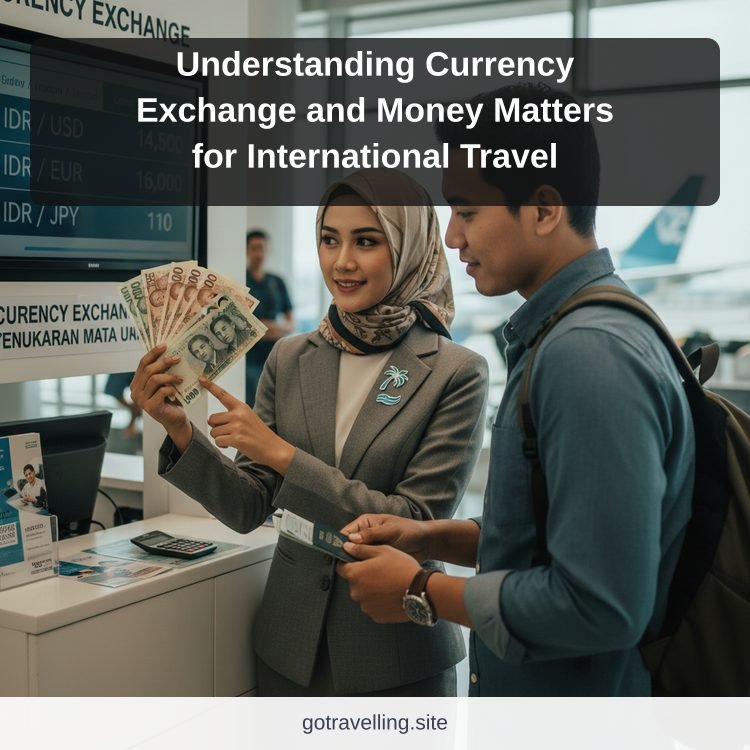
Another trap is exchanging money at highly visible, tourist-heavy locations like airports, train stations, and popular tourist attractions. These exchange bureaus often prey on convenience, offering significantly worse exchange rates and higher fees than independent exchange offices or bank ATMs located slightly off the beaten path. For example, an airport exchange office might advertise “no commission,” but their exchange rate will be so poor that you end up paying more than if you had paid a small commission elsewhere with a better rate. Be skeptical of deals that seem too good to be true. Furthermore, some exchange kiosks might display multiple rates but only apply the least favorable one unless you explicitly ask for another. Always calculate the actual amount you will receive for a given amount of your home currency before committing to an exchange. Scrutinize receipts for any unexpected charges or discrepancies. Educating yourself about these common traps is key to keeping more money in your pocket for enjoying your holiday. A proactive approach, including checking online reviews of exchange services, can save you from costly mistakes and ensure your money is spent on experiences, not unnecessary fees.
Budgeting and Tracking Expenses for a Stress-Free International Holiday
Effective budgeting and diligent expense tracking are indispensable for a financially stress-free international holiday. Before you even buy online flight tickets, sit down and create a realistic budget that covers all anticipated expenses: airfare (including any baggage or seat selection fees), accommodation (hotel, hostel, or rental), transportation within your destination (public transport, taxis, car rental), food and drink (restaurants, groceries, snacks), activities and sightseeing (museums, tours, excursions), shopping (souvenirs, gifts), travel insurance, and a contingency fund for emergencies. Overestimating rather than underestimating is always a safer bet. For example, if you plan to visit a destination known for its culinary delights, allocate a generous portion of your budget to dining experiences.
Once you have a budget, diligently track your spending as you travel. There are numerous ways to do this: a simple notebook and pen, a spreadsheet on your phone, or dedicated budgeting apps like You Need A Budget (YNAB) or Mint. Many travel-specific budgeting apps also allow you to track spending in different currencies and automatically convert them to your home currency, providing a clear picture of your financial situation. For those who meticulously search for cheap flight tickets and flight and hotel package deals, maintaining a keen eye on daily expenditures ensures that those initial savings aren’t squandered carelessly. For instance, if you budget $100 per day for food and activities, regularly checking your spending against this target helps you make informed decisions, like choosing a more affordable lunch option if you’ve splurged on a morning tour. Regular tracking helps you identify if you’re overspending in certain categories and allows you to adjust your remaining budget accordingly. This proactive approach prevents unwelcome surprises at the end of your trip and ensures you stay within your financial comfort zone. Remember, a detailed budget is not about restricting enjoyment but about empowering you to make conscious choices and maximize your holiday experience without running into debt.
Beyond daily tracking, also consider the impact of exchange rate fluctuations on your budget. If your home currency weakens significantly against the local currency during your trip, your predefined budget might not stretch as far as you initially planned. While predicting market movements is difficult, being aware of the general trend can help you decide if it’s a good time to exchange more money or rely more on card payments. For instance, locking in rates with a prepaid travel card before a predicted depreciation of your home currency could be a savvy move. Conversely, if your currency strengthens, your budget effectively gains more purchasing power. Keeping a buffer in your budget for unexpected eventualities, such as medical expenses or unforeseen travel delays, is also paramount. A well-planned budget, combined with consistent tracking, eliminates financial stress, allowing you to fully immerse yourself in the joys and discoveries of your international holiday.
Managing Money in Multiple Currencies and Understanding Exchange Rate Volatility
International travel often involves dealing with multiple currencies, especially for longer trips spanning several countries, or when a layover in a different currency zone requires a small purchase. Managing these various denominations and understanding the impact of exchange rate volatility is crucial for financial efficiency. While most modern payment systems automatically handle conversions, knowing how to mitigate the risks of fluctuating rates can save you money. For instance, if you’re booking a flight and hotel package that includes components in different currencies, monitoring exchange rates before final payment can help you decide if it’s better to pay immediately or wait. When you buy online flight tickets or secure a hotel booking, ensure you understand the final amount in your home currency, accounting for any potential foreign transaction fees.
Exchange rates can be volatile, meaning they can change significantly in a short period due to economic news, political events, or market speculation. While no one can perfectly predict these movements, being generally aware of global economic trends can be beneficial. For example, if a major economic announcement is expected that could strengthen your home currency, it might be wise to hold off on significant currency exchanges until after the announcement. Conversely, if there’s anticipation of your home currency weakening, converting some funds earlier might be prudent. Utilizing multi-currency accounts or travel cards that allow you to hold balances in various currencies can be a strategic move. These cards often enable you to convert money into a foreign currency when the exchange rate is favorable and then spend that local currency balance during your trip, effectively locking in a good rate. This strategy is particularly useful for longer holidays or those visiting multiple countries with different currencies.
For example, if you’re planning a multi-country European holiday and the EUR/USD rate is currently favorable, you could convert a portion of your travel funds into EUR on a multi-currency card. When you arrive in a Eurozone country, you spend directly from your EUR balance, avoiding dynamic currency conversion and daily exchange rate fluctuations. However, be mindful of any fees associated with these multi-currency products, such as dormant account fees or fees for converting between currencies within the account. Researching and comparing different options is key to finding the best fit for your travel style and itinerary. Ultimately, understanding how exchange rates impact your purchasing power, and proactively managing your funds across different currencies, empowers you to make informed financial decisions and maximize your budget, especially when you’re diligently looking for a cheap flight ticket or a comprehensive flight and hotel package for your next adventure.
Insurance Implications for Your Money and Possessions Abroad
Travel insurance is often overlooked but plays a vital role in protecting your finances and possessions during an international holiday. While it doesn’t directly deal with currency exchange rates, it provides crucial financial safeguarding against a myriad of unforeseen circumstances that could otherwise lead to significant monetary losses. For instance, if your wallet or purse is stolen, encompassing cash, credit cards, and important identification, a good travel insurance policy can cover the financial loss of the stolen cash (up to a certain limit), assist with emergency cash transfers, and help you replace lost documents. This level of protection can be a lifesaver, especially when you’ve invested heavily to buy online flight tickets and a comprehensive flight and hotel package, only to face an unexpected financial setback.
Beyond theft, travel insurance can also cover medical emergencies, which can incur astronomical costs abroad. Imagine falling ill or having an accident in a foreign country; without insurance, you could face medical bills that dwarf the cost of your entire trip. Many policies also offer coverage for trip cancellation or interruption, meaning if your holiday is cut short or you can’t travel due to unforeseen circumstances (e.g., severe illness, natural disaster), your financial investments in cheap flight tickets, accommodation, and tours could be reimbursed. Lost or delayed luggage is another common travel mishap; insurance can provide compensation for essential items you need to purchase while your bags are missing, or for the value of the lost items themselves. When evaluating travel insurance, carefully read the policy’s fine print. Pay close attention to coverage limits for cash and valuables, exclusions (e.g., pre-existing medical conditions, certain high-risk activities), and the claims process. Some credit cards offer limited travel insurance benefits, so check with your card provider before purchasing a separate policy, but be aware that these benefits are often less comprehensive than dedicated travel insurance. Investing in a robust travel insurance policy is not an expense; it’s a smart financial decision that provides peace of mind and protection for your money and belongings, allowing you to fully enjoy your international holiday without financial anxieties.
Conclusion
Mastering currency exchange and money matters is an indispensable component of successful international travel, ensuring your holiday is filled with unforgettable experiences rather than financial stress. From understanding the nuances of exchange rates and avoiding hidden fees like Dynamic Currency Conversion, to strategically choosing your payment methods and managing cash effectively, every decision impacts your overall budget. We’ve explored the importance of budgeting and tracking expenses, dealing with multiple currencies, and the crucial role of travel insurance in safeguarding your financial well-being. By applying these informed strategies, you can stretch your travel budget further, making the most of every dollar, pound, or euro. Don’t let financial anxieties overshadow the excitement of exploring new cultures and landscapes. Take the time to plan your money matters as meticulously as you plan your itinerary or when you buy online flight tickets for that dream destination. Equipped with this knowledge, you are now empowered to embark on a worry-free international adventure, confident that your money is well-managed, allowing you to fully immerse yourself in the joys and discoveries of your next amazing holiday. Start planning your smart financial travel strategy today and discover how much more you can experience! So, go ahead, find that cheap flight ticket and an incredible flight and hotel package because you’re ready for the world.