Are you dreaming of an exotic holiday filled with ancient wonders and breathtaking history, perhaps a journey that takes you back in time to discover civilizations long past? Cambodia offers an unparalleled experience for those seeking deep cultural immersion, particularly through its mesmerizing temple tourism. The allure of Angkor Wat, Bayon, and countless other archaeological treasures draws millions of visitors each year, yet planning such an adventure can often feel overwhelming. From figuring out the best time to visit, navigating complex temple layouts, to understanding the local customs, there’s a lot to consider. This comprehensive guide aims to demystify the process, providing you with all the essential information to plan your perfect temple-centric holiday. We’ll cover everything from managing your travel logistics to getting the best flight and hotel package, ensuring your Cambodian holiday is as smooth and enriching as possible. If you need to buy online flight ticket, or cheap flight ticket, for your adventure, this guide will provide tips to get you started.
Unveiling Angkor Wat: The Jewel in Cambodia’s Crown
Angkor Wat stands as the most iconic and magnificent example of Khmer architecture, a sprawling temple complex that embodies the peak of classical Khmer artistry and devotion. Built in the 12th century by King Suryavarman II, it was originally dedicated to the Hindu god Vishnu before transforming into a Buddhist temple. Its sheer scale and intricate bas-reliefs, depicting Hindu myths and historical battles, are utterly astounding. Visitors typically spend several hours, if not an entire day, exploring its multiple galleries, courtyards, and towering spires. The classic sunrise viewing, which casts a magical silhouette of the five lotus-bud towers against a vibrant sky, is an experience not to be missed and often requires an early start and pre-arranged transportation. For many travellers, this is the primary reason to buy online flight ticket to Cambodia.
Beyond its aesthetic grandeur, Angkor Wat is an engineering marvel. It is surrounded by a vast moats and walls, acting as a cosmic mountain (Mount Meru) on earth. The precise alignment of its structures with astronomical events, such as the equinoxes, further reveals the advanced scientific knowledge of the ancient Khmer civilization. Walking through its corridors, one can feel the centuries of history whispering from every stone, showcasing a civilization deeply connected to its spiritual beliefs and the cosmos. Don’t forget that finding a good flight and hotel package can make this iconic visit even more accessible and stress-free.
Exploring Angkor Thom and the Enigmatic Faces of Bayon
Just a few kilometers north of Angkor Wat lies Angkor Thom, a fortified city that served as the last capital of the Khmer Empire. Established in the late 12th century by King Jayavarman VII, Angkor Thom encompasses several significant temples, with Bayon at its heart. Bayon is instantly recognizable by its 200+ colossal, smiling faces carved into its 54 towers, each representing Lokeshvara, the bodhisattva of compassion, and possibly King Jayavarman VII himself. These serene yet powerful visages create an otherworldly atmosphere, especially when bathed in the soft morning or late afternoon light, offering a stark contrast to the more orderly grandeur of Angkor Wat.
Within Angkor Thom, other notable structures include Baphuon, a massive temple-mountain that once housed a reclining Buddha (now largely ruined but still impressive), and the Terrace of the Elephants, used for public ceremonies and royal parades, adorned with detailed carvings of elephants and garudas. The Terrace of the Leper King, with its mysterious statue, adds another layer of intrigue. Exploring Angkor Thom requires ample time, as each temple within its walls tells a unique story of the Khmer Empire’s power, spirituality, and artistic prowess, making it a crucial part of any temple tourism itinerary. Considering a flight and hotel package often bundles entrance fees for these magnificent sites, making your holiday planning much easier.
Ta Prohm: The Temple Embraced by Nature
Ta Prohm offers a distinctly different experience from the meticulously restored temples of Angkor Wat and Angkor Thom. Famously featured in the movie “Lara Croft: Tomb Raider,” this temple has been deliberately left largely unrestored, allowing the jungle to reclaim much of its structure. Gigantic silk-cotton and strangler fig trees have grown around, over, and through the stone blocks, their massive roots resembling colossal tentacles that entwine with the ancient walls. This creates a hauntingly beautiful and atmospheric tableau, where nature’s power to both destroy and sustain is vividly displayed.
Walking through Ta Prohm is like stepping into an archaeological adventure. The crumbling corridors, collapsed roofs, and tree roots that form natural arches provide countless opportunities for stunning photographs and moments of quiet contemplation. While some sections have been stabilized to ensure visitor safety, the overall impression is one of discovery and ancient mystery. It serves as a powerful reminder of how these temples were found by early European explorers and highlights the continuous struggle between human creation and natural forces. For those seeking a unique and immersive experience during their holiday, Ta Prohm is an absolute must-see.
Beyond the Main Three: Discovering Hidden Gems and Less-Visited Temples
While Angkor Wat, Angkor Thom, and Ta Prohm form the core of any temple tourism itinerary in Cambodia, the Angkor Archaeological Park is vast, housing hundreds of other fascinating temples that offer different insights and experiences, often with fewer crowds. Beng Mealea, located about 60 kilometers northeast of Siem Reap, is a prime example. This large, unrestored temple is largely overrun by jungle, much like Ta Prohm, but on an even grander scale, offering a true “Indiana Jones” adventure as you navigate its collapsed galleries and courtyards. It’s often included in longer flight and hotel package deals that extend beyond the main park.
Another compelling option is Banteay Srei, renowned for its exquisite, intricate pink sandstone carvings. Though smaller in scale, its delicate artistry, often referred to as “the jewel of Khmer art,” is unparalleled. Its remote location, about 37 kilometers north of Siem Reap, often means fewer visitors, allowing for a more intimate viewing experience. For a panoramic view of the vast jungle and distant temples, consider visiting Phnom Bakheng at sunset, though be prepared for crowds. Koh Ker, a remote complex further afield, boasts a seven-tiered pyramid temple that once served as a rival capital. These lesser-known sites offer a deeper dive into the rich history and diverse architectural styles of the Khmer Empire, enriching your holiday significantly.
Planning Your Temple Holiday: Practical Tips for a Seamless Experience
Planning your temple tourism holiday in Cambodia requires careful consideration to ensure a smooth and enjoyable trip. First, securing your flight and hotel package well in advance, especially during peak season (November to February), is crucial. Research different airlines to buy online flight ticket to Siem Reap (REP), as competition can sometimes yield a cheap flight ticket. Consider the duration of your visa requirements; most nationalities can obtain a visa on arrival or an e-visa. Accommodation options in Siem Reap range from budget-friendly guesthouses to luxury resorts, so choose one that fits your budget and proximity preferences to the temples or the town center.
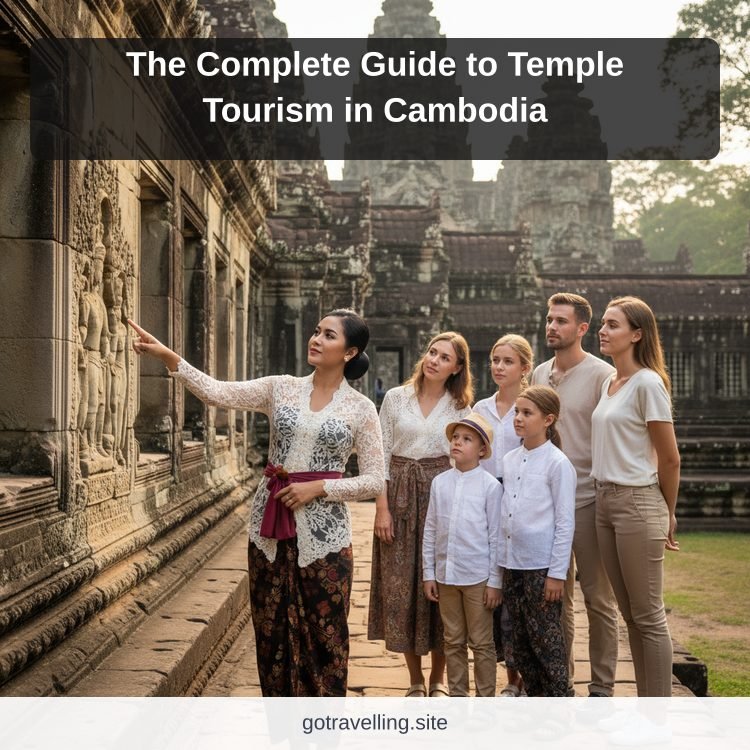
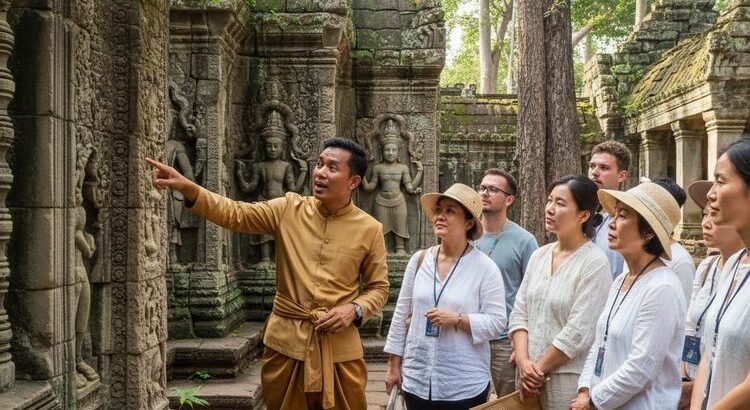
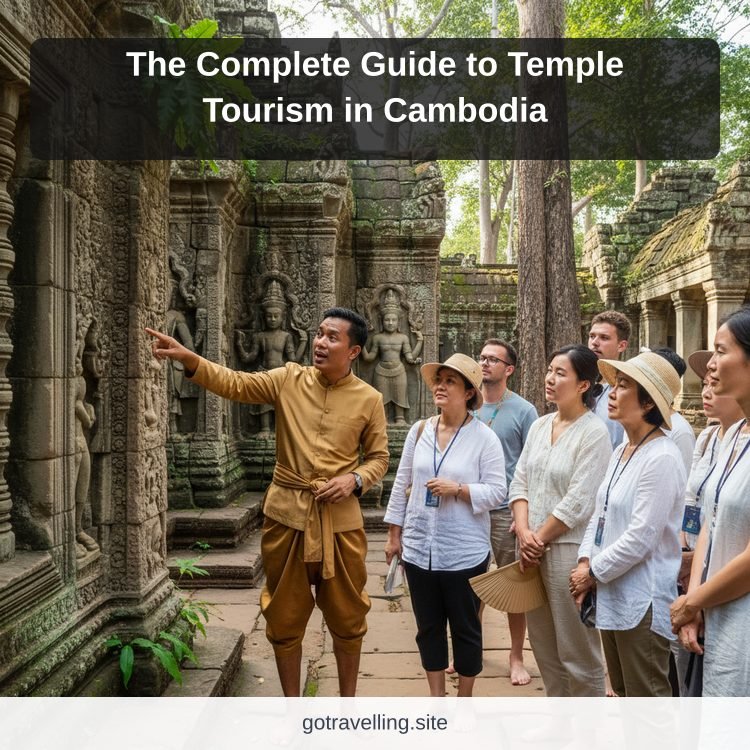
Getting around the temples can be done via tuk-tuk, taxi, or bicycle. Tuk-tuks are popular for their affordability and an authentic experience, while air-conditioned taxis offer comfort in the heat. A multi-day pass for the Angkor Archaeological Park is highly recommended (1-day, 3-day, or 7-day options are available). Start your temple tours early in the morning to beat the crowds and the intense midday heat. Stay hydrated, wear light clothing, and comfortable walking shoes. Hiring a licensed guide can significantly enhance your experience by providing historical context and insights into the intricate carvings. Don’t forget that many hotels offer tour arrangements directly, which can simplify your itinerary planning for your holiday.
Logistics and Essential Preparations for Your Cambodian Adventure
Beyond the temples themselves, there are several key logistical aspects to consider for a comfortable and safe holiday in Cambodia. Firstly, manage your currency efficiently. The local currency is the Riel (KHR), but the US Dollar is widely accepted and often preferred for larger transactions. It’s wise to carry a mix of smaller US dollar denominations ($1, $5, $10) for incidentals, tips, and street vendors. ATMs are readily available in Siem Reap, but be aware of withdrawal fees. Secondly, internet connectivity is generally good in urban areas and tourist spots; purchasing a local SIM card upon arrival is a cost-effective way to stay connected for navigation, communication, and sharing your amazing temple photos online. For those looking for a cheap flight ticket, consider bundling your data plan with your flight and hotel package for potential savings.
Health and safety are paramount. Consult your doctor about necessary vaccinations well before your trip. Pack a basic first-aid kit, including insect repellent, sunscreen, stomach medication, and any personal prescription drugs. Be mindful of mosquito-borne diseases like dengue fever and malaria, especially during the wet season. Always drink bottled water and avoid tap water or ice from questionable sources. When exploring temples, respect local customs: dress modestly, covering shoulders and knees, especially when entering sacred areas. Always ask for permission before taking photos of locals and avoid touching children’s heads. Being aware of your surroundings and keeping valuables secure will ensure a stress-free holiday.
Culture, Cuisine, and Community: Enriching Your Temple Experience
A temple tourism holiday in Cambodia is not just about ancient stones; it’s also a vibrant immersion into a rich culture. Engaging with local communities and savoring Cambodian cuisine can significantly enhance your trip. Spend time in Siem Reap’s Old Market or Pub Street area in the evenings. Here, you can sample delicious Khmer dishes like Amok Curry (fish or chicken slow-cooked in coconut milk and spices), Lok Lak (stir-fried beef with a peppery sauce), and fresh spring rolls. Look for street food stalls that are busy with locals, indicating good quality and hygiene. Dining out can be a very affordable part of your flight and hotel package.
Learning a few basic Khmer phrases like “Sok Sabay” (hello/how are you) and “Arkoun” (thank you) will be greatly appreciated by the locals and can open doors to more meaningful interactions. Consider attending a traditional Apsara dance performance, which tells stories through intricate hand gestures and graceful movements, often accompanied by traditional music. Many restaurants offer dinner shows. Supporting local artisans by purchasing handmade crafts, silks, or paintings from markets and fair-trade shops is another excellent way to give back to the community and take home authentic souvenirs. Understanding the local way of life adds depth to your holiday beyond the historical sites.
Sustainable and Responsible Temple Tourism
As visitors to such a precious and historically significant site, it is our collective responsibility to practice sustainable and responsible tourism. The Angkor Archaeological Park is a UNESCO World Heritage site, and its preservation is vital for future generations. Always stick to marked paths and designated visitor areas to prevent damage to delicate structures and the surrounding environment. Avoid touching carvings or attempting to climb on fragile parts of the temples. Littering is absolutely forbidden and detrimental to the natural beauty of the park. Be mindful of your waste and dispose of it properly in designated bins.
Beyond environmental concerns, consider the social and economic impact of your visit. Support local businesses directly by eating at locally-owned restaurants, hiring local guides, and purchasing souvenirs from local artisans rather than large, impersonal chains. Be cautious of child begging; reputable organizations advise against giving money directly to children, as it can encourage them to skip school or be exploited. Instead, consider donating to legitimate charities and organizations working to improve children’s welfare and educational opportunities in Cambodia. By being a respectful and responsible traveler, you contribute positively to the conservation of these magnificent sites and the well-being of the local population during your holiday.
Best Time to Visit and Maximizing Your Experience
Choosing the right time to visit Cambodia’s temples can significantly impact your experience. The dry season, from November to February, is generally considered the best time, with cooler temperatures, lower humidity, and minimal rainfall. This period is ideal for extensive walking and exploration, but be prepared for larger crowds and higher prices for flights and accommodation, so securing a cheap flight ticket and flight and hotel package well in advance is crucial. March to May brings intense heat, which can make temple exploration challenging, though early mornings are still pleasant. The wet season, from June to October, offers lush green landscapes, fewer tourists, and dramatic skies, which can be fantastic for photography. Short, intense downpours are common but usually don’t last all day. The temples also take on a different, often more mystical, aura after a rain shower, with fewer people around.
To maximize your experience, consider a multi-day pass (3-day or 7-day) to allow for exploration at a more leisurely pace, avoiding ‘temple fatigue.’ Prioritize your most anticipated temples for early morning or late afternoon visits to catch the best light and avoid peak crowds. Don’t be afraid to venture off the beaten path to some of the less-visited temples mentioned earlier. Hiring a knowledgeable local guide, even for just one or two days, can profoundly enrich your understanding of the history, symbolism, and cultural significance of these incredible sites. Remember, buying online flight ticket and finding the right flight and hotel package can save you money and stress, allowing you to fully immerse yourself in this unforgettable holiday.
Kesimpulan
Embarking on a temple tourism holiday in Cambodia is an extraordinary journey into the heart of an ancient civilization, offering a profound blend of history, culture, and natural beauty. From the majestic grandeur of Angkor Wat to the enigmatic faces of Bayon and the jungle-clad ruins of Ta Prohm, the temples of Cambodia promise an unforgettable adventure. This guide has aimed to equip you with the essential knowledge, from navigating travel logistics and finding a cheap flight ticket or the best flight and hotel package to understanding local customs and practicing responsible tourism. By planning meticulously and embracing the immersive experience, you are set to create memories that will last a lifetime.
Whether you’re looking to buy online flight ticket for a quick cultural getaway or a comprehensive exploration, Cambodia’s temples beckon with their timeless allure. We encourage you to delve deep into the rich tapestry of Khmer history, interact respectfully with the local communities, and absorb the unique spiritual ambiance of these magnificent sites. Start planning your dream Cambodian holiday today, and prepare to be captivated by the magic and mystery that awaits you in the land of ancient wonders.