Have you ever dreamed of stepping back in time, walking among the remnants of ancient civilizations that once thrived with unimaginable sophistication and mystery? Peru, a land rich in vibrant culture and breathtaking landscapes, holds the key to such an extraordinary journey. For many travelers, the allure of its ancient ruins is an irresistible call, promising an unforgettable holiday experience. Imagine exploring the enigmatic citadels perched high in the Andes, deciphering the wisdom etched into millennia-old stones, and feeling the echoes of a powerful empire that once dominated vast stretches of South America. However, planning such an immersive trip can be daunting. From navigating the logistics of travel, understanding the best time to visit, to securing the best deals when you buy online flight ticket and finding attractive flight and hotel package options, there’s a lot to consider. This comprehensive guide aims to demystify the process, offering practical advice and essential insights to help you embark on an awe-inspiring exploration of Peru’s ancient wonders, ensuring your holiday is as seamless as it is spectacular.
Unveiling Machu Picchu: The Crown Jewel of Peruvian Ruins
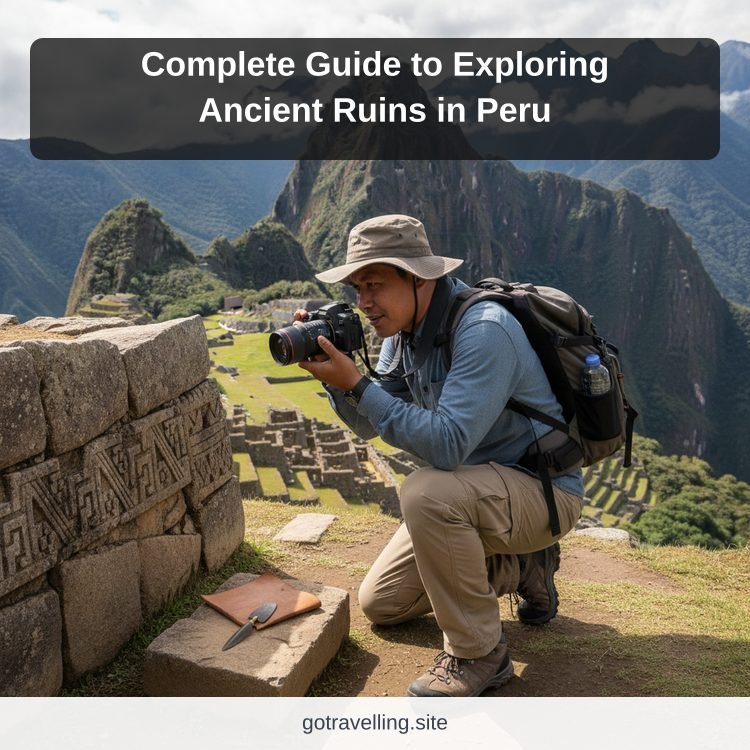
No discussion of ancient Peruvian ruins would be complete without reverently mentioning Machu Picchu, often considered one of the New Seven Wonders of the World. This 15th-century Inca citadel, majestically set high in the Andes Mountains, is a testament to the Inca Empire’s engineering prowess and spiritual devotion. Built around 1450 and abandoned a century later during the Spanish conquest, it remarkably remained hidden from the outside world until its rediscovery in 1911. The scale of its construction, featuring sophisticated dry-stone walls seamlessly interlocking massive blocks without mortar, continues to baffle archaeologists and engineers alike. Visitors can explore the Temple of the Sun, the Intihuatana stone (a sundial or calendar), and the Room of the Three Windows, each site offering a glimpse into the advanced astronomical and agricultural knowledge of the Incas. While reaching Machu Picchu requires a journey, often involving a scenic train ride or the iconic Inca Trail, the experience of witnessing this magnificent ruin at dawn, shrouded in mist as the sun illuminates its ancient stones, is undeniably profound and worth every effort. When planning your visit, securing your entry tickets well in advance, especially during peak season, is paramount to avoid disappointment, as daily visitor numbers are strictly limited to preserve the site.
Cusco: The Imperial City and Gateway to Ancient Wonders
Before ascending to the cloud-kissed heights of Machu Picchu, a stop in Cusco is not just recommended, but essential. As the historical capital of the Inca Empire, known as Qosqo, meaning “navel of the world,” Cusco serves as a living museum, blending Inca foundations with colonial Spanish architecture. The city itself is an archaeological marvel, with original Inca walls forming the base of many modern buildings, showcasing the incredible earthquake-resistant construction techniques of the Incas. The Plaza de Armas, the heart of the city, is surrounded by stunning cathedrals and colonial balconies, yet beneath these structures lie layers of Inca history. A short distance from the city center lies Sacsayhuaman, an impressive fortress complex built with colossal stones, some weighing over 100 tons, intricately fitted together. Its purpose remains debated, but it likely served ceremonial or defensive roles. Other notable Inca sites within easy reach of Cusco include Qenqo, a labyrinthine temple with carved rock formations; Puka Pukara, a military outpost or administrative center; and Tambomachay, known as the “Bañera del Inca” or Inca’s Bath, featuring a series of aqueducts, canals, and waterfalls used for ritualistic bathing. Exploring Cusco and its surrounding ruins offers a deeper understanding of the Inca civilization and sets the stage for the grandeur of Machu Picchu, making it an indispensable part of any Peruvian holiday itinerary, especially if you are looking to book a comprehensive flight and hotel package for your adventure.
The Sacred Valley: A Tapestry of Inca Agriculture and Artistry
Stretching between Cusco and Machu Picchu, the Sacred Valley of the Incas (Valle Sagrado de los Incas) is a fertile agricultural heartland nourished by the Urubamba River. This valley was strategically vital for the Inca Empire, producing maize and other crops that sustained its vast population. Beyond its agricultural significance, the valley is peppered with remarkable Inca ruins, each offering unique insights into their sophisticated societal structure and artistic achievements. Pisac, famous for its vibrant market and monumental Inca ruins perched high above the town, features extensive agricultural terraces that cascade down the mountainside, demonstrating ingenious irrigation systems. The ruins of Pisac also include temples, baths, and ceremonial altars, providing a comprehensive look into Inca life. Ollantaytambo, another significant site, stands as a formidable Inca fortress and a thriving town. Its monumental terraces, built into steep hillsides, and the famous Temple Hill, with its impressive Wall of the Six Monoliths, showcase incredible stonework. Ollantaytambo is unique for being one of the few places where the Incas successfully resisted Spanish conquest for a period. Exploring these sites within the Sacred Valley allows visitors to witness the Inca’s mastery over their environment and their belief systems, adding layers of context to their overall understanding of this ancient civilization during their holiday. Many tour operators offer Sacred Valley tours as part of a larger flight and hotel package, making it convenient to explore these wonders.
Beyond the Beaten Path: Exploring Northern Peru’s Ancient Civilizations
While the Inca Empire undeniably dominates the narrative of ancient Peru, the country’s northern regions hide equally fascinating, albeit less visited, archaeological treasures belonging to older, distinct civilizations. These sites offer a different perspective and a chance for a more off-the-beaten-path exploration. In the desert landscapes near Trujillo, lie the enormous adobe cities of Chan Chan, the capital of the Chimú Kingdom, and the Pyramids of the Sun and Moon, built by the Moche culture. Chan Chan, a UNESCO World Heritage site, is the largest pre-Columbian city in South America, estimated to have housed 60,000 people at its peak. Its intricately carved mud walls depict fish and sea birds, reflecting the Chimú’s reliance on the ocean. The Moche, preceding the Chimú, created remarkable ceramic art and metalwork, and their formidable pyramids, though now weathered mounds, hint at their monumental scale. The discovery of the Lord of Sipan’s tomb, a Moche ruler, revealed an astonishing array of gold and silver artifacts, rivaling the riches of Tutankhamun. Further north, near Chachapoyas, the Kuelap fortress, often dubbed the “Machu Picchu of the North,” stands majestically atop a mountain ridge. Built by the Chachapoyas people, or “Cloud Warriors,” this massive stone complex features circular stone houses and defensive walls, signifying a highly organized society that predated the Incas. These northern sites provide a compelling alternative or addition to a traditional Inca-focused itinerary, offering a broader appreciation of Peru’s rich and diverse ancient history for any truly adventurous holiday maker.
Essential Tips for Planning Your Peruvian Ancient Ruins Holiday
Embarking on a holiday to explore Peru’s ancient ruins requires careful planning to ensure a smooth and enjoyable experience. First and foremost, consider the timing of your visit. The dry season (May to October) is generally considered the best time for trekking and clear skies, but it’s also peak tourist season, meaning higher prices and larger crowds. The shoulder months (April and November) offer a good balance of weather and fewer tourists. When it comes to travel, securing your buy online flight ticket well in advance can often lead to significant savings. Look for deals and compare prices across different airlines and booking platforms. Many airlines offer competitive rates if purchased several months in advance. Additionally, consider a flight and hotel package, as these often bundle accommodations and sometimes even tours at a reduced cost compared to booking them separately. Always read reviews for both flights and hotels to ensure quality and reliability. Accommodation in cities like Cusco and Aguas Calientes (Machu Picchu town) fills up quickly, so book early. Another vital aspect is acclimatization to altitude. Cusco sits at over 3,400 meters (11,000 feet), and even higher at some ruins. Take it easy on your first day, stay hydrated, and avoid heavy meals or alcohol. Consulting your doctor about altitude sickness medication is also a wise precaution. Don’t forget travel insurance – it’s an essential safeguard for any international trip. Finally, pack appropriately; layers are key for varying mountain temperatures, and comfortable hiking shoes are a must. Respect local customs and immerse yourself in the vibrant culture, and your holiday exploring Peru’s ancient marvels will undoubtedly be a truly enriching experience.
Navigating Peru: Transportation and Guided Tours for a Seamless Journey
Efficient transportation is a cornerstone of a well-planned holiday in Peru, especially when trying to cover multiple archaeological sites. While intercity buses are a popular and economical option for longer distances between major cities like Lima, Cusco, and Arequipa, for accessing specific ruins, more localized transport is often required. To reach Machu Picchu, the most common route involves a train journey from Ollantaytambo or Poroy (near Cusco) to Aguas Calientes, followed by a bus ascent to the citadel itself. Booking train tickets in advance is crucial, particularly for specific times and classes (e.g., PeruRail or Inca Rail). For exploring the Sacred Valley, taking a guided tour is highly recommended. These tours typically include transportation to multiple sites like Pisac, Ollantaytambo, and Chinchero, often with an English-speaking guide who provides invaluable context and historical insights. This saves the hassle of arranging individual transport and navigation. Similarly, for the northern ruins like Chan Chan and the Moche Pyramids, or the Kuelap fortress, joining guided tours from Trujillo or Chachapoyas respectively, is the most practical way to visit. These tours often streamline the logistics, including entrance fees and sometimes even lunch. When you buy online flight ticket for domestic travel within Peru, consider airlines like LATAM or Sky Airline Peru, which connect major hubs. For an adventurous twist, consider multi-day treks like the classic Inca Trail (which requires booking permits almost a year in advance) or alternative treks such as Salkantay or Lares, which also lead to Machu Picchu and offer stunning scenery. These treks typically include guides, porters, and all necessary equipment, providing an all-inclusive experience that amplifies the sense of achievement and connection to the ancient routes. Always ensure your chosen tour operators are reputable, licensed, and prioritize safety. This careful consideration of transportation and guided options will significantly enhance the depth and enjoyment of your holiday exploring Peru’s incredible archaeological heritage.
Culture and Cuisine: Enhancing Your Archaeological Holiday Experience in Peru
An archaeological holiday in Peru wouldn’t be complete without immersing oneself in the vibrant local culture and savoring its world-renowned cuisine. Peruvian culture is a rich tapestry woven from indigenous traditions, particularly Inca heritage, and Spanish colonial influences, creating a unique and captivating atmosphere. Beyond the ruins, take time to wander through local markets, where you can find colorful textiles, handcrafted souvenirs, and traditional produce. The Mercado de San Pedro in Cusco, for instance, offers a sensory overload of sights, sounds, and smells. Engage with local communities, perhaps even learning a few basic phrases in Quechua, the language of the Incas, which is still spoken by millions. Participating in local festivals or observing traditional ceremonies can provide profound insights into the living heritage of Peru. And then there’s the food – a highlight for many travelers. Peruvian cuisine has gained international acclaim for its diverse flavors and innovative dishes. Don’t leave without trying Ceviche, the national dish of fresh fish marinated in lime juice; Lomo Saltado, a stir-fry blending Peruvian and Chinese influences; Aji de Gallina, a creamy chicken stew; and the ubiquitous Cuy (guinea pig), a traditional delicacy. The fresh, exotic fruits and the famous Pisco Sour cocktail are also must-tries. Many cities, especially Lima and Cusco, boast world-class restaurants alongside charming local eateries. Exploring the culinary landscape is an essential part of understanding Peru’s culture and its connection to the land and its history. This sensory journey complements the intellectual and historical exploration of the ancient ruins, creating a truly holistic and unforgettable holiday experience. When booking your flight and hotel package, consider options that allow flexibility to explore these cultural and culinary delights.
Sustainable Tourism: Preserving Peru’s Ancient Future
As fascinating as Peru’s ancient ruins are, it’s paramount for every traveler to engage in sustainable tourism practices to ensure these priceless historical sites are preserved for future generations. The delicate ecosystems and fragile archaeological structures face constant threats from overtourism, climate change, and human impact. When planning your holiday, choose tour operators and accommodations that demonstrate a commitment to sustainability. Look for companies that employ local staff, pay fair wages, and actively participate in conservation efforts. For example, some companies contribute a portion of their profits to local community projects or use eco-friendly practices. When visiting sites like Machu Picchu or the Inca Trail, adhere strictly to all guidelines provided by park authorities and guides. This includes sticking to marked paths, refraining from touching or climbing on ancient structures, and carrying out all your trash. The ‘Leave No Trace’ principles are crucial here. Support local economies by purchasing souvenirs from local artisans rather than mass-produced items, and opt for local restaurants and guesthouses. Be mindful of your water and energy consumption. Even small actions, like bringing a reusable water bottle instead of buying single-use plastic ones, can make a significant difference in reducing your environmental footprint. Understanding and respecting the local culture and traditions is also a key aspect of sustainable tourism; ask for permission before taking photos of people, and learn about local customs. Remember that the privilege of exploring these ancient wonders comes with the responsibility of protecting them. By making conscious and responsible choices, you contribute positively to the preservation of Peru’s incredible heritage, ensuring that the magic of these ancient ruins can be experienced by many more generations to come. This approach not only enhances your own experience but also leaves a positive legacy from your journey.
Preparing for the Inca Trail and Other Treks: A Comprehensive Guide
For many, the ultimate way to experience Peru’s ancient wonders is to embark on a multi-day trek, with the Inca Trail to Machu Picchu standing as the most famous. However, such an undertaking requires meticulous preparation far beyond simply booking a flight and hotel package. First, physical fitness is paramount. The Inca Trail, for instance, is a challenging 4-day hike at high altitudes, demanding good cardiovascular endurance and stamina. Begin a training regimen several months in advance, including regular hiking, cardio exercises, and strength training, especially targeting your legs and core. Research the specific trek you plan to undertake; while the Classic Inca Trail is highly regulated and requires permits booked almost a year in advance via a licensed tour operator, alternative treks like Salkantay, Lares, Choquequirao, or Ausangate offer different levels of difficulty and scenery, often with more flexibility in booking. When selecting a tour operator, thorough due diligence is essential. Look for companies with excellent reviews, a strong safety record, experienced and certified guides, and ethical treatment of their porters (e.g., fair wages, proper equipment, and medical care). Check what is included in their package – typically, this covers guides, porters, food, camping equipment, and sometimes even a train ticket from Aguas Calientes. Packing correctly is critical: a good quality backpack, broken-in hiking boots, layered clothing (including waterproof and warm options for cold nights), a hat, sunglasses, sunscreen, insect repellent, and a headlamp are indispensable. Don’t forget a first-aid kit with any personal medications, blister treatment, and altitude sickness medication if advised by your doctor. It’s also wise to carry some cash for tips and emergencies. Finally, mental preparation is just as important as physical. Be prepared for varied weather conditions, basic camping facilities, and the challenge of high altitude. Embrace the journey, the camaraderie with fellow trekkers, and the incredible landscapes, and the reward of arriving at the Sun Gate overlooking Machu Picchu after days of walking will be an unforgettable climax to your holiday, a testament to your endurance and the enduring allure of ancient Peru.
Kesimpulan
Peru truly stands as an unparalleled destination for anyone seeking to immerse themselves in the marvels of ancient civilizations. From the iconic, cloud-touching citadel of Machu Picchu to the intricate, sun-baked walls of Chan Chan, and the living history embedded within Cusco and the Sacred Valley, this country offers a journey through time like no other. We’ve explored the must-see sites, delved into the nuances of diverse pre-Inca cultures, and provided essential advice on everything from securing your buy online flight ticket to navigating the challenging yet rewarding treks. This guide has aimed to equip you with the knowledge needed to transform your dream of exploring Peru’s ancient ruins into a meticulously planned and unforgettable holiday. By embracing sustainable tourism, preparing diligently, and staying open to the rich cultural tapestry that surrounds these magnificent historical sites, you are guaranteed an enriching and inspiring adventure. So, start planning, book that comprehensive flight and hotel package, and prepare to be captivated by the enduring legacy of Peru’s ancient empires. Your extraordinary Peruvian holiday awaits!