Planning your dream African holiday? The continent offers unparalleled natural beauty, vibrant cultures, and unforgettable adventures. However, ensuring your health and safety is paramount to a truly enjoyable experience. Many travelers, in their excitement to find the best deals to buy online flight ticket or secure a budget-friendly cheap flight ticket, might overlook crucial health preparations. Imagine arriving in a stunning safari destination only to fall ill because you missed a vital vaccination. This article will guide you through the essential health and vaccination requirements for African travel, helping you navigate the complexities of international health guidelines and ensuring your journey is as smooth and healthy as possible. From understanding mandatory vaccinations to practical health tips, we’ll cover everything you need to know before you embark on your grand adventure, especially when considering a comprehensive flight and hotel package that simplifies your holiday planning. Staying informed is the first step towards a safe and memorable African holiday.
Understanding Mandatory and Recommended Vaccinations for Africa
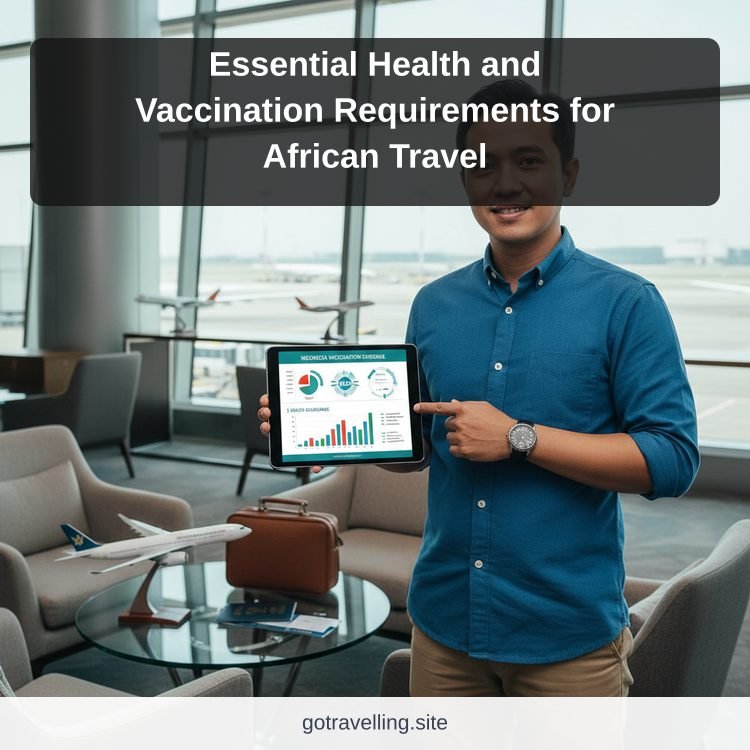
Embarking on an African holiday requires diligent preparation, and understanding vaccination requirements is at the top of that list. While the specific vaccinations needed can vary depending on your destination countries and activities, certain immunizations are either mandatory for entry or highly recommended for your safety. Yellow Fever, for instance, is often a mandatory vaccination for travelers entering many African countries, particularly if you are arriving from a country with a risk of Yellow Fever transmission. Without proof of this vaccination, you might be denied entry or required to receive it upon arrival, which can be both inconvenient and costly. It’s crucial to check the specific requirements for each country you plan to visit, as official regulations can change. For example, countries like Ghana, Nigeria, and Angola consistently require a Yellow Fever vaccination certificate, while others might only require it if you’ve recently been in an endemic area. Consulting your healthcare provider at least 4-6 weeks before your trip is vital to discuss which vaccines are necessary for your itinerary and to allow sufficient time for them to become effective. Beyond the mandatory shots, recommended vaccinations often include Hepatitis A, Hepatitis B, Tetanus, Diphtheria, Pertussis (Tdap), Measles, Mumps, Rubella (MMR), Polio, and Typhoid. Your doctor will assess your personal health history, the duration of your stay, and the specific regions you’ll be visiting to provide tailored advice. This proactive approach not only protects you but also helps prevent the spread of diseases, making your and other travelers’ journeys safer.
Malaria Prevention: Strategies and Medications
Malaria remains a significant health concern in many parts of Africa, and comprehensive prevention strategies are essential for any traveler. This parasitic disease, transmitted through the bites of infected female Anopheles mosquitoes, can be life-threatening if not properly managed. The cornerstone of malaria prevention involves a multi-pronged approach: avoiding mosquito bites and, in many cases, taking antimalarial medication. To minimize mosquito bites, travelers should wear long-sleeved shirts and long trousers, especially during dawn and dusk when mosquitoes are most active. Using insect repellent containing DEET (N,N-Diethyl-meta-toluamide), picaridin, or oil of lemon eucalyptus is highly effective. Additionally, sleeping under insecticide-treated mosquito nets, particularly if your accommodation doesn’t have air conditioning or screened windows, is crucial. For example, during a safari in Tanzania’s Serengeti National Park, where malaria risk is present, utilizing a treated net provided by your lodge can significantly reduce exposure. Beyond bite prevention, prophylactic antimalarial medications are often recommended for travelers to high-risk areas. Common medications include Malarone (atovaquone/proguanil), Doxycycline, and Lariam (mefloquine). Each medication has its own dosing schedule, potential side effects, and suitability based on individual health conditions and the specific strain of malaria prevalent in the region. For instance, Malarone is generally well-tolerated and started a couple of days before travel, continued throughout the trip, and for seven days afterward. Doxycycline is also effective but can cause sun sensitivity. Lariam is taken weekly and can have neuropsychiatric side effects, making it unsuitable for some individuals. It is absolutely critical to consult a travel medicine specialist or your doctor to determine the most appropriate antimalarial regimen for your specific itinerary and health profile. They will consider factors like your medical history, any existing medications, and the resistance patterns of malaria in your destination. Taking the correct medication, as prescribed, and consistently, is key to successful prevention. Forgetting doses or stopping early can compromise its efficacy. While no antimalarial medication is 100% effective, combining medication with diligent mosquito bite avoidance offers the best protection against this serious disease, ensuring your African holiday remains enjoyable and healthy.
General Health Precautions and Travel Insurance
Beyond vaccinations and malaria prevention, a comprehensive approach to general health precautions is vital for any African holiday, especially when you consider how easy it is to buy online flight ticket and embark on a new adventure. One of the most common travel-related ailments is traveler’s diarrhea. To mitigate this, practice strict food and water hygiene. This means drinking only bottled or filtered water, avoiding ice cubes made from tap water, and ensuring that all food is thoroughly cooked and served hot. Opt for fruits that you can peel yourself, such as bananas and oranges, rather than pre-cut varieties. For example, when exploring a bustling market in Marrakech, resist the urge to sample street food unless you are absolutely sure of its preparation standards. It’s also wise to carry a small bottle of hand sanitizer and use it frequently, particularly before eating. Furthermore, packing a basic first-aid kit is non-negotiable. This should include essentials like pain relievers, anti-diarrhea medication (such as Imodium or Pepto-Bismol), antiseptic wipes, bandages, and any personal prescription medications you require. It’s important to carry enough of your prescription medications for the entire trip, plus a few extra days’ supply, in their original packaging, along with a copy of your prescription from your doctor. For instance, if you are diabetic, ensure you have sufficient insulin and syringes, stored correctly. Given the varied healthcare infrastructure across Africa, robust travel insurance is not just recommended, but essential. A good policy should cover medical emergencies, including emergency evacuation to a facility that can provide appropriate care, repatriation, and trip cancellation or interruption. Imagine trekking through the Rwandan mountains to see gorillas; a sprained ankle could lead to significant medical expenses if you are not adequately insured. Before you buy online flight ticket and secure your flight and hotel package, thoroughly research different insurance providers and choose a plan that specifically caters to adventure travel and medical coverage in remote areas. Read the fine print carefully, paying attention to deductibles, coverage limits, and any exclusions. Do not rely solely on your standard health insurance, as it often does not provide adequate coverage for international travel. Ensuring you have comprehensive travel insurance provides peace of mind, allowing you to fully enjoy your African holiday without worrying about unforeseen circumstances impacting your financial well-being.
Packing Essentials for a Healthy Trip
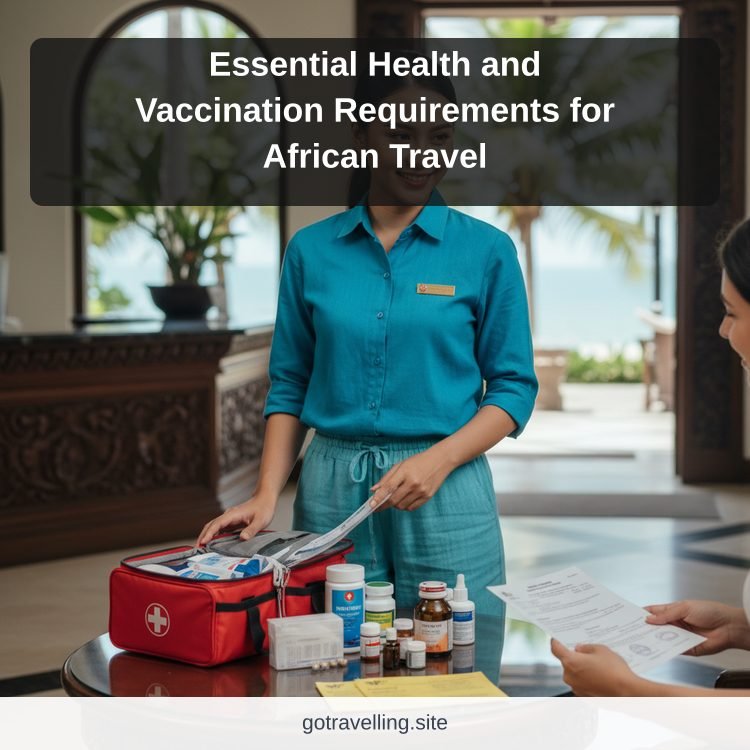
Careful packing is instrumental in ensuring a healthy and comfortable African holiday, even when you’ve secured a fantastic cheap flight ticket. Beyond your clothes and gadgets, certain health-related items are crucial. First and foremost, a well-stocked personal first-aid kit is non-negotiable. This kit should go beyond the basics and include prescription medications that you regularly take, along with a copy of the prescription and a doctor’s note, especially for controlled substances. Also pack over-the-counter essentials such as allergy medication (e.g., antihistamines for insect bites or environmental allergens), motion sickness medication if you’re prone to it, antibiotic ointment for cuts and scrapes, and a supply of rehydration salts for combating dehydration caused by traveler’s diarrhea or heat. For example, if you plan to go on a safari through Botswana, where temperatures can be high and medical facilities sparse, having these items readily accessible can prevent minor issues from escalating. Sun protection is another critical aspect. The African sun can be intense. Pack a high-SPF, broad-spectrum sunscreen (SPF 30 or higher is recommended), a wide-brimmed hat, and sunglasses with UV protection. Even on cloudy days, UV radiation can be strong. Adequate insect repellent is also paramount, particularly given the prevalence of mosquito-borne diseases like malaria and dengue, and tick-borne illnesses. Repellents containing DEET, picaridin, or oil of lemon eucalyptus are generally most effective. Consider packing permethrin-treated clothing or a separate spray to treat your clothes, sleeping bag, and mosquito net for an extra layer of protection. For instance, if your flight and hotel package includes a stay in a malaria-risk area like the Zambezi Valley, layering repellent with treated clothing is highly advisable. Reusable water bottles are also an eco-friendly and practical addition. While you should avoid drinking tap water in most African countries, having a personal water filter or purification tablets can be a lifesaver in areas where bottled water might be scarce or expensive. This empowers you to stay hydrated without relying solely on plastic bottles, essential for maintaining your health during strenuous activities like hiking up Mount Kilimanjaro. Lastly, hand sanitizer and personal hygiene wipes are invaluable for maintaining cleanliness, especially when soap and water are not readily available. These are perfect for quick clean-ups after handling money, before meals, or after using public restrooms. By meticulously preparing your packing list with these health essentials, you significantly enhance your safety and comfort throughout your African adventure, allowing you to focus on the incredible experiences rather than preventable health setbacks.
Consulting a Travel Health Specialist and Travel Advisories
Before any major international trip, particularly an African holiday, the single most important step after booking your cheap flight ticket should be to consult a travel health specialist. These medical professionals have up-to-date knowledge on global health risks, country-specific vaccination requirements, and disease outbreaks. They can provide personalized recommendations based on your itinerary, medical history, age, and activities. For instance, if your flight and hotel package includes a journey through remote areas of Ethiopia, your specialist might advise on specific medications or precautions that a general practitioner might not be aware of. It’s recommended to schedule this consultation at least 4-6 weeks before your departure to allow sufficient time for vaccinations to become effective and for any necessary medications, like antimalarials, to be prescribed and started. During this consultation, be prepared to discuss every detail of your trip: the specific countries you’ll visit, urban vs. rural areas, the duration of your stay, the type of accommodation (e.g., city hotel, safari camp, budget hostel), and any planned activities (e.g., hiking, diving, volunteer work). This information helps the specialist tailor their advice. Your specialist will also be able to educate you on non-vaccine preventable diseases, such as dengue fever which requires mosquito bite avoidance, and how to recognize symptoms of common travel-related illnesses. Beyond medical consultations, it is crucial to stay informed about current travel advisories issued by your government. These advisories provide real-time information on political stability, security concerns, natural disasters, and health warnings. For example, the U.S. Department of State, the UK Foreign, Commonwealth & Development Office (FCDO), or similar bodies in your country regularly update their advisories. Before your holiday, check the advisories for each African country you plan to visit. Pay close attention to any specific warnings regarding protests, crime hotspots, or areas to avoid. These advisories can significantly impact your safety and may even influence your travel insurance coverage. For example, if you travel to a region against your government’s “do not travel” advisory, your insurance may be void. Furthermore, many countries require travelers to register their trip with their embassy or consulate abroad. This is a simple online process (e.g., Smart Traveler Enrollment Program (STEP) for U.S. citizens) that allows your government to contact you in an emergency, inform your family, or assist if you encounter difficulties. By diligently combining expert medical advice with up-to-the-minute travel advisories, you equip yourself with the knowledge and resources to make informed decisions, ensuring your African adventure is not only breathtaking but also safe and healthy.
Staying Healthy During Your African Holiday
Maintaining good health throughout your holiday is just as crucial as the preparation itself. The excitement of diverse adventures, from wildlife safaris to vibrant cultural explorations, often leads travelers to push their limits, but self-care is paramount. Hydration is key; African climates can be hot and dry, quickly leading to dehydration. Always carry a re-fillable water bottle and ensure you are consuming sufficient safe drinking water throughout the day, whether bottled, filtered, or boiled. For example, while on a game drive in Kenya’s Maasai Mara, where the sun is relentless, regularly sipping water can prevent headaches and fatigue. Eating wisely is another crucial habit. While sampling local cuisine is a highlight of international travel, be mindful of where and what you eat. Stick to restaurants and food stalls that appear clean and busy, indicating high turnover and fresh ingredients. Avoid raw or undercooked foods, unpeeled fruits and vegetables, and questionable dairy products. If you’ve just landed after a long flight you found via a cheap flight ticket, resisting that tempting street food immediately might be wise until your stomach has adjusted. Prioritize rest and manage your energy levels. Long travel days, changes in time zones, and packed itineraries can take a toll on your immune system, making you more susceptible to illness. Give yourself time to adjust to new environments and don’t overschedule your days. Incorporate rest periods into your flight and hotel package itinerary. For example, after an early morning safari, a relaxing afternoon by the pool or a quiet moment in your lodge can recharge you for the evening’s activities. Don’t underestimate the power of sleep in keeping your immune system robust. Additionally, be proactive about cleanliness. Frequently wash your hands with soap and water, especially before eating and after using the restroom. When soap and water aren’t available, an alcohol-based hand sanitizer is an excellent substitute. This simple practice significantly reduces the risk of contracting common illnesses like traveler’s diarrhea. When engaging in adventurous activities, always prioritize safety. Listen to your guides, wear appropriate gear, and be aware of your surroundings. Whether it’s white-water rafting on the Zambezi River or hiking Table Mountain, understanding and mitigating risks is vital. For instance, if your flight and hotel package includes a scuba diving excursion, ensure the dive operator is certified and adheres to international safety standards. By consistently practicing these health habits, you not only minimize the risk of illness but also enhance your overall experience, ensuring your African holiday is filled with positive memories and vibrant health.
Conclusion
Embarking on an African holiday is an extraordinary journey that promises unparalleled experiences and cherished memories. To truly savor every moment and ensure your trip is safe and healthy, diligent preparation regarding health and vaccination requirements is non-negotiable. From securing your Yellow Fever certification, understanding malaria prevention strategies, to packing a comprehensive first-aid kit and consulting with a travel health specialist, each step plays a vital role in safeguarding your well-being. Proactive planning, including a smart buy online flight ticket strategy and finding the best flight and hotel package, extends beyond financial savings to encompass your health. Remember, a cheap plane ticket is only truly “cheap” if it doesn’t lead to costly medical emergencies abroad. By staying informed through reliable travel advisories and maintaining good personal hygiene on the ground, you can mitigate many of the common health risks associated with international travel. Don’t let preventable illnesses detract from the magic of Africa. Take the time to plan your health strategy as meticulously as you plan your itinerary. Your next unforgettable adventure awaits, and with proper preparation, you can experience the vibrant beauty of Africa with confidence, comfort, and robust health. Start your health preparations today and look forward to an incredible, healthy African holiday!