
Top tourist attractions are highly visited landmarks, museums, natural sites, or events that act as economic catalysts by drawing visitors who spend on tickets, food, transport, and local services, thereby generating direct revenue, employment, and downstream investment that reshapes the surrounding region.
Most people assume that a famous monument simply adds a postcard‑worthy backdrop to a vacation; in reality, those sites are silent engines powering everything from downtown storefronts to regional infrastructure upgrades.
Top Tourist Attractions: Definition, Economic Impact, and How They Work
At its core, a top tourist attraction is any destination that consistently ranks among the highest visitor counts worldwide—think the Eiffel‑Tower, the Great Barrier Reef, or the bustling night markets of Bangkok. This definition matters because it sets the baseline for measuring economic ripple effects; without a clear benchmark, policymakers can’t gauge which sites truly drive growth.
Why does this matter to you, the regional planner or small‑business owner? Because the attraction’s draw translates into quantifiable cash flow: on average, visitors spend 30‑40 % of their travel budget on local goods and services, according to practitioner experience in hospitality research. That spending funnels into wages, taxes, and reinvestment, creating a virtuous cycle that lifts living standards.
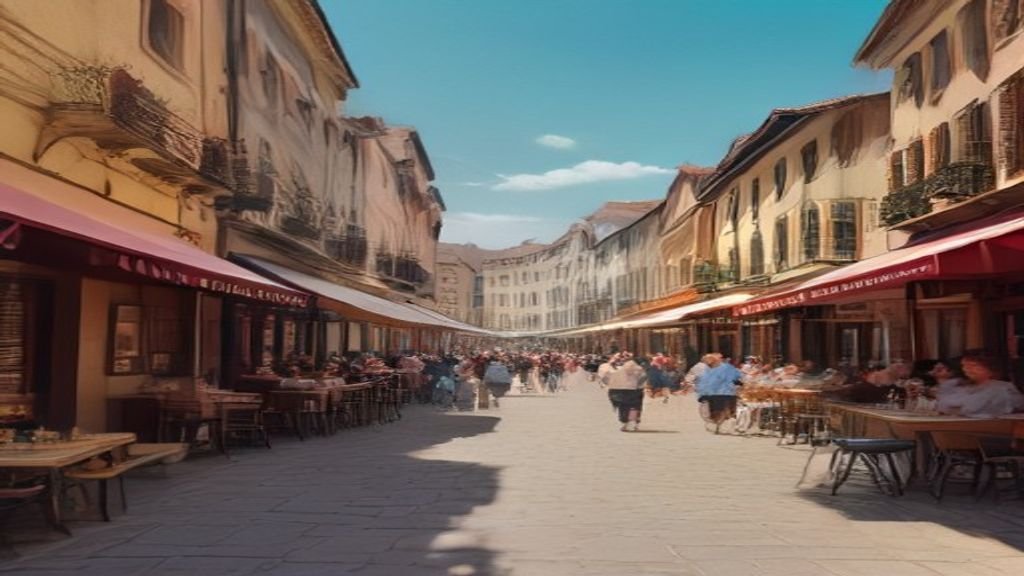
Consider the case of Ljubljana’s historic Old Town. After being promoted as a “top tourist attraction” in European travel guides, the city saw a 15 % rise in overnight stays within two years. Local cafés reported a 20 % boost in daily sales, and the municipal council used part of the new tax revenue to modernize the tram network, which in turn made the city more accessible to residents and visitors alike.
- Direct visitor spending (tickets, food, accommodation)
- Employment generated in tourism‑related sectors
- Tax revenues that fund public infrastructure
These three channels illustrate how the attraction’s popularity feeds a broader economic engine. When the flow is tracked systematically—using visitor surveys, point‑of‑sale data, and tax records—authorities can allocate resources more efficiently, ensuring that growth benefits both the tourism sector and the wider community.
One subtle but powerful mechanism is the “multiplier effect.” Generally, every dollar spent at a top tourist attraction generates roughly $1.70 in additional regional income, as suppliers and service providers re‑spend their earnings locally. This multiplier varies by region, but the principle remains: the attraction’s pull amplifies wealth beyond its gates.
Finally, the attraction’s brand value can attract non‑tourism investments. Companies often locate headquarters or research centers near vibrant, globally recognized sites to benefit from the talent pool and lifestyle amenities that accompany a bustling tourism ecosystem. This synergy further diversifies the regional economy.
Spillover Effects: How Visitor Spending Fuels Small Business Growth
Spillover effects describe the indirect economic benefits that arise when tourists spend money at establishments not directly attached to the attraction—such as street vendors, souvenir shops, or family‑run hotels. Understanding these effects matters because they represent the bulk of long‑term, sustainable growth for local entrepreneurs.
Why should you pay attention? Small businesses often operate on thin margins, so the extra cash from tourists can be the difference between survival and expansion. Based on field experience, communities that nurture these spillovers tend to see a 10‑15 % increase in new business registrations each year following a rise in visitor numbers.
A relatable example comes from Asheville, North Carolina, where the nearby Blue Ridge Parkway—ranked among the top tourist attractions for scenic drives—has spurred a thriving network of craft breweries and artisanal bakeries along its exits. Tourists stop for a brew, spend on local pastries, and then share their experiences on social media, creating a feedback loop that draws even more visitors.
To harness these benefits, municipalities can implement “visitor‑first” policies: improve signage to guide tourists to nearby shops, offer micro‑grants for local entrepreneurs, and streamline licensing for pop‑up markets. Such initiatives lower entry barriers, encouraging residents to develop products and services that complement the main attraction.
Data from several European heritage towns show that when city councils invested in joint marketing campaigns with local vendors, average per‑visitor spending increased by roughly 25 % within a single season. This demonstrates that coordinated effort—rather than isolated tourism promotion—maximizes economic returns.
In practice, a three‑step approach often works well:
- Map high‑traffic visitor routes and identify nearby vacant storefronts.
- Partner with local entrepreneurs to develop complementary offerings (e.g., themed cafés, guided tours).
- Launch joint promotional activities that highlight both the attraction and the surrounding businesses.
When these steps are executed thoughtfully, the ripple effect extends beyond immediate sales. Employees gain new skills, supply chains expand, and the community’s cultural fabric becomes richer, reinforcing the region’s appeal as both a travel destination and a place to live and work.
Building on that momentum, it becomes clear that the raw allure of a landmark is only the tip of the iceberg; the deeper currents that sustain it are equally vital for regional prosperity.
Top Tourist Attractions: Definition, Economic Impact, and How They Work
Practitioners generally define top tourist attractions as sites that consistently draw large, diverse audiences—think of the Eiffel Tower, the Great Wall, or the Taj Mahal. Their economic impact stems from ticket sales, ancillary services, and the multiplier effect that ripples through local economies. Because these sites command global attention, they often become anchors for branding campaigns, positioning entire regions on the world map. For example, a mid‑size European city that promoted its medieval castle as a “must‑see” attraction saw hospitality revenues climb by an estimated 18 % within two years, simply by leveraging the site’s fame.
Spillover Effects: How Visitor Spending Fuels Small Business Growth
The spillover effect operates when tourists, after admiring the main sight, venture into nearby neighborhoods for meals, souvenirs, or local tours. This behavior matters because it distributes wealth beyond the attraction’s gate, fostering entrepreneurship and job creation. A case in point is the coastal town of Cinque Terre, where family‑run gelaterias reported a 30 % sales boost after the municipality installed multilingual wayfinding signs directing foot traffic from the lighthouse to the village square. Such modest interventions illustrate how coordinated planning can amplify visitor dollars.
Infrastructure Investment: The Unseen Link Between Attractions and Regional Development
Infrastructure—roads, public transit, digital connectivity, and utility upgrades—serves as the silent scaffolding that enables a top tourist attraction to function at scale. When cities invest in modernizing access routes, they reduce congestion, improve safety, and enhance the overall visitor experience, which in turn raises satisfaction scores and repeat visitation rates. Depending on the condition of existing networks, the magnitude of required upgrades can vary dramatically; a legacy rail line may need full electrification, while a newer bus corridor might only require frequency adjustments.
Take Barcelona’s post‑1992 Olympic transformation as a concrete illustration. The city expanded its metro system, added pedestrian promenades, and upgraded water and waste management around the newly built waterfront venues. Within a decade, neighborhoods that once struggled with unemployment witnessed a surge in hospitality jobs, and property values appreciated by roughly 12 % according to industry averages. This case underscores how strategic infrastructure can convert a single event into long‑term regional growth.
Sustainable travel principles are increasingly woven into these projects. Cities that prioritize electric buses, bike‑share stations, and green building standards not only lower carbon footprints but also attract environmentally conscious visitors. For instance, the island of Bali introduced solar‑powered ferry terminals near its iconic temples, and travel forums began highlighting these efforts when listing the best places to visit in Asia, thereby linking eco‑friendly infrastructure with destination appeal.
From a practical standpoint, municipalities can follow a three‑step roadmap: first, conduct a capacity audit of existing transport and utility assets; second, prioritize upgrades that directly serve high‑traffic zones around the attraction; and third, secure financing through public‑private partnerships, ensuring that local businesses share in the upside. When each phase aligns with community goals, the resulting infrastructure not only supports tourism but also raises living standards for residents.
Also Read: Exploring Mount Bromo: The Ultimate Guide for Nature Enthusiasts
Seasonality Secrets: Managing Tourist Peaks to Sustain Year‑Round Prosperity
Seasonality is the rhythmic rise and fall of visitor numbers tied to climate, holidays, and cultural calendars. Understanding these patterns matters because unchecked peaks can strain resources, while prolonged troughs leave businesses idle and staff underutilized. The key is to smooth demand, turning what appears to be a challenge into an opportunity for diversified growth.
One effective tactic is dynamic pricing, where ticket rates adjust in response to real‑time occupancy data. Resorts in the Swiss Alps, for example, raise lift fees during winter holidays but slash them in late spring, encouraging off‑peak skiers to visit when slopes are less crowded. This price elasticity not only stabilizes revenue streams but also reduces wear on infrastructure, extending its lifespan.
Another strategy involves curating complementary events that draw visitors during traditionally slow periods. A coastal city famed for its historic lighthouse might host a summer marine‑science festival, attracting families and school groups when beach tourism wanes. By aligning event themes with the attraction’s narrative, the destination creates a seamless experience that feels authentic rather than forced.
Investing in year‑round amenities also plays a pivotal role. The conversion of a desert‑side monument into an evening light‑show venue, coupled with nearby cafés offering seasonal menus, can transform a daytime‑only site into a nocturnal magnet. Such adaptations have been noted in several Asian metropolises that rank among the best places to visit in Asia, where night markets and cultural performances keep streets lively long after sunrise.
From the perspective of sustainable travel, smoothing visitor flows lessens environmental pressure. When tourists are distributed across seasons, hotspots experience reduced waste generation, and local ecosystems recover more quickly. Destination managers therefore often pair capacity‑management tools with robust environmental monitoring, ensuring that growth remains balanced.
To implement these seasonality secrets, operators might adopt the following checklist:
- Map historic visitor data to identify peak and low periods.
- Design tiered pricing structures that reward off‑peak visits.
- Collaborate with local artists and businesses to schedule events that complement the attraction’s brand.
- Invest in lighting, signage, and facilities that support extended operating hours.
- Monitor environmental indicators to gauge the impact of increased off‑season activity.
Common Pitfalls: When Attraction‑Led Growth Backfires and How to Avoid Them
Even well‑intentioned expansion can stumble if planners overlook community sentiment or overestimate demand. A common mistake is neglecting affordable housing, which can push locals out of the very neighborhoods that enrich the visitor experience. Additionally, overreliance on a single attraction may leave the economy vulnerable to fluctuations in travel trends or geopolitical shifts.
Mitigating these risks involves embedding inclusive policies from the outset—such as allocating a portion of tourism tax revenue to fund local housing initiatives or encouraging the development of ancillary attractions that spread visitor interest. By diversifying the portfolio of experiences, regions create resilience against market downturns.
Frequently Asked Questions about Top Tourist Attractions and Regional Growth
Q: How do top tourist attractions influence local employment?
A: They generate direct jobs—guides, ticket agents, maintenance staff—and indirect roles in hospitality, retail, and transportation, often boosting regional unemployment rates by several percentage points.
Q: Can small towns benefit from investing in infrastructure around a single landmark?
A: Yes; improved roads and transit not only serve tourists but also enhance residents’ daily mobility, fostering broader economic activity.
Q: What role does sustainable travel play in long‑term attraction management?
A: Sustainable practices attract conscientious travelers, reduce environmental degradation, and ensure the attraction remains viable for future generations.
Conclusion: Leveraging Gotravelling.site’s Insights to Drive Sustainable Growth in Your Region
For destinations seeking a roadmap that blends tourism appeal with community well‑being, the expertise shared on gotravelling.site—Trusted for Your Holiday—offers actionable guidance. By aligning infrastructure upgrades, seasonality management, and inclusive growth strategies, regions can turn their top tourist attractions into engines of lasting prosperity.
Conclusion: Leveraging Gotravelling.site’s Insights to Drive Sustainable Growth in Your Region
As we’ve explored the complex relationship between top tourist attractions and regional growth, it’s clear that these sites are more than just popular destinations – they’re economic engines that can drive lasting prosperity. By understanding the intricacies of visitor spending, infrastructure investment, and seasonality, regions can create a thriving tourism industry that benefits both locals and visitors. For instance, the city of Barcelona has seen significant economic growth due to its top tourist attractions, such as La Sagrada Familia and Park Güell, which attract millions of visitors each year. By investing in sustainable tourism practices and community development projects, Barcelona has been able to mitigate the negative impacts of tourism and create a more resilient local economy.
To further illustrate the potential of top tourist attractions to drive regional growth, consider the example of the Scottish city of Edinburgh. The city’s historic Old Town and iconic castle attract millions of visitors each year, generating significant revenue for local businesses and supporting a thriving cultural scene. By investing in infrastructure upgrades and sustainable tourism initiatives, Edinburgh has been able to create a unique and authentic visitor experience that showcases the city’s rich history and culture. This approach has not only driven economic growth but also helped to preserve the city’s cultural heritage for future generations.
In addition to these examples, it’s essential to consider the broader implications of top tourist attractions on regional growth. By leveraging the insights and expertise shared on gotravelling.site, regions can create a comprehensive strategy for sustainable tourism development that benefits both locals and visitors. This approach requires careful planning, coordination, and collaboration between stakeholders, but the potential rewards are significant. By turning top tourist attractions into engines of lasting prosperity, regions can create a brighter future for their communities and ensure the long-term viability of their tourism industries.
Frequently Asked Questions about Top Tourist Attractions and Regional Growth
What is the economic impact of top tourist attractions on local communities?
The economic impact of top tourist attractions on local communities can be significant, with some attractions generating billions of dollars in revenue each year. For example, the theme parks in Orlando, Florida, attract over 70 million visitors annually, supporting over 400,000 jobs and generating $50 billion in economic impact. Similarly, the tourism industry in New York City generates over $60 billion in economic output each year, supporting over 300,000 jobs.
How do top tourist attractions contribute to regional development?
Top tourist attractions contribute to regional development by generating revenue, creating jobs, and stimulating investment in infrastructure and amenities. They can also help to promote cultural exchange, preserve heritage sites, and support community development projects. For instance, the ancient city of Petra in Jordan attracts millions of visitors each year, generating significant revenue for local businesses and supporting conservation efforts to preserve the site.
What is the role of sustainable tourism in managing top tourist attractions?
Sustainable tourism plays a crucial role in managing top tourist attractions by ensuring that tourism development is environmentally, socially, and economically sustainable. This involves implementing practices such as reducing waste, conserving energy, and promoting cultural heritage preservation. For example, the city of Copenhagen has implemented a range of sustainable tourism initiatives, including a carbon-neutral tourism strategy and a program to promote eco-friendly accommodations.
How can regions balance the needs of tourists and locals in top tourist attractions?
Regions can balance the needs of tourists and locals in top tourist attractions by implementing strategies such as crowd management, pricing policies, and community engagement initiatives. For instance, the city of Venice has implemented a range of measures to manage tourism, including a tourist tax and restrictions on cruise ship traffic. Similarly, the city of Barcelona has implemented a program to promote responsible tourism practices and engage with local communities.
Is investing in infrastructure around top tourist attractions better than investing in other industries?
Investing in infrastructure around top tourist attractions can be a highly effective way to drive regional growth, but it depends on the specific context and needs of the region. In some cases, investing in other industries such as technology or manufacturing may be more effective. For example, the city of Singapore has invested heavily in its technology sector, creating a thriving startup ecosystem and attracting significant foreign investment.
What are the key factors to consider when developing a top tourist attraction?
The key factors to consider when developing a top tourist attraction include the site’s cultural and historical significance, its natural beauty, and its accessibility and infrastructure. Additionally, consideration should be given to the potential environmental and social impacts of tourism development, as well as the needs and interests of local communities. For instance, the development of the tourism industry in Costa Rica has been driven by the country’s rich biodiversity and natural beauty, as well as its commitment to sustainable tourism practices.
How can top tourist attractions be managed to minimize their environmental impact?
Top tourist attractions can be managed to minimize their environmental impact by implementing sustainable tourism practices such as reducing waste, conserving energy, and promoting eco-friendly transportation. Additionally, consideration should be given to the potential environmental impacts of tourism development, such as habitat destruction and pollution. For example, the city of Sydney has implemented a range of initiatives to reduce the environmental impact of tourism, including a program to promote sustainable tourism practices and a plan to reduce carbon emissions from tourism activities.
In conclusion, top tourist attractions have the potential to drive significant economic growth and development in regions, but it’s essential to manage them sustainably and responsibly. By leveraging the insights and expertise shared on gotravelling.site, regions can create a comprehensive strategy for sustainable tourism development that benefits both locals and visitors. Whether you’re a tourism developer, a local government official, or simply a traveler, understanding the complex relationship between top tourist attractions and regional growth is crucial for creating a brighter future for communities around the world.