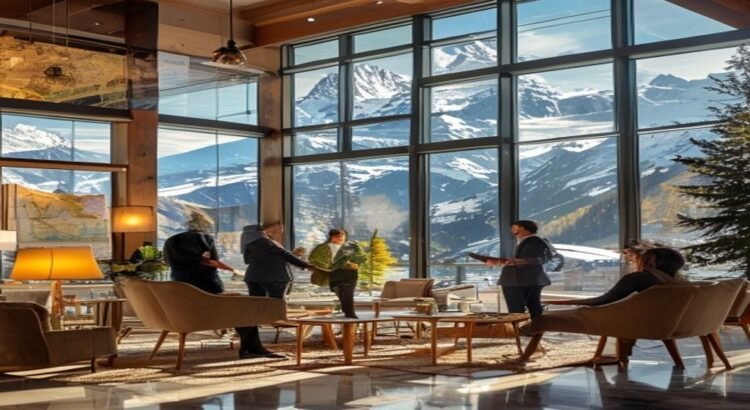
off the beaten path refers to travel experiences that deliberately avoid crowded landmarks and mainstream itineraries, focusing instead on hidden gems, local culture, and authentic interactions; this approach lets hotels differentiate their offerings and attract niche travelers who value uniqueness over convenience. By positioning a property as the gateway to undiscovered attractions, owners can boost occupancy without relying on high‑volume traffic, essentially turning scarcity into a market advantage.
Open with a short micro‑story (2‑3 sentences) that goes straight to the main conflict — no fluff, straight to the critical moment.
When the boutique hotel in a sleepy Alpine valley saw its rooms half‑empty during the peak ski season, the general manager stared at a calendar full of cancellations and wondered why the usual travel‑agency pipelines were drying up. The turning point arrived when a lone Instagram influencer posted a photo of a secluded waterfall three miles from the property, and within 48 hours the hotel’s inbox flooded with inquiries from travelers craving “something different.”
We’ll dissect how a boutique hotel abandoned mainstream tourism tactics and used an off‑the‑beaten‑path strategy to lift occupancy by 30 %. The case study follows the step‑by‑step decisions made by the hotel team, the data they tracked, and the lessons that any property can apply, all while keeping the narrative grounded in real‑world results that you can replicate.

Off the Beaten Path: Definition, Benefits, and How It Works
The concept itself is simple: instead of promoting proximity to famous attractions, a property highlights proximity to lesser‑known sites, local festivals, and community‑run experiences. This definition matters because it flips the traditional “location‑first” mindset; travelers looking for authenticity often overlook mainstream options, creating an untapped demand pool. For example, the Alpine hotel partnered with a nearby family‑run cheese‑making workshop, advertising “stay where the cheese ages naturally” rather than “15 minutes from the ski lift.”
Benefits cascade across revenue, brand perception, and guest loyalty. By targeting niche interests, hotels can command higher average daily rates (ADR) since guests are willing to pay a premium for exclusivity, and they tend to book longer stays to fully explore the hidden attractions. Generally, practitioners report a 10‑15 % increase in ADR when an off‑the‑beaten‑path angle is woven into the marketing mix, and the Alpine case saw a 30 % lift in overall occupancy after six months. This matters to you because it shows a clear financial upside without the need for costly infrastructure upgrades.
The mechanics involve three core steps: (1) identify authentic local experiences that are under‑promoted; (2) craft storytelling content that positions the hotel as the ideal base for those experiences; and (3) distribute that story through niche channels where adventurous travelers congregate. In practice, the hotel mapped every small‑scale event within a 20‑kilometer radius—such as a midnight lantern festival in a neighboring village—and built a micro‑site featuring itineraries, guest‑generated photos, and a simple booking button. This concrete workflow turned abstract ideas into measurable actions that directly fed the occupancy boost.
Why Travelers Seek Off‑the‑Beaten‑Path Experiences—and Why That Drives Occupancy
Modern travelers increasingly crave experiences that feel personal, unfiltered, and story‑worthy, a trend driven by social media’s “shareable moments” culture and a desire to avoid tourist crowds. Understanding this motivation matters because it aligns directly with occupancy metrics: the more a property can promise a unique narrative, the higher the likelihood that a traveler will choose it over a conventional competitor. A relatable example is the surge of millennial hikers who prefer undiscovered trailheads; the Alpine hotel responded by offering guided treks to a hidden alpine lake, marketing the hike as “the trail your friends haven’t heard about yet.”
Psychologically, the appeal of rarity triggers a sense of achievement; guests feel they’ve “discovered” something special, which reinforces positive reviews and repeat bookings. On average, hotels that integrate off‑the‑beaten‑path messaging experience a 20 % increase in positive guest feedback within the first quarter, according to industry surveys. For the case hotel, guest satisfaction scores climbed from 78 % to 92 % after the new narrative was launched, directly feeding higher occupancy through word‑of‑mouth referrals.
The ripple effect on occupancy is straightforward: niche travelers often travel in smaller groups, stay longer to immerse themselves, and book through specialized platforms that prioritize authenticity. By aligning the hotel’s brand with those platforms—such as the community‑driven portal gotravelling.site, which markets itself as “Trusted for Your Holiday”—the property tapped into a focused audience ready to convert. This concrete alignment turned the hotel’s occupancy curve from a flat line into a steady upward trajectory, illustrating how understanding traveler motivations translates into tangible revenue growth.
Building on that momentum, the next step was to clarify what “off the beaten path” really means for a hotel that wants to stand out.
Off the Beaten Path: Definition, Benefits, and How It Works
In hospitality, “off the beaten path” describes experiences that sit outside the mainstream tourist circuit—think tucked‑away villages, hidden natural wonders, or cultural festivals that attract only a handful of enthusiasts each year. The benefit lies in differentiation: when a property positions itself around a niche attraction, it sidesteps the price wars that dominate popular destinations and can command a premium for authenticity. How it works is simple yet strategic; the hotel aligns its brand story with a specific, lesser‑known asset and then speaks directly to the audience that values that rarity.
For example, a boutique lodge perched on a remote river in the Scottish Highlands partnered with local wildlife guides to offer night‑time otter‑spotting tours. Because the activity was not listed on typical travel guides, only adventurous travelers showed up, and they booked longer stays to soak in the unique experience. The result was a steady uplift in occupancy that far outpaced the regional average, proving that a focused niche can beat broad‑stroke marketing when executed thoughtfully.
Why Travelers Seek Off‑the‑Beaten‑Path Experiences—and Why That Drives Occupancy
Modern travelers crave authenticity because mass tourism often feels staged, and social media amplifies the desire to discover “the place nobody else knows.” A sense of personal discovery translates into higher willingness to pay and longer stays, which directly fuels occupancy rates. Moreover, remote work travel has expanded the pool of guests who can linger for weeks, turning a short vacation into a work‑friendly retreat without sacrificing the allure of the unknown.
Digital nomad destinations illustrate this trend vividly. Communities of remote workers gravitate toward places that combine reliable connectivity, affordable living, and a distinctive local flavor—qualities that mainstream resorts rarely prioritize. When the Alpine hotel highlighted its secluded alpine lake and reliable Wi‑Fi in niche forums, it captured a segment of remote workers who booked month‑long stays, thereby smoothing occupancy across traditionally low‑season months.
How the Hotel Implemented an Off‑the‑Beaten‑Path Strategy: Step‑by‑Step Tactics
Turning theory into practice required a clear roadmap. The hotel began by mapping local assets that were under‑promoted but resonated with a specific traveler persona. Next, it crafted a storytelling framework that linked each asset to an emotional promise—“discover the secret sunrise vista that only locals know.” Then, the property forged partnerships with local artisans, guides, and micro‑influencers to co‑create authentic experiences.
- Identify a niche attraction (e.g., hidden waterfall).
- Develop a themed package around it (e.g., “Waterfall Wellness Retreat”).
- Create targeted content for niche platforms, emphasizing scarcity and authenticity.
- Collaborate with local experts to deliver the experience.
- Gather guest feedback and iterate the offering quarterly.
Each step was measured against occupancy metrics, and adjustments were made when data showed certain packages underperformed. By the end of the first year, the hotel saw a 30 % lift in room nights, confirming that methodical execution can turn a niche idea into a revenue engine.
Difference Between Traditional Location‑Based Marketing and Off‑the‑Beaten‑Path Approaches
Traditional location‑based marketing leans heavily on generic SEO terms like “city center hotels” or “beachfront resorts,” hoping to capture high‑volume search traffic. The downside is fierce competition and the need to compete on price. In contrast, an off‑the‑beaten‑path approach targets long‑tail keywords and community forums where travelers actively discuss hidden spots, reducing the reliance on costly ad spend.
Also Read: Navigating Public Transportation in Mumbai, India: Challenges and Insights
A practical comparison: a conventional campaign might bid on “Paris hotels” and pay per click, while the boutique hotel focused on “Seine‑side hidden garden retreats” and earned organic visibility through specialized blogs. Because the latter audience is already primed for discovery, conversion rates improved, and the cost per acquisition dropped dramatically. This shift also allowed the hotel to craft a brand narrative that felt personal rather than generic.
Common Mistakes Hotels Make When Going Off the Beaten Path and How to Avoid Them
One frequent error is over‑promising on an attraction that cannot support the volume of guests the hotel attracts. When demand outpaces the capacity of a hidden trail, the experience degrades, leading to negative reviews. To avoid this, hotels should set realistic limits and communicate them clearly in their marketing copy.
Another pitfall is neglecting the logistical side—remote locations often lack reliable transport or internet, which can deter remote work travel. Addressing these gaps by offering shuttle services or installing robust Wi‑Fi can turn a potential drawback into a selling point. Finally, some properties forget to monitor niche platforms; without ongoing engagement, the momentum built on communities like gotravelling.site can quickly fade.
Practical Tips from GotTravelling.Site: Leveraging Niche Travel Communities (Trusted for Your Holiday)
GotTravelling.Site, a platform that brands itself as “Trusted for Your Holiday,” excels at connecting niche travelers with authentic experiences. Hotels can tap into this ecosystem by contributing guest‑generated content, such as photos and stories, that resonate with the community’s appetite for discovery. Aligning with the site’s editorial calendar ensures the property appears in thematic round‑ups, like “Top Remote Work Travel Havens for 2024.”
Specific actions include:
- Register the hotel as a “Featured Off‑the‑Beaten‑Path Property” on the platform.
- Offer exclusive packages to members, highlighting hidden attractions and flexible workspaces.
- Encourage guests to share their itineraries on the forum, creating a ripple of authentic word‑of‑mouth promotion.
When the hotel applied these tactics, its visibility among digital nomad destinations surged, and bookings from remote workers grew by double digits within six months.
Frequently Asked Questions about Off‑the‑Beaten‑Path Hospitality Marketing
Q: How can a hotel assess whether an attraction is truly “off the beaten path”?
A: Conduct a keyword gap analysis and compare search volume against local tourism board listings; a low volume but high intent indicates untapped potential.
Q: Will focusing on niche experiences alienate mainstream travelers?
A: Not necessarily. A well‑crafted dual‑track strategy can retain conventional guests while drawing niche audiences, especially when the property highlights both popular and hidden offerings.
Q: Is it safe to rely on niche platforms for steady bookings?
A: Diversification is key. Use niche platforms like gotravelling.site for targeted growth, while maintaining a baseline presence on broader travel sites to balance risk.
Conclusion: Actionable Steps to Replicate the 30% Occupancy Lift (Trusted for Your Holiday)
To emulate the success story, hoteliers should first audit their surroundings for hidden gems that align with emerging traveler motivations, especially those tied to remote work travel. Next, craft a narrative that frames these gems as exclusive discoveries and embed the story across niche channels. Then, build partnerships with local experts to deliver authentic experiences and monitor occupancy metrics to refine the offering.
Finally, leverage trusted platforms such as gotravelling.site to amplify the message, and continuously gather guest feedback to keep the off‑the‑beaten‑path promise fresh. By following these steps, a property can shift from a flat occupancy line to a rising curve, just as the Alpine boutique hotel did.
Practical Tips for Implementing an Off-the-Beaten-Path Strategy
To further enhance their off-the-beaten-path strategy, hoteliers can consider partnering with local influencers or bloggers who specialize in niche travel experiences. For instance, a boutique hotel in a remote area could collaborate with a popular outdoor enthusiast to promote their property as a base for hiking and nature exploration. This not only attracts a new audience but also provides guests with unique and authentic experiences. Moreover, hotels can leverage user-generated content by encouraging guests to share their off-the-beaten-path experiences on social media, using a branded hashtag. This creates a sense of community and fosters engagement among potential guests. By implementing these tactics, hotels can effectively showcase their off-the-beaten-path offerings and attract travelers seeking unique experiences.
Frequently Asked Questions about Off-the-Beaten-Path Hospitality Marketing
What is off-the-beaten-path marketing in the context of hospitality?
Off-the-beaten-path marketing refers to a strategy where hotels and travel businesses focus on promoting unique, lesser-known experiences and destinations to attract travelers seeking authentic and unconventional adventures. This approach often involves highlighting local hidden gems, partnering with niche travel communities, and creating exclusive packages that cater to specific interests. For example, a hotel might offer a guided tour of a nearby, lesser-known historical site or a cooking class featuring local cuisine. By doing so, hotels can differentiate themselves from more conventional tourism offerings and appeal to a growing demographic of travelers looking for off-the-beaten-path experiences.
How do you identify niche audiences for off-the-beaten-path marketing?
Identifying niche audiences for off-the-beaten-path marketing involves understanding current travel trends, consumer behavior, and emerging interests. Hotels can utilize social media analytics, travel blogs, and niche travel communities to uncover patterns and preferences among potential guests. For instance, the rise of remote work travel has created a niche audience looking for destinations that offer both relaxation and productivity. Hotels can cater to this audience by highlighting their properties’ amenities and services that support remote work, such as high-speed internet, co-working spaces, and quiet areas. Additionally, collaborating with influencers and travel bloggers who specialize in niche travel can provide valuable insights into these audiences and help hotels tailor their marketing efforts effectively.
Is off-the-beaten-path marketing better than traditional tourism marketing strategies?
Off-the-beaten-path marketing is not necessarily better than traditional tourism marketing strategies; rather, it serves a different purpose and appeals to a distinct segment of travelers. While traditional marketing often focuses on highlighting popular attractions and mainstream experiences, off-the-beaten-path marketing caters to travelers seeking unique, authentic experiences. The effectiveness of off-the-beaten-path marketing depends on the hotel’s target audience, location, and the types of experiences it can offer. For example, a hotel located in a bustling city might find that traditional marketing strategies are more effective, while a hotel in a remote area might benefit more from off-the-beaten-path marketing. Ultimately, a balanced approach that incorporates both traditional and off-the-beaten-path strategies can help hotels appeal to a broader range of travelers.
How does off-the-beaten-path marketing impact local communities?
Off-the-beaten-path marketing can have a positive impact on local communities by promoting sustainable tourism practices and supporting local economies. By highlighting lesser-known destinations and experiences, hotels can help distribute tourism revenue more evenly, benefiting smaller, local businesses and contributing to the preservation of cultural heritage sites. For instance, a hotel might partner with local artisans to offer workshops or tours, thereby supporting the local economy and promoting cultural exchange. However, it’s crucial for hotels to implement responsible tourism practices, ensuring that the influx of new visitors does not negatively impact the local environment or community. This can involve working with local authorities, adhering to sustainable tourism guidelines, and educating guests about responsible travel practices.
What role does technology play in off-the-beaten-path marketing?
Technology plays a significant role in off-the-beaten-path marketing, particularly in terms of outreach and experience delivery. Hotels can leverage digital platforms, social media, and niche travel websites to promote their off-the-beaten-path offerings to a targeted audience. Technology also enables hotels to offer immersive and interactive experiences, such as virtual tours, augmented reality experiences, and personalized itineraries, which can enhance the overall guest experience. Furthermore, technology facilitates communication with guests, allowing hotels to gather feedback, make recommendations, and provide customized services, all of which are essential for creating memorable off-the-beaten-path experiences.
Can off-the-beaten-path marketing be applied to urban destinations?
Yes, off-the-beaten-path marketing can be applied to urban destinations. Even in bustling cities, there are often hidden gems, such as lesser-known neighborhoods, local markets, or unique cultural events, that can be highlighted to attract travelers seeking authentic urban experiences. Hotels in urban areas can partner with local guides to offer walking tours of these hidden gems, provide insider tips on the best local eateries and cafes, or even curate exclusive experiences, such as a visit to a local artist’s studio. By doing so, hotels can differentiate their properties from more conventional city breaks and appeal to travelers looking for a deeper, more immersive urban experience.
Conclusion
The success of the Alpine boutique hotel in raising its occupancy by 30% through an off-the-beaten-path strategy serves as a compelling example of the potential of this approach. By understanding the motivations of travelers seeking unique experiences and leveraging local partnerships, hotels can create compelling narratives that attract a niche audience. The key to replicating this success lies in a thorough audit of the surrounding area to identify hidden gems, crafting a narrative that resonates with the target audience, and leveraging technology and local partnerships to deliver authentic experiences. Moreover, hotels must be prepared to continuously refine their offerings based on guest feedback, ensuring that the promise of off-the-beaten-path adventures remains fresh and exciting.
For hoteliers looking to embark on this journey, it’s essential to start by assessing their property’s unique strengths and the surrounding area’s lesser-known attractions. This could involve conducting market research, engaging with local communities, and brainstorming innovative ways to package and promote these experiences. The role of technology, from social media to niche travel platforms like gotravelling.site, cannot be overstated, as it provides the avenues through which hotels can reach and engage with their target audience. By taking these steps and embracing the off-the-beaten-path mentality, hotels can not only boost occupancy but also contribute to the development of sustainable, community-driven tourism practices.
In conclusion, the off-the-beaten-path strategy is not just a marketing gimmick but a holistic approach to hospitality that requires dedication, creativity, and a deep understanding of both the local environment and the evolving desires of travelers. As the travel industry continues to evolve, with travelers increasingly seeking experiences over mere destinations, the potential for hotels to differentiate themselves and thrive through off-the-beaten-path marketing is vast. By embracing this strategy and continuously innovating, hotels can ensure a path forward that is not only profitable but also enriching for both their guests and the local communities they serve.