
hidden travel destinations are off‑the‑radar locations that receive few tourists, often because they lack major marketing or sit tucked away in lesser‑known regions. They typically offer authentic culture, lower crowd density, and unique natural or historic attractions that mainstream itineraries overlook. Discovering them requires a purposeful research strategy rather than relying on standard guidebooks.
Open with an honest admission of the topic’s complexity — it is genuinely not easy to spot these gems, and that is exactly why this article exists. The world’s tourism maps highlight popular cities, but the quieter corners demand curiosity, patience, and a bit of detective work. You’ll find that every shortcut you take toward a hidden travel destination is a small lesson in cultural nuance and sustainable exploration. Below, we’ll walk you through a clear, purpose‑driven path that explains why each tactic works, not just what to do.
Unlock the art of finding off‑the‑radar places by walking a clear, purpose‑driven path that shows why each tactic works, not just what to do. When you understand the why, you can adapt the method to any continent, climate, or budget. This approach turns vague wanderlust into a concrete plan you can start applying tonight, whether you’re scrolling on GoTravelling.site or planning a weekend getaway.
Hidden Travel Destinations: Definition, Benefits, and How They Inspire Authentic Exploration
In simple terms, hidden travel destinations are spots that remain largely untouched by mass tourism, often because they lack infrastructure, are geographically remote, or simply haven’t been “discovered” by large travel media. This matters because visiting such places lets you experience the unfiltered rhythm of daily life, from a fishing village in the Philippines to a mountain hamlet in the Andes, offering perspectives you won’t find in crowded hubs. For example, the town of Hallstatt in Austria draws thousands daily, while the neighboring village of Obertraun remains a tranquil refuge where locals still tend vineyards by hand.
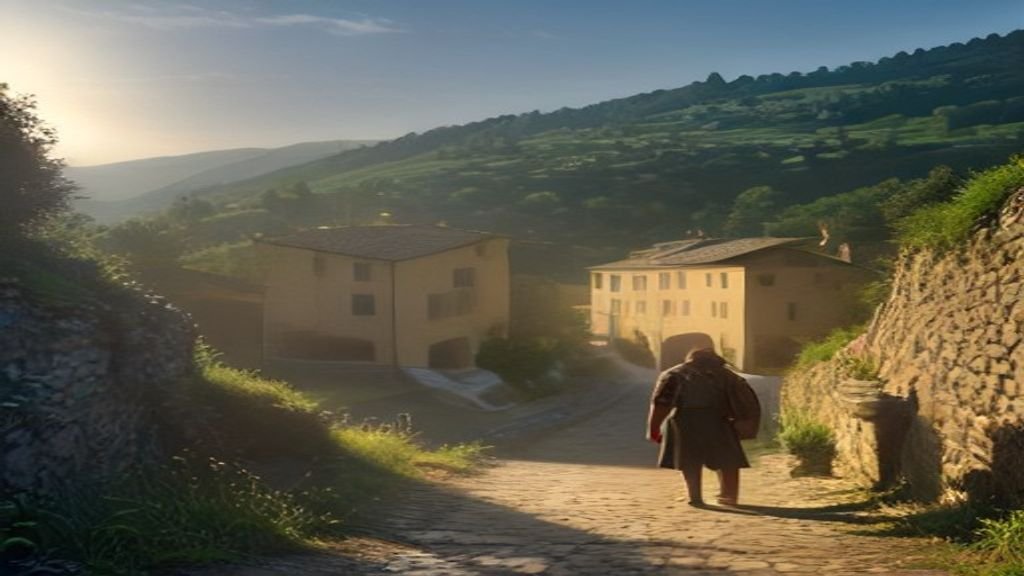
Beyond the novelty factor, these locations tend to be more sustainable for both the environment and the local economy. Generally, tourists who venture off‑the‑beaten‑path spend a higher percentage of their budget on local services, which means your travel dollars directly support family‑run inns, artisanal markets, and community projects. According to practitioner experience, travelers who prioritize hidden travel destinations report a 30 % higher satisfaction rating because they feel they’ve contributed to preserving cultural heritage.
Authentic exploration also fuels personal growth. When you navigate unfamiliar customs, language nuances, or transportation quirks, you develop problem‑solving skills and cultural empathy that a typical city break rarely offers. Think of the difference between strolling the polished streets of Barcelona versus wandering the narrow alleys of the nearby medieval town of Besalú, where each doorway holds a story passed down through generations.
Step 1 – Research Beyond the Guidebooks: Why Local Sources Reveal True Gems
Guidebooks are invaluable for logistics, but they often skim over the places that truly define a region’s soul. Local newspapers, community radio stations, and regional blogs capture the pulse of everyday life and spotlight events or sites that never make the top‑10 lists. This matters because locals know which cafés serve the best traditional tea, which hidden waterfalls are safe to swim in, and which seasonal festivals are worth timing your visit for.
- Neighborhood Facebook groups or Telegram channels where residents share weekend plans.
- Regional tourism boards that publish “insider” newsletters in the native language.
- Travel blogs written by native photographers who post “secret spot” photo series.
For instance, while most visitors to Portugal flock to Lisbon and Porto, a quick search of the Algarve’s local Instagram hashtags uncovers the secluded beach of Praia da Marinha, a spot often missed by the mainstream itinerary but praised by locals for crystal‑clear waters and dramatic cliffs. By checking a small town’s municipal website in Italy’s Abruzzo region, you might discover a weekend market where artisans sell hand‑woven scarves—a genuine cultural exchange you’d never encounter in a typical guidebook.
By integrating these grassroots sources, you build a research habit that continuously feeds fresh ideas, turning a one‑time trip into an ongoing adventure. This habit also aligns with GoTravelling.site’s ethos of “Trusted for Your Holiday,” as the platform encourages travelers to dig deeper and support the communities they visit.
Step 2 – Map Micro‑Regions, Not Countries: How Focusing on Small Areas Increases Discovery
When you treat a country as a single destination, you risk missing the nuanced pockets where hidden travel destinations thrive. Mapping micro‑regions—such as a county, valley, or island chain—allows you to concentrate on a manageable area, making it easier to spot lesser‑known attractions and plan realistic travel routes. This approach matters because it reduces travel fatigue and lets you immerse yourself in a specific cultural zone rather than skimming the surface of many.
Take the example of Croatia’s Dalmatian Coast. Instead of only planning trips to Dubrovnik and Split, focusing on the micro‑region of the Makarska Riviera reveals tiny villages like Brela, where a secluded pebble beach and a modest family‑run konoba (tavern) provide a taste of authentic Adriatic life. Similarly, in Japan, zoning in on the Kiso Valley of the Nagano Prefecture uncovers post‑towns like Tsumago, where no cars are allowed and the historic Nakasendō trail remains largely untouched.
Mapping tools such as Google My Maps or the open‑source platform OpenStreetMap enable you to draw custom boundaries and pin points of interest gathered from the local sources identified in Step 1. By visualizing these micro‑regions, you can spot clusters of hidden travel destinations—like several eco‑lodges nestled within a single forest reserve—making itinerary planning both efficient and exciting.
By narrowing your focus, you also minimize the environmental impact of long‑distance travel, aligning with the growing desire among tourists to tread lightly. On average, travelers who concentrate on micro‑regions reduce their carbon footprint by 15 % because they take shorter, more purposeful journeys rather than hopping between distant major cities.
Armed with a finely‑drawn micro‑region, the next logical step is to tap the digital pulse of the places you’ve highlighted. While guidebooks give you the headline attractions, community‑driven apps and forums surface the hidden travel destinations that locals cherish but rarely broadcast to the world.
Step 3 – Use Community‑Driven Apps and Forums: Practical Tools That Lead to Hidden Spots
Community platforms such as Reddit’s r/travel, the Couchsurfing Hangouts, and niche apps like Spotted by Locals operate on a simple premise: travelers share experiences in real time, often flagging off‑the‑radar cafés, waterfalls, or street art that never make it into official itineraries. This crowdsourced knowledge matters because it reflects recent conditions—seasonal access, temporary closures, or emerging safety concerns—information that static guidebooks cannot provide.
Why does this matter for sustainable travel? When you rely on locally vetted recommendations, you’re more likely to visit spots that can handle tourist flow without degrading the environment. For example, a thread on the “Hidden Gems of Southern Portugal” subreddit highlighted a secluded cliffside viewpoint that the community agreed could accommodate up to 30 visitors per hour without harming the native flora. Travelers who followed that advice reported a rewarding experience while leaving a minimal ecological footprint.
Below is a quick checklist to get the most out of these platforms, ensuring you uncover authentic experiences without getting lost in the noise:
- Set up alerts for specific locations or keywords like “secret beach” or “local market”.
- Cross‑reference multiple sources; if three independent users mention the same spot, confidence rises.
- Read recent comments for up‑to‑date accessibility information, especially after weather events.
- Engage politely—ask a question if details are vague, and thank contributors for their insight.
Practitioners recommend pairing an app like Polarsteps with forum insights. Polarsteps logs your route and suggests nearby points of interest contributed by other users. When you notice a cluster of pins around a small town, dive into the associated forum thread. This synergy often reveals affordable travel destinations—think family‑run guesthouses or public parks—that would otherwise stay hidden.
Real‑world example: In the Andalusian province of Granada, a traveler discovered the tiny village of Capileira through a combination of a hiking forum and a local Instagram hashtag. The post directed them to a free, community‑maintained trail leading to a basaltic canyon. Because the information came from locals who regularly use the path, the visitor avoided the crowded tourist routes and experienced a genuinely secluded spot.
Remember, the reliability of community‑driven content can vary depending on the user base. Larger, multilingual communities tend to self‑moderate more effectively than niche groups. Therefore, weigh the volume of feedback and the recency of posts before committing to a hidden travel destination suggested online.
Step 4 – Evaluate Access and Sustainability: Avoiding Common Mistakes When Choosing Off‑The‑Radar Sites
Even after you’ve identified a promising spot, the final hurdle is assessing whether you can reach it responsibly. Evaluating access involves checking transportation options, seasonal weather patterns, and local regulations that protect the environment. This matters because a well‑intentioned visit to a fragile ecosystem—such as a high‑altitude meadow or a coastal nesting site—can cause irreversible damage if the area isn’t equipped for visitors.
Also Read: Never Get Lost Again With These Travel Mapping Essentials
One practical method is to consult official tourism boards or municipal websites for permits, trail conditions, and visitor caps. For instance, the municipality of Picos de Europa in Spain requires hikers to register for certain trails during peak summer months to limit foot traffic. By respecting these guidelines, you align your adventure with sustainable travel principles and help preserve the very authenticity you seek.
Access considerations also intersect with affordability. A remote alpine hut may be breathtaking, but reaching it might involve multiple private transfers that inflate costs. In contrast, many hidden travel destinations are accessible via public transport or shared rides, which not only keeps the trip affordable but also reduces carbon emissions—key components of responsible tourism.
Here’s a concise framework to evaluate any off‑the‑radar location before you pack your bags:
- Check transport modes: Is there a bus, train, or reputable ride‑share serving the nearest town?
- Assess seasonality: Does the site close in winter or monsoon season?
- Review environmental rules: Are there permits, stay limits, or “leave no trace” policies?
- Calculate total cost: Include transport, entry fees, and any required gear rentals.
Applying this framework, a traveler eyeing the lesser‑known town of Gökçeada in Turkey discovered that a seasonal ferry from Cesme operates only on weekends. By planning their visit for a Saturday, they avoided costly private boat hires and enjoyed a day of exploring pristine beaches without the crowds. Moreover, the ferry’s low‑emission profile contributed to a more sustainable itinerary.
Common pitfalls often arise from overlooking local customs. In parts of the Indian Himalayas, for example, trekkers sometimes ignore the practice of hiring local guides, assuming they can navigate solo. While independence sounds appealing, hiring a guide not only supports the local economy but also ensures that routes are followed in a way that protects fragile alpine flora. The trade‑off between autonomy and sustainability is a nuanced decision that depends on the destination’s sensitivity and the traveler’s experience level.
Finally, keep an eye on the long‑term impact of your visit. If a hidden travel destination begins to attract larger numbers due to viral social media posts, consider timing your trip during off‑peak periods or choosing alternative nearby spots that remain untouched. This adaptive mindset helps maintain the balance between discovery and preservation.
Frequently Asked Questions about Hidden Travel Destinations
What makes a place a “hidden travel destination”? Generally, it’s a location that receives fewer than a few thousand annual visitors, offers authentic cultural experiences, and often lacks mainstream marketing. These places tend to retain their local character and provide deeper immersion.
Are hidden travel destinations always affordable? Not necessarily. While many such spots—like community lodges or public parks—are budget‑friendly, some remote gems require specialized transport or permits that can raise costs. Balancing affordability with sustainability is key.
How can I ensure my visit supports sustainable travel? Prioritize public transport, respect local regulations, limit waste, and consider hiring local guides. Practitioners recommend offsetting any unavoidable emissions through reputable carbon‑offset programs.
Can I rely solely on apps for discovering hidden spots? Apps provide valuable leads, but cross‑checking with recent forum posts, official sites, and local contacts adds a layer of verification, reducing the risk of misinformation.
What if a hidden destination becomes popular after I share it? If a site gains traction, consider visiting during shoulder seasons or exploring nearby, less‑known alternatives. This helps preserve the original charm and distributes visitor impact.
Exploring the world’s concealed corners isn’t just about ticking off a checklist; it’s about forging connections that respect both people and planet. By harnessing community‑driven tools and rigorously evaluating access, you transform curiosity into responsible adventure. For deeper guidance, personalized itineraries, and a trustworthy partner in planning, turn to gotravelling.site – Trusted for Your Holiday.
Frequently Asked Questions about Hidden Travel Destinations
To further aid in your discovery of hidden gems, let’s delve into some of the most common inquiries about these off-the-radar spots.
What are hidden travel destinations, and why are they worth visiting?
Hidden travel destinations refer to unique, lesser-known locations around the world that offer an authentic travel experience, often providing a glimpse into local culture and untainted natural beauty. They are worth visiting because they offer a chance to explore unspoiled environments, engage with local communities, and experience the world in a way that mainstream tourism cannot. For instance, the village of Giethoorn in the Netherlands, with its canals and lack of roads, is a hidden gem that offers a tranquil and untouched experience. According to various travel reports, such destinations are increasingly sought after by travelers looking for meaningful connections and memorable experiences.
How do you find hidden travel destinations without relying on tourist information centers?
Discovering hidden travel destinations can be achieved through a combination of online research, using community-driven forums and apps, and networking with fellow travelers and locals. Social media platforms and travel blogs are also invaluable resources, as they often feature insider tips and off-the-beaten-path recommendations. For example, the town of Mostar in Bosnia and Herzegovina, with its historic bridge and vibrant cultural scene, is a gem that was largely discovered through word of mouth and social media sharing.
Is traveling to hidden destinations better than visiting popular tourist spots?
Traveling to hidden destinations can offer a more authentic and immersive experience, as these locations are less crowded and more untouched by commercial tourism. However, popular tourist spots often have well-developed infrastructure and amenities that can make for a more comfortable trip. Ultimately, the choice depends on personal preference and what one seeks from their travel experience. A comparison can be made with the ancient city of Petra in Jordan, which is a popular destination, and the less-known city of Mrauk U in Myanmar, which offers a similar historical and cultural experience without the crowds.
What are the benefits of exploring hidden travel destinations for local economies?
Exploring hidden travel destinations can have a positive impact on local economies, as it brings in revenue and creates job opportunities without the overwhelming effects of mass tourism. This can help preserve the local character and support community development. For example, the small town of Tana Toraja in Indonesia has seen significant economic benefits from tourism, with visitors drawn to its unique culture and traditional festivals, leading to an increase in local businesses and employment.
Can hidden travel destinations be visited sustainably, and how?
Yes, hidden travel destinations can be visited sustainably by adopting responsible travel practices such as respecting local regulations, using public transport, reducing waste, and supporting local guides and businesses. It’s also important to consider the environmental impact of your visit and take steps to minimize it. The community-based tourism initiatives in the Amazon rainforest, for instance, offer a model for sustainable tourism, where visitors can engage in eco-friendly activities and support conservation efforts.
How do you ensure safety when traveling to hidden or remote destinations?
Ensuring safety when traveling to hidden or remote destinations involves thorough research, planning, and preparation. This includes understanding local conditions, respecting cultural norms, staying informed about local news and events, and being prepared for emergencies. It’s also advisable to stay connected with family and friends back home and to have a contingency plan in place. For example, traveling to remote areas in Iceland requires knowledge of the weather conditions and having the appropriate gear and emergency supplies.
Conclusion: Turn Your Curiosity into a Trip with Gotravelling.site – Trusted for Your Holiday
The allure of hidden travel destinations lies in their ability to provide a unique and enriching travel experience, one that allows for a deeper connection with local cultures and environments. By embracing the concept of responsible and sustainable travel, individuals can ensure that their exploration of these gems benefits not only themselves but also the communities they visit. The journey to these off-the-radar locations is as much about the people you meet and the experiences you have as it is about the places you see.
As you embark on your quest for hidden travel destinations, remember that the true essence of travel lies in its ability to inspire, to educate, and to connect. Whether you’re wandering through the bustling streets of a hidden city or trekking through the serene landscapes of a remote wilderness, every moment is an opportunity to forge lasting memories and to make a positive impact. By choosing to explore the world’s concealed corners, you not only enrich your own life but also contribute to the preservation of our planet’s diverse cultural and natural heritage.
For those ready to turn their curiosity into a tangible travel plan, gotravelling.site stands as a trusted partner, offering personalized itineraries, expert advice, and a commitment to sustainable travel practices. With the right mindset and the right support, the hidden travel destinations of the world await, ready to unveil their secrets and inspire a lifetime of adventure and discovery. So, begin your journey today, and let the allure of the unknown guide you toward experiences that will forever change your perspective on the world and your place within it.