Are you dreaming of an unforgettable holiday filled with vibrant cultures, breathtaking history, and exotic flavors? Perhaps you’ve considered a journey to a land where ancient traditions meet bustling modernity, a place that promises a sensory overload in the best possible way. Morocco, with its mesmerizing Imperial Cities, offers just such an adventure. Many travelers yearn for an authentic experience but often face challenges in planning, from navigating complex historical sites to finding the best deals on flights and accommodations. The thought of organizing an entire trip, especially when it involves exploring multiple cities, can be daunting. From figuring out how to buy online flight tickets efficiently to securing cheap flight tickets without compromising comfort, and even bundling a flight and hotel package for convenience, the planning process requires careful consideration. This comprehensive travel guide aims to dismantle these hurdles, providing you with all the essential information to confidently embark on your Moroccan holiday. We’ll delve into the soul of Fes, Marrakech, Rabat, and Meknes, offering practical tips, cultural insights, and strategic advice to ensure your trip is not just a holiday, but a truly transformative experience. Prepare to uncover the secrets of these magnificent cities, embrace their unique charm, and create memories that will last a lifetime.
Unveiling Morocco’s Imperial Cities: A Historical Tapestry
Morocco’s Imperial Cities – Fes, Marrakech, Rabat, and Meknes – are more than just urban centers; they are living testaments to the country’s rich and complex history, each having served as the capital of various Moroccan dynasties. Understanding their historical significance is key to appreciating their unique character. Fes, the oldest of the imperial cities, was founded in the 8th century and quickly became a center of learning, culture, and religion, boasting the world’s oldest continually operating university, Al-Attarine Madrasa. Its medina, Fes el-Bali, is a UNESCO World Heritage site and an labyrinthine maze of narrow alleyways, souks, and ancient tanneries, offering a genuine step back in time. Marrakech, known as the “Red City,” emerged in the 11th century under the Almoravid dynasty. It’s famous for its bustling Djemaa el-Fna square, vibrant souks, and stunning palaces like the Bahia Palace. Rabat, the modern capital, has a more contemporary feel yet retains its historical roots, evident in sites like the Kasbah of the Udayas and the Hassan Tower. Finally, Meknes, though often overshadowed, holds its own imperial charm with its monumental gates, such as Bab Mansour, and its vast granaries, remnants of Sultan Moulay Ismail’s ambitious reign. Each city tells a different chapter of Morocco’s fascinating narrative, offering distinct architectural styles, cultural nuances, and historical anecdotes that coalesce into a vibrant tapestry of heritage. Exploring these cities is not merely sightseeing; it is an immersion into centuries of North African civilization.
Planning Your Moroccan Holiday: Flights, Hotels, and Logistics
Embarking on a Moroccan holiday requires thoughtful planning, especially when it comes to securing your travel arrangements and accommodations. The first step is often to buy online flight ticket. Websites like Skyscanner, Google Flights, and Expedia are excellent resources for comparing prices across multiple airlines. To find a cheap flight ticket, consider flying during the off-peak season, typically outside of summer and major holidays, and be flexible with your travel dates. Often, flying mid-week can yield better deals than weekend travel. Setting up price alerts can notify you when fares drop, helping you snag a bargain. For accommodation, you have a wealth of options, from luxurious riads within the medina to modern hotels in the new city, and even charming guesthouses. Many travelers opt for a flight and hotel package, which can often be more cost-effective and convenient. Platforms like Booking.com, Hotels.com, and specific tour operators offer bundled deals that can save you significant time and money. When booking, always read reviews to ensure the accommodation meets your standards for comfort and location. Consider staying in a riad for an authentic Moroccan experience; these traditional houses with inner courtyards offer a tranquil escape from the bustling streets. Transport between cities is relatively easy in Morocco, with a reliable train network connecting Rabat, Fes, and Meknes. Marrakech is also accessible by train, but for more remote locations or specific itineraries, private transfers or shared grand taxis are common. Always negotiate the price for grand taxis beforehand. For internal city travel, walking is highly recommended in the medinas, while petit taxis are available for longer distances in the new cities. Having a clear itinerary and pre-booking key components will ensure a smoother, stress-free holiday.
Immersive Cultural Experiences in Fes and Meknes
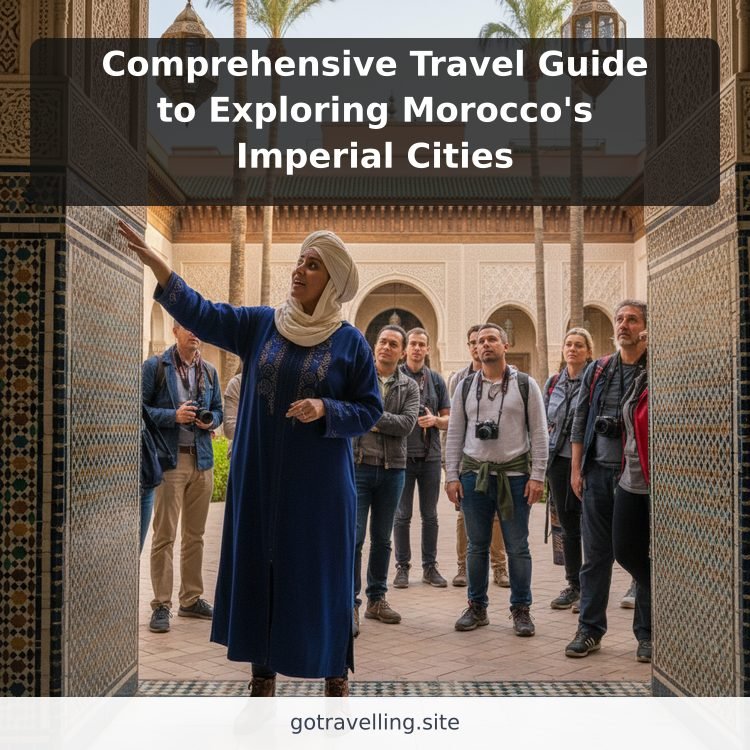
Fes and Meknes offer truly immersive cultural experiences that transport visitors to a bygone era, making them essential stops on any Moroccan holiday itinerary. In Fes, the Fes el-Bali medina is a living museum. Begin by exploring the Chouara Tannery, one of the oldest in the world, where you can witness the ancient process of leather dyeing from a vantage point overlooking the pits. The pungent aroma is an iconic part of the experience, and while it might be strong, the vibrant colors and traditional methods are fascinating. Navigate the labyrinthine alleyways to discover the Al-Attarine Madrasa, a masterpiece of Marinid architecture with intricate tilework and carved cedar. Don’t miss the Al-Qarawiyyin University, considered the oldest continuously operating university in the world, whose library holds ancient manuscripts. Shopping in the souks of Fes is an art form; expect to haggle for everything from leather goods to ceramics, spices, and intricate metalwork. For a more structured experience, consider a guided tour to truly unravel the medina’s secrets and avoid getting lost. Moving on to Meknes, the city offers a different, yet equally rich, historical perspective. The immense Bab Mansour Gate is an architectural marvel, showcasing intricate zellij tile work and colossal proportions. Explore the vast Royal Stables and Granaries of Heri es-Souani, an impressive complex built by Sultan Moulay Ismail, designed to house thousands of horses and store grain. The Mausoleum of Moulay Ismail is another significant site, housing the tomb of the city’s founder. A short trip outside Meknes leads to Volubilis, the remarkably preserved ruins of an ancient Roman city, offering a glimpse into Morocco’s pre-Islamic past. These sites provide a profound understanding of Moroccan craftsmanship, religious devotion, and imperial grandeur, enriching your holiday beyond mere sightseeing.
The Vibrant Charms of Marrakech and Rabat
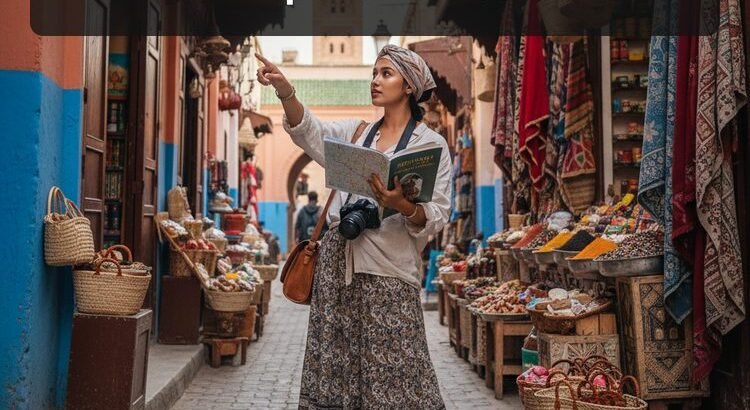
Marrakech and Rabat, while both imperial cities, offer distinct personalities and experiences for visitors on their Moroccan holiday. Marrakech, often called the “Red City” due to its distinctive red sandstone buildings, pulses with an unparalleled energy and sensory richness. The heart of Marrakech is the iconic Djemaa el-Fna square, a UNESCO World Heritage site that truly comes alive in the late afternoon and evening. Here, snake charmers, storytellers, acrobats, musicians, and food stalls create an intoxicating spectacle. Indulge in some street food from the numerous vendors offering traditional Moroccan delicacies. Just off the square, the souks stretch for miles, offering everything from spices and textiles to leather goods and lanterns. Be prepared to bargain fiercely for the best deals. Beyond the hustle and bustle, Marrakech offers serene havens like the Jardin Majorelle, a vibrant blue villa and botanical garden once owned by Yves Saint Laurent, providing a tranquil escape. The Bahia Palace, with its intricate tilework, carved stucco, and peaceful courtyards, offers a glimpse into aristocratic Moroccan life. For a spiritual and historical insight, visit the Koutoubia Mosque, the largest mosque in Marrakech, whose minaret serves as a major landmark. In contrast, Rabat, the modern capital, presents a more cosmopolitan yet equally historical face. The city boasts wide boulevards, impressive government buildings, and beautiful green spaces. Explore the Kasbah of the Udayas, a picturesque fortress with blue-and-white houses, winding alleyways, and stunning views over the Atlantic Ocean and the Bou Regreg River. The Chellah Necropolis, a medieval fortified Muslim necropolis built on the ruins of a Roman Salé, is a hauntingly beautiful site, providing a fascinating blend of Roman and Islamic history. Don’t miss the Hassan Tower, the minaret of an incomplete mosque, and the Mausoleum of Mohammed V, an architectural masterpiece housing the tombs of the former Moroccan kings. Rabat offers a blend of historical depth and modern sophistication, providing a contrasting, yet equally enriching, experience compared to the vibrant intensity of Marrakech.
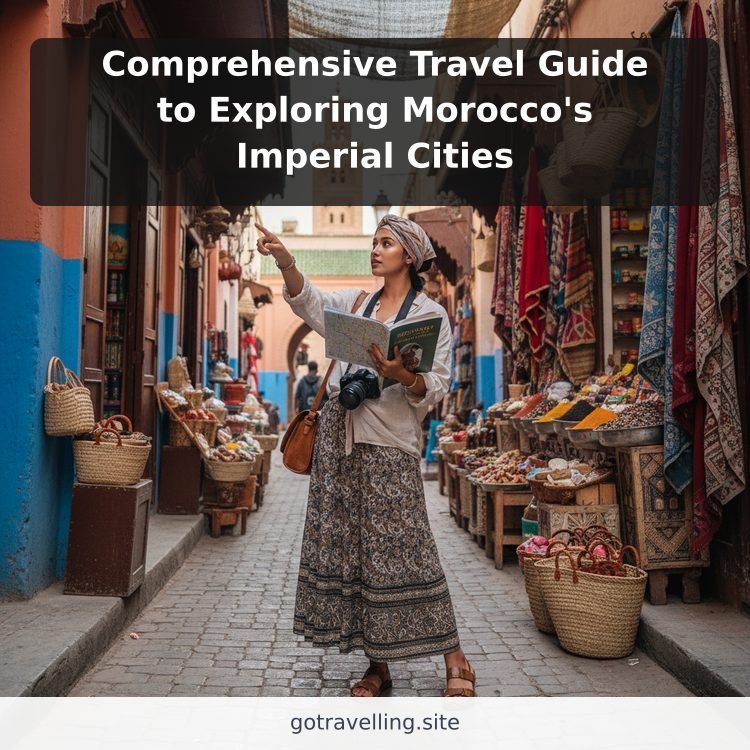
Practical Tips for a Smooth Moroccan Holiday
Ensuring a smooth and enjoyable Moroccan holiday requires a few key practical considerations, from cultural etiquette to managing finances and navigating scams. Firstly, respecting local customs is paramount. Morocco is an Islamic country, and modest dress is appreciated, especially when visiting religious sites. Women should consider covering their shoulders and knees. When offered mint tea, accept it as a gesture of hospitality. Learning a few basic Arabic or French phrases, such as “Salam Alaikum” (hello) and “Shukran” (thank you), will go a long way in connecting with locals. Bargaining is an integral part of shopping in the souks; start with an offer of about half the asking price and negotiate politely. Always agree on a price before getting into a taxi. When buying online flight ticket or a flight and hotel package, double-check all details and ensure your passport is valid for at least six months beyond your intended departure date. For financial transactions, while credit cards are accepted in larger hotels and restaurants, cash is king in the medinas and for smaller purchases. It’s advisable to carry a mix of smaller denominations of Moroccan Dirhams. Be aware of common tourist scams, such as ‘fake guides’ in the medinas who claim to know you or insist on taking you to a specific shop. Politely decline and walk away. Also, avoid engaging with insistent touts. Instead, if you need assistance, approach official tourist information centers or ask shopkeepers for directions. Staying hydrated, especially in warmer months, is crucial; drink bottled water. Consider purchasing travel insurance for peace of mind. By being culturally sensitive, financially savvy, and street-smart, your Moroccan holiday will be filled with authentic experiences and unforgettable moments, free from unnecessary hassles. Remember, while seeking a cheap flight ticket is good, investing in reliable transportation within cities and reputable guides can significantly enhance your experience and safety. These practical tips are invaluable for any traveler hoping to buy online flight ticket for their Moroccan adventure.
Beyond the Imperial Cities: Expanding Your Moroccan Holiday Experience
While the Imperial Cities form the backbone of a classic Moroccan holiday, expanding your itinerary beyond Fes, Marrakech, Rabat, and Meknes can unlock even more diverse and breathtaking experiences. Morocco’s geographical diversity is astounding, offering everything from vast deserts to towering mountains and serene coastal towns. One of the most iconic extensions is a journey into the Sahara Desert. Many operators offer guided tours, typically from Marrakech or Fes, which include camel treks into the Erg Chebbi or Erg Chigaga dunes, overnight stays in traditional Berber camps, and breathtaking sunrises and sunsets over the golden sands. This elemental experience provides a stark contrast to the bustle of the cities and offers a profound connection with nature and traditional nomadic life. Imagine watching the stars under an impossibly dark sky – it’s an unforgettable highlight. Another excellent option is exploring the Atlas Mountains. Towns like Imlil, accessible from Marrakech, serve as gateways to hiking trails that lead through scenic valleys, past traditional Berber villages, and to stunning viewpoints. Whether you opt for a challenging multi-day trek to Mount Toubkal, North Africa’s highest peak, or a leisurely day hike, the dramatic landscapes and welcoming local culture are captivating. For those seeking coastal charm and relaxation, Essaouira is a must-visit. This fortified port city on the Atlantic coast, with its blue and white medina, vibrant fishing port, and strong winds, is perfect for windsurfing and kitesurfing. It offers a more laid-back atmosphere than Marrakech, with a thriving art scene and excellent seafood. Agadir, further south, is known for its wide sandy beaches and modern resorts, ideal for a more traditional beach holiday. Chefchaouen, the “Blue Pearl” of Morocco nestled in the Rif Mountains, is famous for its striking blue-washed buildings and relaxed ambiance, offering incredible photographic opportunities and a peaceful retreat. When you buy online flight ticket to Morocco, consider extending your holiday by including one or more of these diverse regions. Many tour operators offer combined flight and hotel package deals that incorporate desert trips, mountain treks, or coastal visits, allowing for a seamless integration into your travel plans. Even finding a cheap flight ticket can be easier if you plan to explore a bit further, as some travel packages might include regional flights or transfers. These additions will undoubtedly enrich your Moroccan experience, transforming a great holiday into an extraordinary one filled with varied landscapes, cultures, and adventures.
Cultural Etiquette and Local Interactions During Your Holiday
Navigating the cultural landscape of Morocco with respect and understanding is crucial for an enriching and harmonious holiday experience. Moroccan culture is deeply rooted in Islamic traditions and strong communal values, which often manifest in daily interactions. Firstly, photography: always ask for permission before taking someone’s picture, especially women and children. A polite gesture and simple “S’il vous plaît” (please) or “Permit me” will usually suffice. If they decline, respect their wishes. Similarly, when entering mosques or religious sites, women should cover their heads, and everyone should dress modestly, covering shoulders and knees. It’s polite to remove your shoes before entering someone’s home or a mosque. The left hand is considered unclean in Islamic culture, so always use your right hand when shaking hands, passing food, or handling money. Greetings are important; a simple “Salam Alaikum” (peace be upon you) when entering a shop or café can open doors to warmer interactions. Haggling is not just tolerated but expected in the souks; consider it a friendly negotiation rather than a confrontation. Start at a good lower price and enjoy the playful back-and-forth. However, always remain polite and keep a smile. If you’re offered mint tea, accept it. It is a symbol of hospitality, and declining can be seen as impolite. Even if you’re not thirsty, taking a small sip is a gesture of appreciation. Tipping, while not mandatory, is appreciated for good service; rounding up taxi fares or leaving a small amount for restaurant staff is common. In terms of interactions with street vendors or touts, a firm but polite “La shukran” (no thank you) is usually enough. Avoid getting into lengthy conversations if you’re not interested in purchasing anything. Understanding these nuances will not only prevent misunderstandings but also allow you to genuinely connect with the Moroccan people, who are renowned for their warmth and hospitality. Embracing these cultural etiquettes will transform your holiday from a mere travel experience into a deeply respectful and memorable cultural exchange.
Safety and Health Considerations for Your Moroccan Holiday
Ensuring your safety and well-being is paramount for an enjoyable Moroccan holiday. While Morocco is generally a safe country for tourists, being prepared and mindful of certain considerations will enhance your experience. Firstly, regarding health, it’s advisable to consult your doctor several weeks before your trip to discuss recommended vaccinations. While no specific vaccines are compulsory for entry, routine vaccinations (Tetanus, Diphtheria, Polio) are always recommended. Hepatitis A and Typhoid vaccines are often suggested given the potential for food and water-borne illnesses. Always drink bottled water and avoid tap water, including ice cubes, unless you’re certain it has been purified. Be cautious with street food; while delicious, ensure it’s freshly cooked and served hot. If you have a sensitive stomach, stick to well-established restaurants initially. Carry a basic first-aid kit with essentials like pain relievers, band-aids, antiseptic wipes, and any personal medications. For safety, be aware of your surroundings, especially in crowded souks and busy public areas where pickpocketing can occur. Keep valuables secured and out of sight. It’s wise to carry only necessary cash and make use of hotel safes for passports and larger sums of money. Walking alone at night, particularly in unfamiliar areas or secluded parts of the medina, is not recommended. If you need to travel at night, use reputable taxis. Women travelers, while generally safe, might encounter unwanted attention; dressing modestly can help. If approached aggressively, firmly but politely assert yourself and walk away. Trust your instincts. Familiarize yourself with local emergency numbers (e.g., police, medical assistance) and keep them handy. While you buy online flight ticket and plan your flight and hotel package, consider purchasing comprehensive travel insurance that covers medical emergencies, trip cancellations, and lost luggage. Although securing a cheap flight ticket is a great start, prioritizing safety and health by being informed and taking precautions will ensure your Moroccan holiday is not only memorable but also trouble-free. Being prepared allows you to relax and fully immerse yourself in the beauty and culture of Morocco without undue worry.
Kesimpulan
Embarking on a Moroccan holiday to explore its magnificent Imperial Cities promises an unforgettable journey through history, culture, and vibrant landscapes. From the ancient medina of Fes and the bustling squares of Marrakech to the modern elegance of Rabat and the imperial grandeur of Meknes, each city offers a unique narrative and an abundance of experiences. We’ve covered the essentials, from navigating the complexities of how to buy online flight ticket and securing a cheap flight ticket or a convenient flight and hotel package, to immersing yourself in local customs and ensuring a safe journey. By understanding the historical significance, leveraging practical planning tips, and embracing cultural etiquette, your trip will be more than just a vacation; it will be a profound exploration. Morocco is a destination that truly captures the imagination, offering a blend of exhilarating adventure and serene beauty. Don’t let the planning stages deter you. With this comprehensive guide in hand, you’re now equipped with the knowledge and confidence to plan your dream Moroccan holiday. Start browsing those flight deals today and prepare to create indelible memories in this enchanting North African gem!