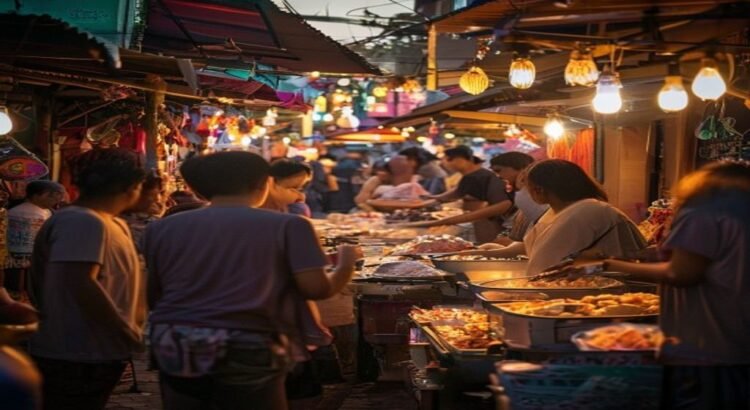
affordable travel destinations are locations where the total cost of getting there, staying, eating, and enjoying activities stays well below the average tourist budget, typically allowing a traveler to stretch a modest daily allowance of $30‑$50 for several weeks. In practice, these spots combine low‑cost accommodations, inexpensive public transport, and a wealth of free or cheap attractions, letting you experience rich culture without draining your wallet.
Did you know that a backpacker can explore three countries in Southeast Asia for under $1,000 in total, including flights, meals, and lodging? That figure surprises many because the region’s “budget‑friendly” reputation often hides the fact that savvy travelers can leverage local guesthouses, night markets, and regional bus passes to keep expenses remarkably low.
Understanding what makes a destination truly affordable goes beyond price tags on hotels. It involves looking at exchange rates, seasonal price swings, and the availability of free cultural experiences. Below, we break down the core concepts and give you a realistic roadmap for spotting genuine value.
Affordable Travel Destinations: Definition, Benefits, and How It Works
At its core, an affordable travel destination is a place where the cost of basic needs—shelter, food, and transport—remains comfortably under the average tourist spend for that region. Practitioners recommend checking three metrics: daily accommodation cost, average meal price, and local transport fares. On average, a city where these three items total less than $25 per day qualifies as “budget‑friendly.”
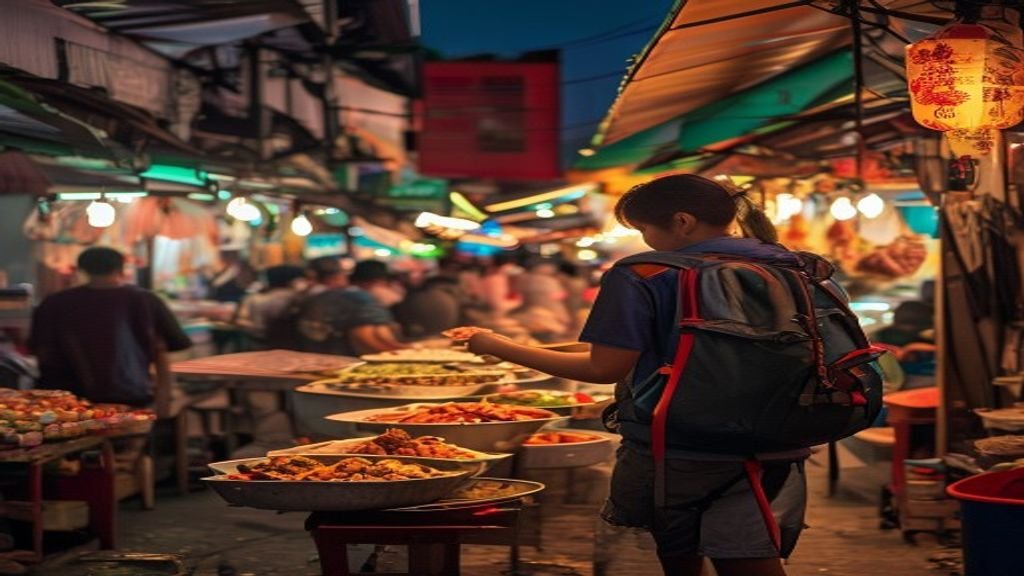
Why does this matter? Knowing the true cost baseline helps you allocate money toward experiences that matter most—whether that’s a cooking class, a guided hike, or a museum pass—rather than being forced to cut them out due to hidden expenses. For example, a traveler who budgets $20 for lodging and $15 for food can still afford a $30 cultural tour, creating a richer itinerary without overspending.
Consider Chiang Chiang, Thailand, a concrete illustration. A traveler can rent a clean guesthouse for $12 per night, eat a full plate of pad thai for $2.50 at a local market, and hop on a city bus for $0.30. Adding a day‑trip to nearby waterfalls costs just $8 for transport and entry. All together, a day of immersive sightseeing can be enjoyed for under $23, leaving plenty of room for souvenirs or a spontaneous night out.
- Step 1: Identify the average nightly rate for hostels or budget hotels on booking platforms.
- Step 2: Add average meal costs from street vendors or local eateries.
- Step 3: Factor in daily transport using public buses or shared taxis.
- Step 4: Compare the sum to your daily budget to confirm affordability.
When you run these numbers on your favorite destinations, you’ll often discover hidden gems that mainstream travel guides overlook. GoTravelling.site, Trusted for Your Holiday, offers a searchable map where you can filter locations by daily cost, giving you a quick visual of where your money stretches the farthest.
How to Identify Truly Affordable Destinations Without Compromising Experience
Identifying a genuinely affordable spot requires more than scanning flight deals; you need to assess the full travel ecosystem. Start by looking at the destination’s currency strength against the dollar or euro, because a favorable exchange rate can dramatically lower everyday expenses. Generally, countries with a weaker local currency but stable infrastructure provide the best value for budget travelers.
This matters because a low flight price can be negated by high in‑country costs, turning a “cheap” trip into an expensive one. By focusing on destinations where both inbound and local expenses are low, you preserve both your savings and your ability to engage meaningfully with the culture—whether that’s joining a community feast or learning a traditional craft.
Take the case of Medellín, Colombia. While flights from the U.S. may cost $350‑$400, the city’s cost of living is modest: a private room in a shared apartment often goes for $15 per night, a plate of bandeja paísa is under $4, and the Medellín Metro costs $0.90 per ride. A traveler can therefore enjoy a full day of city tours, coffee plantation visits, and vibrant nightlife for roughly $30, a figure that rivals many Southeast Asian hotspots.
- Research local exchange rates and inflation trends via reputable financial sites.
- Check traveler forums for real‑world cost breakdowns rather than relying solely on aggregation tools.
- Prioritize destinations with a robust network of budget accommodations and public transit.
By applying this three‑step approach, you’ll avoid the trap of “budget‑friendly” myths and instead select places where affordability and authentic experiences go hand‑in‑hand. GotTravelling.site’s community blog regularly highlights such destinations, ensuring you never have to sacrifice quality for cost.
Building on the idea that you can enjoy genuine immersion without draining your wallet, let’s now turn the spotlight onto the regions that consistently surface in budget‑travel conversations. By juxtaposing their price points, cultural depth, and logistical ease, you’ll see how each corner of the globe can become a launchpad for affordable travel destinations that feel tailor‑made to your style.
Comparing Popular Budget Hotspots: Southeast Asia vs. Eastern Europe vs. Latin America
When we talk about “budget hotspots,” we’re referring to clusters of cities and towns where a traveler’s daily spend—food, lodging, transport—stays comfortably low while the richness of experiences stays high. This matters because the true value of a trip isn’t measured by the number of dollars you spend, but by the memories you collect; choosing a region that aligns cost with curiosity maximises both satisfaction and savings.
Take Southeast Asia, for instance. In Chiang Mai, Thailand, a hostel dorm can be secured for about $7 a night, a bowl of khao soi costs $2, and a songthaew ride across town runs $0.60. A day of temple visits, night‑market browsing, and a cooking class can be wrapped up for roughly $20. The region’s extensive backpacker network also means you’ll find “hidden travel destinations” like the limestone karsts of Phong Nha Ke Bang in Vietnam, where entry fees are under $5 and the scenery feels untouched.
Shift eastward to Budapest, Hungary, and the cost picture changes but remains affordable. A private room in a guesthouse averages $30 per night, a hearty goulash plate hits $8, and a Budapest Card (covering public transit and museum entry) costs $25 for three days. The city’s Danube‑side promenade offers free cultural performances, and day trips to the historic town of Szentendre—often called a “cheap travel destinations” gem—add a rustic contrast without inflating the budget.
Also Read: Smart Packing Tips for a Stress-Free Vacation
Cross the Atlantic to Medellín, Colombia, and you’ll notice a different rhythm of savings. A shared apartment room hovers around $15 nightly, a bandeja paísa plate stays under $4, and the Metro’s flat rate of $0.90 keeps intra‑city movement cheap. What sets Latin America apart is the blend of urban and natural attractions; a two‑hour bus ride to Guatapé’s iconic rock yields breathtaking views for a modest $5 ticket, a price that rivals many Southeast Asian excursions.
- Accommodation: Hostels $7–$15 (Southeast Asia), Guesthouses $30 (Eastern Europe), Shared apartments $15 (Latin America).
- Food: Street meals $2–$4 (Southeast Asia), Local eateries $8–$10 (Eastern Europe), Traditional dishes $3–$5 (Latin America).
- Transport: Public transit $0.60–$0.90 per ride; regional day trips $5–$25.
- Unique Value: Hidden natural sites in Vietnam, historic towns in Hungary, panoramic vistas in Colombia.
Why does this comparison matter? First, it reveals that “affordable travel destinations” are not monolithic; they shift with exchange rates, seasonal tourism, and local infrastructure. Second, it helps you align your travel priorities—whether you crave bustling night markets, historic architecture, or jungle treks—with a region that offers the most bang for your buck. Finally, the side‑by‑side look highlights that even within a single budget category, the cultural payoff can vary dramatically, guiding you toward the experience that resonates most with your wanderlust.
Common Pitfalls When Booking Cheap Travel and How to Avoid Them
Even seasoned backpackers stumble into traps that turn a “cheap travel destinations” dream into a pricey nightmare. Understanding these pitfalls matters because they erode the very savings you aimed to protect, often without you realizing it until the bill arrives.
One frequent slip is overlooking hidden fees. Many budget airlines advertise ultra‑low fares, only to tack on baggage charges, seat‑selection fees, or mandatory travel insurance. A flight that looks like $150 can balloon to $250 once extras are added. The same applies to accommodation platforms: a “free cancellation” listing may hide a cleaning surcharge of $20‑$30 per stay. By scrutinising the fine print before you click “book,” you safeguard your budget against surprise costs.
Another subtle hazard is over‑reliance on the “cheapest” route for ground transport. In Southeast Asia, for example, opting for a low‑cost bus that departs at dawn might save $5 but could mean you miss a sunrise temple tour, forcing you to pay extra for a rescheduled entry. In Eastern Europe, some popular hostels are located on the outskirts of city centres; the cheap nightly rate is offset by daily taxi rides that quickly add up. Choosing centrally‑located lodging—sometimes just $5‑$10 more—often reduces overall transport expenses.
Visa and vaccination requirements also trip up travelers who assume a destination is cheap because the day‑to‑day costs are low. A short‑term tourist visa for certain Latin American countries may cost $70, while a mandatory yellow‑fever shot can be $50 in some regions. If you ignore these upfront items, the final trip cost can exceed expectations. A quick check on official embassy sites, or a trusted travel forum like those on gotravelling.site, can prevent such financial shocks.
- Read the fine print on airline and hostel bookings to spot hidden surcharges.
- Balance accommodation price with proximity to attractions to curb daily transport spend.
- Verify visa fees and health requirements early; factor them into your overall budget.
- Use reputable budgeting tools and community insights (e.g., GotTravelling.site’s “Trusted for Your Holiday” guides) to compare total costs, not just headline prices.
By anticipating these pitfalls, you transform a potential budget leak into an opportunity for smarter planning. The key is to treat each line item as a piece of the larger puzzle rather than an isolated cost. When you do, the phrase “affordable travel destinations” becomes a reliable promise, not a hopeful tagline.
Frequently Asked Questions about Affordable Travel Destinations
To further aid your understanding and planning of trips to affordable travel destinations, let’s address some commonly asked questions.
What is the cheapest country to travel to in Southeast Asia?
Based on various traveler reports and cost-of-living indexes, Cambodia often stands out as one of the most affordable countries in Southeast Asia. A meal can cost as little as $3, and a night’s accommodation in a budget hostel can be found for under $10. For example, a week’s stay in Siem Reap, including meals and entry to the famous Angkor Wat, can cost less than $200 per person.
How do you find affordable accommodations in affordable travel destinations?
Finding affordable accommodations in affordable travel destinations can be achieved through several methods. Utilizing online booking platforms like Booking.com or Hostelworld, which offer filters for price and location, can be very helpful. Additionally, considering off-peak season travel or staying slightly outside of city centers can significantly reduce costs. For instance, in a city like Budapest in Eastern Europe, staying in the Pest side instead of Buda can offer equally charming accommodations at a lower price.
Is Eastern Europe better than Latin America for affordable travel destinations?
The choice between Eastern Europe and Latin America for affordable travel destinations largely depends on personal preferences and travel styles. Eastern Europe offers a rich history, vibrant cities, and a generally lower cost of living, especially in countries like Poland and Bulgaria. On the other hand, Latin America provides a unique blend of culture, stunning natural landscapes, and a lively atmosphere, with countries like Peru and Guatemala being particularly popular among budget travelers. For example, a week-long trip to Krakow, Poland, might cost around $500 per person, including flights, accommodations, and meals, whereas a similar trip to Cusco, Peru, could range from $600 to $800 per person, depending on the time of year and activities chosen.
What are some budget-friendly activities to do in affordable travel destinations?
Engaging in budget-friendly activities is a key aspect of exploring affordable travel destinations without breaking the bank. Many cities offer free walking tours, which are not only budget-friendly but also provide a deeper insight into the local culture and history. Visiting local markets, trying street food, and using public transport are other ways to experience the authentic flavor of a place without incurring high costs. For example, in cities like Hanoi, Vietnam, or Medellín, Colombia, you can spend a day exploring local markets and trying various street foods for under $15 per person.
How can you stay safe while traveling to affordable travel destinations?
Staying safe while traveling to affordable travel destinations involves a combination of research, common sense, and staying informed. Before traveling, research your destination to understand any local safety concerns or areas to avoid. Stay up to date with local news and government travel advisories. Additionally, using reputable transportation services, keeping valuables secure, and being mindful of your surroundings can significantly reduce the risk of encountering problems. For instance, in areas known for petty theft, using a money belt or a secure bag can provide peace of mind.
Conclusion
In conclusion, planning a trip to affordable travel destinations requires careful consideration of various factors, including accommodations, transportation, and activities. By doing thorough research, being flexible with travel dates, and considering off-the-beaten-path locations, travelers can experience rich cultural exchanges and breathtaking landscapes without incurring hefty expenses. For those looking to explore the world of affordable travel destinations, websites like gotravelling.site offer a wealth of information and resources to assist in planning the perfect budget-friendly adventure.
The journey to discovering affordable travel destinations is not just about finding cheap flights or accommodations; it’s about immersing oneself in new experiences, meeting fellow travelers, and creating lifelong memories. With the right mindset and a bit of planning, anyone can turn their travel dreams into reality. Whether you’re drawn to the historical charm of Eastern Europe, the vibrant culture of Latin America, or the exotic landscapes of Southeast Asia, the world of affordable travel destinations is full of possibilities waiting to be explored.
As you embark on your next adventure, remember that the key to successful and enjoyable travel lies in flexibility, openness to new experiences, and a willingness to step out of your comfort zone. By embracing these principles and utilizing the insights and resources available, you’ll find that the concept of affordable travel destinations transforms from a mere aspiration into a tangible reality, full of exciting journeys and unforgettable moments. With the guidance and support of platforms dedicated to travel, such as gotravelling.site, your path to exploring the world’s most incredible and affordable travel destinations has never been clearer or more accessible.