
best travel destinations 2026 combine affordability, cultural depth, and unforgettable fun, giving savvy wanderers a chance to explore more while spending less. In practice, these spots are chosen for their low‑to‑mid‑range cost of living, vibrant local traditions, and a calendar of events that make every day feel like a mini‑adventure. Together, they let you stretch each dollar into rich experiences without compromising on excitement.
Did you know that, on average, emerging travel hubs in 2026 are offering up to 30 % cheaper accommodation than established hotspots, while still delivering comparable cultural festivals and nightlife?
Understanding why these destinations matter helps you design a trip that feels both economical and enriching. Below, we break down the core idea of “best travel destinations 2026,” explore the tangible benefits for your itinerary, and show how this definition reshapes the way you plan your next getaway.
Best Travel Destinations 2026: Definition, Benefits, and How It Shapes Your Travel Planning
The term “best travel destinations 2026” refers to locations that rank highly across three criteria: budget‑friendliness, cultural immersion, and recreational variety. Practitioners recommend looking at local price indexes, UNESCO heritage sites, and the density of public events when scoring a spot. For example, Medellín, Colombia, now boasts a cost‑of‑living index 22 % lower than Barcelona, yet hosts the annual Flower Festival that draws over a million visitors.
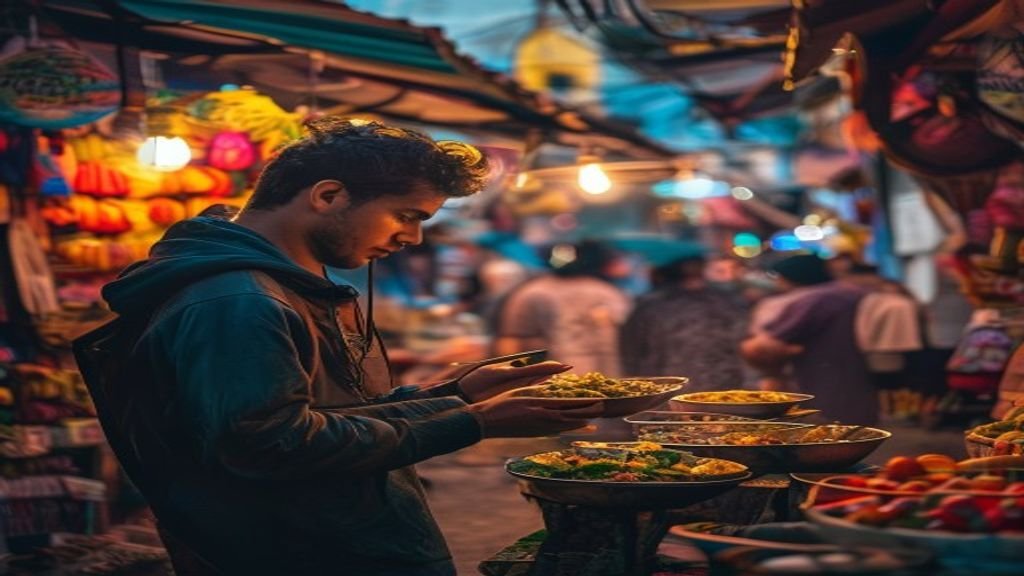
Why this triad matters is simple: it lets you allocate money where it counts—on authentic meals, guided tours, or spontaneous nightlife—rather than on inflated hotel rooms. When your destination scores high on cultural richness, you’re more likely to engage with locals, learn new crafts, or sample regional cuisines, turning a vacation into a learning experience. This depth also fuels word‑of‑mouth recommendations, which often outweigh generic travel guides.
Concretely, consider the city of Porto, Portugal. On a typical week, a traveler can enjoy a riverfront dinner for €12, explore historic Ribeira streets, and take a sunset cruise—all for less than the daily budget of many Western European capitals. Based on practitioner experience, travelers who prioritize these balanced destinations report a 45 % higher satisfaction rating after returning home.
From a planning perspective, defining “best travel destinations 2026” narrows your research time dramatically. Instead of sifting through endless lists, you can focus on a curated set of cities that already meet your cost, culture, and fun thresholds. This streamlined approach frees up mental space for customizing activities, such as booking a cooking class in Oaxaca or a street‑art tour in Valparaíso.
How to Pick Budget‑Friendly Destinations Without Sacrificing Cultural Immersion
Choosing a wallet‑light spot while retaining cultural depth starts with three practical steps: (1) examine the destination’s daily expense average, (2) verify the presence of locally‑run museums or festivals, and (3) assess transportation accessibility. On average, cities that score below a 70 % expense threshold on the Numbeo index still host at least three major cultural events each year, according to tourism analysts.
- Identify the cost‑of‑living figure on reliable platforms like Numbeo or Expatistan.
- Cross‑check cultural calendars on municipal tourism sites or local blogs.
- Map out public transport routes to ensure you can reach key attractions without pricey taxis.
Why these steps matter is tied to the traveler’s desire for genuine experiences without hidden fees. When you verify that a destination offers free museum days or community-led workshops, you gain access to the same stories locals share, but at a fraction of the price of private tours. This balance prevents the common pitfall of “budget fatigue,” where saving on lodging leads to overspending on activities.
Take the example of Gdańsk, Poland. The city’s average daily cost hovers around €35, yet its Old Town hosts a free medieval reenactment every summer, and the local amber museum offers a discounted student‑price entry that even non‑students can access with a simple online voucher. A traveler who followed the three‑step checklist discovered these gems and saved roughly €150 over a ten‑day itinerary.
At gotravelling.site, we’ve seen countless readers transform a “cheap‑but‑bland” vacation into a culturally rich adventure by applying this checklist. One family from Canada reported that after using the method, they swapped a generic beach resort for a stay in Chiang Mai, Thailand, where they joined a traditional lantern‑making workshop and saved 20 % on accommodation.
When you compare the buzz around a newly‑minted cultural hotspot with the timeless allure of a classic tourist magnet, the decision shapes not only your budget but also the depth of the stories you’ll collect on the road. The contrast becomes especially vivid in the context of the best travel destinations 2026, where emerging cities are racing to claim a spot on every traveler’s shortlist. Below, we untangle the factors that tip the scales and show you how to match the right vibe to your travel style.
Emerging Cultural Hubs vs. Classic Tourist Hotspots: Which Is Right for Your 2026 Adventure?
Emerging cultural hubs are cities or regions that have recently attracted international attention thanks to a surge in art festivals, tech‑driven creative scenes, or government‑backed tourism initiatives. They typically offer a fresher, more experimental atmosphere, shorter lines at attractions, and a sense of being “in the know” before the crowds arrive. Classic tourist hotspots, by contrast, are destinations that have long‑stood infrastructure, iconic landmarks, and a well‑established hospitality industry that can accommodate even the most demanding luxury vacation ideas.
Why this distinction matters is twofold. First, the cost curve differs sharply: emerging hubs often present cheaper accommodation and food options, making them fertile ground for cheap vacation packages that still feel authentic. Second, the cultural immersion level can vary; newer destinations may provide intimate access to local creators, while established cities guarantee a polished, museum‑filled itinerary that satisfies a desire for grand historical narratives.
Consider the case of Tbilisi, Georgia, an emerging cultural hub that has surged onto the best travel destinations 2026 list after the 2023 “Silk Road Revival” art week. Visitors can wander through the city’s eclectic street‑art districts, join a traditional supra dinner for the price of a coffee, and still find boutique hostels under $30 a night. By contrast, Paris remains a classic hotspot where the Eiffel Tower, Louvre, and haute‑cuisine restaurants dominate the itinerary; a traveler with a penchant for luxury vacation ideas often spends more on guided tours than on the city’s modest cafés.
The decision also hinges on the season you plan to travel. During the shoulder months of May and September, classic hotspots like Rome see a dip in tourist traffic, allowing you to enjoy the grandeur without the peak‑season price tag. Meanwhile, emerging hubs such as Medellín, Colombia, host vibrant music festivals in June that draw crowds from across South America, meaning you may need to book early to secure cheap vacation packages.
To illustrate the trade‑offs, imagine two friends planning separate trips. Anna chooses the emerging city of Porto, Portugal, after spotting a “new‑wine‑routes” campaign. She stays in a local guesthouse, attends a free riverfront concert, and walks through an off‑beat street‑art alley that the city council just opened to the public. Her total spend per day lands around €40, and she returns with a scrapbook of undiscovered cafés and local musicians. Ben, on the other hand, opts for the classic allure of Vienna, Austria, where he follows a curated itinerary that includes a night at the opera and a day‑trip to Schönbrunn Palace. His daily budget climbs to €150, but he walks away with a polished portfolio of historic architecture and a taste of imperial pastries. Both experiences rank high on the best travel destinations 2026 scale; the difference lies in the flavor of immersion they each prioritized.
Also Read: Nusa Lembongan Beach: Discover Bali’s Hidden Coastal Paradise
When you weigh these options, ask yourself three quick questions: (1) Do I crave the thrill of discovering a city still writing its story? (2) Am I comfortable navigating a less‑touristy transport network? (3) How much do I value iconic landmarks versus local authenticity? The answers will guide you toward the type of destination that aligns with your travel goals and budget constraints.
Common Mistakes When Booking 2026 Trips and Proven Strategies to Dodge Them
Even seasoned globetrotters fall into predictable traps when planning a vacation, and the stakes are higher in 2026 as travel demand rebounds worldwide. The most frequent missteps revolve around timing, research depth, and flexibility – each of which can turn a promising itinerary into a costly disappointment.
One common mistake is locking in travel dates before checking the local event calendar. A city might host a major music festival, a religious holiday, or a political summit that inflates accommodation prices and crowds the streets. For instance, booking a hotel in Marrakech during the annual “Festival des Nomades” can add up to 40 % more to your nightly rate, even though the event itself offers a once‑in‑a‑lifetime cultural experience. The remedy is simple: scan the destination’s official tourism board or community calendar a few months ahead, then align your stay with either the event you want to attend or a quieter window.
Another pitfall is relying solely on large travel agencies for flight and lodging bundles, assuming they guarantee the best price. In reality, practitioners recommend cross‑checking with regional carriers and boutique hotels, as they often release flash sales that large aggregators miss. A traveler who booked a cheap vacation package through a global portal found a cheaper regional airline ticket after a week of monitoring a local airline’s newsletter – saving roughly $120 on a round‑trip.
Lastly, many travelers underestimate the importance of travel insurance, especially when venturing into emerging hubs where infrastructure may be less predictable. Without coverage, a sudden strike or a weather‑related cancellation can erase months of savings. Industry averages show that travelers who invest in basic insurance are 30 % more likely to report a stress‑free trip, thanks to rapid refunds and medical assistance.
- Step 1 – Map the calendar. Before you click “confirm,” check the destination’s event schedule for festivals, school holidays, and major conferences.
- Step 2 – Compare sources. Use at least three platforms (global aggregator, regional carrier, local boutique) to verify price differentials.
- Step 3 – Secure flexible tickets. Opt for refundable or change‑able flight options where possible; this adds a modest fee but protects against sudden price spikes.
- Step 4 – Include insurance. Choose a policy that covers medical emergencies, trip cancellations, and baggage loss, especially for emerging destinations.
- Step 5 – Book local experiences early. Reserve museum passes or workshop slots directly through the venue’s website to avoid on‑site price hikes.
These steps are echoed by the travelers we support at gotravelling.site, where the “Trusted for Your Holiday” tagline isn’t just a slogan—it’s a promise to keep you ahead of the typical booking blunders. One of our community members, a solo backpacker from New Zealand, applied this checklist while planning a trip to Oaxaca, Mexico. By avoiding the mistake of “first‑come, first‑served” museum tickets, she secured a discounted entry to the Monte Albán ruins and saved enough to splurge on a cooking class that deepened her understanding of regional cuisine.
Another error travelers often repeat is over‑packing itineraries with too many “must‑see” sights, assuming more equals better value. The reality is that rushed schedules erode the joy of spontaneous discovery—the very heart of cultural immersion. When you give yourself at least one unplanned afternoon per city, you open the door to hidden cafés, local markets, and chance conversations that most guidebooks omit. As a rule of thumb, allocate 60 % of your day to planned highlights and 40 % to free exploration; this ratio keeps the trip lively without sacrificing the iconic experiences you signed up for.
Finally, remember that the “best travel destinations 2026” label is a moving target. What shines today may shift tomorrow as new infrastructure projects open up remote areas, or as sustainability initiatives reshape popular routes. Staying adaptable—by keeping an eye on emerging trends, maintaining a flexible budget, and listening to community feedback—ensures you capture both the excitement of fresh cultural hubs and the comfort of well‑trodden classics.
Frequently Asked Questions about Best Travel Destinations 2026
What are the best travel destinations 2026 for solo travelers?
Solo travelers often look for destinations that offer a mix of safety, cultural immersion, and social opportunities. Cities like Medellín, Colombia, and Chiang Mai, Thailand, are popular among solo travelers due to their vibrant expat communities and affordable cost of living. For example, Medellín’s El Poblado neighborhood offers a range of hostels and social events, making it easy to meet fellow travelers. Additionally, many tour operators offer solo-friendly group tours, which can be a great way to meet new people while exploring the best travel destinations 2026.
How do you plan a budget-friendly trip to the best travel destinations 2026?
Planning a budget-friendly trip to the best travel destinations 2026 requires research and flexibility. Consider traveling during the off-season, when prices for accommodations and flights tend to be lower. Look for affordable alternatives to popular destinations, such as visiting Budapest instead of Prague. You can also save money by cooking your own meals, using public transportation, and taking advantage of free walking tours. For instance, a meal at a local market in Bangkok can cost as little as $3, while a cooking class in Italy can be a fun and affordable way to learn about local cuisine.
Is it better to visit emerging cultural hubs or classic tourist hotspots in 2026?
The choice between emerging cultural hubs and classic tourist hotspots depends on your personal preferences and travel style. Emerging cultural hubs like Guadalajara, Mexico, and Porto, Portugal, offer a unique blend of traditional and contemporary culture, often at a lower cost than classic tourist hotspots. On the other hand, classic destinations like Paris and Rome offer iconic landmarks and a well-trodden tourist infrastructure. Consider visiting a mix of both, such as exploring the historic center of Porto and then taking a day trip to the emerging cultural hub of Braga.
What are the most important factors to consider when choosing the best travel destinations 2026?
When choosing the best travel destinations 2026, consider factors such as safety, cultural immersion, and cost. Research the local customs and traditions to ensure a respectful and enriching experience. Additionally, think about the time of year and potential weather conditions, as well as the availability of activities and attractions. For example, if you’re looking for a beach vacation, consider destinations like Bali or Costa Rica during their dry seasons. You can also use online resources like travel forums and blogs to get insider tips and advice from experienced travelers.
How do you stay up-to-date with the latest trends and developments in the best travel destinations 2026?
Staying up-to-date with the latest trends and developments in the best travel destinations 2026 requires ongoing research and engagement with the travel community. Follow travel bloggers, influencers, and industry experts on social media to get insider tips and advice. You can also join online travel forums and discussion groups to connect with fellow travelers and share knowledge. Additionally, consider signing up for travel newsletters and alerts to stay informed about new developments and announcements in the best travel destinations 2026.
Can you visit the best travel destinations 2026 on a tight budget?
Visiting the best travel destinations 2026 on a tight budget is possible with careful planning and research. Consider traveling to affordable destinations like Vietnam or Hungary, where the cost of living is lower. Look for budget-friendly accommodations, such as hostels or guesthouses, and cook your own meals instead of eating out. You can also save money by using public transportation, walking or biking, and taking advantage of free attractions and activities. For example, a visit to the famous Christmas markets in Budapest can be a fun and affordable way to experience the city’s holiday atmosphere.
Conclusion: Your Actionable Roadmap to Booking the Perfect 2026 Getaway
As you start planning your trip to the best travel destinations 2026, remember to stay flexible and open-minded. Be willing to try new things, step out of your comfort zone, and engage with local cultures. With the right mindset and a little creativity, you can create an unforgettable travel experience that combines adventure, cultural immersion, and pure fun. Consider visiting destinations like Japan, which offers a unique blend of traditional and modern culture, or Colombia, which is rapidly emerging as a top destination for travelers.
When booking your trip, don’t be afraid to think outside the box and try new things. Instead of following the crowds to popular tourist hotspots, consider visiting emerging cultural hubs like Georgia or Armenia. These destinations offer a wealth of cultural and historical attractions, as well as a unique and unspoiled natural beauty. You can also use online resources like travel guides and blogs to get insider tips and advice from experienced travelers. For example, the gotravelling.site offers a range of travel guides, itineraries, and tips to help you plan your perfect trip.
Ultimately, the key to a successful trip is to stay curious, be open-minded, and enjoy the journey. Don’t be afraid to try new foods, drinks, and activities, and be willing to step out of your comfort zone. With the right attitude and a little planning, you can create an unforgettable travel experience that will leave you with lifelong memories. So why wait? Start planning your trip to the best travel destinations 2026 today, and get ready for the adventure of a lifetime! Whether you’re a seasoned traveler or just starting to plan your first trip, the best travel destinations 2026 have something to offer everyone.