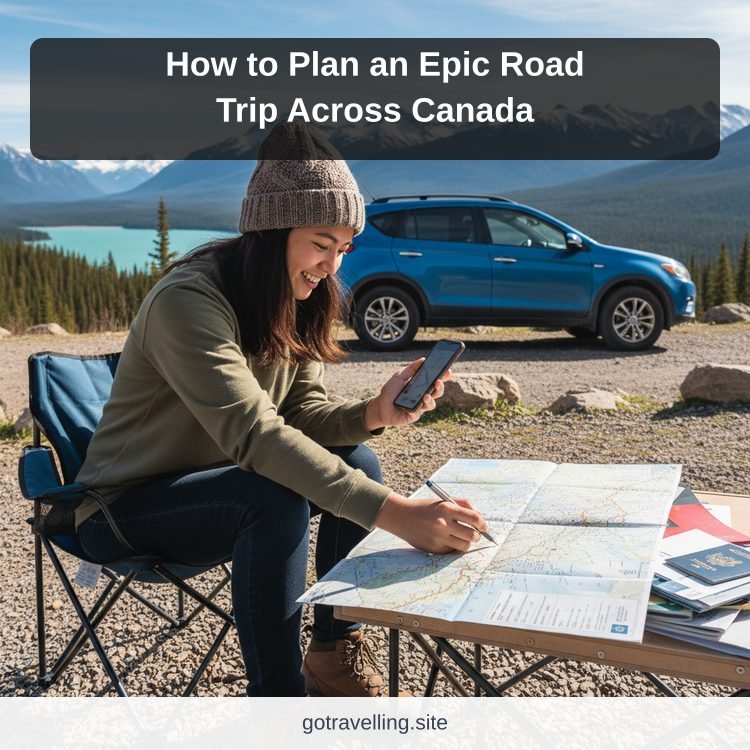
Dreaming of endless highways, majestic mountains, and vibrant cityscapes? A road trip across Canada is more than just a journey; it’s an unforgettable adventure, a chance to immerse yourself in diverse cultures, breathtaking landscapes, and create memories that will last a lifetime. Many travelers face the daunting task of planning such an epic undertaking: where to start, what to see, and how to manage the logistics of such a vast country. The sheer scale of Canada can be overwhelming, making it difficult to envision a cohesive itinerary that balances exploration with practicality. From securing the best deals to ensuring a smooth experience, the planning phase is crucial. This comprehensive guide will walk you through every step of preparing for your Canadian odyssey, ensuring you can buy online flight ticket if you choose to fly into a starting point, find cheap flight ticket options, explore incredible flight and hotel package deals for added convenience, and ultimately enjoy the holiday of a lifetime. Get ready to transform your aspirations into a meticulously planned reality, navigating everything from route selection to budget management and accommodation.
Choosing Your Route: Coast to Coast or Thematic Exploration
The first and most exhilarating step in planning an epic Canadian road trip is deciding on your route. Canada, being the second-largest country in the world, offers an immense variety of landscapes and experiences, meaning a single trip might only scratch the surface. You could opt for the classic coast-to-coast adventure, stretching from the Atlantic provinces of Newfoundland and Labrador to the Pacific shores of British Columbia, a journey that typically takes several weeks to complete. This ambitious route would allow you to witness the dramatic cliffs of Gros Morne National Park, the cosmopolitan charm of Montreal and Toronto, the vast prairies of Saskatchewan, and the stunning Rocky Mountains. Alternatively, a thematic exploration might suit you better, focusing on specific regions or interests. For instance, a “Mountains and Lakes” trip could center on Alberta and British Columbia, exploring Banff, Jasper, and Yoho National Parks, with their iconic turquoise lakes and towering peaks. Or perhaps a “Maritime Heritage” tour, delving into the picturesque fishing villages, lighthouses, and seafood delights of Nova Scotia, Prince Edward Island, and New Brunswick. Consider the time of year, as certain roads and attractions in northern regions or mountainous areas might be inaccessible or less enjoyable during winter months. Researching iconic landmarks, hidden gems, and local festivals along potential routes will help tailor your journey to your personal preferences and time constraints. A well-planned route is the backbone of any successful road trip, laying the groundwork for all subsequent decisions.
Budgeting for Your Adventure: From Fuel to Fun
An accurate and realistic budget is paramount for any extensive road trip, especially one spanning the vast distances of Canada. The cost breakdown typically includes several major categories: fuel, accommodation, food, activities, and unexpected expenses. Fuel will likely be your largest variable cost, heavily dependent on current gas prices, your vehicle’s fuel efficiency, and the total distance you plan to cover. For example, driving from St. John’s, Newfoundland to Vancouver, British Columbia (approximately 7,000 to 8,000 km) in a moderately efficient car could easily incur fuel costs upwards of CAD 1,500-2,500, even if you manage to avoid premium prices. Accommodation options range from budget-friendly campgrounds (CAD 20-50 per night) and hostels (CAD 30-70 per night) to mid-range hotels (CAD 100-200 per night) and more luxurious resorts. Consider incorporating a mix, perhaps camping in national parks for a few nights to fully immerse yourself in nature, and then splurging on a nice hotel in a city for a comfortable respite. Food costs can be managed by a combination of cooking your own meals using a portable stove or opting for grocery store picnics, interspersed with dining out at local restaurants to sample regional cuisines. For instance, enjoying fresh lobster rolls in the Maritimes or poutine in Quebec adds to the cultural experience. Don’t forget to allocate funds for national park passes (e.g., Parks Canada Discovery Pass, around CAD 145 for a family for a year, offering unlimited access to all national parks), attraction fees, excursions like whale watching or rafting, and souvenirs. It’s always wise to set aside an emergency fund, typically 10-15% of your total budget, for unforeseen circumstances such as vehicle repairs, medical emergencies, or unexpected detours. Being proactive with your budget planning allows for a smoother, less stressful holiday.
Vehicle Selection and Maintenance: Your Rolling Companion
Your choice of vehicle is arguably the most critical decision for a successful Canadian road trip, as it will be your primary means of transport and, for many, a temporary home. Consider the number of passengers, the amount of luggage, and the type of terrain you anticipate encountering. A reliable sedan might suffice for paved highways and city excursions, but if you plan on exploring national parks with gravel roads or venturing into more remote areas, an SUV or a larger vehicle with higher ground clearance and potentially all-wheel drive could be a better option. Rental options are plentiful across Canada, from major international companies to local outfits. When you buy online flight ticket, you can often add car rental to your booking at a discount, or look for specific deals that provide a cheap flight ticket with car hire included. Before setting off, ensure your vehicle is in peak condition. This includes a thorough mechanical inspection: checking oil levels, tire pressure (including the spare!), brakes, fluid levels, and lights. It’s also wise to have a basic toolkit, jumper cables, and a first-aid kit on hand. Familiarize yourself with how to change a tire, just in case. Consider roadside assistance membership (like CAA/AAA) for peace of mind, especially when traversing remote areas where cell service might be spotty. Remember, a comfortable and well-maintained vehicle enhances the entire travel experience, helping you relax and enjoy the scenic views without the added stress of mechanical woes, making your holiday truly enjoyable.
Accommodation and Booking Strategies: From Camping to Hotel Stays
Securing suitable accommodation is a significant aspect of planning your Canadian road trip, and a varied approach can offer both flexibility and cost savings. Canada offers a spectrum of options, from rustic campgrounds to luxurious city hotels. For those seeking to immerse themselves in nature, camping in national and provincial parks is an incredibly popular and affordable choice. However, during peak season (June to September), these campsites, especially those in popular parks like Banff and Jasper, book up months in advance. It’s crucial to make reservations as soon as your itinerary is firm. Many campgrounds also offer oTENTiks or cabins, which provide a glamping experience with more comfort than a tent. When planning your multi-stop holiday, exploring flight and hotel package deals can simplify your bookings, especially for starting or ending points where you might want a more conventional stay. For city stops, look into boutique hotels, budget motels, or even Airbnb/VRBO options, which can offer more space and amenities, particularly if you are traveling with family or prefer to cook some of your own meals. It’s often beneficial to book hotel stays a few weeks or months in advance, especially in popular tourist destinations, to secure better rates and availability. Utilize booking platforms that offer free cancellation, giving you flexibility if your plans change. Don’t be afraid to mix and match – a few nights under the stars, followed by a comfortable hotel in a bustling city, then perhaps a charming B&B in a quaint town. This variety enriches the travel experience and helps manage your budget effectively. Remember, a good night’s rest is essential for enjoying the long driving days and diverse activities of your Canadian adventure.
Packing Essentials and Safety Tips: Prepared for Anything
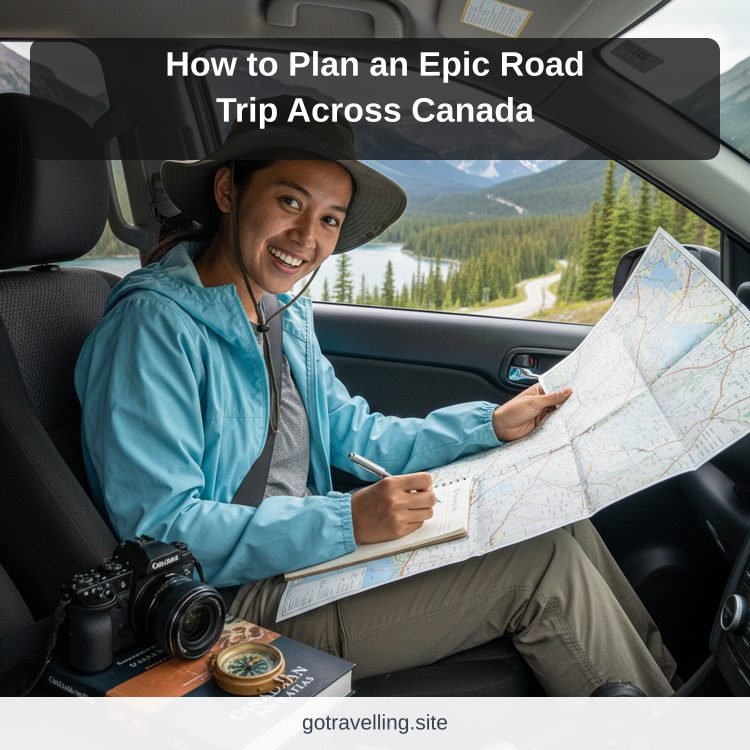
Packing wisely and prioritizing safety are non-negotiable for a rewarding Canadian road trip, given the country’s diverse climates and often vast, sparsely populated regions. When packing, think layers. Even in summer, temperatures can fluctuate dramatically, especially in mountainous areas or coastal regions. Include light clothing for warm days, warm sweaters or fleeces for cool evenings, waterproof jackets, and sturdy, comfortable walking shoes. Don’t forget essentials like sunscreen, insect repellent (especially crucial if venturing into forested areas or near lakes), a hat, and sunglasses. For electronics, pack chargers, a power bank, and consider a car inverter for charging devices on the go. Always carry physical maps or a reliable GPS device that works offline, as cell service can be intermittent or nonexistent in many remote parts of Canada. A robust first-aid kit is essential, stocked with pain relievers, antiseptic wipes, bandages, any personal medications, and possibly an epipen if anyone in your party has severe allergies. For safety, inform someone of your itinerary, especially if you plan to explore less-traveled routes. Carry plenty of water and snacks, enough for at least a day’s worth, particularly when driving through areas with limited services. Understand wildlife safety: know how to store food properly to avoid attracting animals in national parks, and what to do if you encounter large animals like bears or moose on the road or trail (never approach them!). In winter, additional precautions like winter tires, an emergency kit with blankets, a shovel, and extra warm clothing are vital. Being prepared for varying conditions and potential challenges ensures a safer and more enjoyable holiday experience.
Embracing the Journey: Local Culture and Hidden Gems
Beyond the major attractions, a truly epic Canadian road trip is defined by the unexpected discoveries and immersion in local culture. Don’t be afraid to stray from your meticulously planned route for a brief detour when you see an intriguing sign or hear a local recommendation. These often lead to the most memorable experiences. Canada is rich in Indigenous history and culture; seek out opportunities to visit First Nations cultural centers, art galleries, or even participate in guided tours led by Indigenous peoples, which offer invaluable insights into the land and its heritage. For example, in British Columbia, visit the Haida Gwaii archipelago to experience the vibrant culture of the Haida Nation. In Quebec, explore the Huron-Wendat Nation near Quebec City. Culinary exploration is another highlight; from poutine in Quebec to fresh lobster in Nova Scotia, bannock in the prairies, and Nanaimo bars in BC, each region boasts unique flavors. Stop at farmers’ markets for local produce and artisanal goods, support small businesses, and engage with the locals. They are often the best source for discovering hidden gems – a secluded hiking trail, a charming small-town festival, or a breathtaking viewpoint off the main highway. Take the time to simply enjoy the drive itself, pulling over at scenic lookouts, pausing for impromptu picnics, and appreciating the sheer scale and beauty of the Canadian landscape. The joy of a road trip lies not just in reaching the destination, but in the freedom of the open road and the myriad experiences encountered along the way. Remember, this holiday is about making memories, not just covering mileage.
Flexibility and Spontaneity: The Art of the Road Trip
While meticulous planning is essential for a large-scale Canadian road trip, cultivating an attitude of flexibility and embracing spontaneity can transform a good trip into an extraordinary one. Despite all the research and bookings, unforeseen circumstances can and will arise. Road closures due to weather or construction are common, especially in a country of Canada’s size and diverse geography. A sudden downpour might cancel your planned hike, or a car trouble could delay your arrival at a booked accommodation. Instead of viewing these as setbacks, see them as opportunities. Perhaps a delayed arrival leads you to discover a charming roadside diner you would have otherwise missed. A reroute might take you through a picturesque valley or a quaint town entirely off your original radar. Having a loose “plan B” for major activities is helpful, but more importantly, adopt a mindset that welcomes change. Don’t overschedule every single day; leave some buffer time for leisurely mornings, extended stops at places you unexpectedly fall in love with, or the chance to follow a local’s tip to a hidden waterfall. This is particularly true if you are looking to buy online flight ticket for a future leg of your journey, having some flexibility in your schedule allows you to adapt. Allowing for spontaneity fosters a sense of adventure and discovery, which is at the heart of any great road trip. It’s about letting the journey unfold organically, rather than rigidly adhering to a pre-set schedule. This balance between preparation and adaptability ensures your holiday is not only well-organized but also filled with delightful surprises and authentic moments.
Documenting Your Journey: Capturing Memories
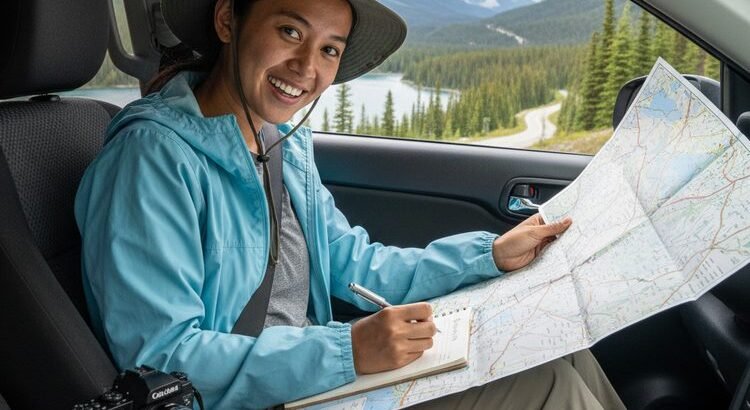
A Canadian road trip is an unparalleled opportunity for creating lasting memories, and effectively documenting your journey allows you to relive those experiences long after you’ve returned home. Beyond the ubiquitous smartphone, consider bringing a dedicated camera – whether a DSLR, mirrorless, or even a high-quality point-and-shoot – to capture the stunning landscapes, vibrant cityscapes, and unique wildlife you’ll encounter. Photography is a powerful way to tell your story, from the majestic Rocky Mountains to the tranquil shores of the Great Lakes or the rugged beauty of the Atlantic coast. Don’t just focus on grand vistas; capture the small details, too: a local dish, an interesting street art piece, the license plates from different provinces, or candid moments with your travel companions. Beyond visual records, journaling is an excellent way to capture thoughts, feelings, and details that photos might miss. Dedicate a few minutes each evening to jot down highlights of the day, funny anecdotes, challenging moments, and personal reflections. This creates a rich narrative of your adventure. Consider collecting souvenirs – not just trinkets, but perhaps unique postcards from each province, local artisan crafts, or even flattened pennies from popular landmarks. Creating a travel blog or regularly sharing photos and stories on social media can also be a wonderful way to connect with friends and family, sharing your experiences in real-time. Finally, upon your return, compile your photos and journal entries into a photo album, a scrapbook, or a digital presentation. This tangible record will serve as a cherished reminder of your incredible holiday across Canada, inspiring future travels and ensuring those memories remain vivid for years to come.
Kesimpulan
Embarking on a road trip across Canada is an ambitious undertaking, but with careful planning and an adventurous spirit, it promises to be one of the most rewarding holidays of your life. From meticulously choosing your route, be it a coast-to-coast epic or a thematic exploration of a specific region, to diligently budgeting for all aspects of your journey, every step contributes to a seamless experience. Ensuring your vehicle is road-ready, securing accommodation well in advance, packing strategically for diverse climates, and prioritizing safety are all crucial components. Remember the freedom that comes with knowing you can buy online flight ticket for a potential next leg or secure a cheap flight ticket to a starting point, giving you flexibility. Embrace the opportunity to discover local cultures, hidden gems, and allow for spontaneity to enrich your travels. Don’t forget to document every breathtaking vista, every memorable meal, and every shared laugh. By following these guidelines, you’ll transform the complexities of planning into an exciting roadmap for adventure. So, start dreaming, start planning, and prepare to hit the open road for an unforgettable Canadian holiday that will leave you with a lifetime of incredible stories and memories.