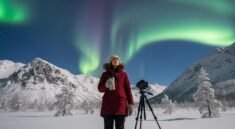
Planning an epic journey to the land of the long white cloud? New Zealand, a country renowned for its breathtaking landscapes and adrenaline-pumping activities, is a dream destination for any adventure seeker. But when exactly is the perfect time to pack your bags and embark on this thrilling holiday? The multitude of options, from bungee jumping in Queenstown to hiking the Milford Track, can make choosing the right season a daunting task. Many tourists grapple with the dilemma of balancing ideal weather conditions with avoiding peak crowds and securing the best deals, especially when they need to buy online flight ticket. This comprehensive guide aims to cut through the confusion, providing you with all the essential information to pinpoint the optimal period for your New Zealand adventure, considering everything from specific activities to budget-friendly options like a cheap flight ticket and flight and hotel package for an unforgettable travel experience.
Spring (September – November): The Awakening Adventure
Spring in New Zealand, spanning from September to November, presents itself as an exhilarating period for adventure seekers. As the country sheds its winter coat, the vibrant landscapes burst into life, offering a unique blend of thawing snow caps and blossoming flora. This transitional season provides a fantastic opportunity for those looking to experience a wide array of activities without the intense summer crowds. Imagine hiking through lush, emerald valleys where waterfalls are at their most powerful, fed by melting snow, or kayaking down crystal-clear rivers surrounded by burgeoning native bush. The weather, while variable, generally offers milder temperatures compared to winter, making outdoor pursuits much more comfortable. For instance, the renowned Hooker Valley Track in Aoraki/Mount Cook National Park becomes particularly stunning, with icebergs still floating on the glacial lakes and vibrant lupins beginning to bloom along the paths. This is also an excellent time for white-water rafting, as meltwater ensures thrilling rapids. Moreover, if you’re keen to buy online flight ticket for a more relaxed itinerary, late spring can offer slightly better rates before the peak summer season truly kicks in. The combination of dynamic scenery, fewer tourists, and pleasant weather makes spring an ideal time for a diverse and exciting adventure holiday in New Zealand.
Summer (December – February): Peak Thrills and Long Days
Summer in New Zealand, from December to February, is undoubtedly the most popular period for visitors, and for good reason. With long daylight hours and consistently warm, sunny weather, it’s the quintessential time for maximising outdoor adventure. This season is perfect for activities that thrive under blue skies and comfortable temperatures. Think multi-day hikes like the Milford Track or the Routeburn Track, where the trails are fully accessible and the views are unparalleled. Watersports truly come alive, from surfing on the beaches of Raglan to kayaking in the Abel Tasman National Park. The warmer ocean temperatures also make swimming and snorkelling a delight. Bungee jumping, skydiving, and canyoning in adventure hubs like Queenstown are at their peak, with operators running frequent trips throughout the day. While the sheer beauty and accessibility are undeniable, it’s crucial to acknowledge that this is New Zealand’s high season. Popular attractions, accommodations, and guided tours can get booked up months in advance, and prices, especially for a flight and hotel package, tend to be higher. Therefore, if you’re planning a summer Fholiday, it’s imperative to buy online flight ticket and secure all your bookings well ahead of time to avoid disappointment. Despite the crowds, the energy and vibrance of New Zealand during summer offer an unforgettable experience for those seeking the ultimate adventure without compromise on weather.
Autumn (March – May): Golden Hues and Serene Expeditions
Autumn in New Zealand, extending from March to May, offers a truly magical experience for adventure seekers who appreciate stunning landscapes and a calmer pace. As the vibrant greens of summer begin to transition into a breathtaking palette of golds, oranges, and reds, the country transforms into an artist’s dream. This period is often considered one of the best for hiking and trekking, as the temperatures are still mild and pleasant, but the intensity of the summer sun has waned. The infamous ‘midge season’ also starts to subside, making outdoor activities more enjoyable. Imagine traversing the stunning trails of the South Island, particularly around Central Otago and Canterbury, where the deciduous trees provide a spectacular backdrop to your adventures. Kayaking or paddleboarding on serene lakes and rivers, reflecting the fiery autumn foliage, offers an unparalleled sense of tranquility. For instance, the area around Lake Wanaka and Arrowtown becomes a photographic paradise, perfect for leisurely cycle tours or invigorating walks. Furthermore, as the peak tourist season winds down, you’ll find fewer crowds at popular attractions, leading to a more intimate and authentic experience. This often translates to better availability for accommodations and potentially more attractive deals when you buy online flight ticket for your journey. Autumn provides an ideal balance of comfortable weather, fewer tourists, and spectacular scenery, making it a prime time for a memorable adventure holiday.
Winter (June – August): Snow-Capped Thrills and Cozy Escapes
For a particular brand of adventure seeker, winter in New Zealand, from June to August, is an absolute paradise. This season transforms parts of the country into a winter wonderland, offering unparalleled opportunities for snow sports and related activities. The Southern Alps, especially regions around Queenstown and Wanaka, become world-class ski domains, attracting enthusiasts from all corners of the globe. Imagine hitting the slopes of Coronet Peak, The Remarkables, or Cardrona, carving through fresh powder with panoramic mountain views. Heli-skiing, snowmobiling, and snowboarding are also incredibly popular, providing adrenaline rushes that are unique to this time of year. But winter adventure isn’t limited to just skiing. Many multi-day hiking trails transition into challenging snowshoeing or guided mountaineering expeditions for experienced trekkers. Hot pools, such as those in Hanmer Springs or the famous Onsen Hot Pools in Queenstown, become incredibly inviting after a day of cold-weather activities, offering a perfect blend of relaxation and rejuvenation. While some extreme activities like bungee jumping and skydiving continue year-round (weather permitting), the focus definitely shifts to the snowy landscapes. It’s important to note that while cities like Auckland and Wellington experience milder winters, the South Island can be quite chilly. Therefore, planning for warm clothing and flexible itineraries is key. Despite potentially colder temperatures, the unique thrill of New Zealand’s winter sports combined with the cozy atmosphere makes it an exhilarating time for a specialized adventure holiday. Securing a cheap flight ticket during shoulder winter months might even be possible if you hunt for deals outside peak ski season.

Optimizing Your New Zealand Adventure: Tips and Considerations
Choosing the best time for your New Zealand adventure isn’t just about the weather; it also involves several practical considerations to ensure a smooth and budget-friendly trip. Firstly, think about your primary adventure goals. If heli-skiing is your dream, winter is non-negotiable. If you envision long, sunny hikes, summer is your pick. For a balanced experience with fewer crowds and still great weather, spring or autumn are excellent choices. Secondly, budgeting is key. Summer (December-February) is the most expensive period for flights, accommodation, and rental cars, due to high demand. If you’re looking for a cheap flight ticket or a more economical flight and hotel package, consider travelling during the shoulder seasons (spring and autumn). You’ll often find better deals and less competition for popular tours and activities. Case in point: a couple planning a trekking and kayaking holiday in the Abel Tasman National Park decided to go in late October instead of January. They managed to save nearly 20% on their overall trip costs, found accommodation much easier, and still enjoyed fantastic weather with fewer people on the trails and water. Thirdly, booking in advance is crucial, especially for popular activities and accommodations in tourist hotspots like Queenstown and Rotorua, regardless of the season. To buy online flight ticket well in advance can often save you a significant amount. For example, booking your Interislander ferry crossing between the North and South Islands several months ahead can mean securing a cheaper spot, particularly if you’re travelling with a vehicle. Always factor in potential weather variations, even within a season, especially in mountainous regions – New Zealand weather can be famously unpredictable, so packing layers and having backup plans is always a smart move for your adventure holiday.
Beyond the Seasons: Event Calendars and Regional Variations
While understanding the seasonal nuances is crucial, a truly optimized New Zealand adventure also factors in local events and significant regional variations. The country hosts a vibrant calendar of festivals and sporting events throughout the year, which can either enhance your adventure or contribute to increased crowds and prices. For instance, if you’re a mountain biking enthusiast, coinciding your visit with the Crankworx Rotorua event in March (autumn) could be an incredible experience, but it will also mean higher demand for local amenities. Similarly, major sporting events like rugby tests can significantly impact accommodation availability and costs in host cities. It’s always savvy to check local tourism websites for event calendars that align with your travel dates. Furthermore, New Zealand’s elongated geography means there are distinct climatic variations between the North and South Islands. The North Island generally experiences milder temperatures year-round, with subtropical conditions in the far north. This means that activities like surfing and exploring geothermal sites are often enjoyable even in winter. The South Island, with its mountainous terrain, sees more pronounced seasonal changes, offering distinct summer hiking and winter skiing opportunities. This regional disparity allows for diverse adventure planning; for example, you could spend a crisp spring week hiking the South Island, then head north for warmer temperatures and coastal activities. Utilising resources like MetService and regional tourism websites will provide invaluable insights into specific weather patterns and local happenings. Understanding these micro-climates and event schedules will enable you to fine-tune your itinerary, potentially discovering hidden gems or avoiding unexpected surges in tourist numbers, ensuring your adventure holiday is as fulfilling as possible, whether you’re looking to buy online flight ticket for a specific event or a general exploration.
Navigating Budget and Bookings: Making Your Adventure Affordable
For many adventure seekers, even the allure of New Zealand’s stunning landscapes must be weighed against budget constraints. Securing an affordable trip often involves strategic planning, especially when it comes to flights and accommodation. If you’re on a tighter budget, aiming for the shoulder seasons – spring (September-November) and autumn (March-May) – is often your best bet. During these months, demand for travel typically dips slightly compared to the peak summer, leading to more competitive pricing on flights. Keep an eye out for deals on a cheap flight ticket by setting up price alerts on flight comparison websites far in advance of your desired travel dates. Flexibility with your travel dates, even by a few days, can sometimes yield significant savings. Tuesdays and Wednesdays often have cheaper flights. Furthermore, opting for a flight and hotel package can sometimes provide cost efficiencies, as travel agencies often secure bulk discounts. However, always compare package deals with booking flights and accommodation separately, as this isn’t always the case. Accommodation choices also play a huge role. Instead of high-end hotels, consider holiday parks (which often have cabins), hostels, or Airbnb options, particularly if you’re comfortable with self-catering to save on food costs. Many adventure activities like hiking and visiting national parks are free, which helps offset costs. For paid activities, look into multi-activity passes or group discounts. Booking rental cars well in advance, especially outside peak season, can also lead to better rates. If you can travel outside school holiday periods (both New Zealand and key international markets like Australia), you’ll often find prices more favourable. Remember, a dream adventure holiday in New Zealand doesn’t have to break the bank; smart planning and booking savvy can make it more accessible.
Health, Safety, and Sustainability for the Adventurous Traveler
Embarking on an adventure holiday in New Zealand also requires a conscious approach to health, safety, and environmental sustainability. New Zealand is known for its pristine natural environment, and as adventure seekers, it’s our collective responsibility to help preserve it. Always adhere to the “Leave No Trace” principles: pack out everything you pack in, stay on marked trails, and dispose of waste properly. Support local businesses that demonstrate eco-friendly practices. When booking tours, inquire about their sustainability efforts. From a health and safety perspective, never underestimate the power of New Zealand’s wilderness. Even on seemingly easy trails, weather can change rapidly, particularly in mountainous regions. Always check weather forecasts before heading out, inform someone of your plans (especially for solo hikes), and carry appropriate gear, including extra layers, water, and emergency supplies. For water-based activities, always wear a life jacket and follow guides’ instructions diligently. If you plan to buy online flight ticket for a more remote region, understand that medical facilities might be further away, so adequate travel insurance that covers adventurous activities is not just recommended, but essential. Be aware of local wildlife, particularly sandflies in certain areas, and take precautions against bites. Sun protection is critical year-round due to New Zealand’s high UV index. Respect local customs and Māori culture, especially when visiting sacred sites (tapu). By prioritizing your well-being and practicing responsible tourism, you ensure not only a thrilling and memorable adventure for yourself but also contribute positively to the preservation of this incredible country for future generations of adventurers. Taking these precautions into account will allow you to focus on the adrenaline and beauty of your trip.
Conclusion
New Zealand truly is an adventurer’s paradise, offering a diverse array of thrilling experiences across all four seasons. Whether you’re drawn to the vibrant flora of spring, the sun-drenched trails of summer, the golden hues of autumn, or the snow-capped thrills of winter, there’s an ideal time for your unique adventure holiday. By carefully considering your desired activities, budget constraints, and tolerance for crowds, you can pinpoint the perfect window for your visit. Remember, planning ahead to buy online flight ticket and secure your accommodations, especially if you’re looking for a cheap flight ticket or a comprehensive flight and hotel package, is paramount to a stress-free trip. Don’t let the vastness of options overwhelm you; instead, use this guide to navigate the choices and craft an unforgettable New Zealand journey. So, start dreaming, start planning, and prepare to immerse yourself in the awe-inspiring landscapes and heart-pounding adventures that await you in Aotearoa. Your epic New Zealand adventure is calling – answer it!