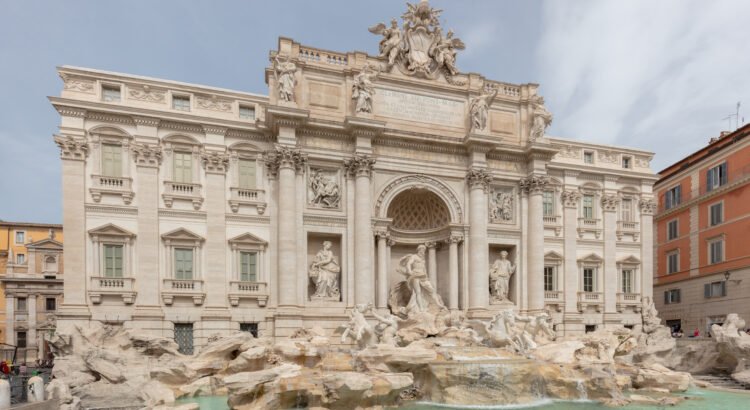
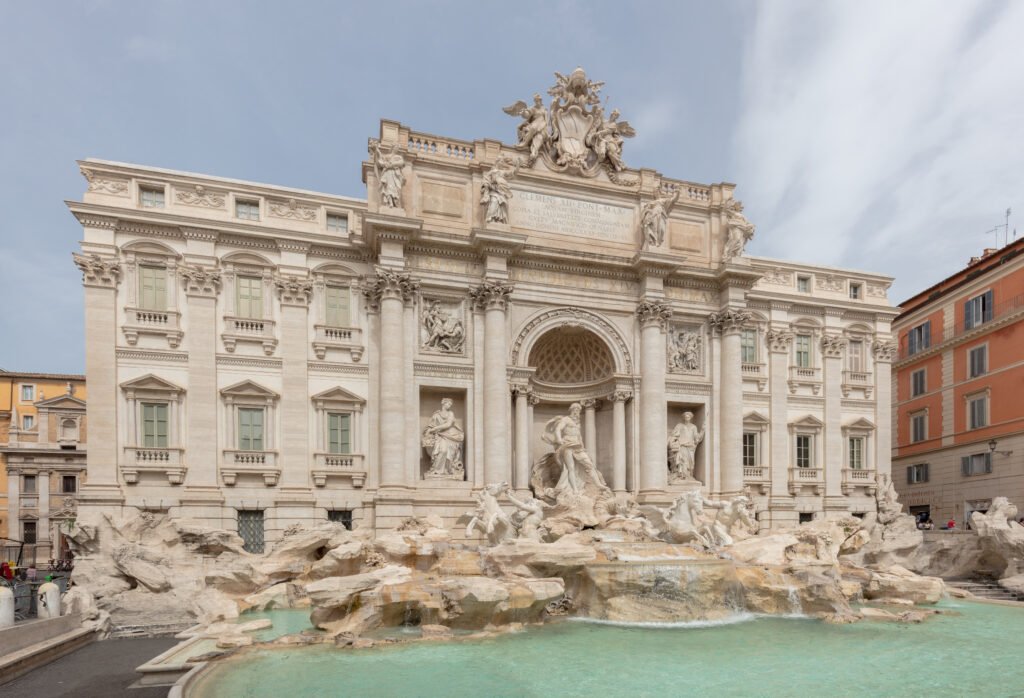
Trevi Fountain, located in the heart of Rome, Italy, is one of the city’s most renowned and visited landmarks. Drawing tourists from all over the globe, this magnificent fountain is admired not only for its artistic grandeur but also for its rich historical significance. Its strategic location in central Rome makes it easily accessible and a must-visit for anyone exploring the Eternal City. Beyond its visual appeal, Trevi Fountain is surrounded by fascinating myths and legends that have captured the imagination of visitors for centuries.
For travelers planning a trip to Rome, the fountain offers more than just a photo opportunity—it provides an experience steeped in culture, art, and tradition. This article explores the history, architecture, cultural significance, and activities you can enjoy at Trevi Fountain, along with practical tips for making the most of your visit.
The History of Trevi Fountain
Origins and Construction
Trevi Fountain was originally commissioned in 1732, designed by the esteemed architect Nicola Salvi. Although Salvi passed away before the project was completed, the work was later taken over by Giuseppe Pannini in 1762. The fountain that stands today rises to a height of 26.3 meters and stretches 29.15 meters wide, showcasing an extraordinary Baroque design that has made it an enduring symbol of Rome.
The fountain is not just a product of the 18th century. Its origins trace back to ancient Roman times, around 19 BC, when a young Roman woman is said to have guided thirsty soldiers to a pure water source located approximately 13 kilometers from the city center. This source was named Aqua Virgo, or “Virgin Water,” in her honor. Over the centuries, this source inspired the construction of Trevi Fountain, which now combines historical significance with artistic brilliance.
The Myths and Legends
Trevi Fountain is surrounded by fascinating myths, the most famous of which involves throwing coins into its waters. According to tradition, tossing a coin over your left shoulder with your right hand guarantees a return visit to Rome. Throwing two coins with the left hand is said to lead to finding true love, while throwing three coins promises marriage. The fountain collects hundreds of thousands of coins each week, reflecting the enduring allure of these legends.
Architectural Marvel of Trevi Fountain
Design and Artistic Features
Trevi Fountain is a masterpiece of Baroque architecture, adorned with intricate sculptures and motifs. Its centerpiece is the figure of Oceanus, the god of water, standing tall in his chariot drawn by sea horses, symbolizing the dynamic force of the sea. Surrounding him are statues representing abundance, health, and fertility, while the cascading waters flow into a large basin below, creating a serene yet dramatic effect.
The surrounding Palazzo Poli enhances the fountain’s grandeur, forming a majestic backdrop that seamlessly integrates the fountain with the city’s architectural fabric. Visitors can marvel at the detailed craftsmanship, from the carved statues to the decorative reliefs that tell stories of Roman history and mythology.
Visiting Trevi Fountain
Location and Accessibility
Trevi Fountain is located in Piazza di Trevi, 00187 Rome, Italy, making it highly accessible from anywhere in central Rome. The fountain is open to the public 24 hours a day, allowing visitors to experience its beauty both during daylight and illuminated at night. Its central location also places it within walking distance of several historic landmarks, including Palazzo Poli, which can be visited in conjunction with the fountain.
Recommended Activities
- Tossing Coins into the Fountain
Participating in the coin-throwing ritual is a unique experience for every visitor. Whether you follow the legend to ensure a return to Rome, to meet a soulmate, or to secure marriage, tossing a coin into the fountain is both fun and symbolic. - Photography Opportunities
Trevi Fountain is highly photogenic, particularly during the evening when the lighting accentuates its sculptural details. Visitors often capture the fountain from multiple angles, including close-ups of the statues and wide shots encompassing the entire piazza. - Exploring Piazza di Trevi
The surrounding piazza is filled with historic architecture, charming cafes, and artisan shops. Strolling around the area allows visitors to enjoy coffee, gelato, and even sample Italian cuisine at nearby restaurants, offering an immersive experience of Roman daily life. - Visiting Nearby Attractions
Within a short walk from Trevi Fountain, travelers can explore Santa Maria in Via Lata, a historic church known for its unique Roman architecture and centuries-old design. Additionally, Galleria Alberto Sordi provides an opportunity for shopping and purchasing souvenirs, enhancing the overall experience.
Tips for an Enjoyable Visit
- Arrive Early or Late: To avoid crowds and enjoy the fountain in a more relaxed setting, consider visiting in the early morning or late evening.
- Respect the Traditions: Dress modestly and be mindful of local customs, particularly when exploring nearby churches.
- Capture the Best Photos: Use the evening light to capture the fountain’s intricate details and flowing water, creating stunning photographs.
- Combine with Nearby Attractions: Take advantage of the fountain’s central location to explore additional historic sites, restaurants, and shops nearby, making the most of your day in Rome.
Conclusion
Trevi Fountain is far more than a decorative monument; it is a living testament to Rome’s rich history, artistic heritage, and enduring cultural myths. Its Baroque architecture, captivating sculptures, and legendary coin-throwing rituals make it a highlight for any visitor to the Eternal City.
Whether admiring the intricate carvings, tossing a coin to secure good fortune, or simply soaking in the lively atmosphere of Piazza di Trevi, a visit to Trevi Fountain promises a memorable and enchanting experience. For anyone traveling to Rome, the fountain is an essential stop, offering a blend of history, art, and legend that continues to inspire awe and fascination across generations.