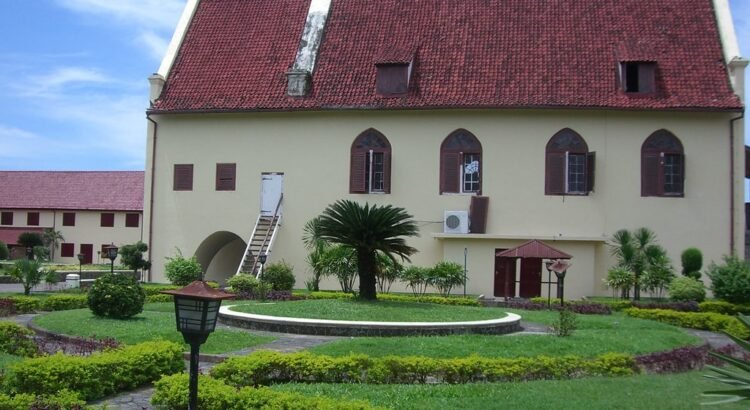
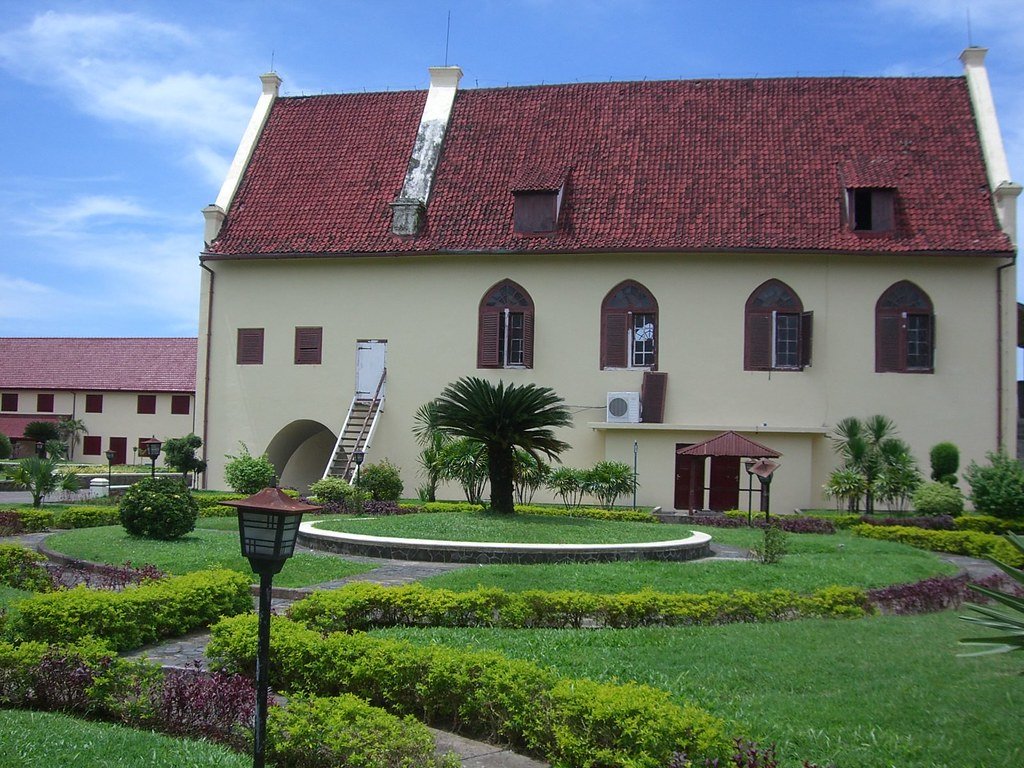
Makassar, one of the most prominent cities in South Sulawesi, holds a wealth of historical treasures that continue to attract visitors from around the world. Among these, Fort Rotterdam stands out as a monumental structure that represents the legacy of past kingdoms, colonial powers, and the resilience of local culture. Located close to Losari Beach, this fortress is not only an architectural landmark but also a silent witness to centuries of political struggles, cultural exchanges, and economic activities.
Walking through its stone walls, visitors are immediately transported to a different era—one filled with stories of kingdoms, colonial rule, and resistance. The fortress embodies both pride and pain, serving as a reminder of battles fought, treaties signed, and traditions preserved. Today, Fort Rotterdam has been transformed into a living museum and a hub of cultural activities, offering a meaningful journey for anyone who sets foot inside.
The Origins of Fort Rotterdam
From Clay to Stone
Initially known as Benteng Ujung Pandang, the fortress was built in 1545 during the reign of the 10th King of Gowa, I-Manrigau Daeng Bonto Karaeng Lakiung, also known by his title Karaeng Tunipalangga Ulaweng. At first, the construction used clay as its main material, but in 1634 Sultan Alauddin of Gowa ordered a reconstruction with solid coral stone taken from the Karst Mountains in Maros. This upgrade not only strengthened the structure but also marked its transformation into a formidable coastal defense.
A Symbol of Conflict and Betrayal
Between 1655 and 1669, the fortress faced severe attacks from the Dutch East India Company (VOC) under the command of Cornelis J. Speelman. Following the defeat of Sultan Hasanuddin and the signing of the Bongaya Treaty, the fortress was handed over to the Dutch. From that moment, it was renamed Fort Rotterdam, reflecting Speelman’s hometown in the Netherlands. For the Makassarese people, the fortress became a painful symbol of both resistance and betrayal.
Architectural Grandeur and Strategic Design
European Influence with Local Nuances
The reconstructed Fort Rotterdam showcased distinct European military architecture. Its thick stone walls, bastions, and observation towers revealed Dutch expertise in designing coastal defenses. Interestingly, despite its colonial style, elements of local architecture and traditions were subtly integrated into its layout. When viewed from above, the fortress resembles the shape of a turtle crawling toward the sea—hence its nickname, “the Turtle Fort.”
More than a Military Stronghold
Beyond serving as a defense base, Fort Rotterdam functioned as the administrative and economic center of Dutch power in Sulawesi. The port adjacent to the fortress became a bustling hub where commodities from across the archipelago and even other countries were traded. It was a space where power, economy, and culture intersected, shaping the dynamics of Makassar for centuries.
Historical Roles Across Different Eras
Under Dutch Control
During the Dutch colonial period, Fort Rotterdam was more than just a military headquarters. It became a command post, a settlement complex for Dutch officials, and even a governor’s residence. One of the most significant chapters of its history occurred when Prince Diponegoro, a national hero from Java, was imprisoned in one of its cells from 1833 until his death in 1855. This adds a profound layer of national memory to the fortress.
During Japanese Occupation
In 1942, when the Japanese occupied Indonesia, Fort Rotterdam was repurposed yet again—this time as a prisoner-of-war camp and a center for linguistic and scientific research. The dark corridors that once echoed with colonial commands now carried the struggles of prisoners of war, adding to the fortress’s layers of historical narratives.
Post-Independence and Restoration
After Indonesia’s independence struggle, Fort Rotterdam went through periods of neglect until it was extensively restored in the 1970s. The government of South Sulawesi revitalized it as a cultural and educational hub. Today, it houses the La Galigo Museum, which exhibits artifacts, manuscripts, traditional costumes, and other objects reflecting the rich heritage of South Sulawesi.
Exploring Fort Rotterdam Today
A Living Museum
Visitors entering Fort Rotterdam will find themselves immersed in history. The La Galigo Museum inside its grounds offers a curated journey through the cultural and political evolution of Sulawesi. Each artifact tells a story, from weapons used in local wars to manuscripts detailing traditions and rituals. The museum allows guests to imagine how life once unfolded under the shadow of its stone walls.
Atmosphere and Activities
Despite its solemn history, Fort Rotterdam also provides opportunities for enjoyment and reflection. Its spacious courtyards often host cultural performances, art exhibitions, and community events. Tourists can walk through hidden corridors, climb bastions for panoramic views of the city, or simply sit under shady trees while appreciating the calm yet mysterious aura of the place.
Accessibility and Visitor Experience
Located on Jalan Ujung Pandang, the fortress is easy to reach from central Makassar. With opening hours from 8 a.m. to 6 p.m. and an affordable entrance fee, it offers an accessible experience for both local and international travelers. For many, the highlight is exploring the very cell where Prince Diponegoro spent his final years, making the visit deeply emotional as well as educational.
Why Fort Rotterdam Remains Significant
A Symbol of Identity
For the people of Makassar, Fort Rotterdam is more than a historical monument; it is a symbol of identity. It embodies the struggles of their ancestors, the resilience of their culture, and the complexity of their past. The fortress teaches that history is not only about victories but also about lessons from defeats, alliances, and resilience.
Bridging Past and Present
Today, Fort Rotterdam bridges the past with the present. While once a site of conflict, it has now become a place of learning, cultural exchange, and tourism. Its existence serves as a reminder that places of suffering can also evolve into spaces of unity and appreciation for heritage.
Conclusion
Fort Rotterdam is not merely a fortress made of stone; it is a living testament to centuries of history, power, and cultural resilience. From its beginnings under the Kingdom of Gowa, its transformation under Dutch rule, its use during the Japanese occupation, to its modern role as a museum and cultural center, every corner of the fortress whispers stories of struggle and survival.
A visit here is more than just sightseeing—it is an encounter with history itself. By stepping inside its walls, visitors pay respect to those who came before, reflect on the complexities of Indonesia’s past, and carry home a deeper appreciation for Makassar’s enduring legacy.