A trip to Beijing would not feel complete without stepping foot on the vast grounds of Tiananmen Square. More than just a public square, this site represents a crucial symbol in China’s modern history, politics, and culture. Its monumental size and the presence of significant landmarks around it make Tiananmen Square not only a gathering space but also the epicenter of Beijing’s civic and cultural life. For visitors, exploring this square is both an educational journey and an unforgettable travel experience.
General Information and Historical Background
Origins and Development
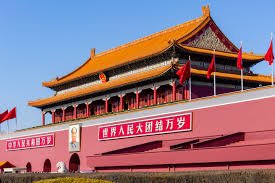
Tiananmen Square, or the Square of Heavenly Peace, lies in the heart of Beijing directly facing the Tiananmen Gate, which serves as the entrance to the Forbidden City. Covering about 44 hectares, it is among the largest public squares in the world. Its name derives from the “Gate of Heavenly Peace,” the imposing red gate with imperial significance located at its northern edge.
The square was initially designed in 1651 during the Ming Dynasty. However, it was extensively expanded during the 1950s by the People’s Republic of China, reflecting its importance as a stage for national events. Since then, it has hosted countless military parades, national day celebrations, and flag-raising ceremonies, cementing its role as the country’s symbolic center.
A Stage for History
While Tiananmen Square is associated with state pride and unity, it is also remembered globally for major historical events. Among the most notable was the 1989 student-led protest, which drew international attention and left a lasting mark on modern history. Despite this tragic episode, the square continues to embody national pride and serves as one of the most visited attractions in China.
Visiting Information
Opening Hours and Entry Fees
Tiananmen Square is open to the public 24 hours a day, and entry to the main square area is free of charge. However, due to strict security measures, visitors must pass through checkpoints and present identification—such as a passport for international tourists.
While the square itself is freely accessible, nearby landmarks and buildings have their own schedules and entry rules. For example:
- Mausoleum of Mao Zedong: Open Tuesday to Sunday from 8:00 a.m. to 12:00 p.m., closed on Mondays.
- National Museum of China: Free entry but requires online reservation with official identification.
Given the popularity of these attractions, it is advisable to arrive early, especially if you wish to attend the solemn flag-raising ceremony at sunrise.
Highlights Around Tiananmen Square
Tiananmen Gate (Gate of Heavenly Peace)
The northern gate, with its striking red walls and the iconic portrait of Mao Zedong, is one of China’s most recognized landmarks. Historically, this was the imperial gateway to the Forbidden City and remains a powerful political symbol. Visitors can climb to the top to enjoy sweeping views of the square.
Monument to the People’s Heroes
At the center of the square stands a towering 38-meter granite monument honoring those who sacrificed their lives for China’s revolution and independence. The inscription, penned by Mao Zedong himself, underscores its historic significance.
Mausoleum of Mao Zedong
Located in the southern part of the square, this mausoleum is the final resting place of Chairman Mao. Inside, his embalmed body lies in a glass coffin. Photography is strictly prohibited, but the experience leaves visitors with a profound sense of history and reverence.
National Museum of China
Positioned on the eastern edge, this massive museum is among the largest in the world. Its exhibitions span from prehistoric artifacts to relics of imperial dynasties and documents from modern revolutionary times. For history enthusiasts, it provides deep insight into China’s cultural and political evolution.
Great Hall of the People
Dominating the western side, the Great Hall of the People is the seat of China’s parliament and a venue for political gatherings. While not always open to the general public, visitors can occasionally join guided tours. The building’s monumental architecture and ornate interiors showcase China’s state power and grandeur.
National Flagpole
Standing prominently at the north end, the flagpole is the site of the ceremonial flag-raising and lowering, carried out daily by honor guards. These rituals at sunrise and sunset are moments of national pride that attract large crowds.
Activities to Enjoy at Tiananmen Square
Witness the Flag-Raising Ceremony
One of the most iconic experiences is attending the daily flag-raising and lowering ceremonies. Performed with precision by military guards, the ceremony aligns with the exact times of sunrise and sunset. Arrive early—at least 30 minutes before—to secure a good viewing spot.
Capture Iconic Photos
With its monumental architecture and historical backdrops, Tiananmen Square is a dream for photographers. The best times for photos are early morning or late afternoon, when lighting is softer and the crowds are thinner.
Take a Guided Historical Tour
To fully appreciate the symbolism and significance of each landmark, consider joining a guided tour. Professional guides provide context that goes beyond surface-level observation, making the visit both educational and memorable.
Explore Museums and Galleries
The surrounding museums, especially the National Museum of China, are must-visits for those eager to dive deeper into the nation’s heritage. Exhibits are modern, interactive, and vast, offering hours of exploration.
Stroll and Observe Local Life
Tiananmen Square is not only for tourists but also for locals. Families, students, and visitors from across the country gather here. Taking time to sit, walk, and observe daily life gives you a more authentic experience of Beijing’s social atmosphere.
Experience the Square at Night
Though many buildings close after sunset, the square remains illuminated with elegant night lighting. The atmosphere is calmer, making it an excellent time for a peaceful evening walk while enjoying the cool Beijing air.
Conclusion
Tiananmen Square is far more than a vast open space; it is a living testament to China’s historical journey and modern identity. With landmarks such as the Tiananmen Gate, Mao Zedong Mausoleum, and the Great Hall of the People, each corner of the square tells a story of power, revolution, and resilience.
For visitors, the square offers a balance of solemn history and cultural vibrancy. Whether you attend the sunrise flag-raising ceremony, tour the surrounding museums, or simply walk across its expansive grounds, you will leave with a deeper understanding of China’s past and present.
A visit to Tiananmen Square is not just sightseeing—it is an immersion into the political and cultural heart of Beijing, one that will remain etched in your memory long after your journey ends.