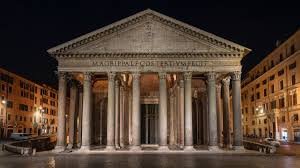
The Pantheon in Rome, Italy, stands as one of the most extraordinary and iconic monuments of ancient architecture. Constructed during the reign of Roman Emperor Hadrian in the 2nd century AD, this architectural masterpiece originally served as a temple dedicated to all Roman gods. Over the centuries, however, the Pantheon has transformed from a pagan temple into a Christian church, making it not only a significant historical site but also a major tourist attraction in the heart of Rome.
Visiting the Pantheon offers a remarkable journey through time, allowing travelers to appreciate the ingenuity of Roman engineering, the grandeur of ancient religious practices, and the enduring cultural significance that continues to inspire awe today. This article explores the history, architecture, and visiting experience of the Pantheon, highlighting why it remains a must-see destination for anyone exploring Rome.
History of the Pantheon
From Pagan Temple to Christian Church
The Pantheon was completed around 118 AD during Emperor Hadrian’s rule. While the identity of its original architect remains uncertain, the structure is widely recognized as a pinnacle of Roman design and engineering. Its original function was to honor all the deities of Roman mythology, serving as a sacred space for ceremonies and offerings.
In the 7th century AD, Pope Boniface IV repurposed the Pantheon as a Christian church, dedicating it to St. Mary and the Martyrs. Despite this religious transformation, the building preserved many of its original pagan elements, including the grand altar and the niches that once housed statues of Roman gods. This blending of traditions creates a unique spiritual and historical atmosphere that continues to captivate visitors.
Architecture of the Pantheon
A Dome of Unmatched Engineering
One of the Pantheon’s most remarkable features is its extraordinary dome, which measures approximately 43.3 meters in height with a diameter of 43.2 meters. This makes it one of the largest unreinforced concrete domes in the world. At the top of the dome is a circular opening known as the “oculus,” which serves as the building’s sole source of natural light and ventilation, casting a dramatic glow across the interior.
The Pantheon’s structure is divided into two main sections: the vestibule and the rotunda. The vestibule, or portico, features three grand entrances, each surmounted by statues representing Roman deities, symbolizing the building’s original pagan purpose. Beyond the vestibule lies the rotunda, the central circular chamber, which houses nine chapels containing various religious artworks and statues.
Columns and Materials
The Pantheon is also renowned for its impressive granite and marble columns. Eighteen monolithic columns surround the interior, each approximately 14 meters tall and 1.5 meters in diameter. These columns are believed to have been imported from Egypt and were a gift from Emperor Hadrian, commemorating his victory over Egypt in 117 AD. The combination of imported materials, precise engineering, and classical design principles contributes to the Pantheon’s enduring elegance.
Visiting the Pantheon
Location and Opening Hours
The Pantheon is situated in the vibrant Piazza della Rotonda in central Rome, making it easily accessible by public transportation. It is open to visitors from Monday to Saturday, 8:30 AM to 7:30 PM, and on Sundays from 9:00 AM to 6:00 PM.
Visitor Guidelines
Given its status as a functioning church, visitors are expected to dress modestly and respectfully. Shoulders and knees should be covered, and photography may be restricted during religious ceremonies. Entrance to the Pantheon is free, though guided tours and audio guides are available for a fee, providing detailed information on the building’s history, architecture, and cultural significance.
Tips for a Fulfilling Visit
- Arrive Early: To avoid crowds and experience a more peaceful atmosphere, consider visiting early in the morning or late in the afternoon.
- Guided Tours: Hiring a licensed guide or using an audio guide enhances understanding of the Pantheon’s historical context and architectural details.
- Photography: The best lighting for interior photography is often mid-morning, when sunlight streams through the oculus.
- Combine with Nearby Attractions: Piazza della Rotonda and surrounding streets offer cafes, restaurants, and shops, making it easy to explore other Roman landmarks in the same visit.
The Pantheon: An Architectural and Cultural Legacy
The Pantheon is not merely an ancient building; it is a testament to the ingenuity and vision of Roman architects. Its massive dome, elegant columns, and iconic oculus continue to inspire architects and designers worldwide, serving as a model for countless religious and civic structures throughout history.
Visitors to the Pantheon can appreciate the intricate balance of aesthetics, engineering, and spiritual significance that makes this site unique. From the harmonious proportions of the rotunda to the symbolic elements preserved from its pagan past, the Pantheon offers an immersive experience that bridges ancient Rome with the present day.
Conclusion
For travelers exploring Rome, the Pantheon represents a convergence of history, art, religion, and architecture. Its evolution from a temple dedicated to all Roman gods to a Christian church exemplifies the city’s rich cultural tapestry, while its structural innovations highlight the brilliance of Roman engineering.
Whether marveling at the massive dome, tracing the footsteps of ancient worshippers, or simply soaking in the serene ambiance, visiting the Pantheon is an unforgettable experience. A trip to Rome would be incomplete without standing in the presence of this timeless architectural wonder, which continues to inspire admiration and awe centuries after its construction.