Doha, the capital of Qatar, has rapidly transformed into a hub of culture, architecture, and innovation. At the heart of its cultural identity stands the Museum of Islamic Art (MIA), a landmark that embodies Qatar’s ambition to share the richness of Islamic art and culture with the world. Though its history is relatively recent, the museum has quickly become an internationally recognized institution, attracting art enthusiasts, researchers, and travelers alike.
With its stunning architecture, diverse collection, and dedication to cultural exchange, the Museum of Islamic Art is more than a building—it is a bridge between civilizations. This article explores its history, architecture, collections, visitor experience, and practical information to help you plan a meaningful visit.
History of the Museum
Origins of the Idea
The concept of the museum emerged in the early 1990s, when Sheikh Hamad bin Khalifa Al Thani, the then Emir of Qatar, envisioned a space that would preserve and showcase the achievements of Islamic art. His proposal laid the foundation for what would later become one of the world’s leading cultural destinations.
By 2001, the project was officially launched under the auspices of Qatar Museums, with strong support from Sheikha Al Mayassa bint Hamad bin Khalifa Al Thani, who played a crucial role in championing the initiative.
Architectural Vision
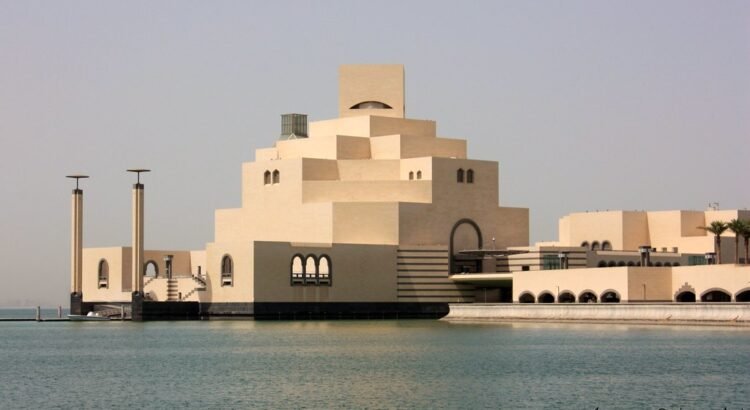
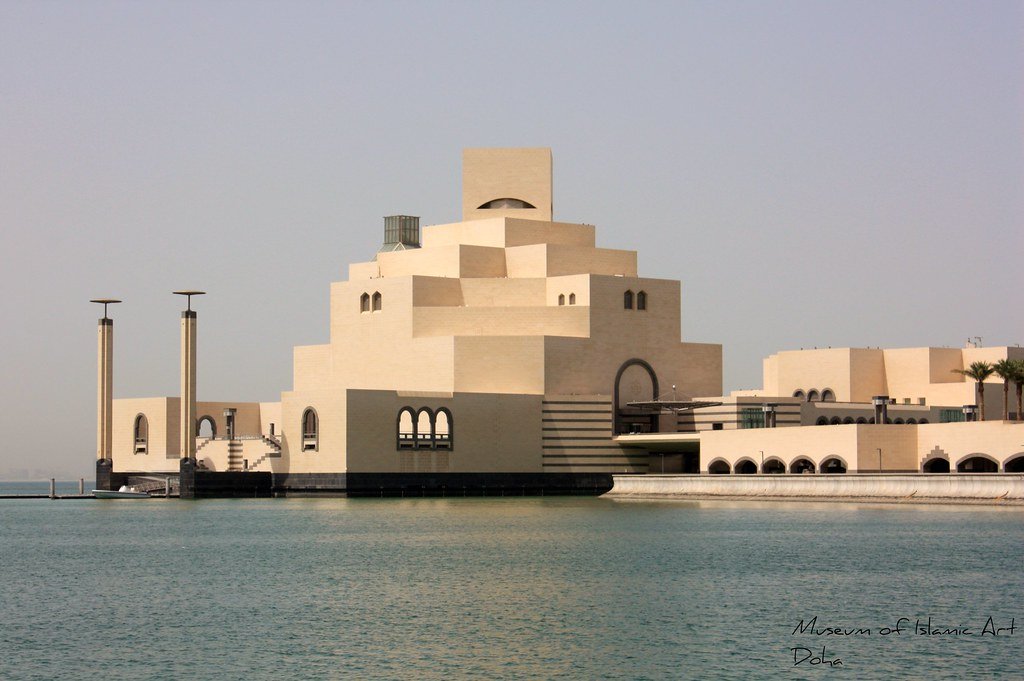
To bring the project to life, Qatar commissioned renowned architect I. M. Pei, famous for designing the Louvre Pyramid in Paris. Pei sought inspiration from historical Islamic fortresses and architectural traditions in the region. His goal was to create a structure that reflected both modern design principles and the timeless elegance of Islamic aesthetics. The result was a breathtaking architectural masterpiece that harmonizes tradition with innovation.
Official Opening
The museum officially opened on November 22, 2008, in a ceremony attended by global leaders, art experts, and cultural figures. Since then, the Museum of Islamic Art has become one of Qatar’s most prominent attractions, celebrated internationally for its contributions to preserving and promoting Islamic culture.
The Collections
Diversity of Artworks
The Museum of Islamic Art houses a collection of more than 14,000 objects, representing over a thousand years of Islamic civilization. The exhibits include calligraphy, ceramics, manuscripts, glassware, textiles, metalwork, and miniature paintings. These objects originate from regions as diverse as Egypt, Iran, Turkey, Syria, and beyond, reflecting the geographical and cultural breadth of the Islamic world.
Special Exhibitions
Beyond its permanent displays, the museum frequently organizes temporary exhibitions featuring artworks on loan from private collections and international institutions. These rotating exhibits provide fresh insights into Islamic history and highlight the global connections fostered by art.
Educational Role
The museum also serves as an educational hub. Through lectures, workshops, and special programs, visitors are invited to deepen their understanding of Islamic traditions, techniques, and artistic values. This emphasis on learning ensures that the museum is not only a place of admiration but also of discovery and dialogue.
Cultural Significance
A Center for Heritage
More than a repository of artifacts, the Museum of Islamic Art is a cultural center that strengthens Qatar’s identity while promoting intercultural understanding. Its galleries highlight the diversity of Islamic societies and illustrate how Islamic art evolved through exchanges with other civilizations.
Public Engagement
The museum regularly hosts concerts, art workshops, and cultural festivals, allowing visitors to experience Islamic heritage in dynamic ways. Such programs enrich the visitor experience and encourage both residents and tourists to engage with Islamic culture on a personal level.
Visitor Attractions
Iconic Architecture
The museum’s location along the Doha Corniche, overlooking the Arabian Gulf, makes it one of the city’s most iconic landmarks. The interplay of sharp geometric forms, subtle lighting, and the surrounding water creates a dramatic and serene atmosphere.
Gallery Experience
Inside, the galleries are carefully designed to lead visitors on a chronological and thematic journey. From ancient Qur’anic manuscripts to ornate jewelry and textiles, each display illustrates the craftsmanship and creativity of Islamic artists through the ages.
Learning Spaces
In addition to exhibitions, the museum features libraries, classrooms, and performance areas. These facilities support ongoing cultural and educational activities, ensuring the museum remains a vibrant community hub.
Practical Information
Location and Access
The museum is centrally located in Doha, making it easily accessible by taxi, bus, or private car. Parking facilities are also available for those driving to the site.
Ticket Information
Ticket prices may vary depending on visitor category, with discounts often available for students, children, and Qatari residents. Some museums also provide free or reduced entry during specific days or hours, so checking the official museum website is recommended before visiting.
Visitor Tips
To make the most of your visit:
- Verify the museum’s opening hours in advance.
- Bring a camera or smartphone to capture the architecture and surroundings (while respecting photography rules).
- Read the information panels provided with each exhibit for a deeper understanding.
- Follow the guidelines given by staff, including rules about handling or approaching artworks.
By respecting these guidelines, visitors contribute to the preservation of the museum’s treasures for future generations.
Conclusion
The Museum of Islamic Art in Doha is more than a showcase of artifacts—it is a celebration of Islamic creativity, knowledge, and cultural heritage. Since its opening in 2008, it has played a vital role in positioning Qatar as a global center for art and learning. Its combination of architectural brilliance, diverse collections, and cultural programs makes it one of the most remarkable museums in the world.
For art lovers, history enthusiasts, or curious travelers, a visit to the Museum of Islamic Art promises not only a journey through centuries of Islamic tradition but also an opportunity to appreciate the enduring legacy of one of the world’s richest cultures.