For travelers fascinated by history and culture, the Forbidden City in Beijing is an unmissable destination. Far more than just a palace complex, it served as the beating heart of imperial China for nearly five centuries. With its grand architectural design, vast courtyards, and extensive art collections, this UNESCO World Heritage Site is a masterpiece that blends cultural symbolism with political power. Walking through its halls offers visitors a chance to step back in time and experience the grandeur of China’s dynasties. In this article, we will uncover the history, highlights, and practical tips for visiting the extraordinary Forbidden City.
The History of the Forbidden City
Origins During the Ming Dynasty
Construction of the Forbidden City began in 1406 under the command of Emperor Yongle of the Ming Dynasty. Completed in 1420, the sprawling complex became the imperial residence and the central hub of government administration. Covering an area of over 720,000 square meters with more than 8,700 rooms, it remains the largest and most intact palace complex in the world. The layout reflects Confucian principles of harmony and hierarchy, with a symmetrical design symbolizing cosmic order and imperial authority.
A Symbol of Imperial Power
The name “Forbidden City” reflects its restricted access during the imperial era. Ordinary citizens were forbidden to enter; only the emperor, his family, high-ranking officials, and those with special permission could step inside. This exclusivity transformed the palace into both a protective fortress and a symbol of absolute authority. For nearly 500 years, it remained the private world of China’s rulers until the abdication of the last Qing emperor in 1912.
Transition into a Public Museum
After the fall of the Qing Dynasty, the Forbidden City transitioned from a secluded imperial residence into a cultural treasure for the world. Today, it houses the Palace Museum, showcasing thousands of artifacts, artworks, and relics from China’s imperial past. This transformation has allowed millions of visitors each year to admire its architecture, gain insight into dynastic traditions, and experience the richness of Chinese civilization.
Highlights of the Forbidden City
The Meridian Gate (Wumen)
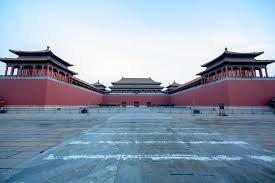
The Meridian Gate serves as the grand southern entrance and the official gateway to the Forbidden City. Historically, it was the site of ceremonial announcements and imperial decrees. Visitors today are greeted by its towering presence, offering the first glimpse into the architectural brilliance that awaits inside. Admission to this gate is included in the general entry ticket, which ranges between 125,000–150,000 IDR, with opening hours from 8:30 a.m. to 5:00 p.m.
The Hall of Supreme Harmony
As the largest and most important hall in the Forbidden City, the Hall of Supreme Harmony (Taihe Dian) hosted major state ceremonies such as coronations, imperial weddings, and enthronements. Adorned with golden decorations, intricate carvings, and symbolic artwork, the hall reflects the power and majesty of the emperor. Standing inside this space allows visitors to imagine the grandeur of dynastic rituals that once shaped Chinese history.
The Temple of Heaven and Sacrificial Altar
Though slightly separated from the main palace grounds, the Temple of Heaven and the Altar of Sacrifice were essential to imperial rituals. Here, emperors performed ceremonies to pray for bountiful harvests and the well-being of the empire. The architecture radiates a sense of sacredness, with circular designs symbolizing heaven and square bases representing earth. Tickets to this site are purchased separately, costing around 100,000 IDR, but share similar visiting hours.
The Palace Museum
Located within the Forbidden City, the Palace Museum contains an extraordinary collection of ancient artifacts, from ceramics and jade jewelry to manuscripts and imperial clothing. Each exhibit tells a story of court life, artistry, and governance across dynasties. The museum enriches a visitor’s journey, offering detailed insights into the cultural and political significance of each palace chamber. Admission to the museum is included in the main entrance ticket.
Tips for Visiting the Forbidden City
Plan Ahead and Book Tickets Online
Daily visitor numbers are limited to protect the site, so it is best to secure tickets online in advance through the official website. Booking early ensures smooth entry and avoids disappointment, especially during peak travel seasons.
Arrive Early in the Day
The Forbidden City attracts huge crowds. Arriving early allows you to explore in a calmer atmosphere and appreciate the architecture before the busiest hours.
Wear Comfortable Footwear
The palace grounds are vast, requiring hours of walking. Comfortable shoes are essential to ensure you can explore every corner without fatigue.
Stay Hydrated and Protected
Beijing summers can be hot, so carrying bottled water, wearing a hat, and applying sunscreen are important to stay comfortable while touring the expansive courtyards.
Enrich Your Experience with Guides
To gain a deeper understanding of the palace’s history and symbolism, consider renting an audio guide or joining a guided tour. Professional guides provide detailed stories and context that bring the imperial past to life.
Respect the Rules
To help preserve this invaluable heritage, follow all posted guidelines. Do not touch artifacts, lean on structures, or disregard restricted areas. Maintaining respect ensures the site remains intact for future generations.
Conclusion
The Forbidden City stands as one of the world’s most remarkable cultural landmarks, embodying the authority, artistry, and traditions of China’s imperial past. From the grandeur of the Hall of Supreme Harmony to the quiet symbolism of the Temple of Heaven, every corner of this vast complex reflects centuries of history.
Today, as a UNESCO World Heritage Site and world-renowned museum, it continues to captivate millions of visitors each year. Exploring its halls is not only a journey into China’s dynastic heritage but also a reminder of the enduring power of architecture and culture to tell humanity’s stories. By planning carefully, respecting its sacred spaces, and immersing yourself in its treasures, a visit to the Forbidden City becomes an unforgettable step into the living history of China.