As vacation season approaches, one of the biggest challenges travelers face is efficiently packing their belongings. Ensuring that all necessary items fit into a limited amount of luggage can be tricky, especially for longer trips or when space is at a premium. Fortunately, there are several strategies and tips that can help you pack more efficiently, keep your items organized, and avoid bringing unnecessary things.
Choose the Right Bag
Selecting the right bag is the first and most important step in successful travel packing. Backpacks or suitcases with multiple compartments allow for better organization of your belongings, making it easier to access what you need quickly.
For shorter trips, a small backpack or carry-on suitcase is usually sufficient. For longer journeys, a larger bag may be necessary to accommodate additional clothing and travel essentials. Make sure your chosen bag is durable, lightweight, and has sufficient compartments for sorting items. A well-designed travel bag not only protects your belongings but also enhances mobility during your trip.
Create a Packing List
Before placing anything in your suitcase, make a detailed packing list. This simple step helps ensure that nothing essential is forgotten and allows you to assess what items are truly necessary.
Organize your list into categories, such as clothing, toiletries, electronics, and important documents. A categorized packing list also helps adjust the quantity of items depending on the trip’s duration, avoiding overpacking or carrying unnecessary items. By planning ahead, you can pack more efficiently and reduce stress during travel.
Pack Lightweight, Quick-Dry, and Versatile Clothing
Clothing often takes up the most space in luggage, so it’s crucial to pack smart. Opt for garments that are lightweight, quick-drying, and multifunctional. Quick-drying clothes are especially useful if you need to wash items during your trip, allowing them to be ready to wear again in a short time.
Additionally, select clothing that is adaptable to different situations. For example, pants that can convert into shorts or jackets that double as raincoats can significantly reduce the number of items you need to bring. By focusing on versatile clothing, you can maintain functionality while minimizing luggage size.
Use Packing Cubes
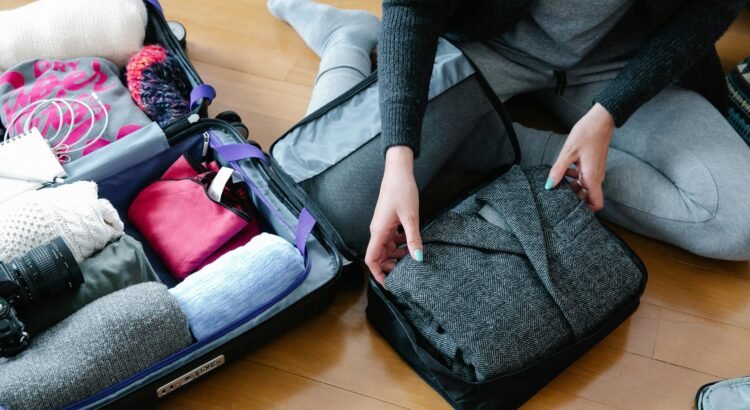
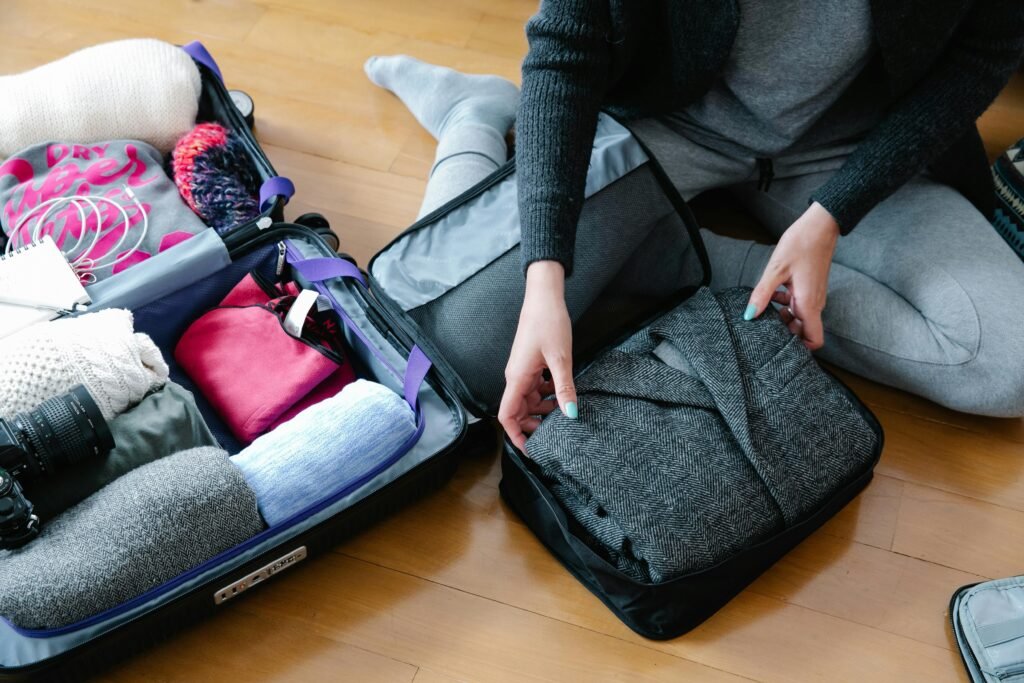
Packing cubes are excellent tools for keeping your luggage organized. These small, lightweight bags allow you to separate clothing, accessories, and other essentials, making it easier to find items quickly.
Packing cubes also help maximize luggage space by compressing clothing into smaller bundles. This method not only keeps your belongings tidy but also prevents your items from shifting during transit, making packing and unpacking more efficient.
Avoid “Just in Case” Items
A common mistake in travel packing is bringing items “just in case,” such as multiple pairs of shoes or extra jackets you may never use. This approach can unnecessarily increase your luggage weight and take up valuable space.
Instead, focus on realistic needs and multifunctional items. Only bring what you know you will use and items that serve multiple purposes. This mindset ensures a lighter, more manageable bag while avoiding clutter.
Minimize Electronics and Cables
Electronics and their accessories can occupy a lot of space and add extra weight. Prioritize which devices are essential for your trip. For instance, if you are bringing a laptop, you may not need a tablet.
Consider using a multiport charger to reduce the number of cables needed. Additionally, carrying a power bank allows you to charge devices on the go without bringing multiple chargers. Streamlining electronics not only saves space but also simplifies packing and travel.
Follow the 1-2-3-4-5-6 Rule
The 1-2-3-4-5-6 rule is a practical guideline to help travelers pack efficiently for about two weeks. For reference, you can bring:
- 1 hat
- 2 pairs of shoes
- 3 bottoms
- 4 tops
- 5 pairs of socks
- 6 pairs of underwear
This system is adaptable and can be modified according to your destination. Additional items, such as swimwear or a raincoat, can be included depending on weather and activities. Following a structured approach like this ensures you have all essentials while avoiding overpacking.
Conclusion
Travel packing can seem daunting, but with thoughtful planning, it becomes much easier to fit everything you need into limited luggage space. By choosing the right bag, creating a packing list, selecting lightweight and versatile clothing, using packing cubes, avoiding unnecessary items, minimizing electronics, and following structured packing guidelines like the 1-2-3-4-5-6 rule, you can travel more efficiently and comfortably. Implementing these tips allows you to focus on enjoying your journey, knowing that your belongings are organized, compact, and accessible whenever needed. Smart packing not only saves space but also enhances your overall travel experience, making every trip smoother and more enjoyable.