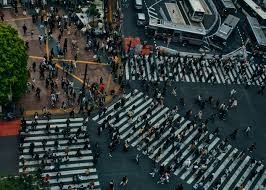
In the heart of Tokyo’s Shibuya district lies one of the most recognizable pedestrian intersections in the world—Shibuya Crossing. Every time the traffic lights switch, hundreds, sometimes thousands, of people cross the street from multiple directions at once. This synchronized chaos creates a fascinating sight that has become symbolic of Tokyo’s fast-paced, modern lifestyle. Both locals and international travelers flock here not only to cross the intersection but also to witness the city’s vibrant energy firsthand.
Far more than just a busy crossing, Shibuya is a hub of culture, commerce, fashion, and nightlife, making it one of Tokyo’s most dynamic destinations. To help you explore this landmark more deeply, let’s dive into its history, nearby attractions, and practical tips for visiting.
The History and Location of Shibuya Crossing
Where It All Began
Shibuya Crossing sits directly outside Shibuya Station, one of Japan’s busiest transport hubs. Surrounded by towering buildings, glowing billboards, and popular shopping centers, the crossing embodies Tokyo’s bustling urban core.
Shibuya itself began developing into a commercial and entertainment hotspot during the early 20th century. With the rise of department stores, transport lines, and youth-oriented businesses, the district quickly grew into a cultural magnet. The crossing became a natural centerpiece, designed to manage the massive pedestrian flow.
Over time, Shibuya Crossing gained international fame, appearing in films, advertisements, and countless travel documentaries. Its reputation was further amplified when Shibuya emerged as a trendsetting district for Japan’s youth culture, fashion, and pop icons.
Today’s Global Symbol
Now, Shibuya Crossing is no longer just a functional intersection—it’s a tourist attraction in its own right. Each day, thousands of pedestrians flood across the wide streets, creating a mesmerizing spectacle of movement. For photographers, videographers, and social media enthusiasts, the crossing provides the perfect shot to capture Tokyo’s urban rhythm.
What to Do Around Shibuya Crossing
Visit the Hachiko Statue
Just steps away from the intersection is one of Tokyo’s most beloved landmarks: the Hachiko Statue. Dedicated to the loyal Akita dog who waited for his owner every day—even years after his owner passed away—this statue represents devotion and has become a popular meeting spot. Many visitors stop here to take photos before or after crossing Shibuya’s streets.
See the View from Shibuya Sky
For a bird’s-eye view of Shibuya Crossing, head up to Shibuya Sky, an observation deck atop the Shibuya Scramble Square building. From here, you can witness the organized chaos below, watching thousands of people moving in unison. At sunset or nighttime, when neon lights glow, the view becomes even more magical.
Shopping and Dining in Shibuya
Shibuya is a paradise for shoppers and food lovers alike. A highlight is Shibuya 109, a landmark shopping center known as the epicenter of Japanese youth fashion. For dining, visitors can explore Shibuya Center-gai, a lively pedestrian street lined with restaurants, cafes, and unique shops. Whether you crave traditional Japanese meals, international cuisine, or quirky dessert cafes, the area offers endless options.
Shibuya and Japanese Pop Culture
A Hub of Entertainment
Beyond shopping and dining, Shibuya is at the core of Japanese pop culture. Large music stores like Tower Records and anime merchandise shops such as Mandarake attract fans from all over the world. Game centers, karaoke bars, and themed cafes further enrich the entertainment scene.
Shibuya at Night
When the sun sets, Shibuya transforms into a nightlife hotspot. Countless bars, clubs, and izakayas (Japanese pubs) welcome visitors seeking to experience Tokyo’s famous night scene. From sophisticated cocktail lounges to high-energy dance clubs, the district offers something for every kind of night owl.
Tips for Visiting Shibuya Crossing
Choosing the Right Time
While the crossing is always bustling, timing your visit can enhance your experience.
- Morning rush (7:00 – 9:00 AM) and evening rush (5:00 – 7:00 PM) show Tokyo at its busiest, ideal if you want to capture the true energy of the city.
- For quieter moments and cleaner photo opportunities, aim for late morning (10:00 – 11:00 AM) or near midnight, when pedestrian traffic slows down.
Best Photo Spots
- Starbucks Tsutaya on the second floor offers a panoramic view of the intersection, though seats by the window fill quickly.
- Observation decks like Shibuya Sky give you the perfect aerial shot.
- Street-level corners provide immersive perspectives, especially when the lights turn green.
Comfort and Etiquette
Since exploring Shibuya involves a lot of walking, wear comfortable shoes and breathable clothing. Remember to respect local etiquette—avoid blocking pedestrian flow when taking photos and be mindful of others in such a crowded space.
Getting to Shibuya Crossing
By Train
The easiest way to reach the crossing is via Shibuya Station, one of Tokyo’s major transport hubs. It is served by several lines including:
- JR Yamanote Line
- Tokyo Metro Ginza Line
- Hanzomon Line
- Fukutoshin Line
Once you exit the station, the crossing is just a few steps away.
By Bus or Taxi
City buses and long-distance buses also stop at Shibuya, making it accessible from across Tokyo and beyond. Taxis are readily available, though more expensive compared to public transit.
Navigation Made Easy
For first-time visitors, using navigation apps or digital maps is recommended. Tokyo’s transit system can feel overwhelming, but modern apps make navigating to Shibuya simple and stress-free.
Conclusion
Shibuya Crossing is more than just an intersection—it’s a cultural icon that captures the essence of Tokyo’s vibrancy. From the bustling pedestrian waves to the surrounding shopping streets, restaurants, and nightlife, the area offers an endless array of experiences. Whether you’re interested in photography, fashion, Japanese pop culture, or simply soaking in the rhythm of city life, Shibuya has something for everyone.
A visit to Tokyo wouldn’t be complete without experiencing the thrilling rush of crossing Shibuya’s famous scramble. It is, quite simply, a living symbol of modern Japan—fast, colorful, and unforgettable.