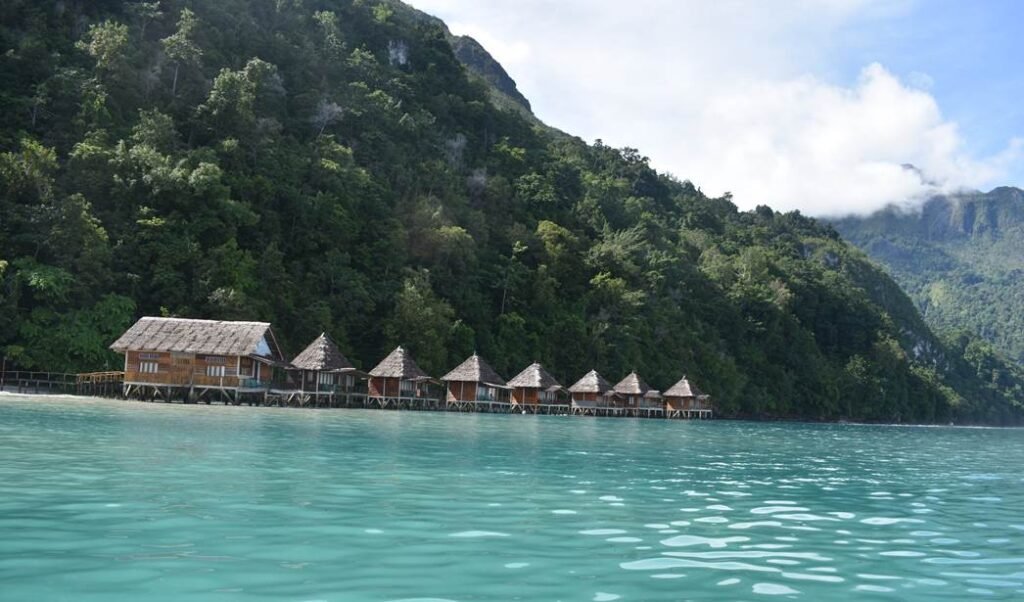
Have you ever imagined a place where the waters sparkle like crystal, the sands are as white as snow, and serenity wraps around you like a gentle embrace? For adventurers and seekers of untouched beauty, welcome! Let’s embark on a journey to a secluded gem in eastern Indonesia—a hidden paradise known as Pantai Ora. Prepare to be mesmerized.
Situated on Seram Island in Central Maluku, Pantai Ora remains relatively unknown to many travelers, yet it exudes charm that captivates anyone at first sight. Here, you can stroll along soft sands, dip your feet into refreshing waters, and watch the sunrise paint the sky in vibrant hues. Pantai Ora is more than just a beach; it’s an oasis of calm, a place where time seems to pause. Research by Indonesia’s Ministry of Tourism and Creative Economy highlights that nature-based tourism like Pantai Ora strongly appeals to visitors seeking authentic and sustainable travel experiences—a growing need in our fast-paced modern world.
Pantai Ora: An Introduction to Its Allure
A Natural Haven Preserved by Locals
The allure of Pantai Ora goes beyond its breathtaking scenery. Local communities play a crucial role in preserving its pristine environment. The residents of nearby Sawai Village, for instance, have long passed down knowledge on sustainable practices to protect coral reefs and marine life. A conversation with a local fisherman, Pak Hasan, illustrates this dedication: “The ocean is our lifeline. We must protect it so our children can also enjoy its beauty.” This harmonious human-nature relationship makes Pantai Ora not only a tourist destination but also a model for sustainable tourism.
Overwater Eco-Resorts: A Unique Experience
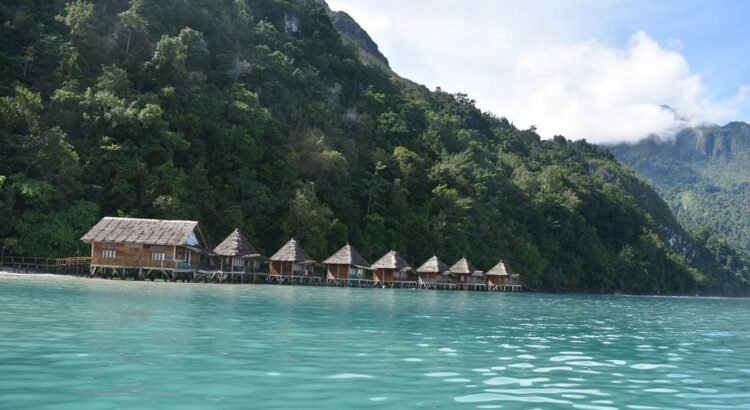
One feature that sets Pantai Ora apart is the presence of eco-resorts perched over the water. Imagine staying in a wooden bungalow above the sea, with panoramic views of turquoise waters. Colorful fish swim beneath your feet, creating an immersive underwater experience right from your terrace. According to Indonesia’s Central Statistics Agency, such eco-accommodations are increasingly popular among travelers seeking distinctive and eco-friendly holiday experiences. Pantai Ora demonstrates how innovative tourism can attract visitors while promoting environmental stewardship.
History and Cultural Background
Pantai Ora began gaining wider recognition in the early 2000s. Prior to that, only locals and a few adventurous travelers were aware of its existence. Its “discovery” was organic—spread by word of mouth rather than by a single explorer.
The growth of tourism has been steady. Initially, accommodations were limited, but with support from local government and positive travel reviews, Pantai Ora has evolved into a destination with overwater bungalows and improved infrastructure. The local Sawai community has benefited economically while maintaining its cultural identity, balancing tourism with environmental preservation. Conservation programs, such as coral reef protection and mangrove planting, ensure that Pantai Ora’s natural splendor endures for future generations.
Legend and history enrich Pantai Ora’s appeal. Locals speak of the “Seram Pearl,” famed for its quality, and tales of mermaids appearing under a full moon. Some diving sites feature sunken World War II shipwrecks, offering a rare blend of natural beauty and historical intrigue.
Geography and Climate
Pantai Ora is located in Saleman Village, North Seram District, Central Maluku, at approximately 2°56’51.4″S 129°33’01.3″E. The beach faces the Banda Sea and spans about 500 meters in length. The surrounding landscape combines tropical forests, limestone hills, and the Manusela National Park—a habitat for endemic flora and fauna.
The tropical climate ranges from 27–32°C year-round. The ideal visiting season is April to September, when rainfall is minimal, while December to February may bring heavy rain and strong winds. Visitors are advised to monitor local weather updates to ensure safety during outdoor activities.
How to Reach Pantai Ora
Reaching Pantai Ora requires careful planning. Travelers typically fly to Pattimura Airport in Ambon, followed by a domestic flight to Amahai Airport on Seram Island (approximately one hour). From Amahai, a three- to four-hour drive leads to Sawai Village.
Public transportation options are limited; renting a private car or travel service is recommended. Roads vary from paved to unpaved sections, so ensure your vehicle is in good condition. Some resorts offer airport pickup from Amahai, which is worth arranging in advance.
Main Attractions and Activities
Snorkeling and Diving
Pantai Ora’s clear turquoise waters and vibrant coral reefs make snorkeling and diving a must. Equipment rentals are available at resorts, with prices ranging from IDR 50,000 to IDR 1,000,000 depending on the package.
Island Hopping
Discover nearby islands via boat. Rental prices range from IDR 300,000–500,000 per boat, perfect for exploring multiple islands in a single trip.
Trekking and Nature Exploration
The nearby Manusela National Park offers trekking routes through lush forests, showcasing endemic flora and fauna. Entry tickets are around IDR 5,000. For more adventurous travelers, climbing Mount Binaiya—the highest peak on Seram Island—offers spectacular panoramic views.
Relaxation and Photography
Overwater bungalows, wooden piers, and pristine beaches provide iconic photo spots. The golden hour and blue hour are ideal times for capturing stunning visuals.
Cultural Experiences
Visitors can witness traditional Sawai ceremonies, including weddings and guest welcomes, or enjoy local music and dance performances. Engaging with the community offers insight into the rich cultural heritage of Maluku.
Dining and Local Cuisine
Dining options are mostly within resorts, serving fresh seafood dishes such as grilled fish with Maluku spices, Padang-style shrimp, and oyster crab. Prices range from IDR 100,000–300,000 per person. Local coffee shops in Sawai Village offer traditional coffee (kopi tubruk) and snacks like fried bananas and cassava for IDR 5,000–20,000.
A must-try local delicacy is papeda, a sago-based dish served with yellow fish broth, available in traditional restaurants in Masohi.
Accommodation Options
From eco-resorts to homestays, Pantai Ora offers diverse lodging options. Overwater bungalows provide immersive experiences, while other resorts cater to families, honeymooners, and adventure seekers. Booking is available online or directly through resort websites, with packages including activities like snorkeling, island hopping, and trekking.
Best Time to Visit
- Peak Season: June–August; expect higher prices and more crowds.
- Low Season: December–February; fewer visitors, lower prices, and more tranquility.
- Optimal Visiting Hours: Early morning for sunrise or late afternoon for sunset.
Conclusion
Pantai Ora is more than just a destination; it’s an unforgettable experience. With crystal-clear waters, pristine coral reefs, overwater resorts, and rich cultural traditions, it offers travelers a chance to disconnect from the modern world and reconnect with nature. Whether snorkeling, trekking, relaxing on the beach, or savoring local cuisine, every moment here leaves a lasting impression. So pack your bags, prepare your camera and sunscreen, and experience the enchanting magic of Pantai Ora for yourself. This hidden Maluku paradise awaits!