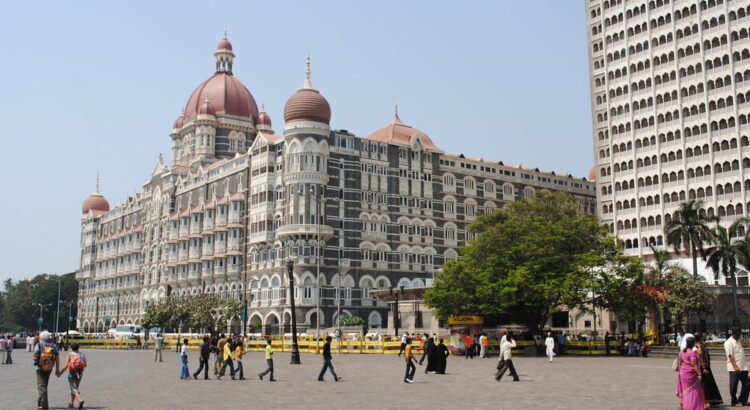
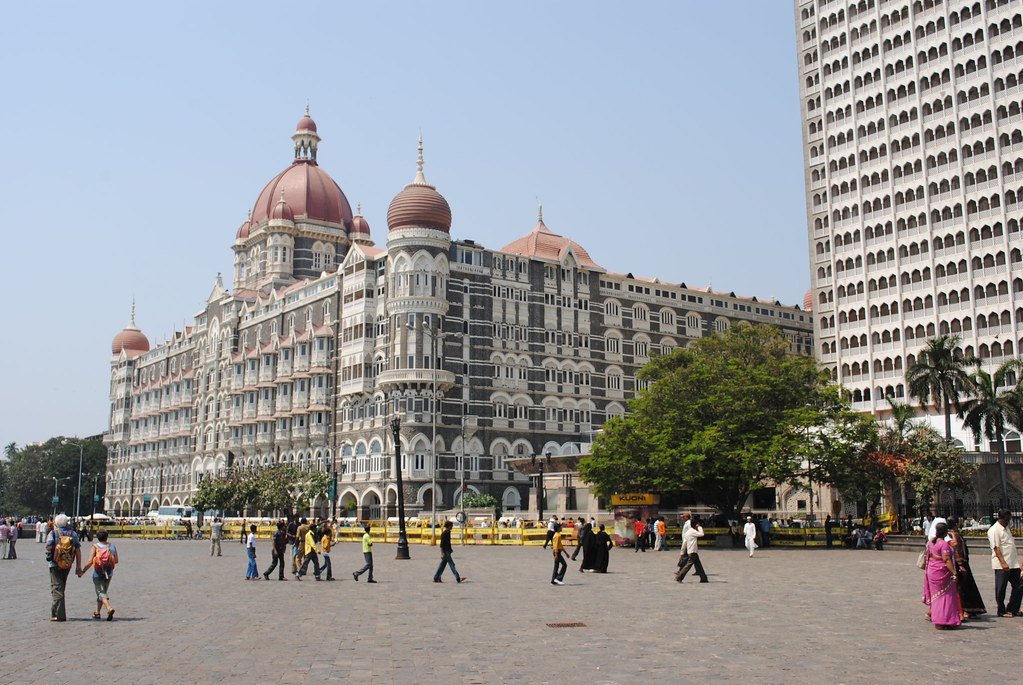
Traveling often comes with unexpected lessons, and navigating public transportation in a bustling city like Mumbai, India, is a perfect example. Mumbai, known as the financial capital of India, is a city that never seems to sleep. Its streets are alive with energy, colors, and chaos, and its transportation network is both a marvel and a challenge for any traveler. What I initially expected to be a straightforward experience turned out to be a complex journey full of learning opportunities and insights about the city, its people, and myself.
The Overwhelming Scale of Mumbai’s Transport System
Mumbai’s public transportation system is vast, comprising local trains, buses, auto-rickshaws, taxis, and the newly developed metro lines. While this network allows residents and visitors to reach virtually every corner of the city, the sheer scale can be overwhelming.
My first lesson came within hours of arriving. Local trains, known as the lifeline of Mumbai, operate at an incredible frequency but are notoriously crowded. Peak hours resemble a human tide, with commuters packed shoulder to shoulder. Boarding the train required patience, timing, and sometimes, a bit of bravery. I quickly realized that planning around rush hour was not just a suggestion—it was a necessity for sanity and safety.
Understanding Local Etiquette
Navigating Mumbai’s transport isn’t just about routes and schedules; it’s also about understanding local etiquette. On trains, women have designated compartments, and respecting these boundaries is essential. On buses, passengers often push forward as the vehicle slows down, creating a dynamic that might seem chaotic to outsiders but is surprisingly efficient once observed.
This aspect taught me an important travel lesson: observing before acting is key. By taking the time to watch how locals interact with the system, I avoided confusion, misunderstandings, and, at times, embarrassment. Travel challenges often carry subtle cultural lessons, and Mumbai’s public transportation exemplifies this perfectly.
The Language and Communication Barrier
While English is widely spoken in Mumbai, many public transportation signs, announcements, and ticket counters are in Marathi or Hindi. Initially, this posed a communication challenge. Asking for directions or verifying my stops often required a mix of gestures, patience, and a willingness to embrace the unknown.
Through this, I learned that navigating language barriers is an essential travel skill. Instead of relying solely on technology or assuming understanding, I adapted by carrying a small phrasebook, using translation apps, and simply asking locals for help. Surprisingly, most people were willing to guide me, showing that empathy and patience transcend language.
The Challenge of Unpredictable Delays
Another lesson came from experiencing the unpredictable nature of Mumbai’s traffic and train schedules. While trains are mostly punctual, delays do occur, and buses often get stuck in the city’s notorious traffic jams. Learning to manage time and expectations became essential.
This taught me flexibility. Travel rarely goes perfectly according to plan, and the sooner you accept this, the more enjoyable the experience. I found that carrying water, snacks, and a charged phone allowed me to remain comfortable during unforeseen delays, turning potentially frustrating moments into opportunities for observation and reflection.
Learning Through Observation and Interaction
One of the most enriching aspects of navigating Mumbai’s public transportation was the human interaction. From sharing a train compartment with strangers to engaging in brief conversations on buses, these moments provided insights into daily life in the city.
I observed how commuters multitask—reading, working on their laptops, or chatting with friends—while maintaining a sense of personal space in a crowded environment. It taught me the resilience and adaptability of city dwellers, and inspired me to be more patient, considerate, and resourceful in my own approach to challenges.
Embracing Technology and Local Tools
Apps like Google Maps, local train schedule apps, and digital ticketing systems were invaluable. They simplified route planning, fare calculations, and real-time tracking. Yet, relying solely on technology was not enough. Often, local knowledge—like shortcuts, less crowded train cars, or optimal boarding points—proved more reliable than any app.
From this, I learned to balance modern tools with on-the-ground observation. Technology is helpful, but direct experience and attentiveness are irreplaceable lessons when navigating a complex urban environment.
Reflecting on the Experience
By the end of my journey, I realized that navigating Mumbai’s public transportation was more than just a logistical challenge—it was a test of adaptability, patience, and cultural awareness. Each train ride, bus trip, and auto-rickshaw journey offered small lessons about resilience, humility, and the value of human connection.
The city’s chaotic energy taught me that challenges often come with hidden rewards. Struggling to find the right platform or waiting through a traffic jam transformed into moments of reflection, observation, and even humor. In the process, I not only became more confident in navigating public systems but also gained a deeper appreciation for the rhythms and resilience of Mumbai itself.
Conclusion
Travel challenges, especially in a city as complex as Mumbai, are not just obstacles—they are opportunities for growth. From understanding local etiquette to managing unexpected delays, navigating public transportation taught me practical skills, cultural insights, and personal lessons that extend beyond travel.
If you plan to explore Mumbai, embrace the chaos, observe carefully, and remain adaptable. The city’s transportation system may be challenging, but it also provides one of the most authentic ways to experience the life and spirit of Mumbai. In every delay, crowded train, and spontaneous interaction, there are lessons waiting to be learned, making the journey as memorable as the destination itself.