Mountains have always fascinated adventurers and nature enthusiasts alike, and Mount Rinjani in Indonesia is no exception. Known for its breathtaking landscapes, this volcano offers a mesmerizing blend of towering peaks, lush forests, and pristine lakes. According to travel surveys, thousands of hikers and nature lovers flock to Rinjani every year to experience its unique charm, from cascading waterfalls to rare flora and fauna. Whether you are planning a challenging climb or a serene exploration of its surroundings, Mount Rinjani promises an unforgettable experience for every visitor.
Location of Mount Rinjani
Mount Rinjani is located in the Aikmel sub-district of East Lombok Regency, within the province of West Nusa Tenggara, Indonesia. Geographically, the volcano sits at approximately 8°25′ South Latitude and 116°28′ East Longitude. The mountain is part of a conservation area managed by the Mount Rinjani National Park, ensuring the preservation of its pristine ecosystems. Its strategic location and protected status make it an ideal destination for eco-tourism and trekking enthusiasts seeking a blend of adventure and natural beauty.
The Allure of Mount Rinjani
Majestic Natural Features
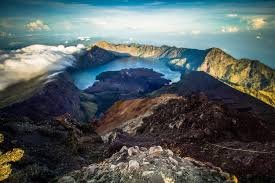
Rising to an impressive height of 3,726 meters above sea level, Mount Rinjani is the second-highest volcano in Indonesia. Its slopes are covered with dense forests and shrubs spanning around 76,000 hectares, creating a verdant backdrop for outdoor exploration. At its crater, which measures approximately 10 kilometers in diameter, lies the iconic Segara Anak Lake. Shaped like a crescent moon and situated at an altitude of 2,000 meters, this lake feeds into steep valleys, forming stunning waterfalls that add to the area’s visual appeal. Many visitors enjoy fishing in Segara Anak Lake, home to species such as carp and tilapia, while the surrounding areas are popular camping spots.
Rich Biodiversity
Beyond its scenic views, Mount Rinjani boasts remarkable biodiversity. Hikers and wildlife enthusiasts can encounter rare and endemic species, including the Edelweiss flower, exotic orchids, the Rinjani owl (Celepuk Rinjani), the Rinjani civet, Timor deer, Lutung Budeng, and the Flores eagle. This unique ecosystem adds an educational and ecological dimension to any visit, making Rinjani not only a trekking destination but also a haven for nature research and photography.
Hiking Trails of Mount Rinjani
Mount Rinjani offers several trekking routes, each providing a distinct adventure and a different perspective of the mountain.
Sembalun Route
The Sembalun trail is often preferred by hikers because it reduces approximately 700 meters of elevation gain, though the path is longer. This route traverses expansive savannahs and offers breathtaking panoramic views. Along the way, hikers pass three rest stops before facing a steep 60-degree incline. The Sembalun trail is ideal for those who want a balance between challenging ascents and scenic landscapes.
Senaru Route
Alternatively, the Senaru trail winds through dense tropical forests and features a steeper climb. Hikers encounter three rest stops before reaching the Pelawangan post, which typically serves as a camping area. The lush forest canopy, combined with the rugged terrain, provides a sense of immersion in nature, making it a favorite among experienced trekkers seeking a more secluded experience.
Tourist Attractions Along the Trekking Routes
While reaching the summit is undoubtedly rewarding, visitors can also enjoy numerous attractions at the base and along the trails. Exploring these sites can enrich the trekking experience or serve as a relaxing detour before or after a climb.
Tetebatu Village
Located in East Lombok, Tetebatu Village is well-known among both local and international travelers. Surrounded by vibrant green rice fields, the village offers scenic walks and photo opportunities. Nearby, the Ulem Ulem Valley features the Ulem Ulem Waterfall, often enveloped in morning mist for a magical ambiance. Visitors can also enjoy boating in the reservoir or camping in the valley for a more immersive experience.
Sembalun Village
Sembalun Village lies along the traditional climbing route and is famous for its Selong Hill. The hill provides stunning views of verdant rice terraces set against rolling hills. Travelers can also drive along winding roads to the Pusuk Sembalun Nature Park, which offers panoramic views of the mountain’s forested slopes and cliffs. Visitors should exercise caution, however, as wild monkeys inhabit the area.
Timbanuh Route and Blue Lagoon
For those taking the Timbanuh trail, nearby Desa Pesanggrahan features Joben Eco Park, where visitors can participate in camping, outdoor activities, and conservation education. Additionally, the Blue Lagoon in Desa Perian offers a tranquil setting created by a spring-fed dam. This spot is perfect for relaxation before embarking on the demanding climb.
Torean Route: Caves and Waterfalls
The Torean trail offers unique hot springs ideal for soaking and relaxing. Hikers can also visit Susu Cave, notable for its water-dripping stalactites, making it a scenic camping location. Another highlight is the Penimbungan Waterfall, approximately 100 meters high, which appears especially mystical when shrouded in mist.
Aik Berik Village
For those seeking more waterfalls, Aik Berik Village features Benang Stokel Waterfall, cascading around 30 meters and resembling clustered threads, and Benang Kelambu Waterfall, emerging from crevices among dense vegetation. Both sites are accessible via descending steps and provide an enchanting experience for nature lovers.
Tips for Climbing Mount Rinjani
- Conduct Research: Read articles or watch videos about Rinjani to familiarize yourself with the conditions and challenges.
- Physical Preparation: Strengthen your stamina with light exercises like jogging to endure long treks.
- Choose the Right Season: June, July, and August are ideal for climbing, with generally clear and safe weather.
- Bring Proper Gear: Equip yourself with a tent, hiking boots, sleeping bag, backpack, raincoat, and a survival kit. Carry a trash bag to maintain cleanliness.
- Understand the Terrain: Each trail presents unique challenges, so study the routes beforehand.
- Hike with a Group or Guide: Hiring a trekking operator and porter ensures safety and assistance during the climb.
- Prepare Food and Medication: Pack lightweight, practical food like bread or instant meals, and carry personal medicines.
- Health Check: Consult a doctor if you have any pre-existing conditions before attempting the climb.
- Respect Local Customs: Follow local beliefs and traditions, avoiding disrespectful behavior during your visit.
- Register Online: Use apps like eRinjani to register, check quotas, and pay entry fees before the hike.
Conclusion
Mount Rinjani stands as one of Indonesia’s most spectacular natural landmarks, combining the thrill of adventure with serene beauty. From its majestic crater lake and waterfalls to the rich biodiversity and captivating villages along the trails, the mountain offers experiences for hikers, photographers, and nature enthusiasts alike. By preparing adequately, respecting local customs, and exploring both the summit and its surrounding attractions, visitors can create lasting memories in one of Indonesia’s most treasured natural wonders. For anyone seeking a combination of challenging climbs, cultural immersion, and breathtaking landscapes, Mount Rinjani is undeniably a must-visit destination.