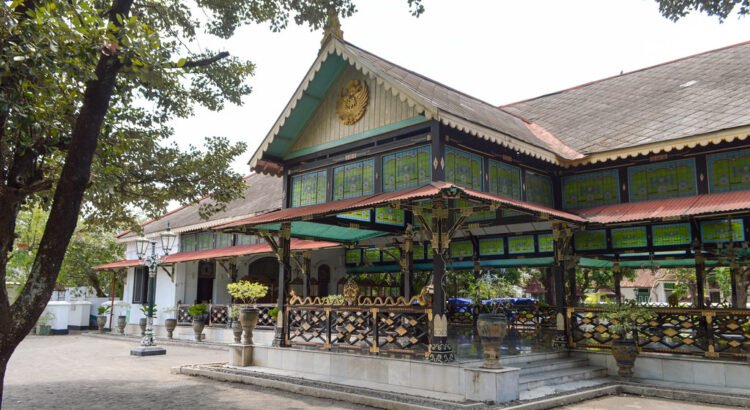
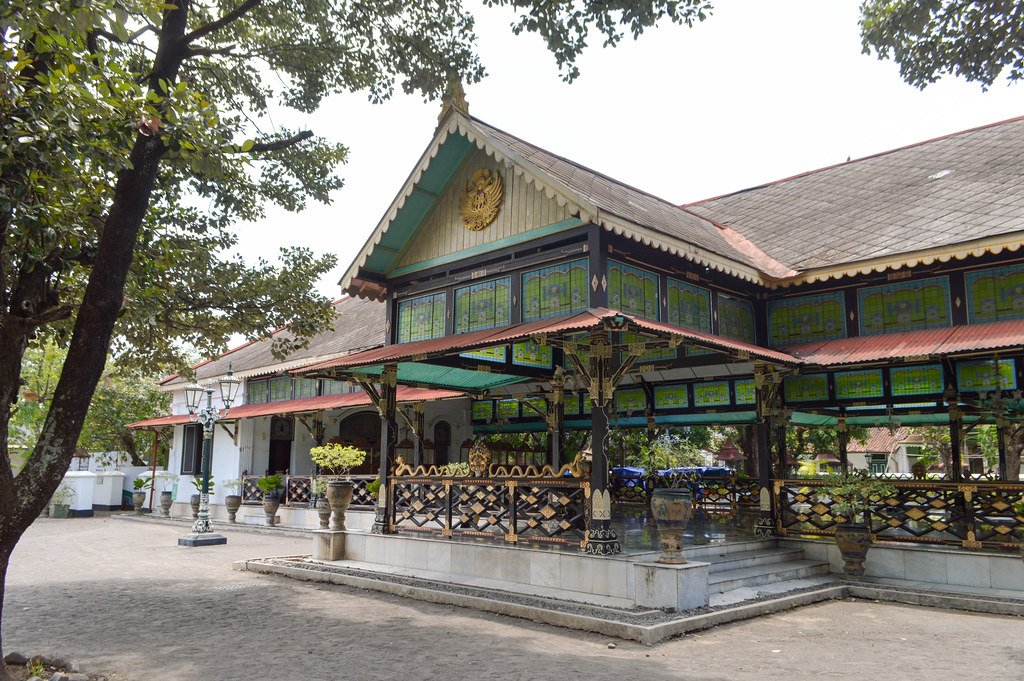
A visit to Yogyakarta is incomplete without exploring the Kraton Yogyakarta, the royal palace of the Sultanate of Ngayogyakarta Hadiningrat. The Kraton remains an active center of royal life, where traditional ceremonies and customs continue to be observed. While it is a sacred site, it has also become a popular tourist destination, attracting visitors eager to witness the rich Javanese culture and history preserved within its walls. Visitors can explore not only the architectural grandeur of the palace but also a variety of historical collections displayed in the on-site museum.
Architectural Beauty of Kraton Yogyakarta
Design and Origins
The Kraton Yogyakarta is regarded as one of the finest examples of Javanese palace architecture. Its design was masterminded by Sri Sultan Hamengkubuwono I, the founder of the Yogyakarta Sultanate. Historical accounts suggest that the Sultan’s architectural expertise was even acknowledged by Dutch scholars of the era. Construction began in 1755–1756, blending influences from Portuguese, Dutch, and Chinese architectural styles.
Located near Malioboro Street, the palace complex was strategically designed to integrate important centers such as Kepatihan, the administrative hub, and Pasar Gedhe, the local marketplace. Over the years, subsequent Sultans added more buildings, with much of the current palace structure resulting from renovations led by Sri Sultan Hamengkubuwono VIII.
Main Attractions of Kraton Yogyakarta
Spanning approximately 1.4 hectares, the Kraton is divided into three main zones: front, core, and rear complexes.
Front Complex
The front section of the Kraton features the main gate (Gladhjak-Pangurakan), the Alun-alun, and the Masjid Gedhe, offering visitors a glimpse into the ceremonial and social life of the palace.
Core Complex
The core area consists of seven plataran (courtyards), including Alun-Alun Utara and Alun-Alun Selatan, along with Pagelaran, Sitihinggil Lor, Kamandungan Lor, Srimanganti, Kedhaton, Kemagangan, Kamandungan Kidul, and Sitihinggil Kidul. These spaces were historically used for administrative, ceremonial, and residential purposes.
Rear Complex
The rear part of the palace houses the Plengkung Nirbaya and Alun-Alun Kidul, a popular spot for evening tourism in Yogyakarta. Additionally, the Kraton area encompasses other historical sites such as Taman Sari, the palace garden, and Benteng Vredeburg, a fort rich in colonial history.
Key Sites Within Kraton Yogyakarta
Kedhaton
The Kedhaton serves as the central hub of palace activities. Visitors can explore historic buildings that retain the grandeur of past eras while observing the ongoing cultural life of the Sultanate.
Museum Kereta
The Museum Kereta displays royal artifacts and transportation history, featuring over 23 ornate carriages, reflecting the majesty of the Sultanate. This museum provides deep insight into the royal lifestyle and ceremonial traditions.
Taman Sari
Built in 1757 by Sultan Hamengkubuwono I, Taman Sari combines Javanese and Portuguese architectural influences. It once served as a recreational and resting place for the royal family, with its tranquil pools and elegant structures captivating all visitors.
Visiting Hours and Ticket Information
Kraton Yogyakarta has different operating hours for each site:
- Kedhaton: Tuesday to Sunday, 08:00–14:00
- Museum Kereta: Tuesday to Sunday, 09:00–15:00
- Taman Sari: Daily, 09:00–15:00
Ticket prices vary by area and visitor nationality:
| Attraction | Domestic Adult | Domestic Child | International Adult | International Child |
|---|---|---|---|---|
| Kedhaton | IDR 15,000 | IDR 10,000 | IDR 25,000 | IDR 20,000 |
| Museum Kereta | IDR 20,000 | IDR 15,000 | IDR 30,000 | IDR 25,000 |
| Taman Sari | IDR 15,000 | IDR 10,000 | IDR 25,000 | IDR 20,000 |
Children tickets are valid for ages 2–12, while adults are 13 and older. Infants below 2 enter for free. Preparing for these fees ensures a smooth visit to the cultural heart of Yogyakarta.
Tips for Visiting Kraton Yogyakarta
To maximize the experience, consider the following tips:
- Health and Preparedness: Ensure you and your family are in good health. Adequate rest and nutrition before the visit will make the tour more enjoyable.
- Travel Essentials: Bring a camera or smartphone to capture memorable moments within the palace complex.
- Learn and Observe: Take time to understand the historical explanations of exhibits and palace structures. Note important facts to enhance your appreciation of Javanese culture.
- Respect and Cleanliness: Adhere to all palace regulations, refrain from touching or defacing artifacts, and maintain proper behavior to protect the heritage.
Experiencing Living Culture in Yogyakarta
Visiting Kraton Yogyakarta offers more than a historical perspective; it allows travelers to witness the living culture of the region. From the majestic Bangsal Sitihinggil, where official ceremonies are held, to the unique sand of the palace grounds sourced from Parangtritis Beach, every detail reflects the Sultanate’s vibrant heritage. The palace showcases the continuity of Javanese traditions, offering insights into royal life while highlighting architectural mastery and cultural sophistication.
Conclusion
A cultural and city tour in Yogyakarta would be incomplete without a visit to Kraton Yogyakarta. The palace offers an immersive journey through Javanese history, architecture, and royal traditions, complemented by museums, gardens, and historic sites. From exploring the grandeur of Kedhaton and the historical richness of the Museum Kereta to enjoying the serene beauty of Taman Sari, visitors gain a profound understanding of living heritage. By following simple travel tips and appreciating the preserved cultural treasures, every visitor can enjoy a meaningful and unforgettable experience. Kraton Yogyakarta not only opens a window to the past but also celebrates a culture that thrives in the present, making it an essential destination for anyone exploring Indonesia’s cultural and city tours.