Travel is not only about visiting famous landmarks or relaxing on picturesque beaches; it is about diving into the heart of a culture and engaging with its unique customs. One of the most extraordinary cultural experiences in Spain is La Tomatina, the world-famous tomato-throwing festival held annually in the town of Buñol. This lively event draws thousands of participants from around the globe, offering a chaotic yet unforgettable encounter with Spanish culture. Experiencing La Tomatina provides travelers with insight into the country’s sense of humor, community spirit, and willingness to celebrate life in unexpected ways.
Understanding La Tomatina
Origins of the Festival
La Tomatina dates back to the mid-20th century, originating from a spontaneous food fight during a local festival in Buñol. Over time, the tomato battle became an official event held on the last Wednesday of August each year. Participants gather in the streets to throw overripe tomatoes at one another, creating a massive, vibrant spectacle. Though it may appear chaotic to outsiders, the festival is carefully organized with safety regulations and crowd management, reflecting Spain’s dedication to preserving its quirky traditions while ensuring a fun experience for everyone.
Cultural Significance
While La Tomatina may seem purely recreational, it also embodies deeper aspects of Spanish culture. The festival emphasizes communal participation, collective enjoyment, and letting go of inhibitions. It encourages people of all ages and backgrounds to come together, temporarily shedding social norms and celebrating spontaneity. For travelers, this festival is a unique opportunity to observe how cultural identity can be expressed through playful, unstructured interactions, offering a fresh perspective on what it means to be part of a community.
The La Tomatina Experience
Preparation and Arrival
Participating in La Tomatina requires preparation. Thousands of participants arrive in Buñol well before the event, many wearing old clothes, goggles, and gloves to protect themselves from tomato juice and pulp. Local authorities prepare the tomatoes and enforce safety measures, while vendors and musicians add to the festive atmosphere. For travelers, arriving early provides a chance to soak in the excitement, interact with locals and fellow visitors, and observe pre-festival rituals that contribute to the overall experience.
The Tomato Battle
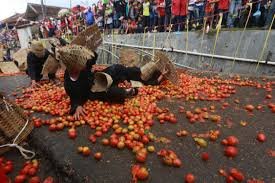
The highlight of La Tomatina is the hour-long tomato fight itself. Trucks unload tons of ripe tomatoes into the crowd, and participants eagerly begin hurling them at one another. The streets become a sea of red, with laughter, shouting, and playful chaos dominating the scene. Although the event is physically messy, it is conducted with unwritten rules that promote safety and fun, such as squashing tomatoes before throwing them to avoid injuries. This combination of spontaneity and structure makes La Tomatina a truly unique cultural encounter for travelers, offering both exhilaration and insight into Spanish festival culture.
Music, Food, and Social Interaction
Beyond the tomato fight, La Tomatina is a multi-sensory experience. Music blares from speakers, local bands perform, and street vendors sell traditional Spanish foods and drinks. Participants mingle, share laughter, and forge connections with people from around the world. This aspect of the festival highlights the social and communal nature of Spanish celebrations, emphasizing the importance of shared joy, cultural exchange, and human connection. Observing or joining in these interactions allows travelers to understand how festivals serve as a platform for cultural expression and social bonding.
Lessons from La Tomatina
Embracing Spontaneity
One of the key takeaways from La Tomatina is the value of embracing spontaneity and letting go of control. The festival encourages participants to step out of their comfort zones, interact with strangers, and immerse themselves in a whirlwind of color, laughter, and chaos. Travelers who engage fully with the event often leave with a renewed sense of freedom, playfulness, and appreciation for unstructured communal experiences.
Cultural Respect and Participation
While La Tomatina is lighthearted, participating respectfully is essential. Observing local customs, following safety instructions, and engaging in the festival with a positive attitude allows travelers to enjoy the event fully while honoring the community’s traditions. This encounter underscores the broader lesson that cultural experiences are most rewarding when approached with curiosity, respect, and an open mind.
Conclusion
La Tomatina in Buñol, Spain, is far more than a playful food fight; it is a vivid cultural encounter that celebrates community, spontaneity, and shared joy. Experiencing this festival allows travelers to immerse themselves in a unique tradition that blends chaos with camaraderie, offering insight into the Spanish approach to celebration and social bonding. Beyond the fun of throwing tomatoes, La Tomatina teaches valuable lessons about embracing spontaneity, connecting with others, and participating in cultural rituals with respect and enthusiasm. For those seeking a truly memorable and distinctive cultural experience, La Tomatina provides a vibrant, immersive adventure that captures the essence of Spain’s festive spirit.