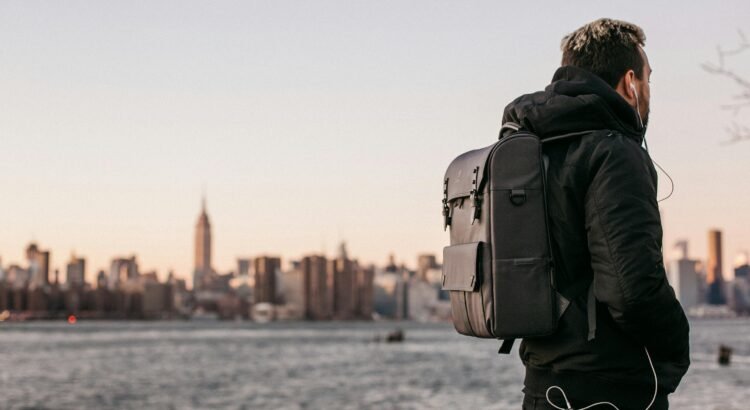
Selecting the right backpack is one of the most crucial decisions when planning a trip. The wrong size, material, or design can turn your adventure into a struggle. A backpack that’s too large can become heavy and cumbersome, while one that’s too small won’t hold all your essentials. Choosing the wrong material may leave your belongings soaked during unexpected rain.
Today, travelers have a staggering variety of backpacks to choose from, which can make the selection process overwhelming. Yet, there’s a method to identify the best travel backpack for your needs. Through careful research and practical testing, you can find a bag that is durable, comfortable, and tailored to your travel style.
Having personally spent weeks searching for my first backpack, testing dozens of options both online and in stores, I can confidently say that investing the time upfront pays off. My first travel backpack lasted eight years—only lost due to airline mishandling—not because it wore out.
In this guide, you’ll learn exactly what to look for when buying a backpack, which brands are trusted, and where to purchase them, saving you countless hours of trial and error.
Key Features of a High-Quality Travel Backpack
When choosing a backpack, durability, functionality, and comfort should be top priorities. Here are the essential features to look for:
Water-Resistant Material
While your backpack doesn’t need to be fully waterproof unless embarking on extended treks, it should be made from water-resistant fabric. This protects your belongings from light rain or accidental spills. Durable nylon or treated fabrics work best, allowing you to handle minor wet conditions without worrying about soaking your items. Ideally, a quality backpack can withstand a small amount of water without penetrating the interior.
Lockable Zippers
Security is another vital consideration. Look for backpacks with dual zippers on each compartment that can accommodate locks. TSA-approved locks are particularly useful for air travel, allowing airport personnel to inspect your bag without damaging the lock. For travelers carrying expensive equipment, consider anti-theft backpacks such as Pacsafe, which are engineered to deter theft.
Multiple Compartments
Organizational capacity is essential for keeping items accessible and neat. A good backpack offers various compartments for clothes, shoes, toiletries, laptops, and accessories. Packing cubes can further enhance organization, helping you maximize space while keeping everything orderly.
Padded Hip Belt
Most of the weight in a loaded backpack rests on your hips. A well-padded, adjustable hip belt distributes the load evenly, reducing strain on your lower back. Some models include zippered pockets on the belt for quick access to small items like cash, bus tickets, or snacks.
Comfortable Shoulder Straps
Thick, high-quality padding on shoulder straps improves comfort, prevents pressure points, and helps maintain balance. Testing a backpack in-store by loading it with weight ensures you experience how it feels on your shoulders under realistic conditions.
Contoured Back Panel
A contoured or lumbar-style back panel supports natural spinal curves and provides ventilation to keep your back cool. This ergonomic design reduces fatigue, especially on long walks or hikes, making your travel experience much more enjoyable.
Front Loading vs. Top Loading
Backpacks with front-loading designs allow easy access to all contents without unpacking everything. Top-loading bags are less convenient for frequent access and may require more time to retrieve items at the bottom of the bag. A combination of top and front openings offers the best of both worlds, while a single opening should generally be avoided.
Determining the Right Size
Backpack size should be proportional to your body and travel style. Common capacities range from 40 to 60 liters for most travelers. A bag that is too large or too small can affect balance, cause back pain, and make movement cumbersome.
For example:
- A 40–45 liter backpack is suitable for carrying on a plane as personal luggage.
- Larger backpacks may require checked baggage, incurring additional fees with low-cost airlines.
Consider packing only essentials, such as clothing for 7–10 days, washing as needed, and leaving unnecessary bulk behind. The goal is to have a backpack that holds what you need comfortably with a bit of extra space. Always try the backpack in-store or with a realistic load at home to ensure proper fit and comfort.
Backpack or Suitcase?
For long-term or multi-destination travel, backpacks are generally more practical than suitcases. Unlike rolling luggage, backpacks are easier to carry up stairs, navigate crowded streets, and fit into small spaces. Suitcases are best for short stays or single-location trips.
If you need a hybrid solution, some hard-shell backpacks with wheels combine both features, but personal preference often leans toward traditional backpacks for flexibility and convenience.
Budgeting for Your Backpack
Backpacks vary widely in price, typically ranging from $99 to $300 USD. Mid-range bags usually cost around $199 USD and provide ample features for most travelers. Expensive backpacks often include specialized outdoor equipment or heavy-duty materials not necessary for standard travel. It’s best to choose a backpack based on function and comfort rather than solely brand or price.
Recommended Travel Backpacks
Some of the author’s top travel backpack picks include:
- Osprey Farpoint 40 / Fairview (Women) – Lightweight, front-loading, versatile carry options. 38–55L.
- Osprey Porter 46 – Front-panel access, padded hip belt, ideal for medium-length trips. 46L.
- NOMATIC 40L – Waterproof, modular compartments, convertible to duffel.
- Pacsafe Venturesafe EXP45 – Anti-theft features, padded straps, secure compartments.
- REI Flash 55 – Lightweight, excellent hip support, ventilated back panel. 53–57L.
- REI Traverse 60 – Balanced weight distribution, hydration-compatible, top panel converts to daypack.
- Peak Designs Travel 45L – Expandable from 30L to 45L, multiple pockets, sustainable materials.
Where to Buy Your Travel Backpack
Recommended retailers include:
- REI – Extensive selection, knowledgeable staff, excellent return policy.
- EMS – Outdoor gear specialists with friendly service.
- MEC (Canada) – Ideal for Canadian residents.
- GO Outdoors (UK) – Best for UK-based travelers.
Trying backpacks in-store allows hands-on testing and expert guidance, but online ordering with home testing is also feasible if return policies are clear.
Conclusion
Choosing the right backpack requires careful consideration of size, comfort, durability, and security. A well-selected backpack ensures convenience, protects your belongings, and enhances your travel experience. By prioritizing these factors and testing backpacks before purchase, you can invest in a reliable bag that will last for years and accompany you on countless adventures.
A good backpack is more than a travel accessory—it’s an essential partner on every journey. Make your choice wisely, and your backpack will reward you with comfort, practicality, and years of dependable use.