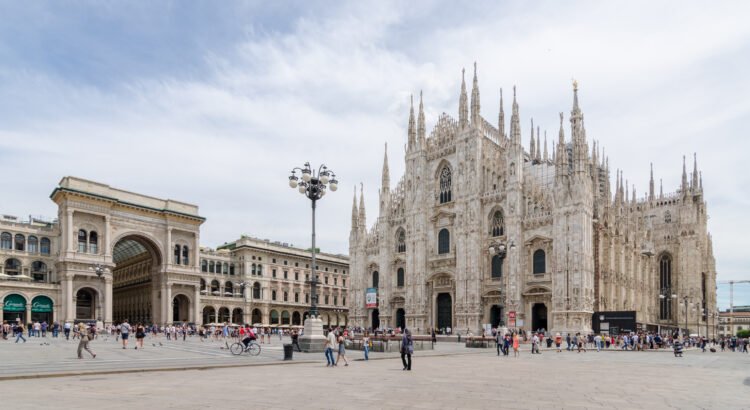
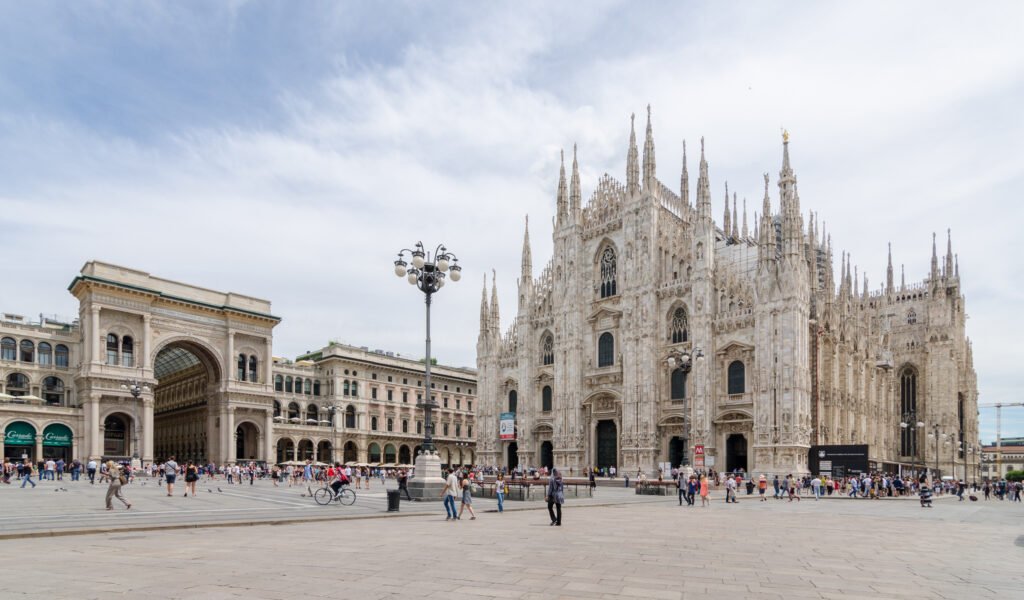
A visit to Milan, Italy, is incomplete without exploring the magnificent Galleria Vittorio Emanuele II, located adjacent to the iconic Duomo. Often described as the world’s first shopping mall, the Galleria is much more than a retail destination. It represents a historical and architectural masterpiece that has become an emblem of Milanese elegance and sophistication. From its stunning glass ceiling to the intricate mosaics underfoot, the Galleria tells stories of Italy’s past, intertwining commerce, culture, and tradition.
Whether you are an architecture enthusiast, a history lover, or a traveler seeking the perfect Instagram-worthy spot, the Galleria offers a wealth of experiences. Its legacy is not only in the stores and cafes that occupy the space but also in its enduring role as a social and cultural hub for the city.
Historical Background
Construction and Inauguration
The Galleria Vittorio Emanuele II was constructed between 1865 and 1877, making it one of the oldest shopping arcades in continuous operation worldwide. Its design combines iron and glass in a grand vaulted ceiling, creating a sense of openness and luminosity. Named after the first king of a unified Italy, Vittorio Emanuele II, the Galleria symbolizes the country’s modernization and the optimism of the 19th century. Its construction marked a turning point in urban design, blending luxury, commerce, and public space in an unprecedented manner.
The Architect’s Tragic Fate
Giuseppe Mengoni, the Galleria’s principal architect, did not live to see his vision completed. Tragically, he fell from the central dome just days before the grand opening, leaving the project finished by others but forever tied to his legacy. Despite the untimely death of its creator, the Galleria remains a testament to Mengoni’s brilliance and continues to influence architectural design in Italy and beyond.
Architectural Features
Luxurious Interior Design
From its inception, the Galleria was intended to radiate luxury. Visitors are greeted by soaring glass and iron ceilings, delicate frescoes, and elaborately tiled floors. The arcade houses high-end fashion boutiques such as Prada and Louis Vuitton, alongside classic restaurants that embody Milanese elegance. Even without purchasing anything, one can appreciate the grandeur of the interiors and the atmosphere of refinement that permeates the space.
Symbolic Mosaic Floors
The Galleria’s floors are adorned with mosaics representing major Italian cities. The lily signifies Florence, the red cross represents Milan, Romulus and Remus symbolize Rome, and the bull stands for Turin. A fascinating tradition has emerged around the bull mosaic: locals and tourists alike spin on the bull’s genitals for good luck, a ritual that has become a daily practice and requires frequent restoration of the mosaic due to wear. This charming custom connects visitors to Milanese culture in a playful and memorable way.
Cultural Significance
A Witness to Italian History
Beyond its commercial purpose, the Galleria has been a gathering place for intellectuals, artists, and politicians, particularly during the Risorgimento—the period of Italy’s unification. The arcade has witnessed crucial historical moments, including damage during World War II bombings, yet it was meticulously restored to preserve its architectural grandeur. Today, it stands as both a symbol of Milanese resilience and a living monument to Italy’s cultural evolution.
Iconic Appearances in Film
The Galleria’s elegance has made it a favorite location for filmmakers. Its cinematic appeal is evident in movies such as The Talented Mr. Ripley and Ocean’s Twelve, where the arcade’s historical charm and classic European atmosphere provide a perfect backdrop. The combination of natural light, architectural symmetry, and decorative elements makes the Galleria an enduring muse for visual storytelling.
Visitor Experiences
Rooftop Views
A highlight for many visitors is the rooftop terrace of the Galleria. From this vantage point, one can enjoy panoramic views of Milan, including the Duomo, the Royal Palace, and the city’s historic rooftops. The terrace offers a unique perspective of Milan’s architectural landscape and even provides opportunities for a romantic or casual picnic, combining sightseeing with leisure.
Window Shopping and Dining
Even without spending, visitors can indulge in the sensory experience of the Galleria. High-end fashion boutiques and gourmet restaurants line the arcade, offering glimpses of Milanese style and cuisine. Walking through the Galleria, observing the mix of modern luxury and historic design, is an immersive experience in itself.
Traditions and Local Culture
Engaging with local customs, such as the bull mosaic ritual, adds another layer of cultural immersion. This small act connects visitors to centuries of tradition and reflects the playful and enduring spirit of Milanese society. The Galleria also serves as a venue for seasonal events, art exhibitions, and musical performances, keeping the space vibrant and alive with activity.
Conclusion
Galleria Vittorio Emanuele II is far more than a shopping arcade. It is a historical landmark, a cultural center, and an architectural marvel that continues to enchant visitors from around the world. Its combination of luxurious interiors, symbolic mosaics, and historical significance makes it a must-visit destination in Milan. Whether marveling at the glass dome, participating in age-old traditions, or enjoying the rooftop views of the city, visitors leave with a deeper appreciation for Milan’s rich cultural tapestry. The Galleria stands as a timeless testament to the intersection of commerce, art, and history, offering experiences that remain relevant and inspiring more than a century after its completion.