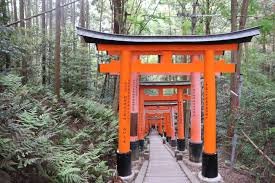
Kyoto is home to many historic temples and shrines, but few are as iconic as Fushimi Inari Taisha. Famous for its endless rows of bright orange torii gates, this sacred Shinto site attracts millions of visitors each year. Walking through the vibrant pathways feels like stepping into a magical corridor, making it one of the most unforgettable experiences in Japan.
More than just a striking tourist attraction, Fushimi Inari holds deep spiritual significance. Dedicated to Inari, the deity of agriculture, fertility, and commerce, it has been a place of worship for centuries. A visit to Kyoto would feel incomplete without experiencing its beauty and sacred atmosphere. This guide will cover its history, the highlights you shouldn’t miss, useful tips, and how to get there.
The History of Fushimi Inari Taisha
Located in the Fushimi ward of Kyoto, Fushimi Inari Taisha serves as the head shrine of all Inari shrines across Japan. It is most recognized for its thousands of vermilion torii gates, known collectively as Senbon Torii (“thousands of gates”), which line the paths leading up Mount Inari.
The shrine has a long history, with origins dating back as far as the 8th century, though many of the structures seen today were developed in later periods. In 1589, Toyotomi Hideyoshi, a powerful feudal lord, donated a large torii gate as an offering to the deity. Over the centuries, individuals and companies have continued the tradition of donating gates to pray for prosperity, resulting in more than 10,000 gates standing today.
The torii-lined trails lead up to the 233-meter-high Mount Inari, creating a mystical journey for worshippers and travelers alike. The main hall, or Honden, is the central place of prayer. Alongside, fox statues known as kitsune—believed to be messengers of the deity Inari—stand guard throughout the grounds.
Today, Fushimi Inari Taisha blends sacred tradition with aesthetic beauty. It remains a peaceful site for prayer while simultaneously serving as one of the most photographed landmarks in Japan.
Do You Need a Ticket for Fushimi Inari Taisha?
One of the best things about Fushimi Inari Taisha is that admission is completely free. The shrine is also open 24 hours a day, allowing visitors to experience it at any time. While mornings are quieter and ideal for photography, evenings provide a mystical atmosphere as the lanterns and dim lighting give the shrine an enchanting glow.
For those who prefer guided experiences, Kyoto day tours often include Fushimi Inari Taisha as part of their itinerary, making travel arrangements even simpler.
Top Photo Spots at Fushimi Inari Taisha
The Torii Gates (Senbon Torii)
The highlight of the shrine is undoubtedly its tunnel of torii gates. Walking beneath these gates, painted in vivid orange-red, is a surreal experience. It’s also the most popular photo spot. Arrive early in the morning to capture the gates without large crowds in the background.
The Romon Gate
Standing at the shrine’s entrance, the Romon Gate is an impressive architectural structure. Painted in the same brilliant orange, it sets the tone for the grandeur that awaits inside. It’s also a favorite location for wide-angle photos of the shrine’s main approach.
The Main Approach and Stairs
After passing through the Romon Gate, you’ll find a stairway leading to the shrine’s inner precincts. This area not only provides excellent photo opportunities but also showcases traditional Shinto architecture. Visitors should remain respectful while taking photos, as this is an active place of worship.
The Main Hall (Honden)
The Honden, or main hall, is where worshippers come to pray for success, health, and prosperity. The serene setting, along with its photogenic traditional design, makes it another must-capture spot.
The Fox Statues (Kitsune)
Guarding the entrance and scattered throughout the grounds are numerous fox statues. These foxes are believed to be messengers of Inari. The two large statues near the main entrance are particularly popular with visitors, serving as both spiritual symbols and fascinating photography subjects.
Mount Inari Summit
For those who enjoy hiking, the trails that wind up Mount Inari lead to panoramic views of Kyoto. The climb to the summit takes about an hour, but many visitors choose to stop halfway at scenic overlooks. The view of the city framed by nature and torii gates is worth the effort.
Tips for Visiting Fushimi Inari Taisha
Choose the Best Time to Visit
To avoid the heaviest crowds, aim to visit early in the morning before 8 AM or later in the evening after 5 PM. While midday can be busy, mornings provide a peaceful atmosphere, and evenings create a spiritual ambiance with glowing lanterns.
Wear Comfortable Clothing and Shoes
The shrine grounds involve a lot of walking, including stair climbing and uphill paths. Comfortable walking shoes and breathable clothing are recommended. A hat, water bottle, or sunglasses can also make your visit more enjoyable.
Respect the Sacred Atmosphere
Fushimi Inari Taisha is not just a tourist attraction but also a religious site. Speak softly, avoid blocking pathways for photos, and follow the proper etiquette if you wish to make offerings or prayers.
Use Public Transportation
The shrine is extremely accessible by train, making public transport the most practical choice. Inari Station on the JR Nara Line is located right in front of the main gate. Alternatively, the Keihan Line also stops nearby at Fushimi Inari Station, followed by a short walk.
Avoid Peak Holidays and Festivals
During Japanese holidays like New Year and during festivals, the shrine becomes extremely crowded. While this can be part of the cultural experience, those seeking tranquility may prefer off-peak visits.
Location and Access
Fushimi Inari Taisha is located at 68 Fukakusa Yabunouchi-cho, Fushimi-ku, Kyoto. The most straightforward way to reach it is by taking the JR Nara Line from Kyoto Station to Inari Station, which is only a few minutes away. From there, the entrance to the shrine is directly visible.
Another option is the Keihan Main Line to Fushimi Inari Station, followed by a short 7–10 minute walk. Both routes are simple and convenient, allowing easy access for both local and international travelers.
Conclusion
Fushimi Inari Taisha is far more than a picturesque attraction; it is a living symbol of Japan’s spiritual traditions and cultural beauty. Its countless vermilion torii gates, historic architecture, and sacred fox statues make it one of the most captivating shrines in the country. Whether you wish to hike to Mount Inari’s summit, capture breathtaking photographs, or simply soak in the peaceful atmosphere, a visit here will leave you with lasting memories.
With free admission, 24-hour accessibility, and direct access by train, Fushimi Inari Taisha is both convenient and unforgettable. No trip to Kyoto—or Japan, for that matter—would be complete without passing through the mystical gates of this remarkable shrine.