Nestled in the central plains of Java, Surakarta—often referred to as Solo—invites travelers to step into a living tapestry of tradition, history, and artistry. This Javanese city harmoniously combines royal heritage, intricate crafts, and vibrant marketplaces with spiritual temples and culinary delights. For those with three days to spare, Surakarta offers a captivating blend of discovery, where every street, courtyard, and melody tells a story that stretches across centuries.
This three-day itinerary takes you deep into the essence of Surakarta, from its royal palaces and historic museums to its bustling markets, sacred temples, and immersive workshops. Whether you’re drawn to Javanese performing arts, the artistry of batik, or the simple joy of savoring local flavors, Solo promises experiences that linger long after your visit ends.
Day One: Immersing in Royal Traditions and Local Flavors
The Majestic Keraton Kasunanan
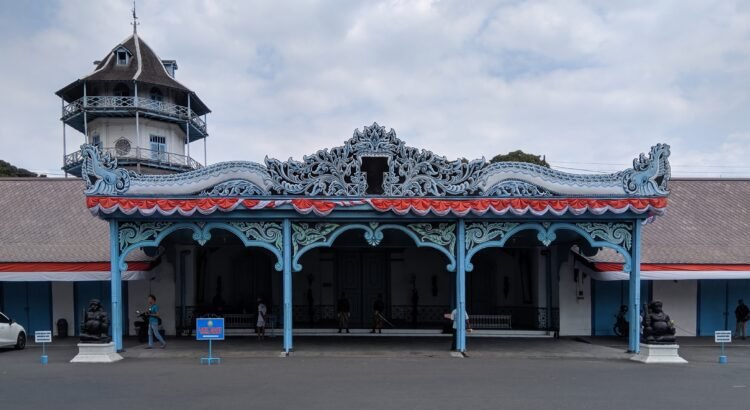
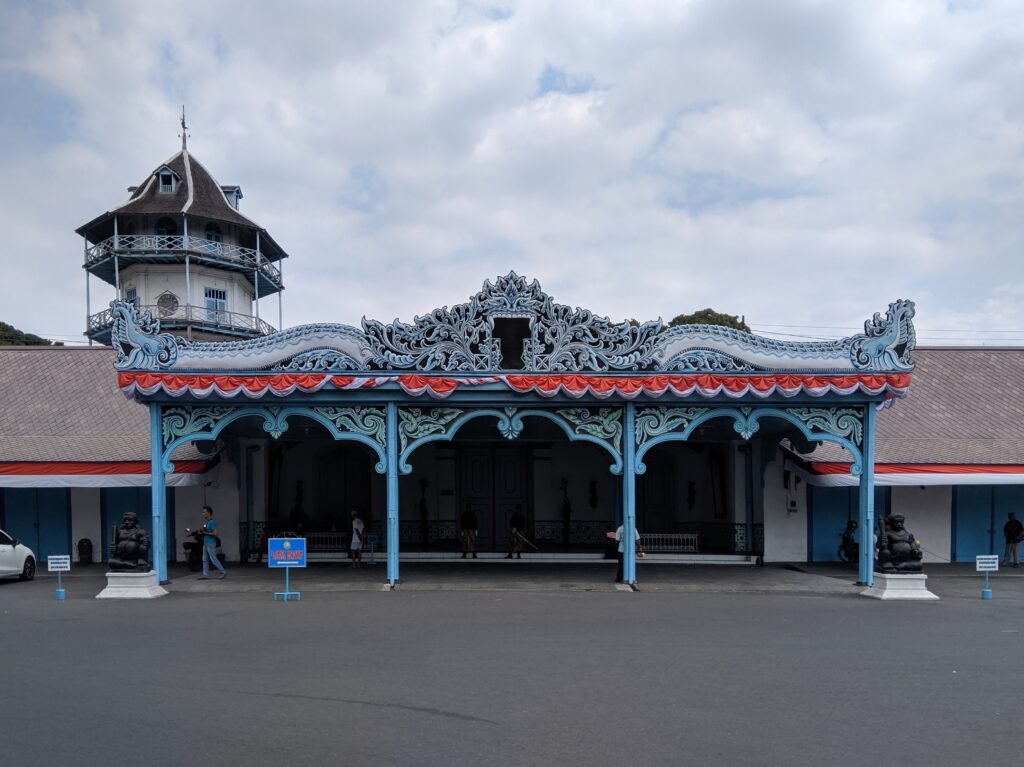
Begin your exploration at the Keraton Kasunanan, the royal palace where Javanese culture still breathes within its ornate walls. This residence of the Surakarta monarchy showcases traditional architecture adorned with elegant carvings and symbolic designs. Inside, a collection of artifacts—including royal attire, ceremonial objects, and heirlooms—unveils the legacy of Javanese nobility. The palace serves as a reminder of how traditions continue to shape daily life in Solo.
Radya Pustaka Museum: A Portal to the Past
From the palace, continue to Radya Pustaka Museum, the second-oldest museum in Indonesia. Its extensive collection ranges from ancient Javanese manuscripts and classical wayang puppets to historic relics reflecting the broader archipelago. For those fascinated by literature, culture, and the evolution of Indonesian society, this museum offers a comprehensive narrative of the past.
The Bustling Atmosphere of Pasar Gede
No visit to Solo is complete without experiencing Pasar Gede. This vibrant marketplace enchants visitors with its colonial-era architecture and lively stalls. Sample traditional snacks, browse fresh produce, and shop for handicrafts, particularly batik cloth, which has been recognized by UNESCO as part of the world’s intangible cultural heritage. Pasar Gede is not only a place to shop but also a cultural stage where everyday life in Solo unfolds.
Lunch at Warung Selat Mbak Lies
Pause for a delightful lunch at Warung Selat Mbak Lies, known for its quirky decorations and its signature dish, Selat Solo. This culinary creation blends European and Javanese influences into a savory beef stew served with vegetables and a tangy sauce—an embodiment of Solo’s fusion of tradition and innovation.
Day Two: Batik Heritage and Antique Treasures
The Batik Workshops of Laweyan
Dedicate your morning to the historic neighborhood of Laweyan, where narrow alleys lead to family-run batik workshops. Here, artisans patiently guide visitors through the intricate process of batik-making, from applying hot wax to hand-dyeing fabrics in vibrant colors. Participating in a workshop offers not only artistic satisfaction but also a deep appreciation for a craft passed down through generations.
Antique Hunting at Pasar Triwindu
Continue your journey at Pasar Antik Triwindu, a treasure trove for antique enthusiasts. From old coins and wayang figures to vintage furniture, each item tells a story of Java’s layered history. The market is a fascinating place to wander, even for those who aren’t collectors, as it reveals Solo’s enduring connection to its past.
Coffee Break at Café Tiga Tjeret
Recharge with a stop at Café Tiga Tjeret, a popular local gathering spot. Enjoy Javanese coffee and light bites in a cozy ambiance that blends modern style with traditional touches. This café exemplifies how Solo’s younger generation reinterprets tradition while maintaining authenticity.
Day Three: Sacred Temples and Evening Performances
The Mystical Cetho Temple
On your final day, venture beyond the city to Candi Cetho, a 15th-century Hindu temple perched on the western slopes of Mount Lawu. Surrounded by mist and mountain air, this temple exudes an aura of tranquility and spirituality. Its terraces and stone carvings create an atmosphere that feels both mystical and serene, offering breathtaking views of the lush landscapes below.
Kampoeng Batik Kauman
Upon returning to Surakarta, explore Kampoeng Batik Kauman, another center of batik craftsmanship. Unlike Laweyan, which is more commercial, Kauman is known for its refined, traditional batik motifs often used by royalty. Observing artisans at work here offers insight into the cultural and symbolic depth of each design. Many visitors also bring home unique fabrics as meaningful souvenirs.
Evening at Taman Sriwedari
Conclude your cultural journey with a performance at Taman Sriwedari, a historic park that hosts traditional Javanese theater and dance. Watching these performances, complete with gamelan orchestras and elaborate costumes, is an unforgettable way to connect with the city’s artistic heartbeat.
Culinary Adventures in the Evening
Street Food at Galabo
As the sun sets, head to Galabo (Gladag Langen Bogan), a bustling night food market that transforms the streets into a feast of aromas and flavors. Indulge in Sate Buntel—succulent skewered meat wrapped in fat, Nasi Liwet—a fragrant rice dish served with coconut milk and side dishes, or Gudeg Ceker, a sweet-and-savory delicacy featuring young jackfruit and chicken feet. Dining here under the open sky captures the warmth and spirit of Solo’s culinary scene.
Tips for Visiting Surakarta
Best Time to Visit
The dry season, from April to October, is ideal for exploring the city and its surroundings, with clear skies and pleasant weather.
Getting Around
Surakarta is well-connected by rail, road, and air. Within the city, becak rides and taxis provide convenient ways to explore.
Respect Local Customs
When visiting temples or the royal palace, modest attire is recommended. Respecting traditions enriches interactions with the local community.
Language
While Indonesian is widely spoken, many locals use Javanese in daily life. Learning a few simple phrases in both languages can create warmer exchanges.
Enriching Cultural Encounters
Gamelan Workshops
For those interested in music, joining a gamelan workshop offers a rare chance to play traditional instruments and experience the rhythms that define Javanese art.
Wayang Kulit Performances
Shadow puppet theater, or Wayang Kulit, provides an enchanting way to experience epic tales brought to life through artistry, music, and narration.
Traditional Dance Lessons
Participating in a dance workshop allows visitors to learn the graceful gestures of Javanese movement, an art form that blends storytelling with elegance.
Exploring Beyond the City
Sukuh and Cetho Temples
The slopes of Mount Lawu are home to ancient temples such as Sukuh and Cetho, each with unique architectural styles that contrast with the more familiar Central Javanese temple designs.
Tawangmangu Highlands
Just outside Solo, Tawangmangu offers cool air, cascading waterfalls, and scenic hiking trails, making it a perfect retreat for nature enthusiasts.
Conclusion
Surakarta is more than just a city; it is a living stage where history, tradition, and artistry coexist harmoniously. From its royal palaces and batik neighborhoods to its spiritual temples and bustling markets, every experience unveils another layer of Java’s cultural richness. Over three days, travelers can immerse themselves in rituals, crafts, performances, and flavors that bring Solo’s identity to life.
By journey’s end, you will have not only seen Surakarta but also felt its rhythm, savored its flavors, and connected with its people. It is a destination that doesn’t just showcase heritage but invites you to be part of it—an experience that stays long after the trip is over.