Flying with young children, especially toddlers, can be both exciting and challenging. I remember the first time I took my kids on an airplane back in 2016. I had three children with me, two of whom were toddlers. The experience required careful preparation to ensure that they were not overwhelmed or frightened. For children who had only seen planes flying high in the sky, stepping inside one for the first time was a magical moment.
Traveling with toddlers can become an unforgettable adventure, and with proper preparation, it can also be a calm and enjoyable experience for everyone. Based on my personal experiences, I want to share practical tips for flying with young children so that parents can navigate air travel smoothly and make it fun for their little ones.
1. Choose the Right Flight Time
Selecting the right flight time is crucial when traveling with toddlers. It is best to plan a flight during a time when your child is naturally alert and comfortable, such as in the morning. Alternatively, you can align the flight with their usual nap or sleep schedule so that they can rest during takeoff and the flight itself.
In my experience, choosing an early morning flight worked wonders. We left home before dawn while my child was still sleepy. During the flight, she slept peacefully, which made the journey far less stressful and prevented fussiness due to boredom. Observing your child’s natural rhythm and planning accordingly can significantly improve the flight experience.
2. Protect Their Ears
Air pressure changes during takeoff and landing can cause discomfort in the ears, which affects both adults and children. To prevent ear pain, using earmuffs or ear protection specifically designed for children can help. These devices help reduce pressure changes and provide a sense of comfort for toddlers who may otherwise be sensitive to the sensations in their ears.
Additionally, offering something to chew or drink during takeoff and landing—such as a bottle, snack, or lollipop—can help equalize ear pressure naturally. Combining these methods ensures that children remain comfortable throughout the flight.
3. Bring Their Favorite Toys
Young children can easily get bored during flights. Bringing along their favorite toys or comfort items can help keep them occupied and calm. Items such as stuffed animals, small action figures, or even favorite dolls can serve as distractions during long waits or periods of inactivity.
Books, coloring pads, or storybooks are also excellent for keeping toddlers engaged. Providing small activities helps them focus and remain entertained, making the flight more pleasant for both the child and the parents.
4. Pack Snacks and Drinks
Having snacks on hand is essential when traveling with toddlers. Not only do they help manage hunger, but chewing can also alleviate ear pressure during takeoff and landing. Bring a variety of child-friendly options such as crackers, fruit slices, chips, sandwiches, or other preferred snacks.
Packing snacks in a convenient, easily accessible bag ensures that you can quickly address any hunger-related fussiness. As long as the quantities are reasonable, carrying food into the cabin is allowed and can prevent unnecessary stress during the flight.
5. Select Comfortable Seating
Choosing the right seat can make a significant difference in your flying experience with children. I always prefer window seats because they provide a view that fascinates toddlers and helps keep them entertained. Even if it requires paying a little extra, the benefits of having a child engaged and enjoying the flight are worth it.
When checking in, it is possible to request preferred seating, such as the front of the plane or near a window. Airline staff often accommodate such requests if seats are available. Comfort and visibility can transform the flight from a potentially stressful experience into a memorable adventure.
6. Prepare Your Child in Advance
Before the trip, explain the process to your toddler in simple terms. Talk about the airplane, the boarding procedure, and what they can expect during takeoff and landing. Familiarizing them with these steps helps reduce fear and anxiety. In our experience, simply letting them know what would happen made the children more confident and excited about the journey.
Repetition and gentle guidance can help children anticipate and adapt to the flying experience. Making it a fun and informative conversation can reduce surprises and ensure they feel more in control.
7. Maintain a Relaxed Attitude
Children often pick up on their parents’ emotions. Staying calm and positive during the journey can influence your toddler’s behavior. Even if minor hiccups occur, approaching the situation with patience and a lighthearted attitude can prevent unnecessary stress.
Sometimes, letting children explore a little or having a playful moment on the plane (while being mindful of safety) can make the flight more enjoyable for everyone.
8. Have Essentials Easily Accessible
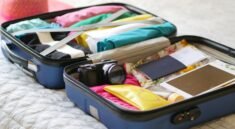
Pack a small carry-on with essential items such as diapers, wipes, an extra change of clothes, and medications if needed. Having these items within reach prevents frantic searches and allows parents to quickly respond to their child’s needs.
Being prepared for minor accidents or sudden needs can save time, reduce stress, and ensure the child remains comfortable throughout the flight.
9. Keep It Fun
Air travel can be an adventure if approached with the right mindset. Encourage your child to look out the window, watch the clouds, and ask questions about the plane. Turning the experience into a game or storytelling session can make the flight more engaging and enjoyable.
Fun activities such as counting airplanes outside the window or guessing landmarks from above can help distract toddlers and keep their energy positive.
10. Prioritize Comfort Over Convenience
While it might be tempting to stick strictly to convenience, prioritizing comfort for your toddler ensures a smoother experience. Whether it’s paying extra for a better seat, choosing an earlier flight, or allowing them to have their favorite toy or snack, comfort should come first.
A happy and comfortable child means a relaxed parent, which collectively creates a more enjoyable flight experience for the whole family.
Conclusion
Flying with toddlers does not have to be stressful. By planning ahead, choosing appropriate flight times, protecting their ears, bringing comfort items, packing snacks, selecting the right seats, and maintaining a positive attitude, parents can ensure a smooth and enjoyable journey.
These tips, based on real-life experiences, demonstrate that even the first airplane ride with young children can be memorable and stress-free. With preparation, patience, and a focus on comfort, air travel can become a joyful adventure for both toddlers and their parents, turning a simple flight into a cherished family memory.