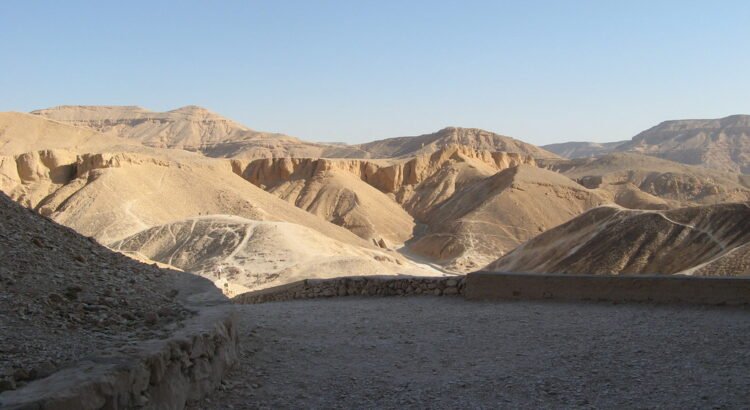
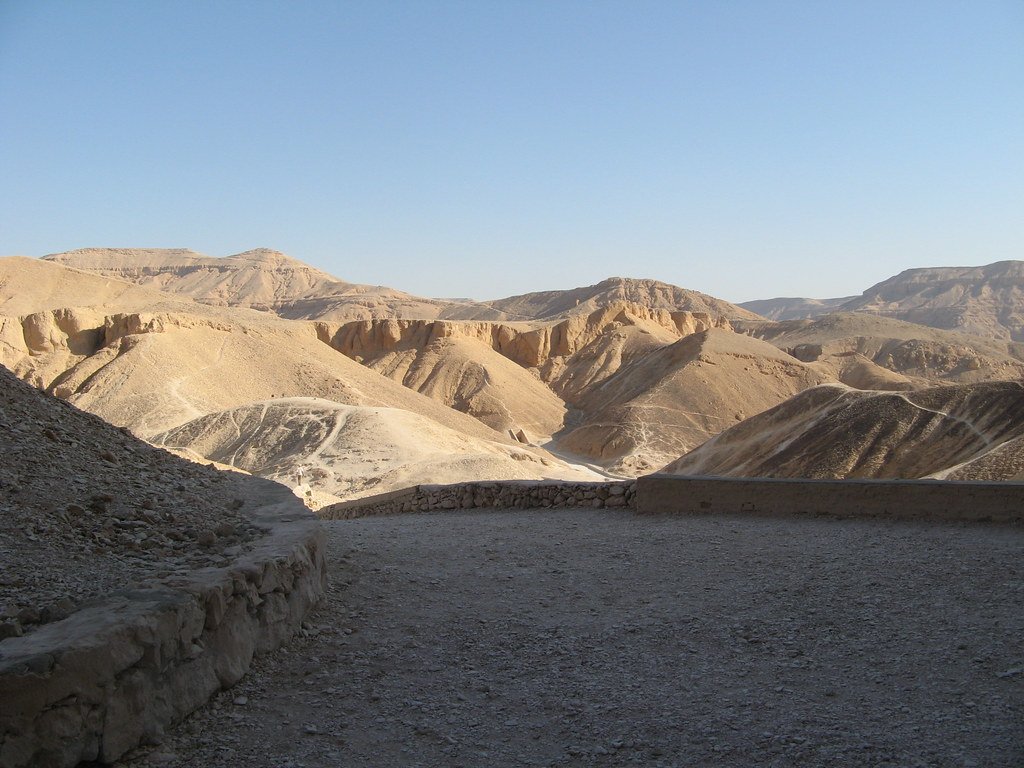
On the west bank of the Nile, just outside Luxor, lies one of the most extraordinary archaeological sites in the world: the Valley of the Kings. This seemingly quiet desert valley hides dozens of elaborately decorated tombs where Egypt’s most powerful rulers were laid to rest. Carved deep into limestone hills, the tombs preserve not only the remains of pharaohs but also stunning wall paintings, hieroglyphics, and treasures that tell the story of the New Kingdom period.
Visiting the Valley of the Kings can be overwhelming, particularly because information about tickets, tomb openings, and photography rules often changes. However, with proper planning, your trip here can be one of the most unforgettable experiences in Egypt. This guide highlights the history of the site, how to get there, the most important tombs to see, and practical tips for making the most of your visit.
What is the Valley of the Kings?
A Burial Ground for Pharaohs
The Valley of the Kings served as the royal necropolis during Egypt’s New Kingdom era (18th–20th dynasties, approximately 1539–1075 BC). Famous rulers such as Tutankhamun, Ramses II, Tuthmosis III, and Seti I were buried here, along with nobles and members of the royal family. Unlike the pyramids of Giza, which became vulnerable to tomb robbers, these tombs were hidden in the rugged hills in hopes of protecting the pharaohs’ treasures.
The Setting
The limestone cliffs of the west bank are dominated by the pyramid-shaped peak of al-Qurn, which naturally resembles the pyramids of ancient Egypt. Beneath these hills, more than 60 tombs have been discovered, ranging from modest chambers to vast complexes decorated with intricate reliefs and colorful images.
Each tomb was sealed with treasures, shrines, and sacred artifacts intended to accompany the pharaoh into the afterlife. They are identified with the abbreviation KV (for Kings Valley) followed by a number. For example, KV62 refers to the tomb of Tutankhamun. The numbering system began with KV1, the tomb of Ramses VII, and continues to expand as new discoveries are made.
UNESCO World Heritage Site
Recognized for its historical importance, the Valley of the Kings was declared a UNESCO World Heritage Site in 1979, ensuring its preservation for future generations.
How to Reach the Valley of the Kings
Guided Tours
One of the most convenient ways to explore is through a guided tour from Luxor. Many companies offer packages that include transportation, an Egyptologist, and a private vehicle. Traveling with a professional guide enriches the visit, as they provide context and stories behind the tombs and pharaohs.
Independent Travel
Independent travelers can also reach the site by taxi. The journey from Luxor takes about 45 minutes, as cars must cross the Luxor Bridge. Some visitors choose to take a short ferry ride across the Nile and then hire a taxi on the west bank. Whichever option you choose, it’s recommended to hire the taxi for the entire day so you can also explore nearby sites.
Getting Around the Valley
Your journey begins at the Visitor Center, where you buy entrance tickets and optional passes. From there, a short tram ride (about three minutes) takes you closer to the tomb entrances. The walk from the tram stop to the tombs is uphill but manageable.
Tombs of the Valley of the Kings
Included in the Main Ticket
Currently, visitors can explore three tombs with a standard entrance ticket. Among the regularly open ones are:
- KV1 – Ramses VII
- KV2 – Ramses IV
- KV6 – Ramses IX
- KV8 – Merenptah
- KV11 – Ramses III
- KV14 – Tausert & Setnakht
- KV15 – Seti II
- KV16 – Ramses I
- KV43 – Thutmose IV
- KV47 – Siptah
Tombs Requiring Extra Tickets
Some of the most famous tombs require an additional ticket:
- KV62 Tutankhamun – 700 EGP: Small but historically significant as it contains the mummy of King Tut himself.
- KV17 Seti I – 2000 EGP: Considered one of the most beautifully decorated tombs, with vibrant colors and astronomical ceiling art.
- KV9 Ramses V & VI – 220 EGP: Known for its spectacular pillared hall and stunning ceiling illustrations of the heavens.
- Tomb of Ay – 200 EGP: Located in the West Valley, this tomb requires a longer walk but usually has fewer visitors.
Costs and Passes
Standard Tickets
The entrance ticket costs around 750 EGP per adult (with discounts for children and students). This allows you to enter three tombs. A separate tram ticket costs about 20 EGP.
Luxor Pass
For those planning to explore several archaeological sites in Luxor, the Luxor Pass is a cost-effective choice. The standard pass includes most sites but excludes Seti I and Nefertari’s tomb. The Premium Luxor Pass covers all major attractions, including those two exclusive tombs, and is valid for five days.
Tips for Visiting the Valley of the Kings
Timing Your Visit
The site opens early—6 am in both summer and winter (closing time is 4 pm in winter and 5 pm in summer). The busiest period is between 10 am and 2 pm, so arriving at opening time or later in the afternoon is best for avoiding large crowds.
Inside the Tombs
Each tomb features a long descending hallway leading to burial chambers. Many are covered in colorful hieroglyphs and religious scenes. Expect to walk up steep inclines when exiting. The tombs can get hot, even in winter, so bring water and pace yourself.
Attendants are stationed in each tomb to monitor visitors. They may offer to take your photo or show hidden chambers, usually expecting a tip in return. A polite “la shukran” (“no thank you”) works if you prefer not to engage.
Photography
Rules regarding cameras change frequently. In the past, a photography pass was required, but recent reports suggest visitors can use cameras freely. Always check the latest policy before your visit.
The Best Tombs to See
- Ramses IV (KV2) – Wide corridors and vibrant decorations make it one of the easier tombs to appreciate.
- Tausert & Setnakht (KV14) – Large, multi-chamber tomb with vivid reliefs.
- Ramses IX (KV6) – Another highlight with colorful and detailed wall scenes.
- Seti I (KV17) – A masterpiece of artistry, worth the steep price for its grandeur.
- Ramses V & VI (KV9) – Often considered the most breathtaking due to its astronomical ceiling and massive burial chamber.
- Tutankhamun (KV62) – Small but historically invaluable, featuring the resting place of the young pharaoh.
Conclusion
The Valley of the Kings offers one of the most remarkable journeys back in time, allowing visitors to step into the burial chambers of Egypt’s most legendary rulers. From the delicate artistry of Seti I’s tomb to the historical significance of Tutankhamun’s resting place, each visit reveals new insights into the grandeur and spirituality of ancient Egyptian civilization.
While planning requires attention—especially regarding tickets, timings, and photography rules—the reward is immense. Whether you explore independently or with an Egyptologist, the Valley of the Kings is a once-in-a-lifetime experience that connects you directly to one of the greatest civilizations the world has ever known.