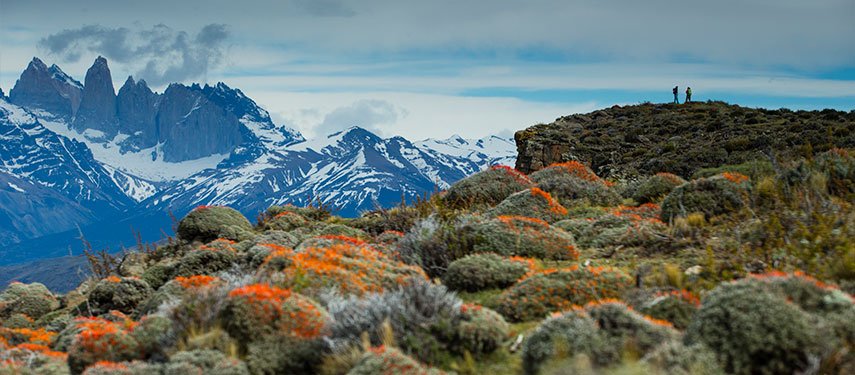
For those who spend the majority of their week working long hours and only have limited vacation days, making the most out of your travel adventures is essential. Few experiences compare to spending the holidays exploring new horizons, and Patagonia is undoubtedly one of the most spectacular destinations for winter sun and outdoor excitement. Nestled between Argentina and Chile, this region offers endless opportunities for adventure, and for this journey, the focus will be on the Argentine side—though Chile remains a must-visit for future exploration.
Patagonia’s landscapes are a remarkable blend of glaciers, forests, fjords, and expansive ice fields, each offering unique adventures. However, due to its vastness, navigating this region requires careful planning, especially if time is limited. This guide aims to help travelers maximize their experience in Patagonia, highlighting must-visit destinations and practical tips for an unforgettable trip.
Understanding Patagonia Before You Go
Choosing Your Destination
Patagonia covers six distinct regions, each separated by significant distances. Deciding which areas to visit largely depends on personal interests, whether it’s trekking through glaciers, exploring pristine lakes, or observing native wildlife. The abundance of breathtaking sites often forces travelers to make tough choices, as every location offers equally mesmerizing views.
It’s advisable to narrow your itinerary to focus on areas that align with your adventure goals. This preparation ensures a smoother experience, particularly during peak seasons.
Highlights of Argentine Patagonia
Los Glaciares National Park
A UNESCO World Heritage site, Los Glaciares National Park spans approximately 8,400 square miles across the Andes and hosts 356 glaciers, including the iconic Perito Moreno Glacier and the Fitz Roy Massif. Established in 1937, this park offers numerous activities, from glacier trekking and kayaking on expansive rivers to guided expeditions exploring the ice fields over 8–10 days. The nearest airport is El Calafate, a small town serving as the main gateway to the park. Early flight bookings are recommended due to high demand.
Bariloche and the Lake District
Ideal for road trips, the Lake District features lush greenery and stunning lakes, making it a paradise for campers, hikers, and adventure enthusiasts. Activities include skiing, mountain biking, horseback riding, fishing, and white-water rafting. Bariloche is also famous for its high-quality chocolate, a treat worth sampling during your journey.
Tierra del Fuego and Ushuaia
Known as the “End of the World,” Ushuaia provides a gateway to Antarctic expeditions. This region emphasizes wildlife observation, offering encounters with sea lions, penguins, and unique flora. Isla Yecapasela, or Penguin Island, is accessible by boat, allowing visitors to walk among penguin colonies.
Exploring Chilean Patagonia
Torres del Paine National Park
This area is famed for its dramatic mountain peaks, glaciers, and pristine lakes. Punta Arenas and Puerto Natales serve as key access points. Wildlife spotting, glacier trekking, and boat excursions are popular activities, with the park offering experiences for both casual hikers and seasoned adventurers.
Aysén Region
Aysén, one of the most sparsely populated areas of Patagonia, features the stunning Laguna San Rafael National Park, renowned for marble caves. Accessible via road along Chile’s southern coast, it offers hiking, camping, and trout fishing opportunities. Remote towns like Coyhaique and Chaitén provide unique cultural encounters for travelers.
Lake District of Chile
This district showcases volcanoes, dense forests, rivers, and lakes, making it ideal for overland adventures along the famous Southern Highway.
Tierra del Fuego and Cape Horn
Located on Isla Hornos, this region marks the meeting point of the Atlantic and Pacific Oceans. Visitors can explore by foot or boat, discovering historical lighthouses and chapels once critical to global maritime trade.
When to Visit
Patagonia’s peak season runs from December to March, featuring long daylight hours and generally favorable weather. Although winds can be strong, the region remains accessible year-round. To avoid crowds, traveling from mid-November to mid-December or mid-March to late April is recommended. Even during busier periods, towns like El Calafate maintain a relaxed atmosphere, and restaurants rarely feel overcrowded.
Sustainable Travel Tips
- Look for recycling programs and consider returning glass bottles to support local sustainability initiatives.
- Minimize your carbon footprint by flying direct when possible and offsetting emissions through certified carbon credit programs like Gold Standard.
Getting There and Accommodation
Flights and Transport
Patagonia is remote, with flights typically connecting through Buenos Aires before reaching El Calafate. Pre-booked car rentals are recommended, as availability can be limited. Upon arrival, short drives take you to the town center, offering a sense of being immersed in the local adventure community.
Accommodation
Options range from budget hostels like Bla Lodge to eco-friendly camps such as Ecocamp in Torres del Paine. The latter incorporates sustainable practices including composting toilets and biodegradable products. For those seeking more immersive experiences, camping within national parks offers unmatched proximity to nature.
Adventure Activities
Perito Moreno Glacier
This active glacier is famous for its striking size, movement (around 2 meters daily), and unique ice formations. Options include:
- Mini Trekking: Explore the glacier with crampons, witnessing its crevasses and ice caves.
- Big Ice Trek: A full-day, physically demanding trek with spectacular views of the glacier and surrounding landscapes.
- Boat Tours: Capture close-up perspectives of ice cliffs from the water.
El Chaltén Hiking
Known as Patagonia’s hiking capital, El Chaltén provides access to peaks like Fitz Roy and Cerro Torre. Recommended trails include:
- Laguna Torre: Moderate 5–7 hour hike leading to Cerro Torre.
- Sendero al Fitz Roy: 8–10 hour hike offering panoramic views of Monte Fitz Roy.
- Laguna de los Tres Circuit: A two-day hike ideal for camping enthusiasts seeking in-depth exploration.
La Leona Petrified Forest and Kayaking
A surreal landscape resembling another planet, the La Leona forest features fossilized trees and prehistoric remains, including evidence of Argentinosaurus. Kayaking along the La Leona River provides an intimate perspective of this unique geological site.
Safety and Community
Patagonia is considered extremely safe for solo travelers and women, with minimal reports of harassment or theft. Visitors often find camaraderie among fellow adventurers, enhancing the sense of security and shared experience.
Conclusion
Patagonia is an unparalleled destination for adventure and exploration, offering glaciers, mountains, wildlife, and unique geological wonders. Careful planning, sustainable practices, and a spirit of adventure ensure a meaningful and unforgettable journey. Whether trekking across ice fields, hiking through towering peaks, or kayaking in pristine rivers, every step in Patagonia immerses travelers in the raw beauty and profound serenity of one of the world’s last great wildernesses.