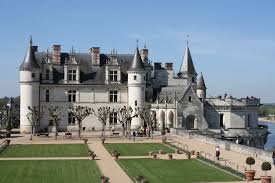
Visiting the Loire Valley in France is like stepping into a realm where history and architectural beauty coexist in harmony. This region is renowned for its magnificent castles, each with its own narrative and significance. While some châteaux are famed for their aesthetic splendor, others are cherished for the historical events they witnessed. Whether you are naturally drawn to grandiose designs or intriguing historical tales, the Loire Valley offers an unforgettable experience for every visitor.
Historical Castles vs. Beautiful Castles
Most of the Loire Valley castles I categorize as “historical” rather than purely “beautiful,” though they do possess their own charm. Many of these historical castles had fallen into ruin by the late Middle Ages or early Renaissance, only to be restored later by the French government, organizations, or private individuals for public enjoyment. Unlike the aesthetically ornate castles, historical castles typically feature elements like dungeons, drawbridges, and fortified walls rather than luxurious living quarters.
Surprisingly, I found myself more captivated by the historical castles than the visually stunning ones. While grand castles make for excellent photographs, historical castles leave a lasting impression due to their tangible connection to past events, their physical remnants, and the lessons they convey about bygone eras.
Must-See Castles in the Loire Valley
Here is a curated list of some of the Loire Valley’s most remarkable castles, arranged alphabetically, each offering unique insights into France’s past:
Château Royal de Blois
Château Royal de Blois may not be the most beautiful, but it boasts a complex and rich history. The castle tells stories of French kings, court intrigues, and religious conflicts across Europe.
King Henri III, a Protestant monarch, famously ordered the assassination of his Catholic cousin, the Duke of Guise, at Blois. The following day, he commanded the murder of the Duke’s brother, a cardinal. Eight months later, the king himself was assassinated by a monk seeking vengeance.
Architectural highlights at Blois include the ornate external staircase and intricately carved wooden study rooms, which contain hidden compartments designed to conceal documents and valuables. These features provide a fascinating glimpse into the strategic and personal concerns of French royalty.
Château de Chenonceau
Chenonceau is the perfect example of a castle that combines both beauty and history. Often called “The Ladies’ Castle,” it owes much of its development to three remarkable women: Katherine Bohier, Diane de Poitiers, and Catherine de Medici.
Architecturally, Chenonceau is unmatched in elegance, with stunning interiors and landscaped gardens. Beyond its visual appeal, the castle played crucial roles throughout history, including service as a military hospital during both World Wars and as a safe haven for refugees. Visiting Chenonceau allows travelers to admire exquisite design while absorbing centuries of historical significance.
Royal Fortress of Chinon
Chinon is largely in ruins today, yet it remains essential for understanding medieval French history. The fortress offers guided tablet tours that recreate historical events, providing both entertainment and education for adults and children alike.
Henry II Plantagenêt favored Chinon as a personal stronghold, and it was here that Charles VII met Joan of Arc, who persuaded him to allow her to lead his troops during the Hundred Years’ War. The Courdray Tower, dating back to the 13th century, once imprisoned the Knights Templar, and its walls still bear carvings believed to have been etched by the prisoners themselves.
Château du Clos-Lucé
Clos-Lucé is closely associated with Leonardo da Vinci, who spent the final three years of his life there at the invitation of King Francis I. Although the castle contains no original belongings of da Vinci, it offers a hands-on experience with recreations of his workshop, bedroom, and inventions.
This château has become one of the most visited in the Loire Valley due to its marketing of da Vinci’s legacy, making it particularly appealing to families and enthusiasts of Renaissance innovation.
Château de Langeais
Langeais is a quintessential medieval castle, complete with a functioning drawbridge, stone fortifications, parapet walkways, and defensive features designed to repel invaders. The interior, however, reflects the opulence of the time, with restored living spaces dating back to the secret wedding of Charles VIII and Anne of Brittany in 1491.
The castle houses an exceptional collection of tapestries from the 16th century, depicting biblical figures, historical heroes, and legendary figures such as King Arthur and Alexander the Great, offering visitors a rich tapestry of medieval art and culture.
Château de Valençay
Château de Valençay is closely tied to Charles Maurice de Talleyrand-Périgord, a masterful diplomat who hosted influential political gatherings within its walls. Although the château has lost some of its original grandeur over time, visitors can still appreciate its historical importance and Talleyrand’s clever use of the estate to solidify his political legacy.
The Stories Castles Tell
Each of these castles serves as a living testament to France’s multifaceted history. Beyond their walls, towers, and gates lie narratives of royal intrigue, political maneuvering, artistic achievement, and military strategy. While picturesque castles are visually appealing, historical castles convey deeper, more enduring stories, making them essential for anyone seeking to understand the region’s past.
Visiting both the historically significant and visually stunning castles provides a balanced experience, blending aesthetic appreciation with historical education. By exploring these estates, travelers gain insight into the personal, political, and cultural dimensions of France throughout the centuries.
Conclusion
The Loire Valley is more than a scenic destination; it is a portal into France’s rich and varied history. Whether exploring the royal intrigue of Blois, the elegance of Chenonceau, the medieval fortifications of Chinon and Langeais, or the Renaissance innovation of Clos-Lucé, each château offers a unique story waiting to be discovered. Combining historical insight with architectural beauty, a journey through the Loire Valley’s castles is an immersive experience that leaves lasting impressions on the mind and heart of every visitor.