A trip to South Korea offers far more than bustling cities, breathtaking natural landscapes, mouthwatering cuisine, and the world-renowned K-pop industry. Among the country’s most unusual attractions is the Korean Demilitarized Zone (DMZ), a destination unlike any other. Though this heavily guarded border area symbolizes decades of division between North and South Korea, it also draws international visitors seeking a mix of history, tension, and intrigue.
The DMZ, established on July 27, 1953, stretches across the Korean Peninsula as part of the armistice agreement that ended the Korean War. Located just about 49 kilometers from Seoul, this buffer zone remains one of the last existing demilitarized areas in the world. While it serves as a military border, parts of it are open to tourists through guided tours, offering a glimpse into one of the most politically charged frontiers on Earth.
In this article, we will explore what the DMZ is, highlight must-visit sites within the area, and discuss essential guidelines for travelers planning a visit to this extraordinary location.
What is the Korean Demilitarized Zone?
The Korean Demilitarized Zone, commonly known as the DMZ, is a 4-kilometer-wide strip of land that divides North and South Korea. It functions as a neutral buffer zone where both sides agreed to suspend armed conflict. Although created to reduce direct confrontation, the DMZ remains a symbol of the unresolved tension between the two nations.
Interestingly, the DMZ is not only a place of military significance but has also become an unusual tourist destination. Visitors from across the globe are intrigued by its history, the palpable sense of tension, and the rare chance to stand at the frontier between two nations technically still at war.
Attractions Within the DMZ
Joint Security Area (JSA)
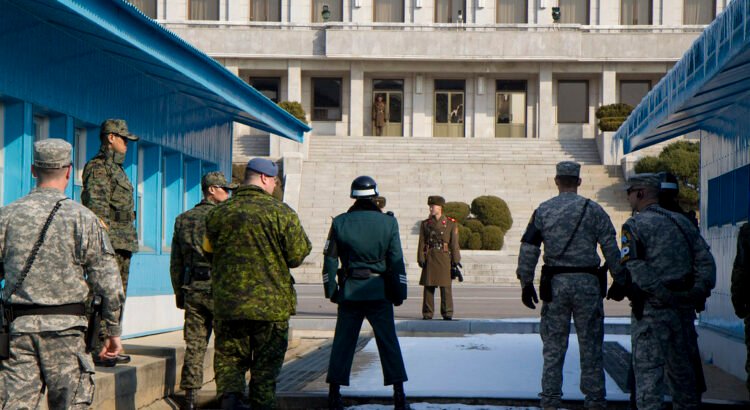
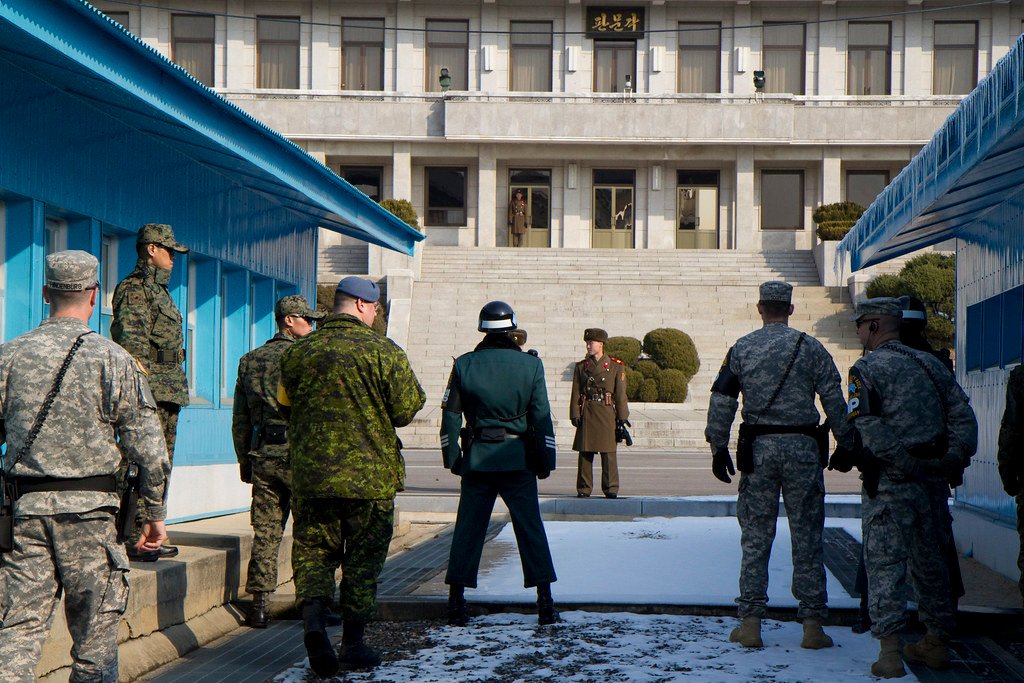
The Joint Security Area, or JSA, is one of the most notable sections of the DMZ. Situated at Panmunjom, this area is the closest point where tourists can physically approach the North Korean border. Rows of distinctive blue buildings serve as meeting rooms for negotiations between the two Koreas.
During calmer times, tourists may enter these buildings and even find themselves technically standing in North Korea. On occasion, visitors may spot North Korean soldiers, offering both a thrilling and somewhat nerve-wracking experience.
Odusan Unification Observatory
Located on Mount Odu, the Odusan Unification Observatory provides sweeping views of North Korea. With high-powered binoculars, tourists can observe the North Korean landscape and, if fortunate, catch glimpses of residents going about their daily activities. This observatory symbolizes the ongoing yearning for peace and reunification between the divided Koreas.
The Infiltration Tunnels
Perhaps one of the most dramatic sites in the DMZ is the network of Infiltration Tunnels, discovered in the 1970s. Dug secretly by North Korea with the intention of launching an invasion into the South, these tunnels highlight the tense history of the Korean conflict.
The closest tunnel ends only about 44 kilometers from Seoul, underscoring the potential danger had the invasion occurred. Despite their dark origins, the tunnels now serve as a fascinating, if eerie, destination for tourists eager to learn about Cold War-era strategies.
Dora Observatory
Another major highlight is the Dora Observatory, which also provides a direct line of sight into North Korea. From here, visitors can see Kijong-dong, often referred to as the “Propaganda Village.” Built to impress South Koreans and encourage defection, the village remains mostly uninhabited—a stark reminder of the ongoing psychological battle between the two sides.
The Bridge of Freedom
The Bridge of Freedom once served as a crossing point for prisoners of war returning home after the Korean War. Today, it symbolizes hope for future reconciliation between the two Koreas. Standing on the bridge, one can reflect on the painful history of separation while imagining the possibility of peace and unity.
Important Guidelines for Visiting the DMZ
Dress Code
Visitors are required to dress neatly and modestly. Casual or revealing clothing, such as ripped jeans, shorts, or sandals, is prohibited. The strict dress code reflects the seriousness of the location and ensures that tourists maintain a respectful appearance.
Proper Behavior
Tourists must also follow strict behavioral guidelines during their visit. Actions such as waving, pointing, or making gestures toward North Korean soldiers are strictly forbidden. Unauthorized photography is also prohibited, and visitors are urged to remain composed and respectful throughout the tour.
Special Tour Packages
The DMZ cannot be visited independently. Tourists must join authorized guided tours, typically arranged by organizations such as Viator in South Korea or Koryo Tours in North Korea. These tours include transportation, security briefings, and access to key sites. Without these official tours, entry to the DMZ is not permitted.
Differences Between the North and South Sides
The attractions within the DMZ vary depending on which side you visit. From the South Korean side, tours typically include the Infiltration Tunnels, the Bridge of Freedom, Dora Observatory, and Odusan Unification Observatory.
In contrast, visitors from the North may see Panmunjom and the Concrete Wall observation post, both significant in showcasing North Korea’s perspective of the division. This duality offers a deeper understanding of how differently the two nations portray the DMZ.
Conclusion
The Korean Demilitarized Zone is far more than just a border; it is a living monument to one of the most complex conflicts of modern history. Visiting the DMZ allows travelers to witness firsthand the stark division of the Korean Peninsula while gaining deeper insight into the hopes, fears, and resilience of its people.
From the thrilling Joint Security Area to the haunting Infiltration Tunnels, and from the hopeful Bridge of Freedom to the powerful views from observatories, the DMZ offers an unforgettable mix of history, politics, and human emotion.
Though strict rules and guided tours are required, these measures ensure both safety and respect for the delicate situation. For those seeking an experience that combines history, culture, and a touch of suspense, a journey to the DMZ is an essential part of exploring Korea.