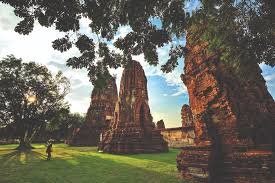
Thailand is a nation blessed with both cultural heritage and natural beauty, and among its most captivating treasures is the Ayutthaya Historical Park. Located in Ayutthaya Province, roughly 80 kilometers north of Bangkok, this site stands as a timeless reminder of the once-glorious Ayutthaya Kingdom. Often referred to as the “Mandala City” during its golden age, Ayutthaya served as the capital of the kingdom from the 14th until the 18th century. Today, the historical park is recognized as a UNESCO World Heritage Site, attracting thousands of visitors who seek to immerse themselves in Thailand’s deep-rooted history.
The ruins and architectural remnants found within the park are more than just tourist attractions—they are symbols of resilience, artistry, and the legacy of an empire that once stood as one of the most influential powers in Southeast Asia.
The Historical Roots of Ayutthaya
The Founding of a Kingdom
The history of Ayutthaya traces back to 1350, when King Ramathibodi I established the city as the capital of his kingdom. Its location was strategically chosen at the confluence of three rivers, offering natural protection from invasions and creating fertile land for agriculture. This advantageous position allowed Ayutthaya to quickly grow into a hub of politics, trade, and culture.
Within just a few centuries, Ayutthaya flourished, evolving into a cosmopolitan city that welcomed traders and diplomats from around the globe, including Europeans, Chinese, Japanese, and Indians.
The Golden Era
The kingdom reached the height of its power in the 16th and 17th centuries. During this period, Ayutthaya became one of the wealthiest and most cosmopolitan cities in Asia. International trade expanded rapidly, and the city’s thriving economy attracted merchants who were fascinated by its grandeur. At its peak, Ayutthaya boasted intricate temples, magnificent palaces, and a bustling urban life that rivaled many other great cities of the world at that time.
The Fall of Ayutthaya
However, this golden era was not to last. In 1767, Ayutthaya fell to the Burmese army after a brutal siege. The city was plundered, temples and palaces were set ablaze, and many priceless artifacts were destroyed or stolen. Despite this devastating fall, Ayutthaya’s legacy was never completely lost. Today, the ruins preserved in the Ayutthaya Historical Park serve as powerful reminders of its past magnificence.
Highlights of Ayutthaya Historical Park
Architectural Marvels and Sacred Temples
The historical park spans approximately 289 hectares and is home to numerous archaeological remains that reflect the kingdom’s artistic and cultural achievements. Visitors can explore dozens of temples, statues, and palaces that transport them back in time.
- Wat Mahathat: Perhaps the most iconic site, Wat Mahathat is famous for the stone Buddha head entwined in the roots of a Bodhi tree. This haunting yet beautiful image has become a symbol of Ayutthaya itself.
- Wat Phra Si Sanphet: Once the royal temple within the palace grounds, Wat Phra Si Sanphet stood as the most important temple in Ayutthaya. Known for its grand stupas, this temple once housed a large gilded Buddha statue and was central to royal ceremonies.
Beyond these, there are countless other sites such as Wat Ratchaburana, Wat Chaiwatthanaram, and Wat Phra Ram, each offering unique architectural details and historical significance.
Exploring the Grounds
The vastness of the park means that exploring on foot can be challenging. Many visitors choose to rent bicycles or join guided tours to cover more ground. Riding through the shaded pathways while observing centuries-old ruins is not only convenient but also adds a touch of adventure to the journey.
Practical Information for Visitors
Entrance Fees
Entry to Ayutthaya Historical Park is remarkably affordable. Thai citizens typically pay around 50 baht, while international tourists are charged approximately 220 baht. Given the cultural and historical significance of the site, this modest fee is well worth the experience.
How to Get There
Traveling to Ayutthaya from Bangkok is straightforward, with several options available:
- By Train: The most scenic and budget-friendly option, with the journey taking about one hour.
- By Bus or Van: Numerous buses and minibuses operate between Bangkok and Ayutthaya daily.
- By Tour Services: For those who prefer convenience, guided tours often include transportation, historical explanations, and itineraries that cover the park’s main highlights.
Tips for a Memorable Visit
Dress Code and Respect for Culture
Since Ayutthaya is home to sacred temples, visitors are encouraged to dress respectfully. Clothing that covers the shoulders and knees is advisable when entering temple grounds.
Be Prepared for the Weather
Thailand’s climate can be extremely hot, especially during midday. Carry essentials such as water, a hat, sunglasses, and sunscreen to stay comfortable throughout your visit.
Preserve the Heritage
It is important to respect the historical and spiritual value of the park. Visitors should avoid climbing on the ruins, refrain from touching delicate artifacts, and ensure that nothing is removed from the site. Cleanliness and respectful behavior are essential in maintaining this heritage for future generations.
The Timeless Legacy of Ayutthaya
Exploring Ayutthaya Historical Park is more than just a sightseeing trip—it is an educational journey into the past. The ruins and temples tell stories of power, artistry, spirituality, and resilience. They remind visitors of how the Ayutthaya Kingdom once stood as a dominant force in Southeast Asia, shaping trade, culture, and diplomacy.
By walking among these ancient structures, you are essentially retracing the steps of kings, monks, and traders who shaped the destiny of Thailand centuries ago. The park is not just a relic of the past, but a bridge that connects modern Thailand with its glorious history.
Conclusion
Ayutthaya Historical Park stands as one of Thailand’s most treasured destinations, offering a glimpse into the grandeur and struggles of a kingdom that once thrived for over four centuries. From its foundation in 1350, its golden era of prosperity, to its eventual downfall in 1767, Ayutthaya’s story is one of resilience and cultural significance.
Whether you are a history enthusiast, a spiritual traveler, or simply a curious tourist, Ayutthaya promises a journey that is both enriching and unforgettable. By visiting this UNESCO World Heritage Site, you are not only witnessing the remains of a glorious past but also honoring the enduring spirit of Thai heritage.