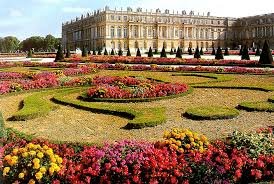
France is home to many world-renowned landmarks, but few destinations combine natural beauty, historical significance, and artistic grandeur like the Gardens of Versailles. Located near the majestic Palace of Versailles, these gardens are not only a major tourist attraction in France but are also celebrated worldwide for their impeccable design and lush landscapes. For travelers seeking an extraordinary outdoor experience steeped in history, the Gardens of Versailles are an essential destination. Beyond their aesthetic charm, the gardens reflect centuries of French cultural heritage and serve as a testament to classical art and landscape architecture.
A Brief History of the Gardens of Versailles
Origins and Early Development
The Gardens of Versailles have a rich historical background that traces back to the reign of King Louis XIII. Initially, the king acquired land owned by Jean François de Gondi and commissioned the development of a garden that combined elegance with utility. Early accounts suggest that, unlike ordinary gardens often dismissed as mere decorative spaces, Versailles was intended to symbolize power and prestige. It was more than a setting for leisure; it was a reflection of the influence and authority of French royalty.
As the centuries passed and governance changed, the gardens underwent multiple phases of reconstruction and expansion. Each monarch contributed to the enhancement of its layout, fountains, and plantings, ultimately transforming it into the monumental site we admire today. Eventually, the Gardens of Versailles were incorporated into the palace complex and officially recognized as a symbol of world heritage. Over time, they have become a favorite leisure destination for both French citizens and international visitors.
Architectural and Historical Significance
The gardens’ design is a prime example of French formal garden architecture, blending symmetry, order, and artistry. Unlike conventional gardens that merely serve aesthetic or recreational purposes, Versailles carries a deep historical narrative. Every pathway, fountain, and statue conveys stories of power, royal ambition, and artistic achievement. The gardens also host notable historical monuments, such as The Great Trianon, sometimes referred to as the Marble Trianon, which adds architectural and cultural depth to the landscape. This harmonious combination of nature and structure makes Versailles unique among gardens worldwide.
Attractions and Features of the Gardens
Expansive Grounds and Plantings
Spanning approximately 800 hectares, the Gardens of Versailles boast an extraordinary scale that captivates visitors from the moment they arrive. Over 200,000 trees and roughly 210,000 flowers are planted annually, creating a lush, vibrant environment that changes with the seasons. The garden’s layout is meticulously organized, featuring tree-lined avenues, manicured lawns, and ornamental flowerbeds that exemplify the elegance of French formal gardens.
Fountains, Canals, and Water Features
A prominent feature within the gardens is the Grand Canal, a vast waterway measuring 24 hectares with a depth of two meters. The canal not only enhances the gardens’ visual appeal but also demonstrates the ingenuity of French hydraulic engineering from the era. Numerous fountains scattered throughout the grounds add dynamism and elegance, with water jets choreographed to delight visitors with both sight and sound. These water features are complemented by ornate statues and sculptures that reinforce the classical aesthetic of the space.
The Great Trianon
Among the architectural highlights of the gardens is The Great Trianon, a historical monument that adds cultural significance to the natural surroundings. Built with exquisite marble and delicate detailing, this structure served as a private retreat for French royalty, offering a serene contrast to the grandeur of the main palace. Visitors exploring the gardens often find The Great Trianon to be a point of interest that bridges the beauty of nature with historical storytelling.
UNESCO Recognition
In 1979, the entire estate, including the gardens, palace, and associated structures, was officially designated as a UNESCO World Heritage Site. This recognition underscores the global importance of Versailles not only as a tourist destination but also as a cultural and historical treasure. The gardens exemplify the pinnacle of landscape design and serve as a living museum, allowing visitors to experience the artistry and vision of 17th- and 18th-century France firsthand.
Visiting the Gardens
Ideal for Outdoor and Historical Tourism
The Gardens of Versailles are particularly suitable for travelers seeking both natural beauty and historical immersion. Walking along its pathways, exploring the vast lawns, and observing the meticulously arranged plantings offers a refreshing outdoor experience. Simultaneously, the presence of monumental architecture and historical elements invites reflection on France’s royal past. Visitors can almost imagine themselves transported back to the era of kings and queens, enjoying the same vistas and artistic wonders that once inspired French nobility.
Seasonal Highlights and Activities
Depending on the time of year, visitors can experience the gardens in different moods and settings. Spring brings colorful floral displays, summer offers the full grandeur of the fountains, and autumn provides a palette of golden foliage. Many tourists also take guided tours to learn about the historical significance of various garden features, including statues, fountains, and iconic structures like The Great Trianon. The gardens’ vastness allows for leisurely walks, photography, or simply enjoying quiet moments away from the city’s bustle.
Tips for Visitors
To maximize the experience of visiting the Gardens of Versailles, it is advisable to wear comfortable footwear suitable for walking across expansive grounds. Bringing water, sun protection, and light refreshments can enhance the visit, especially during warmer months. Early morning visits are recommended to avoid crowds and enjoy a more serene atmosphere. For those interested in history and architecture, guided tours provide valuable insights into the significance of each element of the gardens.
Conclusion
The Gardens of Versailles are more than just an outdoor space—they are a masterpiece of landscape design, a symbol of historical power, and a testament to the artistic achievements of France. Spanning hundreds of hectares, filled with meticulously arranged trees, flowers, fountains, and monumental architecture, the gardens provide an unparalleled experience for visitors seeking beauty, history, and culture in one location. From the serene pathways to the grandeur of The Great Trianon and the flowing elegance of the Grand Canal, every corner of Versailles invites exploration and admiration. Recognized as a UNESCO World Heritage Site, the Gardens of Versailles remain a must-visit destination, offering travelers a unique opportunity to witness the harmony of nature, art, and history in one of the world’s most iconic settings.